
@Gus_802 Keynesian/demand side economics is what made the Middle Class better off but it was applied at a time when it wasn’t always equitable toward PoC or women. We need to bring back Keynesian policies but that means having Dem Mandates in Congress & WH for more than two short years.
Fossil fuel executives should be criminally prosecuted for the destruction they have knowingly caused. #GreenNewDeal
— Bernie Sanders (@BernieSanders) August 22, 2019
More from Economy


1/ To add a little texture to @NickHanauer's thread, it's important to recognize that there's a good reason why orthodox economists (& economic cosplayers) so vehemently oppose a $15 min wage:
The min wage is a wedge that threatens to undermine all of orthodox economic theory.
2/ Orthodox economics is grounded in two fundamental models: a systems model that describes the market as a closed equilibrium system, and a behavioral model that describes humans as rational, self-interested utility-maximizers. The modern min wage debate undermines both models.
3/ The assertion that a min wage kills jobs is so central to orthodox economics that it is often used as the textbook example of the Supply/Demand curve. Raise the cost of labor and businesses will buy less of it. It's literally Econ 101!
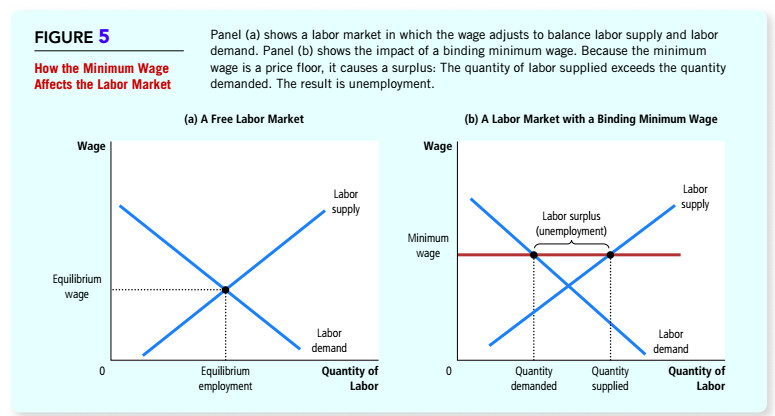
4/ Econ 101 insists that markets automatically set an efficient "equilibrium price" for labor & everything else. Mess with this price and bad things happen. Yet decades of empirical research has persuaded a majority of economists that this just isn't
5/ How can this be? Well, either the market is not a closed equilibrium system in which if you raise the price of labor employers automatically purchase less of it... OR the market is not automatically setting an efficient and fair equilibrium wage. Or maybe both. #FAIL
The min wage is a wedge that threatens to undermine all of orthodox economic theory.
1/4 Most people, especially academic economists, think that the controversy over the minimum wage is a contest over facts. It's not. It's a contest over power, status, and wealth. It is just like the contest over racial and gender justice.
— Nick Hanauer (@NickHanauer) January 17, 2021
2/ Orthodox economics is grounded in two fundamental models: a systems model that describes the market as a closed equilibrium system, and a behavioral model that describes humans as rational, self-interested utility-maximizers. The modern min wage debate undermines both models.
3/ The assertion that a min wage kills jobs is so central to orthodox economics that it is often used as the textbook example of the Supply/Demand curve. Raise the cost of labor and businesses will buy less of it. It's literally Econ 101!
4/ Econ 101 insists that markets automatically set an efficient "equilibrium price" for labor & everything else. Mess with this price and bad things happen. Yet decades of empirical research has persuaded a majority of economists that this just isn't
5/ How can this be? Well, either the market is not a closed equilibrium system in which if you raise the price of labor employers automatically purchase less of it... OR the market is not automatically setting an efficient and fair equilibrium wage. Or maybe both. #FAIL
You May Also Like


1/x Fort Detrick History
Mr. Patrick, one of the chief scientists at the Army Biological Warfare Laboratories at Fort Detrick in Frederick, Md., held five classified US patents for the process of weaponizing anthrax.
2/x
Under Mr. Patrick’s direction, scientists at Fort Detrick developed a tularemia agent that, if disseminated by airplane, could cause casualties & sickness over 1000s mi². In a 10,000 mi² range, it had 90% casualty rate & 50% fatality rate
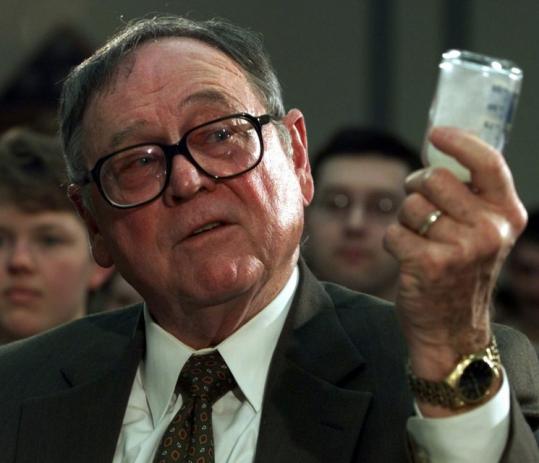
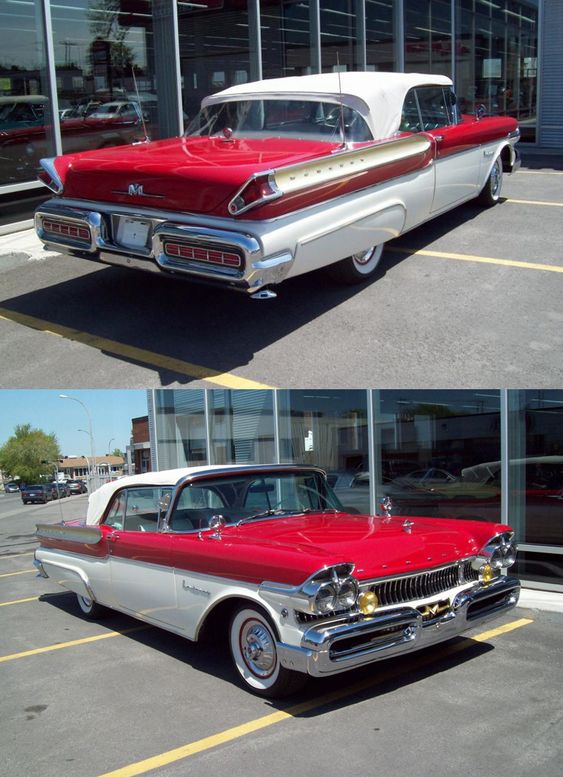
3/x His team explored Q fever, plague, & Venezuelan equine encephalitis, testing more than 20 anthrax strains to discern most lethal variety. Fort Detrick scientists used aerosol spray systems inside fountain pens, walking sticks, light bulbs, & even in 1953 Mercury exhaust pipes
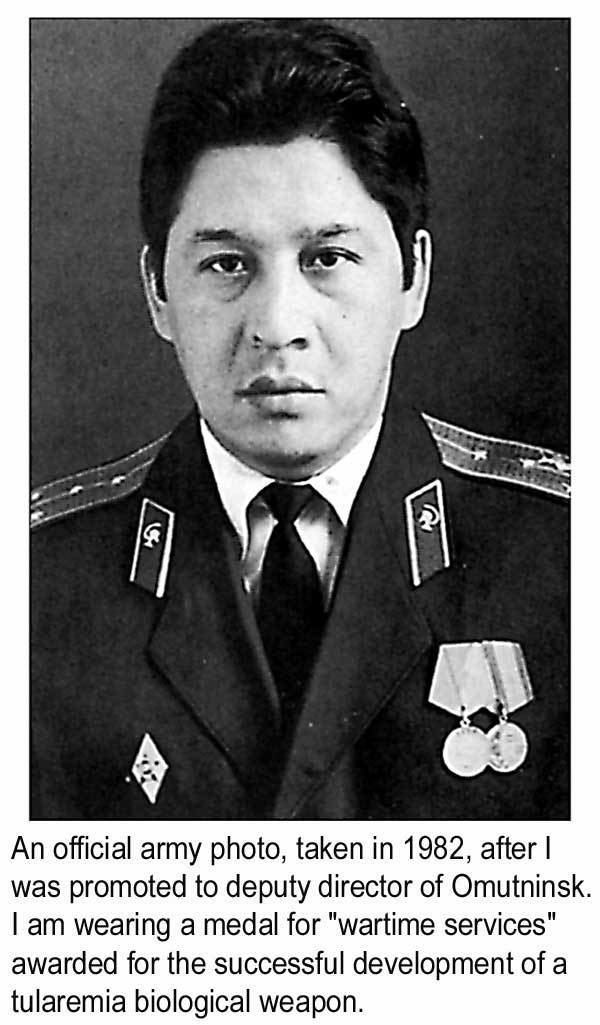
4/x After retiring in 1986, Mr. Patrick remained one of the world’s foremost specialists on biological warfare & was a consultant to the CIA, FBI, & US military. He debriefed Soviet defector Ken Alibek, the deputy chief of the Soviet biowarfare program
https://t.co/sHqSaTSqtB
5/x Back in Time
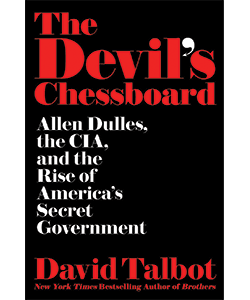
In 1949 the Army created a small team of chemists at "Camp Detrick" called Special Operations Division. Its assignment was to find military uses for toxic bacteria. The coercive use of toxins was a new field, which fascinated Allen Dulles, later head of the CIA
Mr. Patrick, one of the chief scientists at the Army Biological Warfare Laboratories at Fort Detrick in Frederick, Md., held five classified US patents for the process of weaponizing anthrax.
2/x
Under Mr. Patrick’s direction, scientists at Fort Detrick developed a tularemia agent that, if disseminated by airplane, could cause casualties & sickness over 1000s mi². In a 10,000 mi² range, it had 90% casualty rate & 50% fatality rate
3/x His team explored Q fever, plague, & Venezuelan equine encephalitis, testing more than 20 anthrax strains to discern most lethal variety. Fort Detrick scientists used aerosol spray systems inside fountain pens, walking sticks, light bulbs, & even in 1953 Mercury exhaust pipes
4/x After retiring in 1986, Mr. Patrick remained one of the world’s foremost specialists on biological warfare & was a consultant to the CIA, FBI, & US military. He debriefed Soviet defector Ken Alibek, the deputy chief of the Soviet biowarfare program
https://t.co/sHqSaTSqtB
5/x Back in Time
In 1949 the Army created a small team of chemists at "Camp Detrick" called Special Operations Division. Its assignment was to find military uses for toxic bacteria. The coercive use of toxins was a new field, which fascinated Allen Dulles, later head of the CIA


