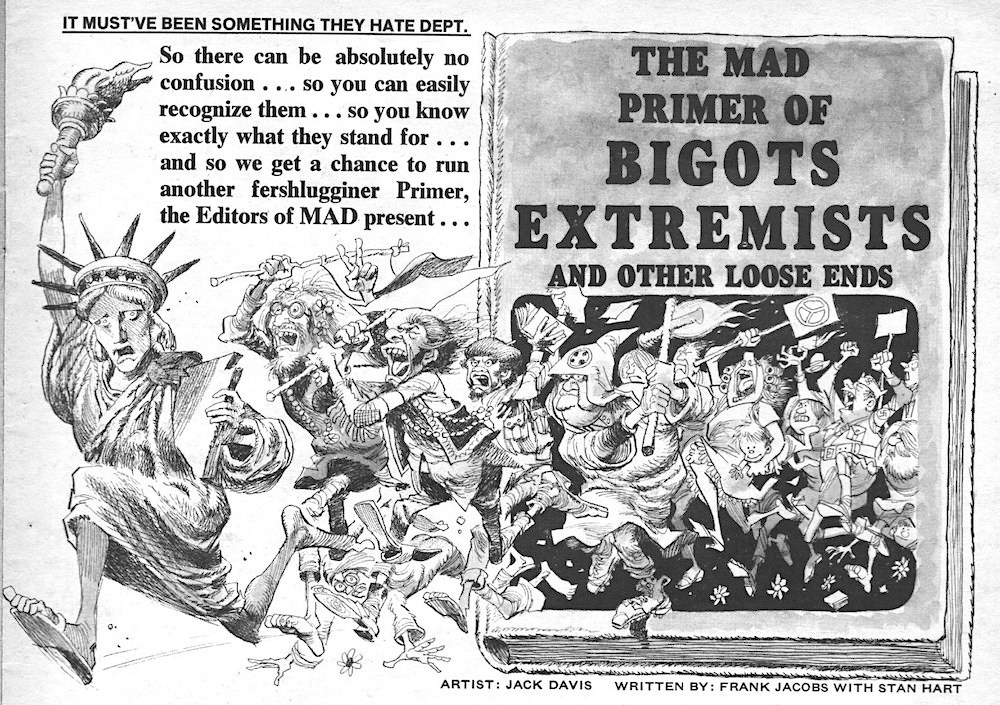
In the months prior to the most ferocious stock market crash in history and the eruption of the biggest #publichealthcrisis of our generation, we witnessed the biggest exodus of corporate CEOs that we have ever seen. And as you will see below, corporate insiders also sold
One financial publication is using the phrase “the great CEO exodus” to describe the phenomenon that
Chief executives are leaving in record numbers this year, with more than
Last month, 172 chief executives left their jobs, according to executive placement firm Challenger, Gray & Christmas. It’s the highest monthly number on record, and the year-to-date total outpaces even the wave of executive exits during the

More from Economy

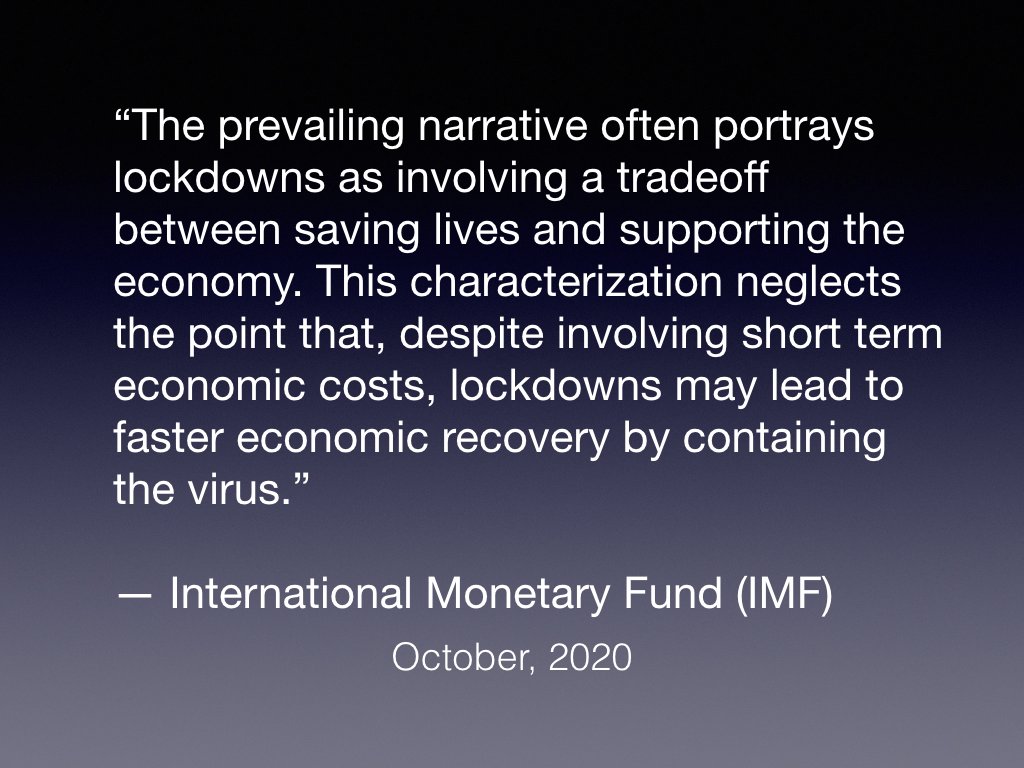
The International Monetary Fund (IMF) is analyzing damage due to COVID and projecting further severe consequences if current policies persist. They state “despite involving short term economic costs, lockdowns may lead to faster economic recovery by containing the virus”
1/
Note: This report doesn’t do a dynamic analysis that makes things much clearer, but it does a thoughtful statistical analysis based upon increasingly available data.
https://t.co/5Xmt8y7lCL
A few more quotes:
2/
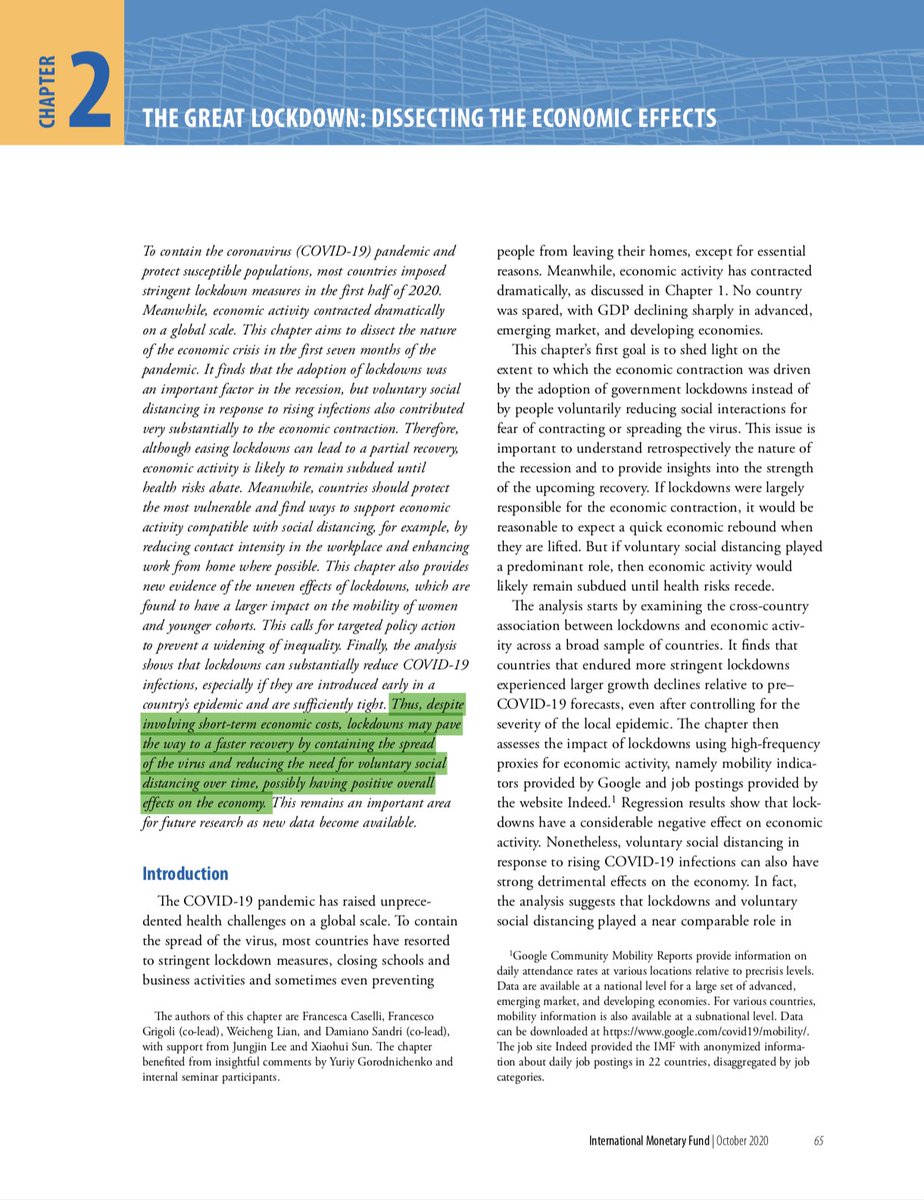
“The analysis also finds that lockdowns are powerful instruments to reduce infections, especially when they are introduced early in a country’s epidemic and when they are sufficiently stringent.”
3/

“lockdowns become progressively more effective in reducing COVID-19 cases when they become sufficiently stringent. Mild lockdowns appear instead ineffective at curbing infections.”
4/
“The results suggest that to achieve a given reduction in infections, policymakers may want to opt for stringent lockdowns over a shorter period rather than prolonged mild lockdowns...
5/
1/
Note: This report doesn’t do a dynamic analysis that makes things much clearer, but it does a thoughtful statistical analysis based upon increasingly available data.
https://t.co/5Xmt8y7lCL
A few more quotes:
2/
“The analysis also finds that lockdowns are powerful instruments to reduce infections, especially when they are introduced early in a country’s epidemic and when they are sufficiently stringent.”
3/
“lockdowns become progressively more effective in reducing COVID-19 cases when they become sufficiently stringent. Mild lockdowns appear instead ineffective at curbing infections.”
4/
“The results suggest that to achieve a given reduction in infections, policymakers may want to opt for stringent lockdowns over a shorter period rather than prolonged mild lockdowns...
5/


What a year: 203 essays about degrowth in English since the beginning of March. Here is a selection of some of my favourites. Thank you @fem_degrowth, @beth_stratford, @thedownshifters, @corbinkbarthold, @degrowth_info for these brilliant texts.
THREAD/
https://t.co/1lFaJM52RX
https://t.co/i5HOfZ19r7
https://t.co/DuPSrrqnzz
https://t.co/0ANveWdvFO
THREAD/
https://t.co/1lFaJM52RX
https://t.co/i5HOfZ19r7
https://t.co/DuPSrrqnzz
https://t.co/0ANveWdvFO