Long rant: This @WSJ article bemoaning the decline of price theory is really worth highlighting. The economic theories and so called "laws of economics" that the WSJ consistently and religiously defends, are the source of their authority, power and privilege.
Hilarious. The WSJ editorial page bemoans the waning influence of The neoliberal priesthood, and hence their own. https://t.co/pQT8Dstg8I
— Nick Hanauer (@NickHanauer) January 28, 2021
More from Economy



1. "ThE gReAt rEplAcEMeNt iS A cOnSpiRaCy tHEorY" https://t.co/BXdtcNxrVf

2. "ThE gReAt rEplAcEMeNt iS A cOnSpiRaCy tHEorY"
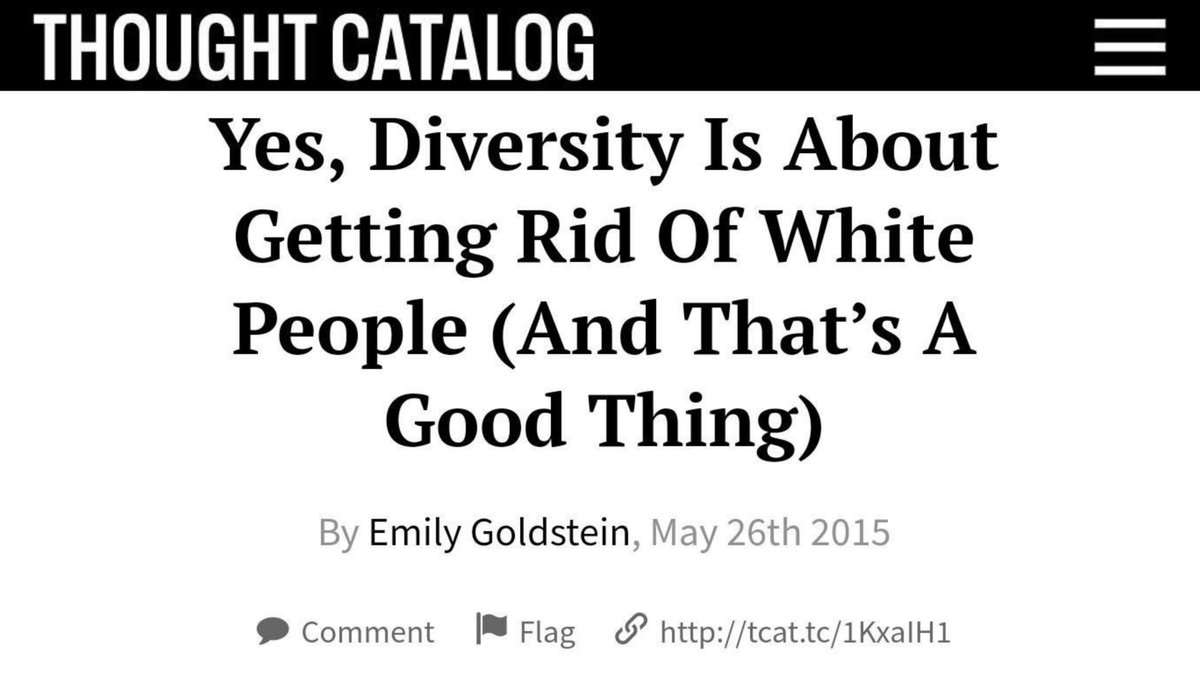
3. "ThE gReAt rEplAcEMeNt iS A cOnSpiRaCy tHEorY"
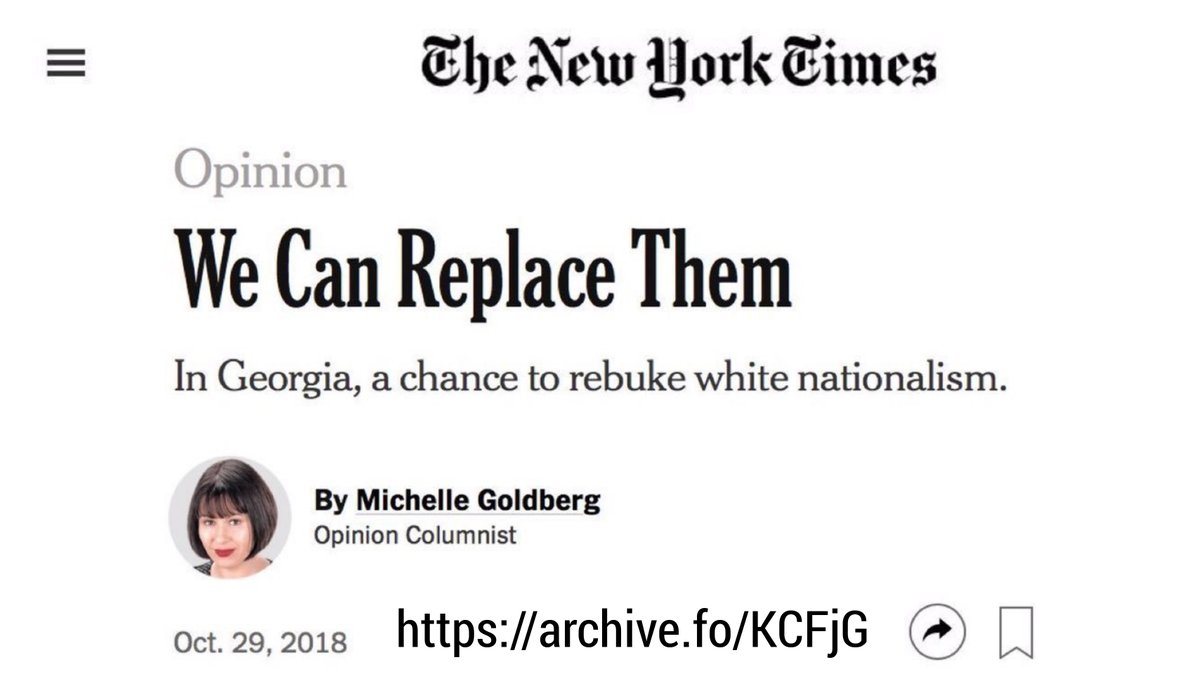
4. "ThE gReAt rEplAcEMeNt iS A cOnSpiRaCy tHEorY"
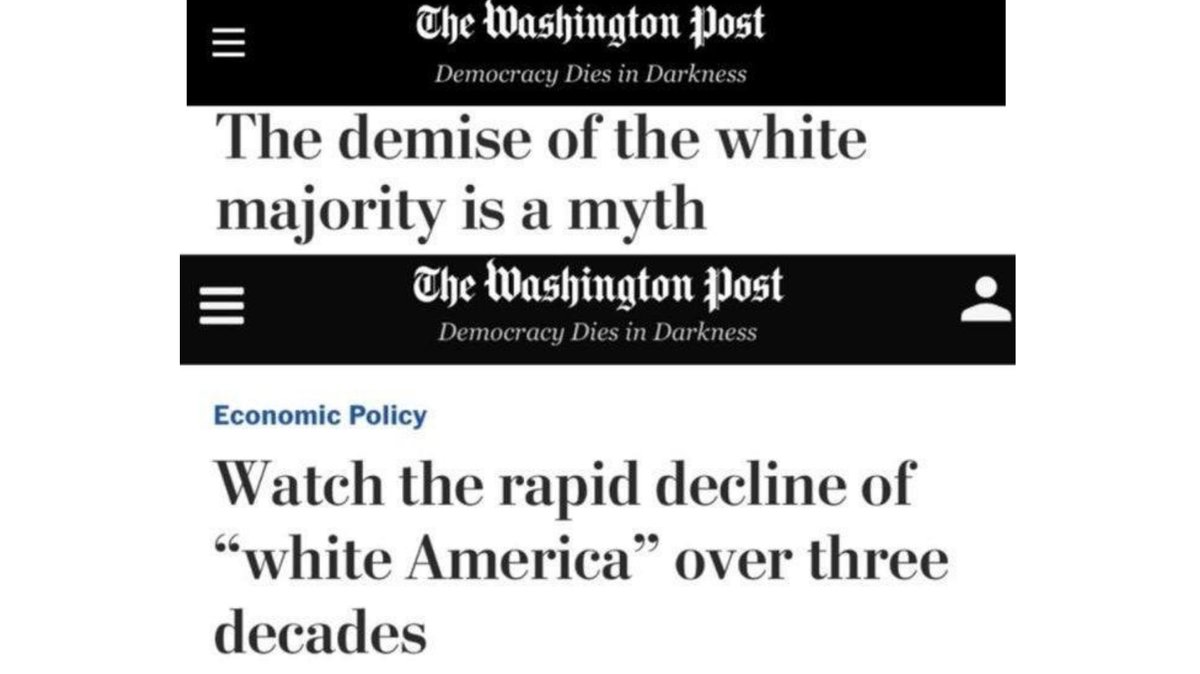
5. "ThE gReAt rEplAcEMeNt iS A cOnSpiRaCy tHEorY"

The great replacement isn't a conspiracy theory, it is the inevitable outcome of non-stop immigration of populations whom do not wish to assimilate and have way higher birth rates than the native population... It's purely a mathematical reality.
— Angelo John Gage (@AngeloJohnGage) December 30, 2020
2. "ThE gReAt rEplAcEMeNt iS A cOnSpiRaCy tHEorY"
3. "ThE gReAt rEplAcEMeNt iS A cOnSpiRaCy tHEorY"
4. "ThE gReAt rEplAcEMeNt iS A cOnSpiRaCy tHEorY"
5. "ThE gReAt rEplAcEMeNt iS A cOnSpiRaCy tHEorY"


On Jan 6, 2021, the always stellar Mr @deepakshenoy tweeted, this:
https://t.co/fa3GX9VnW0
Innocuous 1 sentence, but its a full economic theory at play.
Let me break it down for you. (1/n)
On September 30, 2020, I wrote an article for @CFASocietyIndia where I explained that RBI is all set to lose its ability to set interest rates if it continues to fiddle with the exchange rate (2/n)
What do I mean, "fiddle with the exchange rate"?
In essence, if RBI opts and continues to manage exchange rate, then that is "fiddling with the exchange rate"
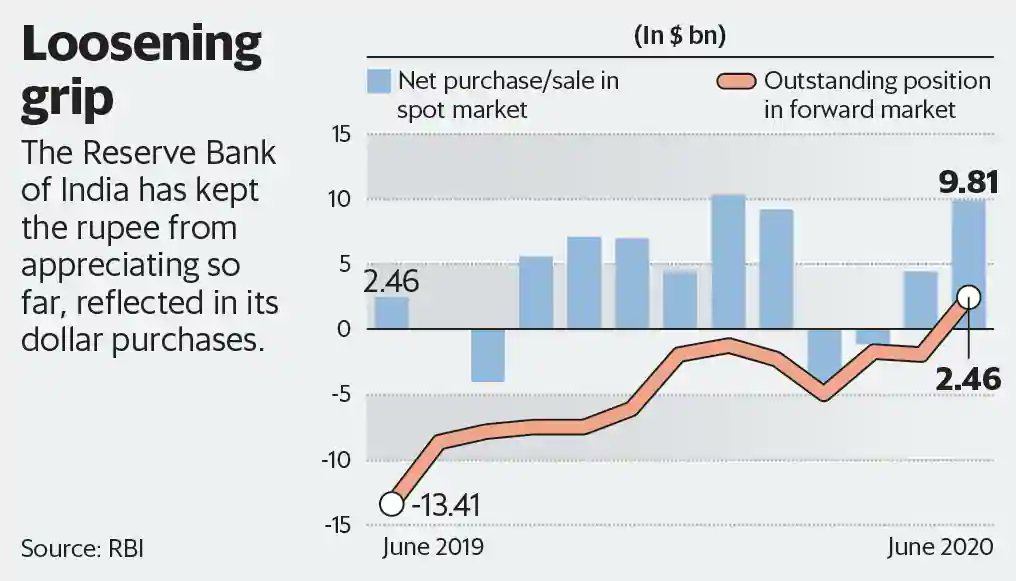
RBI has done that in the past and has restarted it in 2020 - very explicitly. (3/n)
First in March 2020, it opened a Dollar/INR swap of $2B with far leg to be unwound in September 2020.
Implying INR will be bought from the open markets in order to prevent INR from falling vis a vis USD (4/n)
The Second aspect is now, that dollar inflow is happening, and the forex reserves swelled -> implying the rupee is appreciating, RBI again intervened from September, by selling INR in spot markets. (5/n)
https://t.co/9kpWP7ovyM
https://t.co/fa3GX9VnW0
Innocuous 1 sentence, but its a full economic theory at play.
Let me break it down for you. (1/n)
91 day TBills at 3.03%. Interest rates are even lower than RBI has them.
— Deepak Shenoy (@deepakshenoy) January 6, 2021
On September 30, 2020, I wrote an article for @CFASocietyIndia where I explained that RBI is all set to lose its ability to set interest rates if it continues to fiddle with the exchange rate (2/n)
What do I mean, "fiddle with the exchange rate"?
In essence, if RBI opts and continues to manage exchange rate, then that is "fiddling with the exchange rate"
RBI has done that in the past and has restarted it in 2020 - very explicitly. (3/n)
First in March 2020, it opened a Dollar/INR swap of $2B with far leg to be unwound in September 2020.
Implying INR will be bought from the open markets in order to prevent INR from falling vis a vis USD (4/n)
The Second aspect is now, that dollar inflow is happening, and the forex reserves swelled -> implying the rupee is appreciating, RBI again intervened from September, by selling INR in spot markets. (5/n)
https://t.co/9kpWP7ovyM