True that all the people cherishing the support of IMF or WTO for farm reforms need to cool it down a bit, because that is a model we do not want to emulate to the t in India here.
But here are some issues that deserve to be better discussed by all:
WTO backed by Western countries have always wanted to dismantle support systems for farmers in developing countries including India while pumping in federal payments to its farmers. Trump gave 46 billion dollars in 2020 alone to US farmers. pic.twitter.com/0V34ZQQq4J
— Ranveer Singh (@ranveersiiingh) February 4, 2021
But the same assumption won't work for India, because we have always had a large workforce in agriculture, agri subsidies have always run high, protection has been the hallmark of agriculture and rural representation in the parliament has always been+
2. This brings us to the another point of providing MSP on all the commodities and the demand side of the issue that we+
The developed nations are able to offer that MSP because the per capita incomes in those countries are high, and people spend less proportion of rising incomes on food. But, for a country like India +
(Source: Prof Ashutosh Varshney's Democracy, Development and the country side)
We will reach the MSP for all stage too, but at the moment that is not a fire we should be playing with. That is for when we are a country with increased per capita incomes and+
Thread
https://t.co/ESNy33sAYm
Seen a lot of people aver the following, "but where are the jobs?" in response to someone asserting the need to incentivize the movement of our people from agriculture to industry.
— Sargoon (@SargoonK) January 31, 2021
Well, here's one major part of the big answer: Labour reforms.
Thread\U0001f447
More from Economy


What a year: 203 essays about degrowth in English since the beginning of March. Here is a selection of some of my favourites. Thank you @fem_degrowth, @beth_stratford, @thedownshifters, @corbinkbarthold, @degrowth_info for these brilliant texts.
THREAD/
https://t.co/1lFaJM52RX
https://t.co/i5HOfZ19r7
https://t.co/DuPSrrqnzz
https://t.co/0ANveWdvFO
THREAD/
https://t.co/1lFaJM52RX
https://t.co/i5HOfZ19r7
https://t.co/DuPSrrqnzz
https://t.co/0ANveWdvFO
You May Also Like


✨📱 iOS 12.1 📱✨
🗓 Release date: October 30, 2018
📝 New Emojis: 158
https://t.co/bx8XjhiCiB
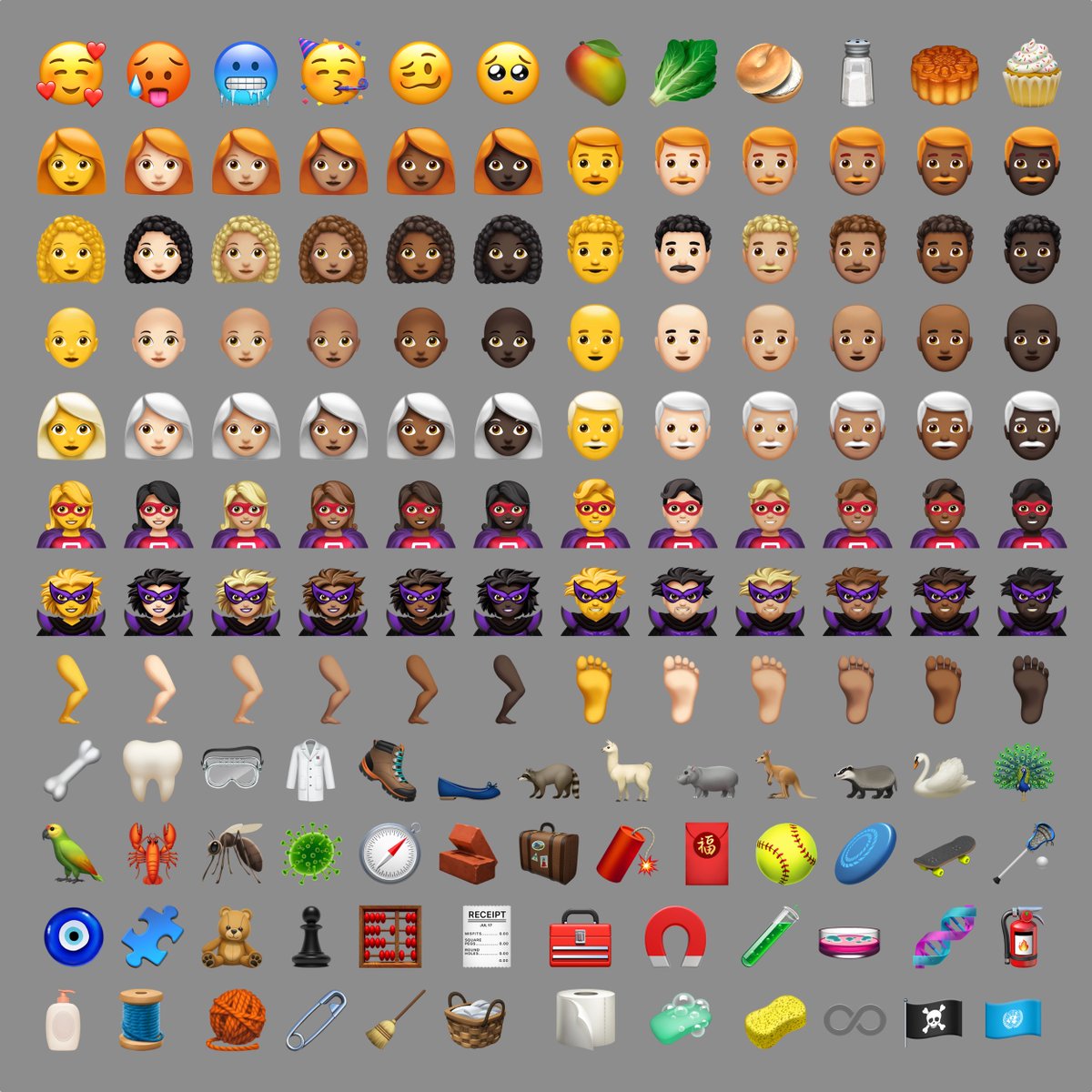
New in iOS 12.1: 🥰 Smiling Face With 3 Hearts https://t.co/6eajdvueip

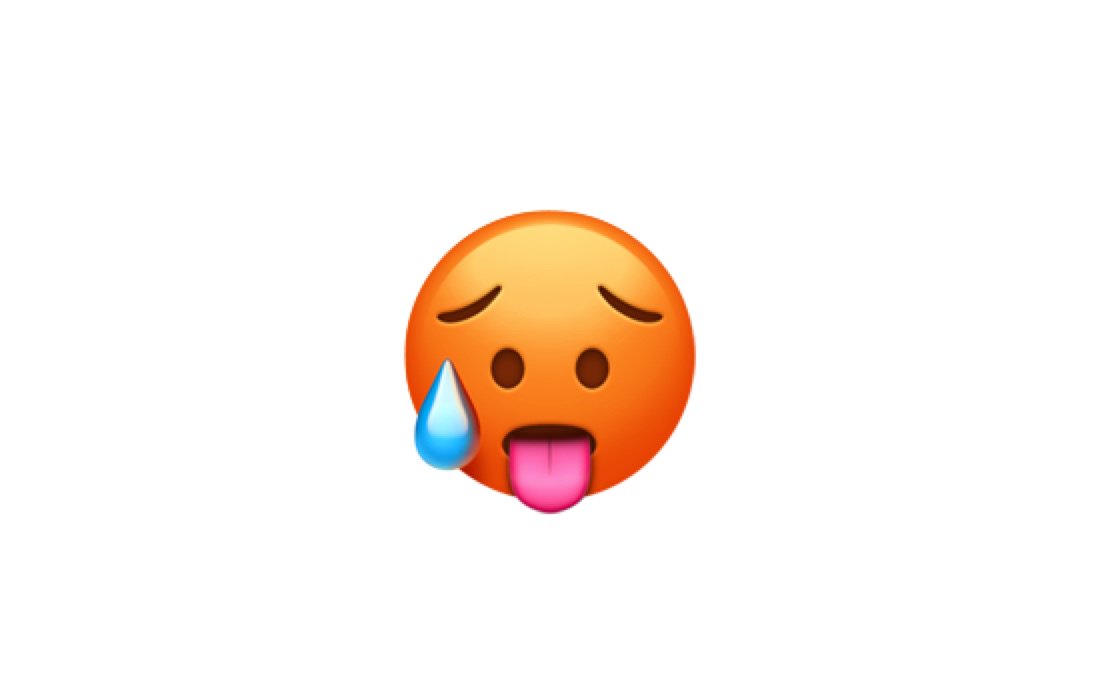
New in iOS 12.1: 🥵 Hot Face https://t.co/jhTv1elltB
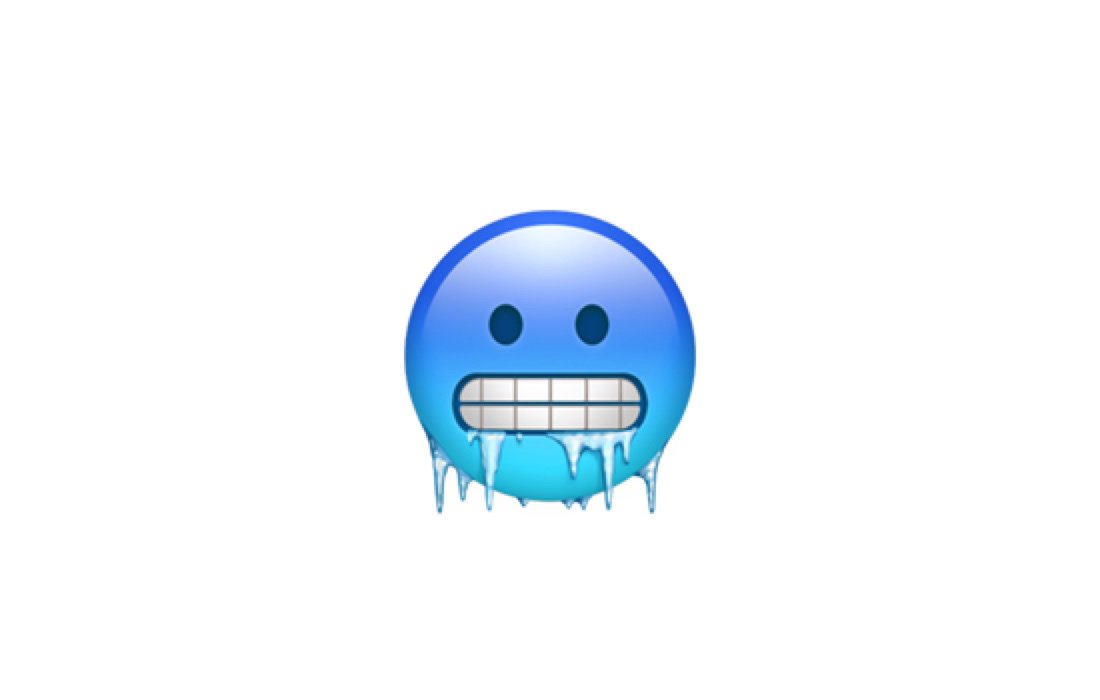
New in iOS 12.1: 🥶 Cold Face https://t.co/EIjyl6yZrF
New in iOS 12.1: 🥳 Partying Face https://t.co/p8FDNEQ3LJ

🗓 Release date: October 30, 2018
📝 New Emojis: 158
https://t.co/bx8XjhiCiB
New in iOS 12.1: 🥰 Smiling Face With 3 Hearts https://t.co/6eajdvueip
New in iOS 12.1: 🥵 Hot Face https://t.co/jhTv1elltB
New in iOS 12.1: 🥶 Cold Face https://t.co/EIjyl6yZrF
New in iOS 12.1: 🥳 Partying Face https://t.co/p8FDNEQ3LJ