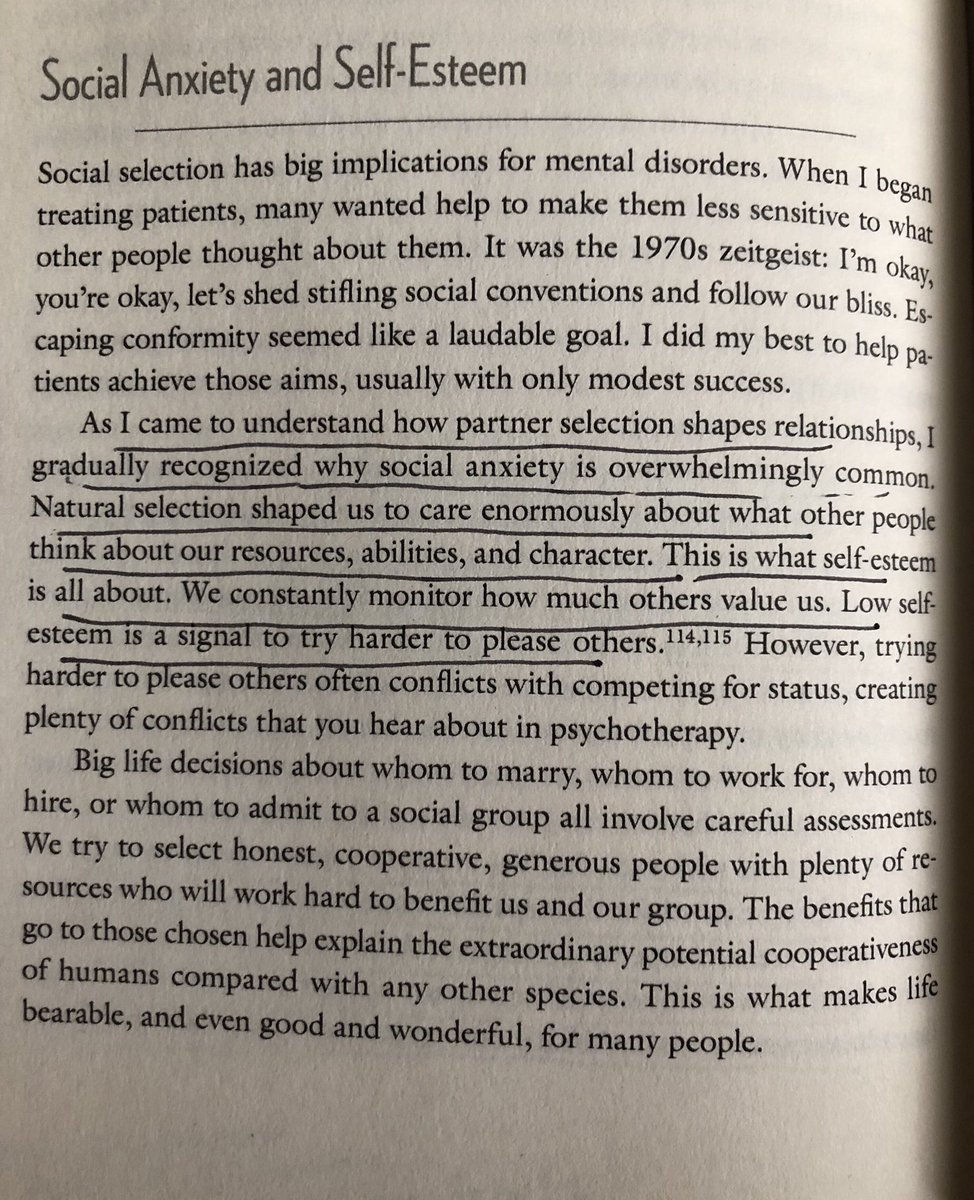
Good Reasons for Bad Feelings
https://t.co/KZDqte19nG 2. “social anxiety is overwhelmingly common. Natural selection shaped us to care enormously what other people think..We constantly monitor how much others value us..Low self-esteem is a signal to try harder to please others”
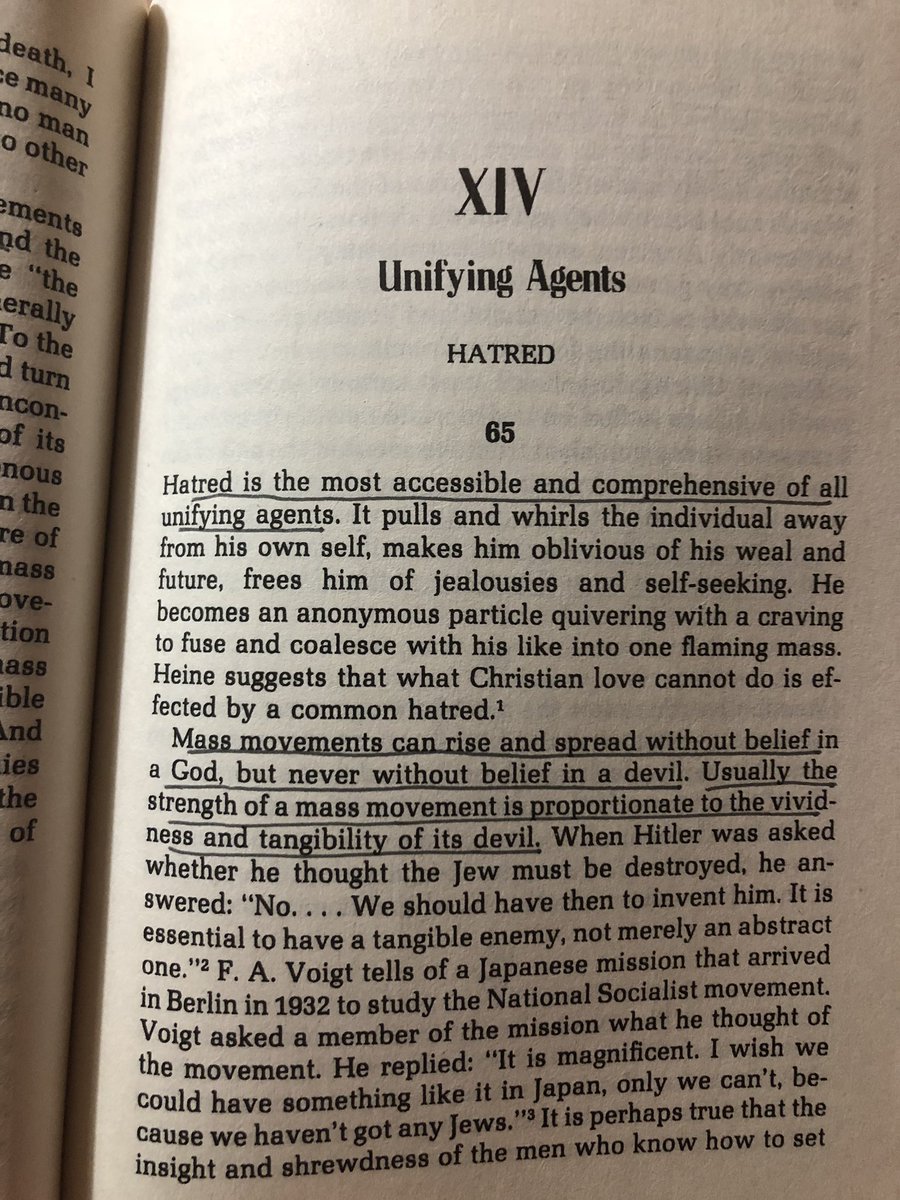
The True Believer by Eric Hoffer
https://t.co/uZT4kdhzvZ “Hatred is the most accessible and comprehensive of all unifying agents...Mass movements can rise and spread without belief in a God, but never without a believe in a devil.”
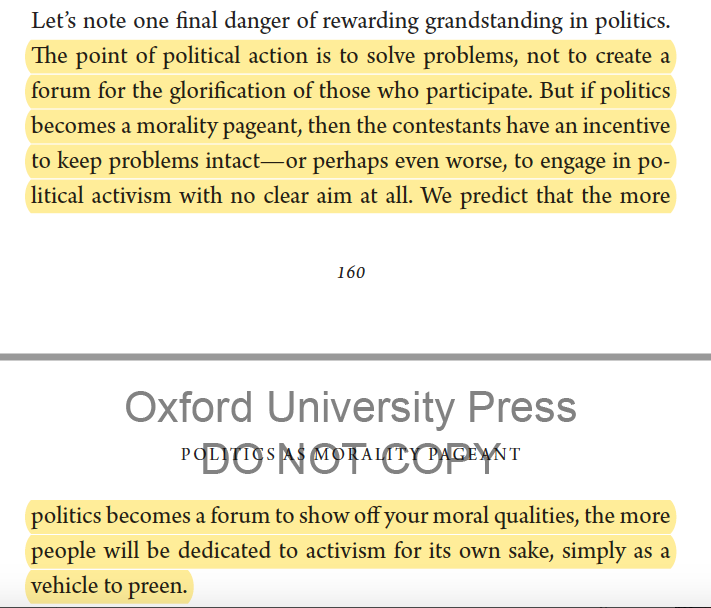
Grandstanding
https://t.co/4Of58AZUj8 "if politics becomes a morality pageant, then the contestants have an incentive to keep problems intact...politics becomes a forum to show off moral qualities...people will be dedicated to activism for its own sake, as a vehicle to preen"
Warriors and Worriers by Joyce Benenson
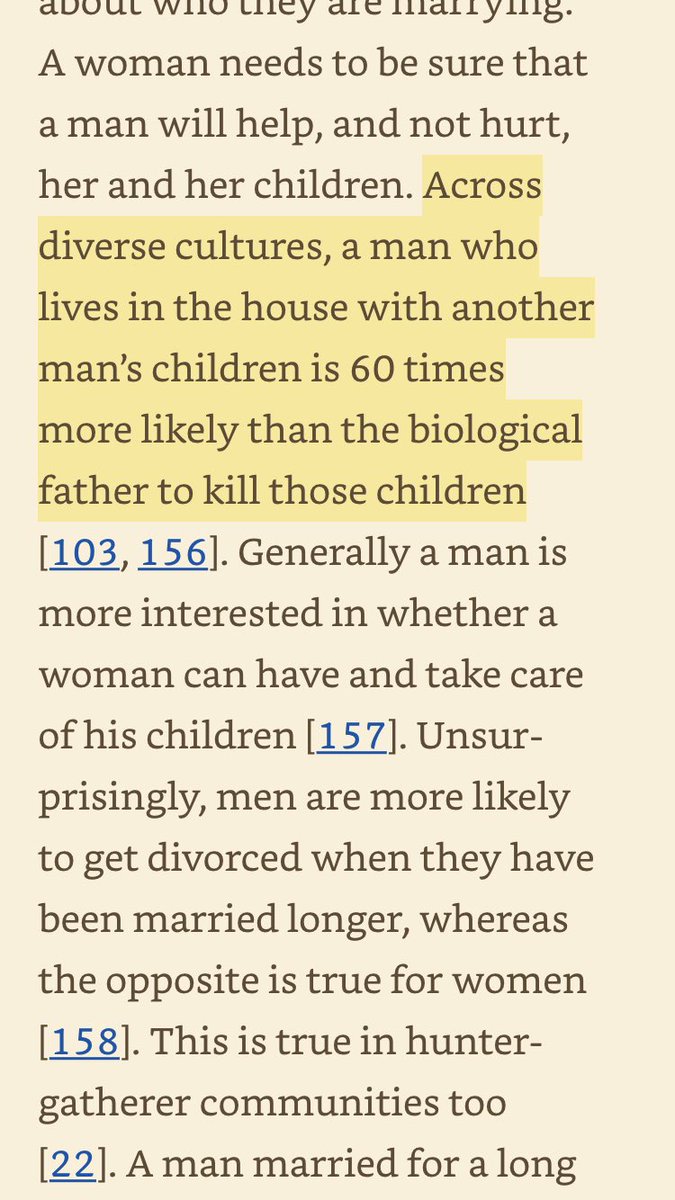
https://t.co/yLC4eGHEd4 “Across diverse cultures, a man who lives in the house with another man’s children is about 60 times more likely than the biological father to kill those children.”
Meditations on Violence
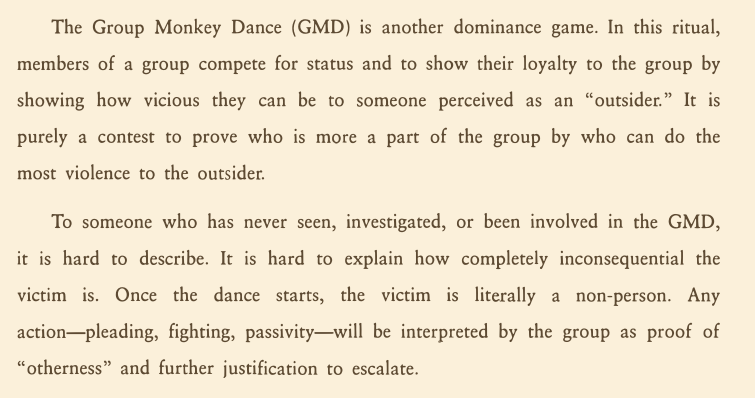
https://t.co/m2pQ60U06t "In this ritual, members of a group compete for status and show their loyalty by how vicious they can be to an 'outsider.' Pleading, fighting, passivity will be interpreted as proof of 'otherness' and justification to escalate."
Our Kids by Robert Putnam
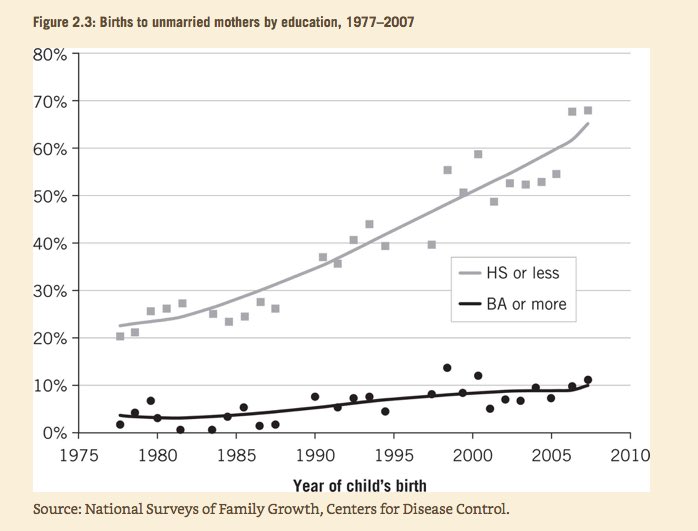
Children born to unmarried mothers
Upper class in 1977: 5%
Working class in 1977: 22%
Upper class in 2007: 10%
Working class in 2007: 65%
https://t.co/vuNcglkLs4
The Gulag Archipelago
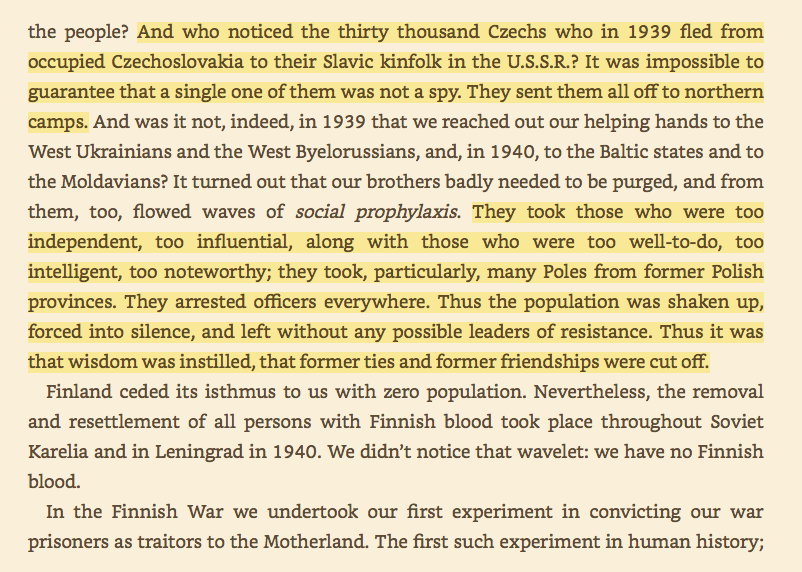
Soviet authorities purged those who were "too independent, too influential, along with those who were too well-to-do, too intelligent, too noteworthy...Thus the population was shaken up, forced into silence, left without any possible leaders of resistance"
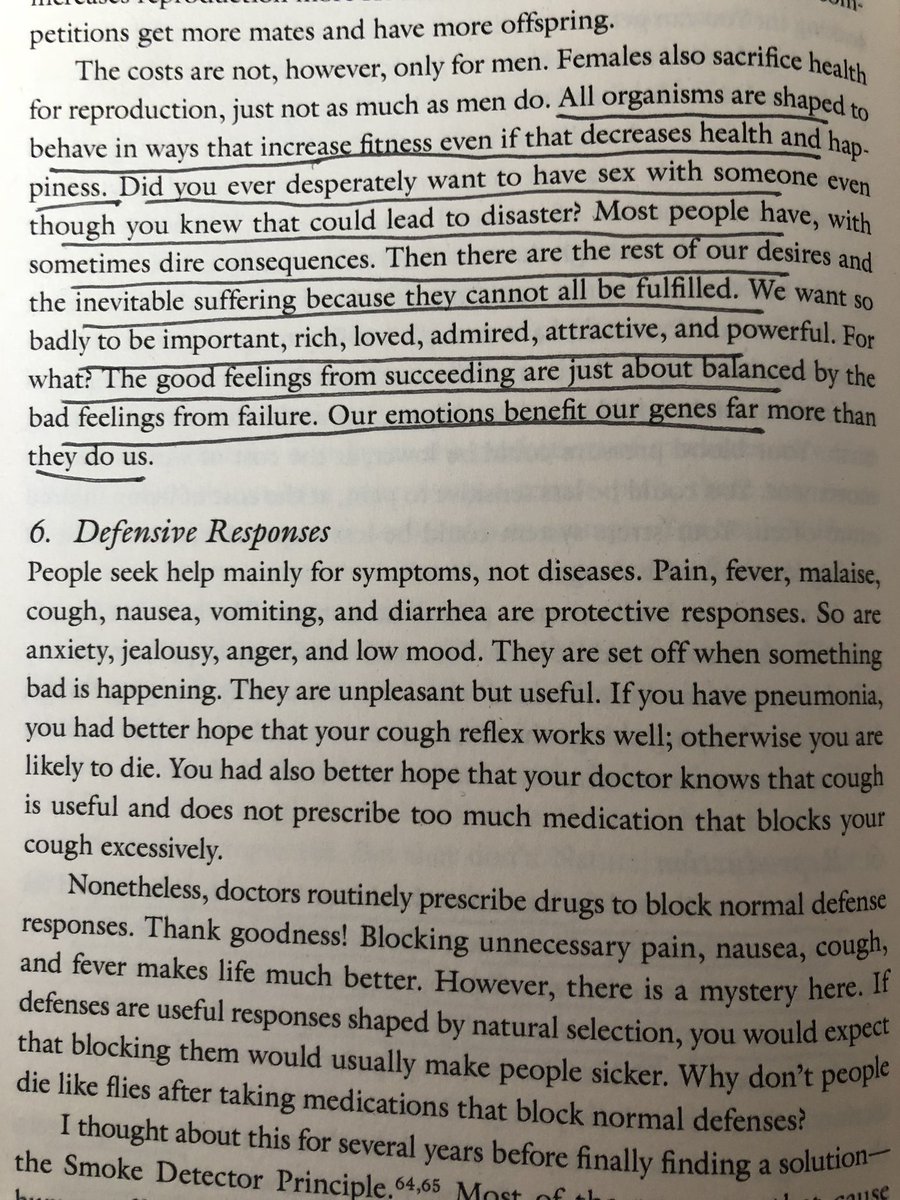
"All organisms are shaped to behave in ways that increase fitness even if that decreases health and happiness...Our emotions benefit our genes far more than they do us."
https://t.co/ZCYOj8b3m9
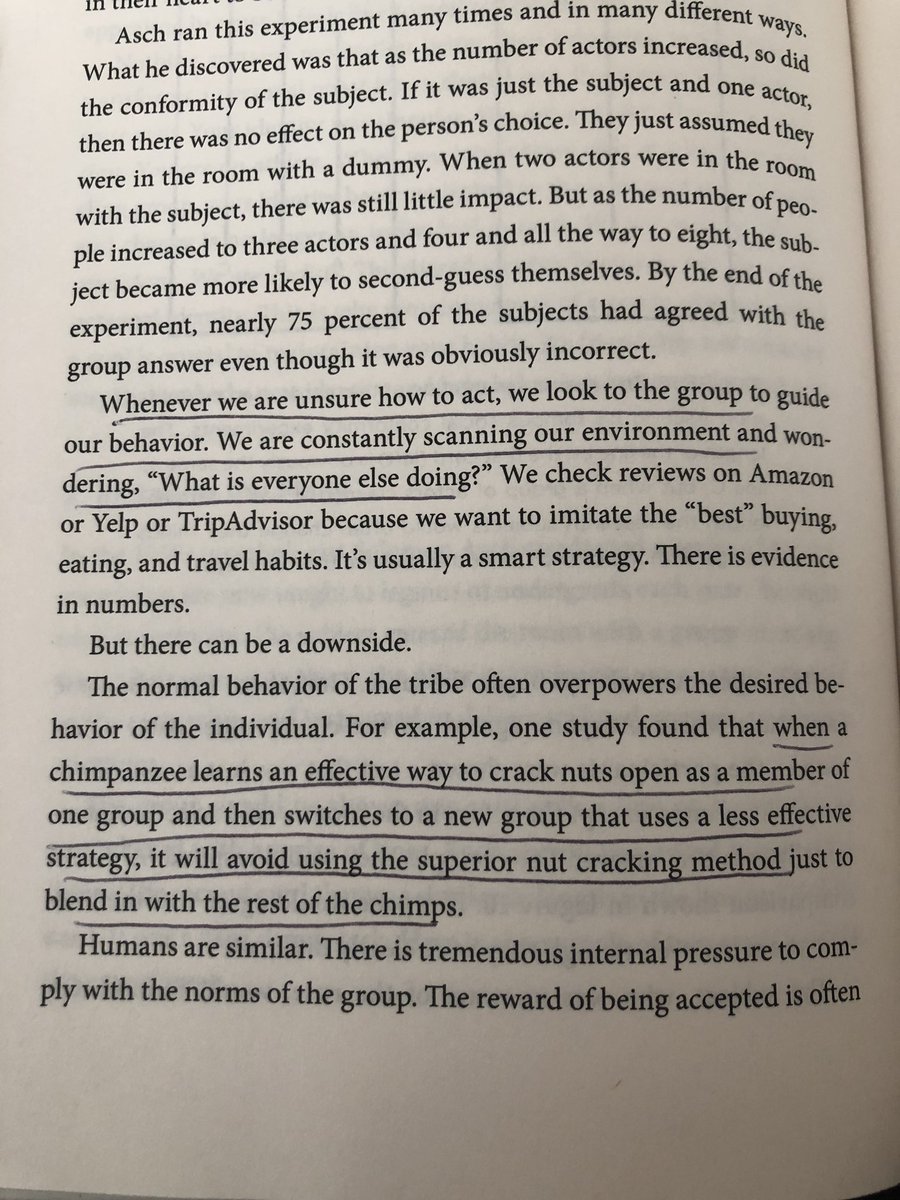
“when a chimpanzee learns an effective way to crack nuts open as a member of one group and then switches to a new group that uses a less effective strategy, it will avoid using the superior nut cracking method just to blend in with the rest of the chimps”
https://t.co/rHqCFPsvnr
The Evolution of Desire by
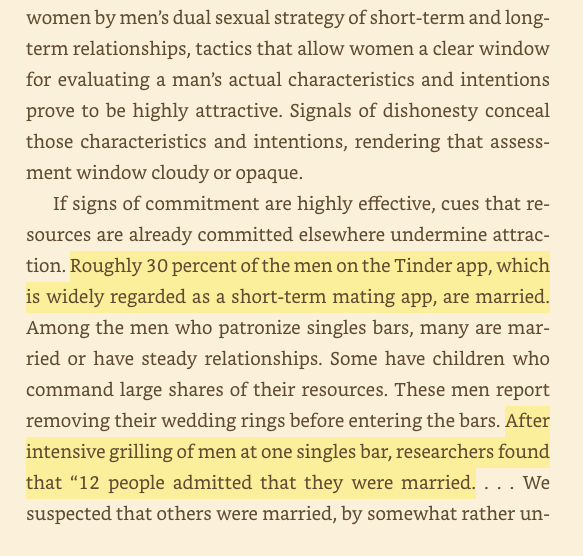
@ProfDavidBuss “Roughly 30 percent of men on the Tinder app, which is widely regarded as a short-term mating app, are married.”
https://t.co/mGdno8kzhe
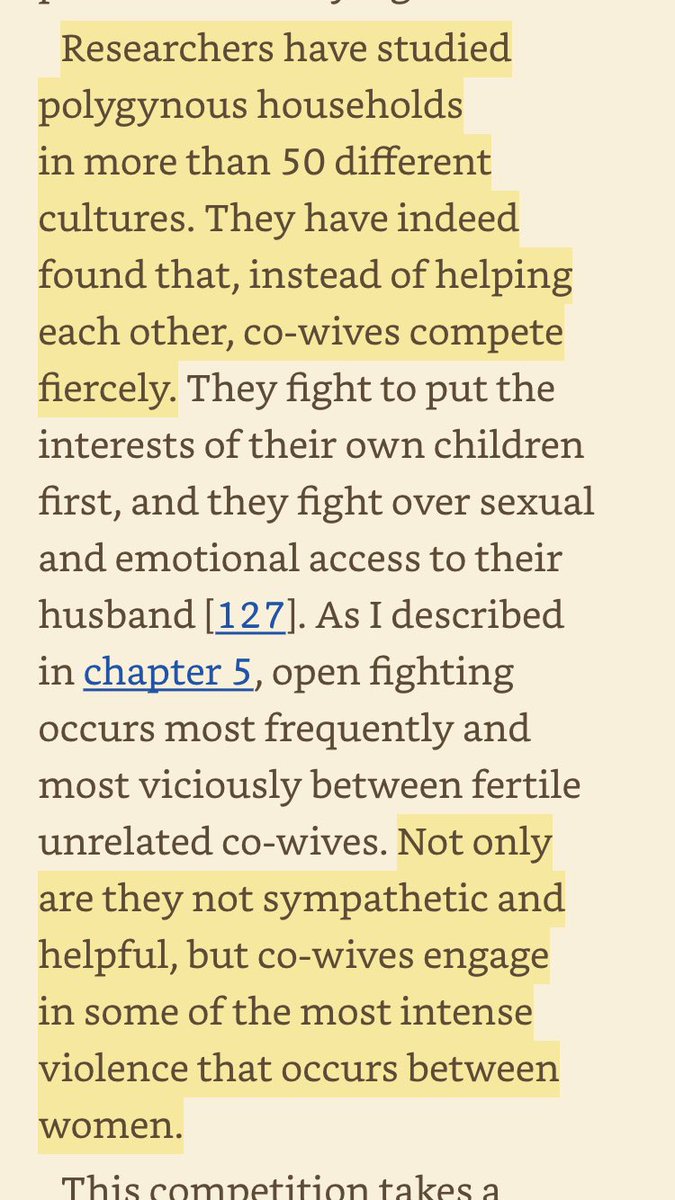
“Researchers studied polygynous households in more than 50 different cultures..co-wives engage in some of the most intense violence that occurs between women..A woman and her children do better when she is in a strong monogamous relationship with a man”
https://t.co/yLC4eGHEd4
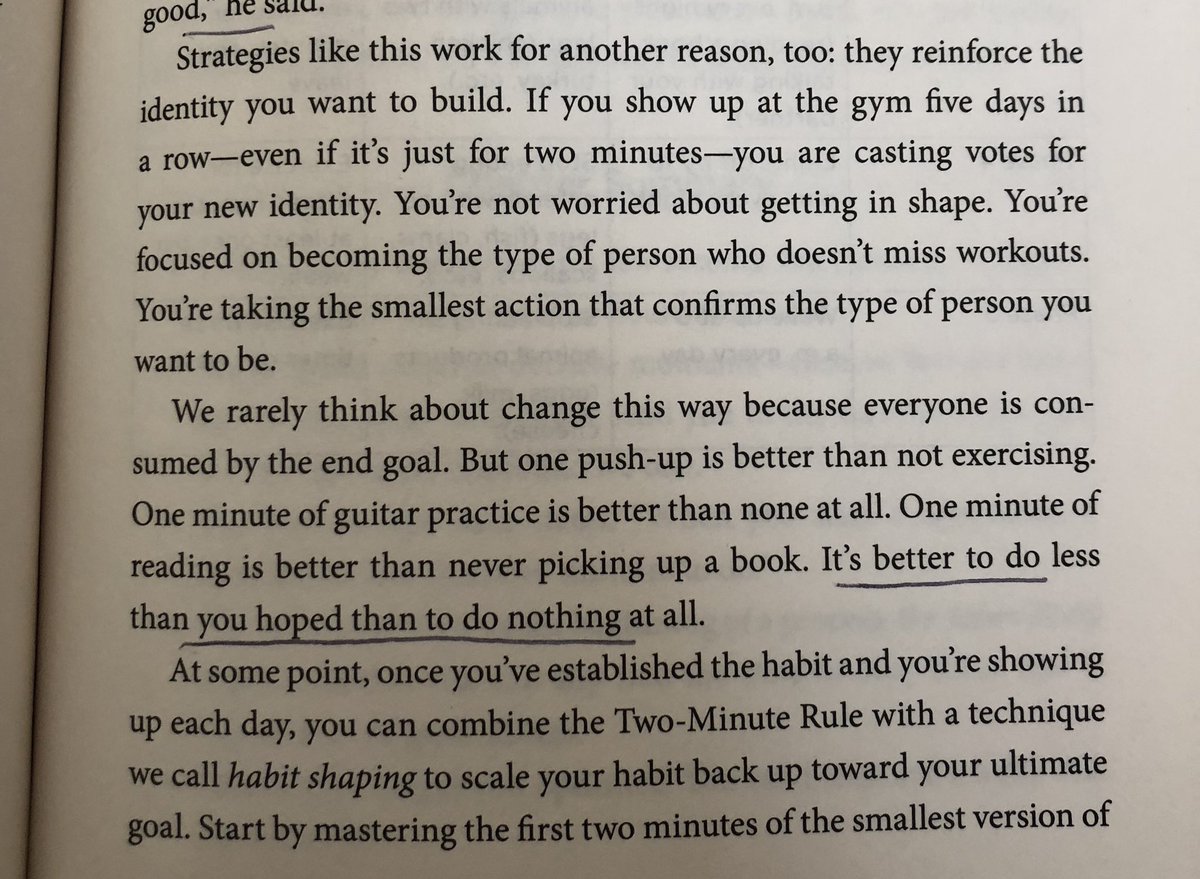
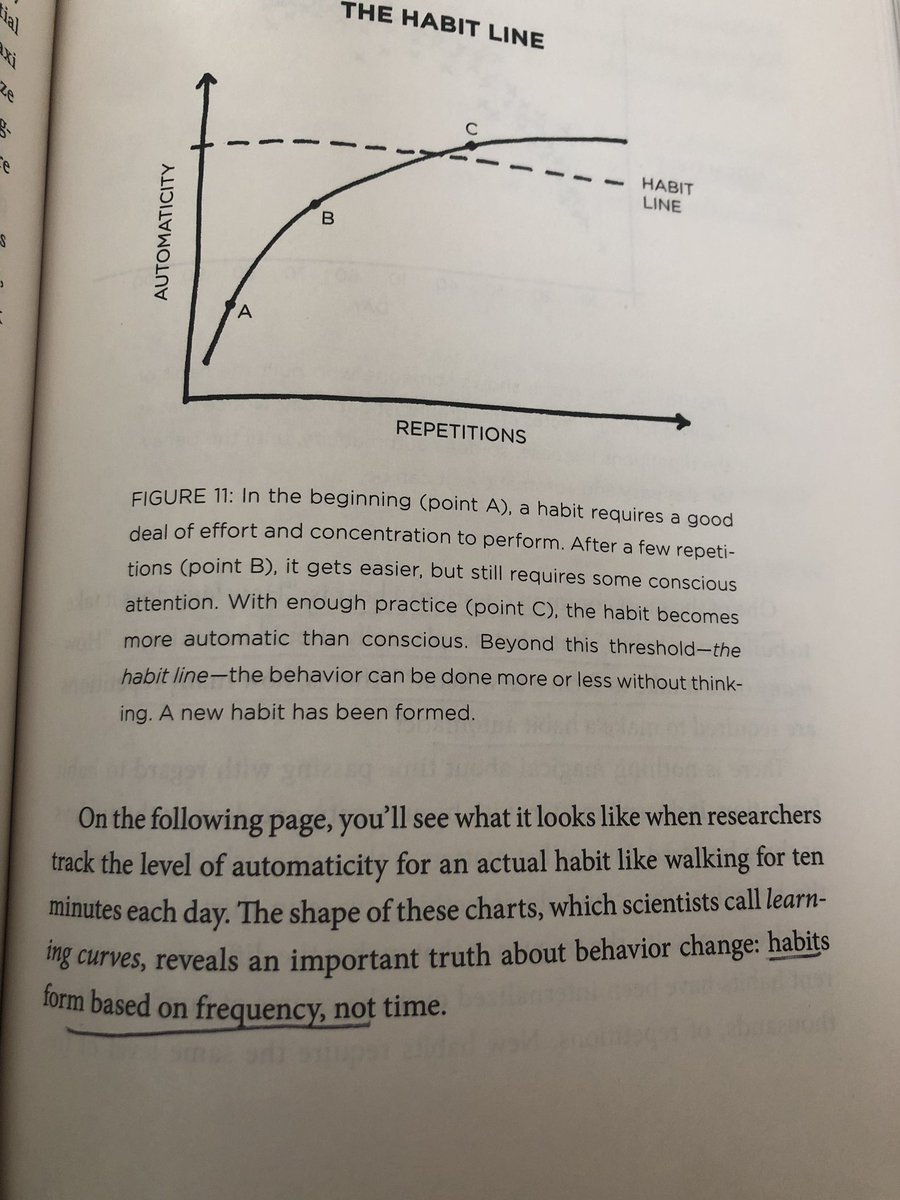
“habits form based on frequency, not time. One common question is ‘How long does it take to build a new habit?’ But what people should be asking is ‘How many does it take to form a new habit?’ That is, how many repetitions are required?”
https://t.co/rHqCFPsvnr
Suicide by
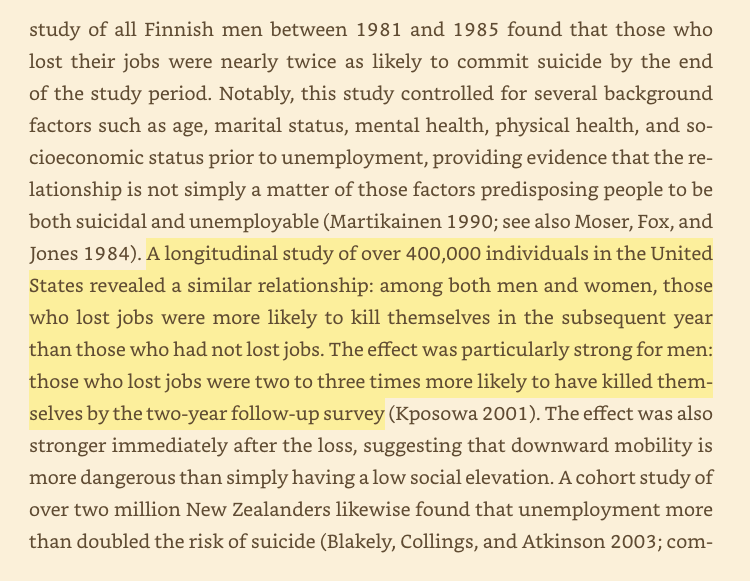
@sociologyWV https://t.co/FITh22fWCv "those who lost jobs were more likely to kill themselves in the subsequent year than those who had not lost jobs...effect was particularly strong for men: those who lost jobs were 2-3 times more likely to have killed themselves"
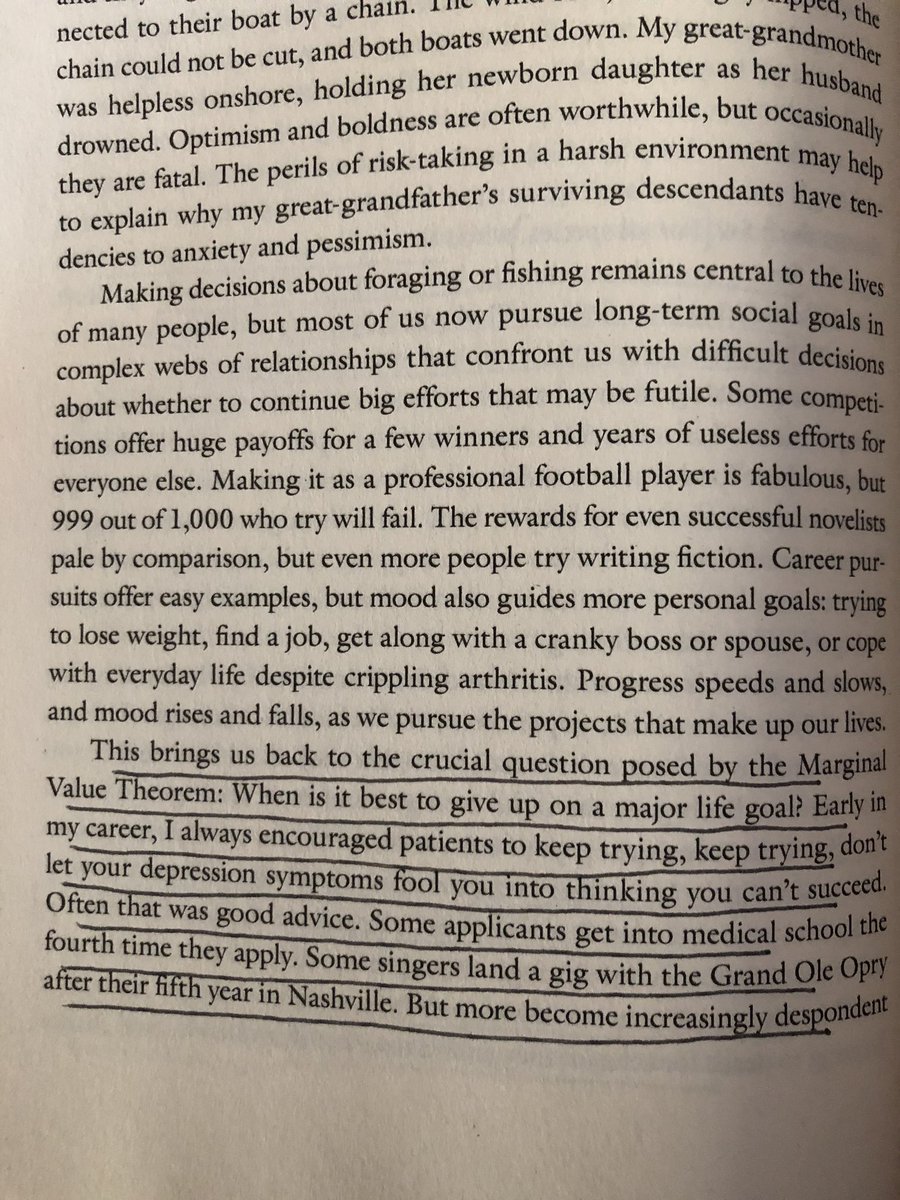
“The standard way to tell it a drug will be an effective antidepressant is to see if it makes an animal persist in useless efforts. The Porsolt test measures how long a rat swims when dropped in a beaker of water. Rats on Prozac swim longer.”
https://t.co/9OPv2ynLVj
The Black Swan
"Luck is the grand equalizer..If ppl were rewarded strictly according to abilities, things would still be unfair—ppl don't choose their abilities. Randomness has the beneficial effect of shuffling society's cards, knocking down the big guy"
https://t.co/l8xMNxlK9k