Amsterdam kitchens are tiny, partly because most Dutch food is made on the floor, using an axe, a cudgel and a spade, which is used to scoop the meal into the pan. The work surfaces are just big enough for two drinks, a bowl of peanuts and the New Testament.

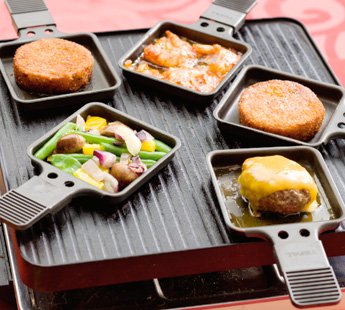
Even outside their tiny kitchens, the Dutch are very fond of using tiny cooking utensils. Possibly because it makes them feel like giants, sitting down to a feast. This custom is — wholly inaptly, because the taste is foul — referred to as "gourmetten".
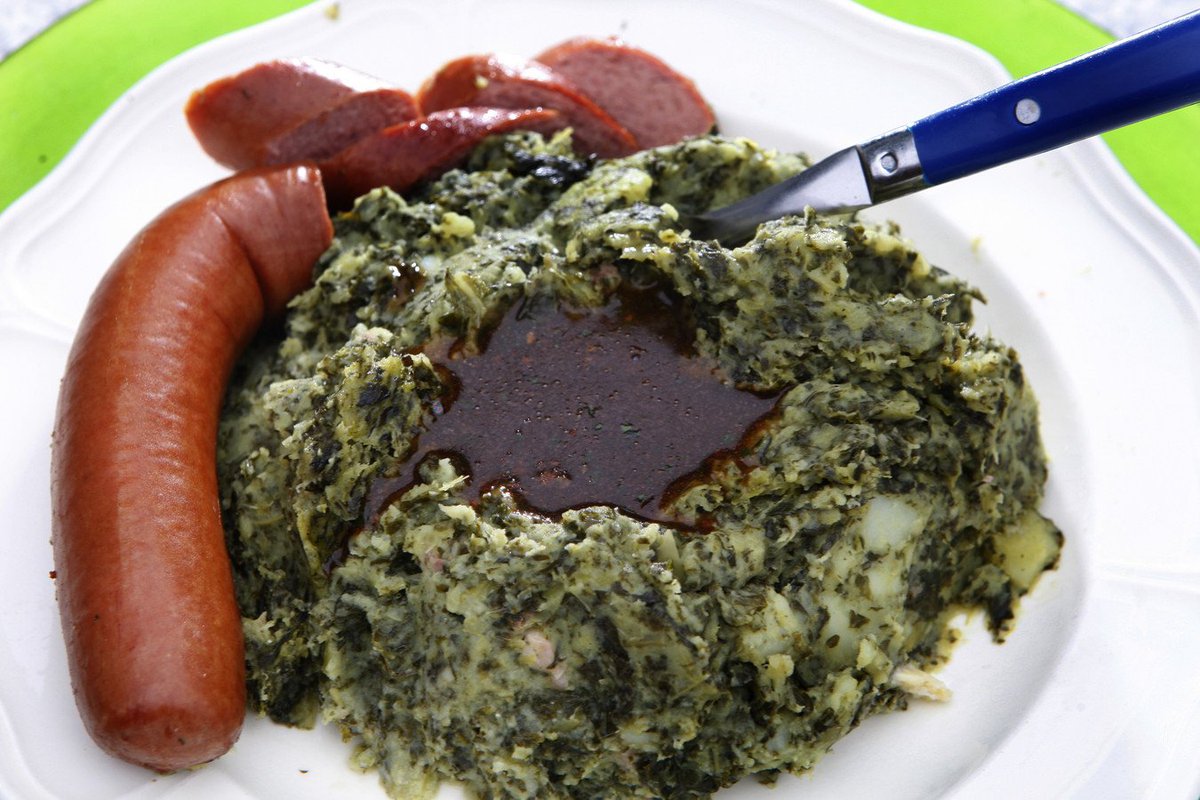
The Dutch invented "kale" because nothing else would grow in our godforsaken polders. But we don't call it "kale", we call it "kool", which is kooler than cool. We mix it with mashed potatoes, otherwise it tastes like plant-shaped fart, and we eat it with sausage made of skaters.
If you would like to know more about other Great Dutch Culinary Traditions, feel free to throw suggestions at me below.
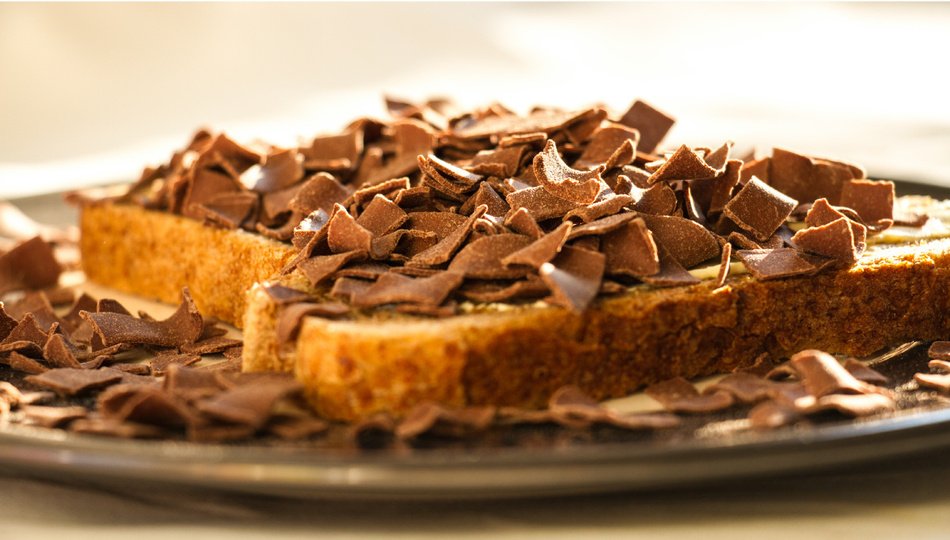
Dutch people love eating chocolate sprinkles and flakes on buttered bread. This tradition arose as a practical solution for our butter and milk surplus, which was accompanied by a shitload of cow dung. Mix all these ingredients with a little cocoa and you get "choco-vlokken".
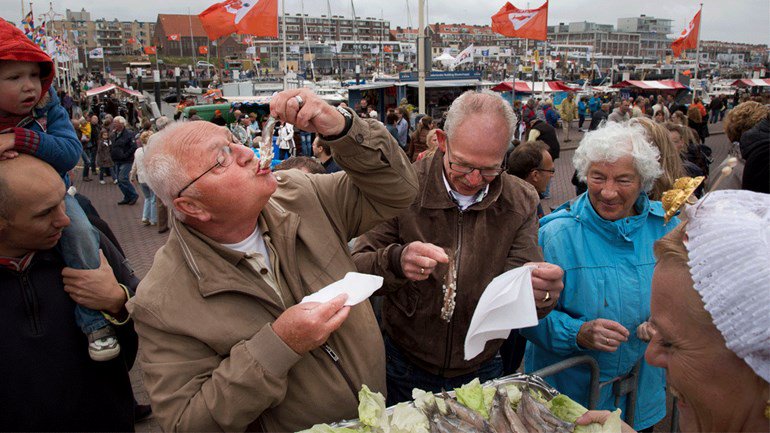
The Dutch eat their herring raw, because they know that fish is at its most tender just before it starts rotting. Dutch herring is served with raw onions and gherkin to mask the rotten scent as the fish passes your nose on its way down your throat.
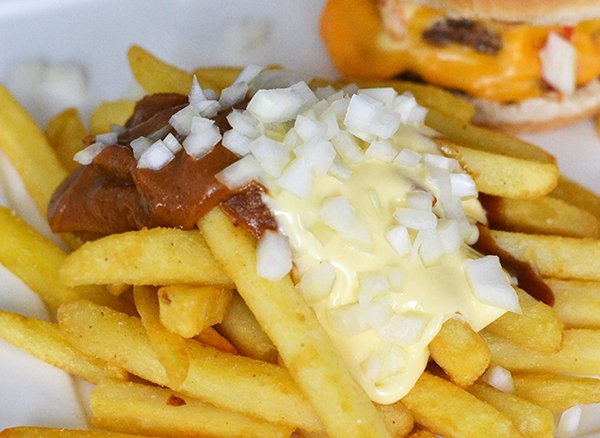
The Dutch eat their chips with mayonnaise, because we were long ruled by the inventors of mayonnaise. If we'd been ruled by the Romans, tomatoes would've been introduced earlier and we might have preferred ketchup. War has always been a key ingredient, hence "patatje oorlog".
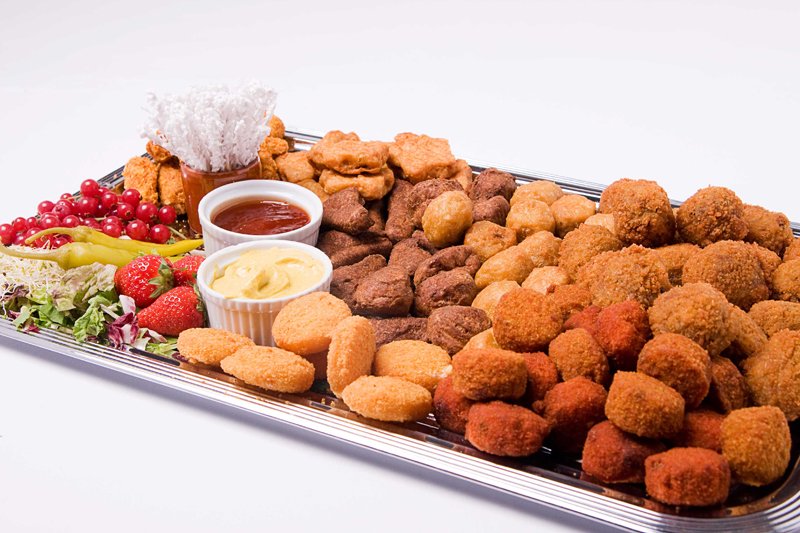
On Friday's the Dutch gather for a "borrel", which is like sundowners for people who never see the sun. After an hour of drinking, a tray of nondescript snacks is served, by which time no one cares what these snacks contain, as long as it's dead, dipped in batter and deep-fried.
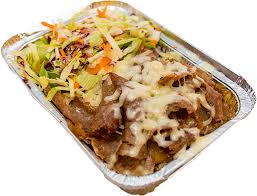
"Kapsalon" is a Dutch dish combining the most unhealthy ingredients that various culinary cultures have to offer. A layer of French fries is topped with a layer of shawarma, topped with lettuce, heavily doused with garlic sauce and hot sauce, covered with molten cheese.
"Kapsalon" is Dutch for hairdressing salon or barbershop. Free free to share your thoughts on the origin of this name.
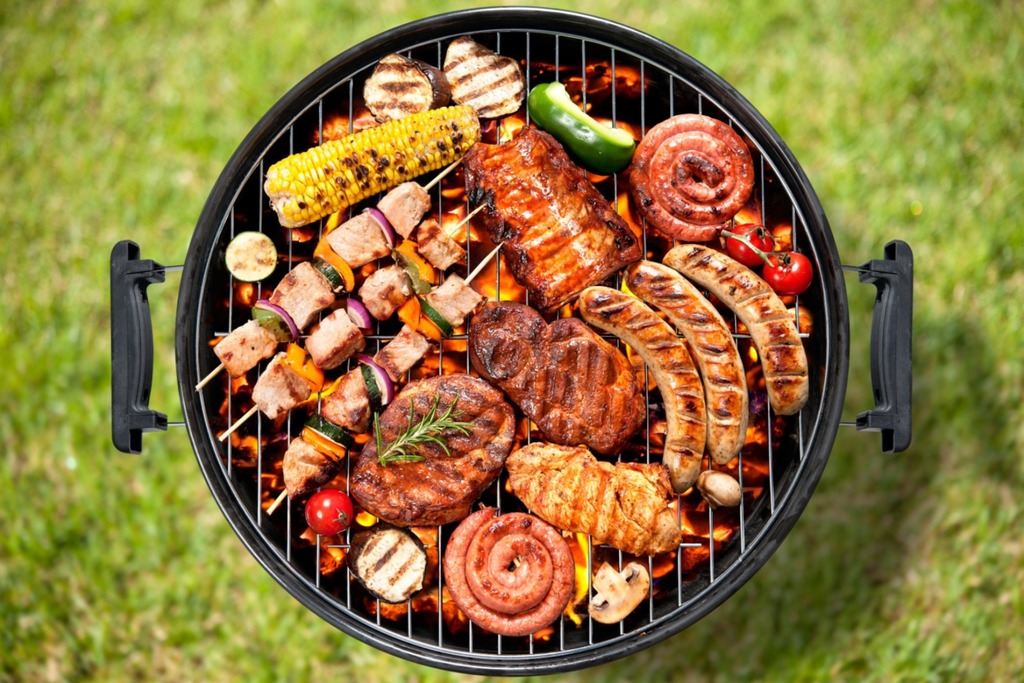
Dutch people are very fond of animals and they express this by barbecuing meat as badly as possible to ensure that people want to eat as few animals as possible. Dutch people will make a fire, wait for the flames to die down and will then put all the meat on the grill at once.
People in any other country will be horrified by the above picture, but most Dutch people will see nothing wrong, shrug and say: "Where are the sausjes?" Because all Dutch barbecue meat must be dipped in sauces, otherwise it is unfit for human consumption.
Sometimes Dutch people, upon hearing that I grew up in South Africa, will ask me to "save their barbecue", to which I invariably reply that I would've had to start three days before, buying and marinating the meat in order to protect it from the horrors of their infernal Weber.
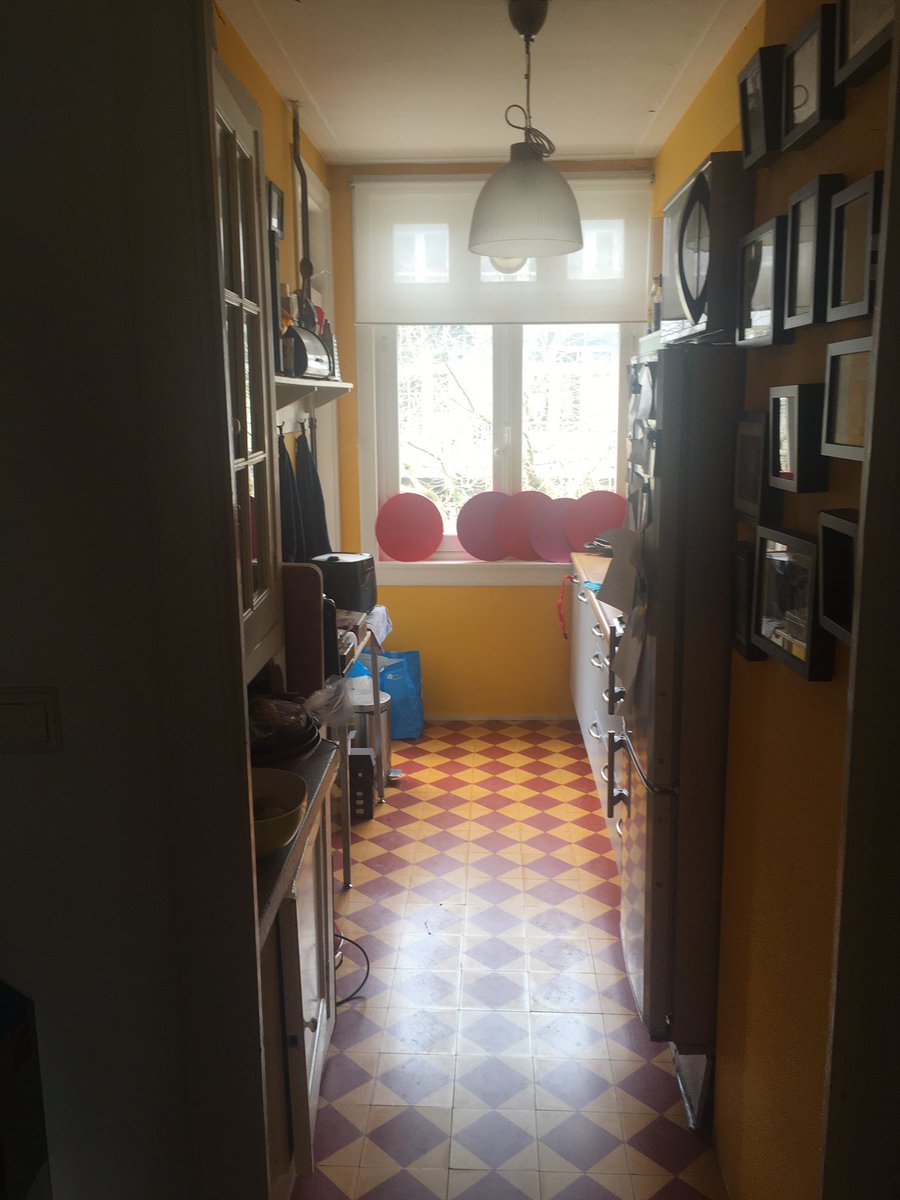
This is our kitchen in Amsterdam, which is little more than a passage to the balcony, cluttered with kitchen equipment and utensils. There is enough room in there to work side by side, if you’re into masochism and love doing what you’re told.
One of the great mysteries of Dutch cuisine is that our pirate ancestors colonised and pillaged the world, ostensibly to “corner the spice trade”, but somehow managed to avoid getting any spices into traditional dishes.
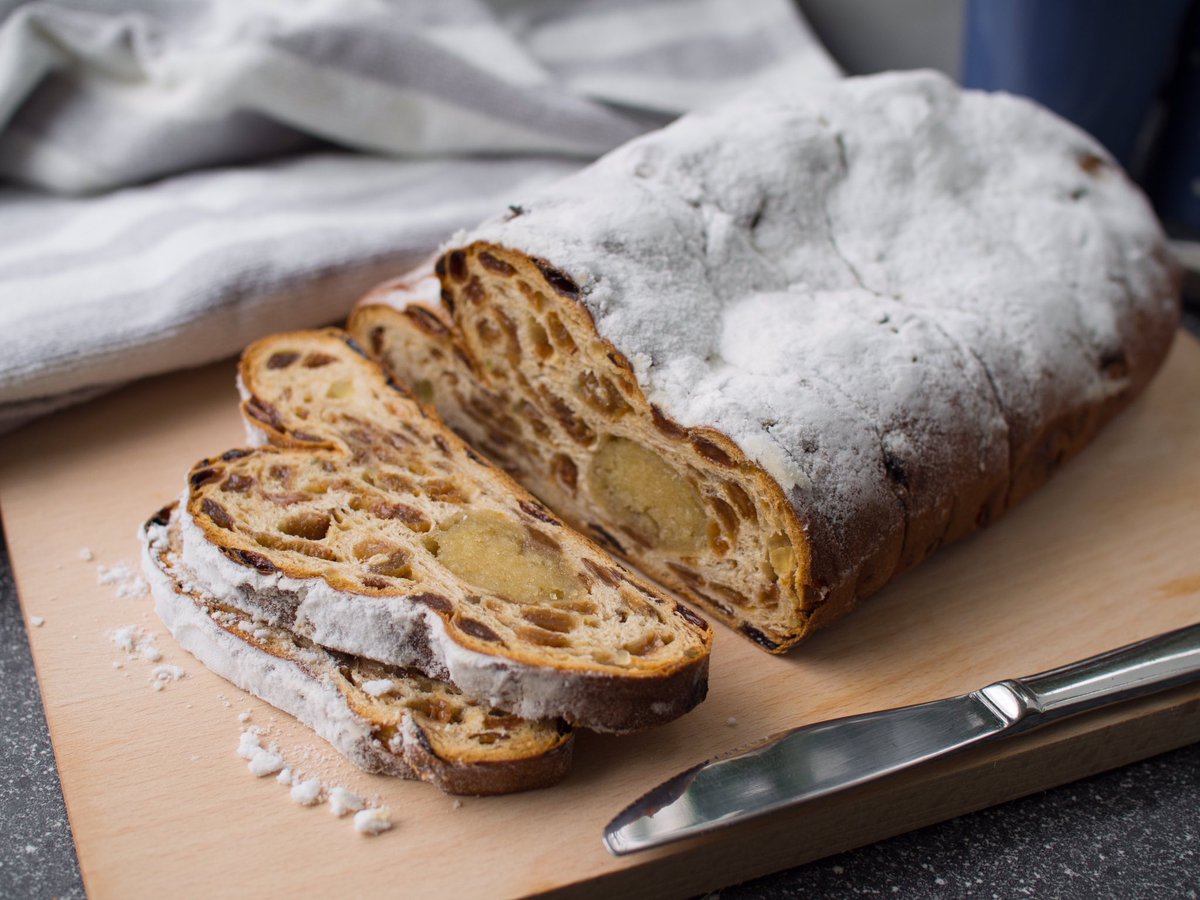
This is “kerststol” (Christmas clot) a traditional Dutch delicacy eaten at Christmas and Easter (“paasstol”). By law, the Dutch are only allowed to eat marzipan and powdered sugar between Christmas and Easter, otherwise their combined weight would cause the country to subside.
For a brief period around 1736, the transportation of any almond-based goods was punishable by death, which is when the Dutch began smuggling marzipan in their fruitcake. The marzipan bolus was hidden to one side to trick inspectors prodding their search stick into the cake.
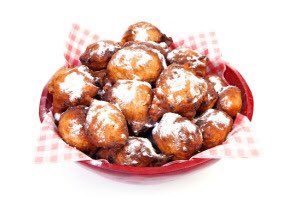
These are “oliebollen” (oily balls), which are only eaten on New Year’s Eve when alcohol abuse has ensured that the Dutch have lost the last remnants of decorum and good taste. The balls are made by dropping a box into the canal and then mushing the wet cardboard up into balls...
...five or six raisins are jabbed into the cardboard, after which it is deep-fried and dusted with powder sugar to disguise the horror of the oily bolus that lurks beneath the snow. Once you have eaten the “oliebol” it immediately starts expanding, looking for the nearest exit.
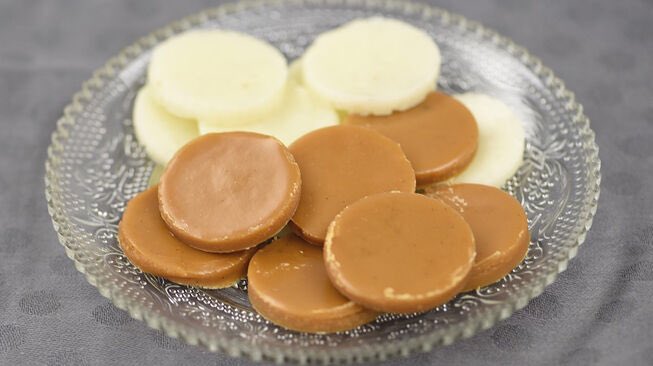
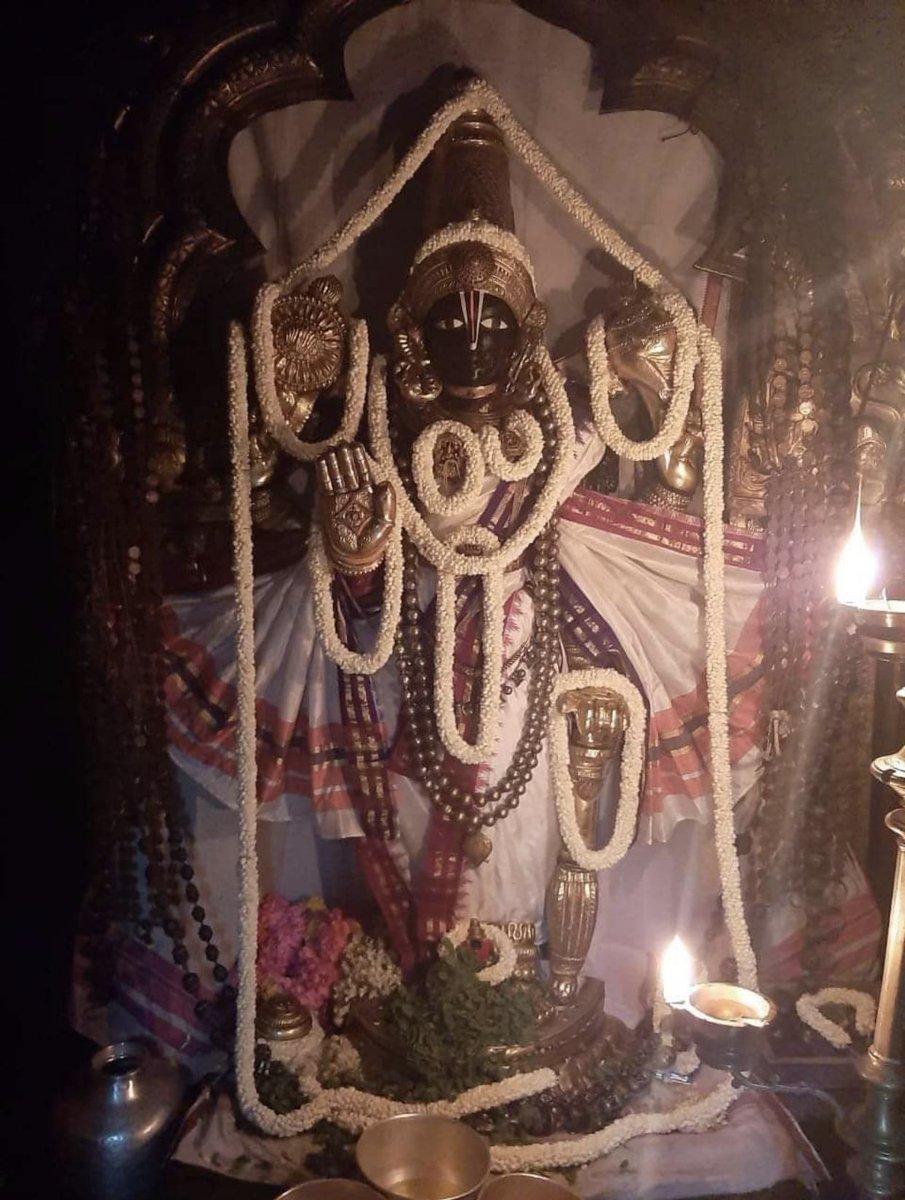
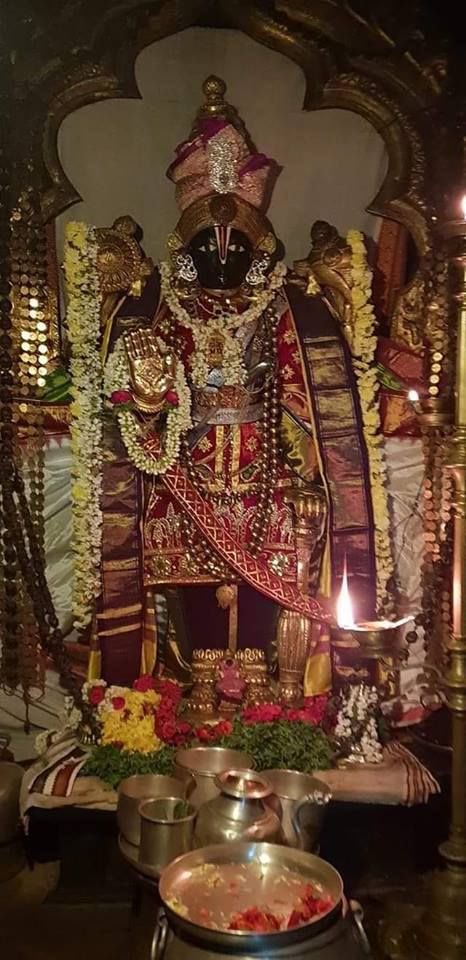
“Borstplaat” (breastplate, tablet) is arguably the only tasty Dutch delicacy, which is why it is only available a couple of days a year. Traditionally, the Dutch set aside any sugar they saved by lying to guests that they didn’t have any, using it to make “borstplaat” in winter.

You May Also Like

॥ॐ॥
अस्य श्री गायत्री ध्यान श्लोक:
(gAyatri dhyAna shlOka)
• This shloka to meditate personified form of वेदमाता गायत्री was given by Bhagwaan Brahma to Sage yAgnavalkya (याज्ञवल्क्य).

• 14th shloka of गायत्री कवचम् which is taken from वशिष्ठ संहिता, goes as follows..


• मुक्ता-विद्रुम-हेम-नील धवलच्छायैर्मुखस्त्रीक्षणै:।
muktA vidruma hEma nIla dhavalachhAyaiH mukhaistrlkShaNaiH.

• युक्तामिन्दुकला-निबद्धमुकुटां तत्वार्थवर्णात्मिकाम्॥
yuktAmindukalA nibaddha makutAm tatvArtha varNAtmikam.

• गायत्रीं वरदाभयाङ्कुश कशां शुभ्रं कपालं गदाम्।
gAyatrIm vardAbhayANkusha kashAm shubhram kapAlam gadAm.

• शंखं चक्रमथारविन्दयुगलं हस्तैर्वहन्ती भजै॥
shankham chakramathArvinda yugalam hastairvahantIm bhajE.

This shloka describes the form of वेदमाता गायत्री.

• It says, "She has five faces which shine with the colours of a Pearl 'मुक्ता', Coral 'विद्रुम', Gold 'हेम्', Sapphire 'नील्', & a Diamond 'धवलम्'.

• These five faces are symbolic of the five primordial elements called पञ्चमहाभूत:' which makes up the entire existence.

• These are the elements of SPACE, FIRE, WIND, EARTH & WATER.

• All these five faces shine with three eyes 'त्रिक्षणै:'.
1/“What would need to be true for you to….X”

Why is this the most powerful question you can ask when attempting to reach an agreement with another human being or organization?

A thread, co-written by @deanmbrody:


2/ First, “X” could be lots of things. Examples: What would need to be true for you to

- “Feel it's in our best interest for me to be CMO"
- “Feel that we’re in a good place as a company”
- “Feel that we’re on the same page”
- “Feel that we both got what we wanted from this deal

3/ Normally, we aren’t that direct. Example from startup/VC land:

Founders leave VC meetings thinking that every VC will invest, but they rarely do.

Worse over, the founders don’t know what they need to do in order to be fundable.

4/ So why should you ask the magic Q?

To get clarity.

You want to know where you stand, and what it takes to get what you want in a way that also gets them what they want.

It also holds them (mentally) accountable once the thing they need becomes true.

5/ Staying in the context of soliciting investors, the question is “what would need to be true for you to want to invest (or partner with us on this journey, etc)?”

Multiple responses to this question are likely to deliver a positive result.
The chorus of this song uses the shlokas taken from Sundarkand of Ramayana.

It is a series of Sanskrit shlokas recited by Jambavant to Hanuman to remind Him of his true potential.

1. धीवर प्रसार शौर्य भरा: The brave persevering one, your bravery is taking you forward.


2. उतसारा स्थिरा घम्भीरा: The one who is leaping higher and higher, who is firm and stable and seriously determined.

3. ुग्रामा असामा शौर्या भावा: He is strong, and without an equal in the ability/mentality to fight

4. रौद्रमा नवा भीतिर्मा: His anger will cause new fears in his foes.

5.विजिटरीपुरु धीरधारा, कलोथरा शिखरा कठोरा: This is a complex expression seen only in Indic language poetry. The poet is stating that Shivudu is experiencing the intensity of climbing a tough peak, and likening

it to the feeling in a hard battle, when you see your enemy defeated, and blood flowing like a rivulet. This is classical Veera rasa.

6.कुलकु थारथिलीथा गम्भीरा, जाया विराट वीरा: His rough body itself is like a sharp weapon (because he is determined to win). Hail this complete

hero of the world.

7.विलयगागनथाला भिकारा, गरज्जद्धरा गारा: The hero is destructive in the air/sky as well (because he can leap at an enemy from a great height). He can defeat the enemy (simply) with his fearsome roar of war.