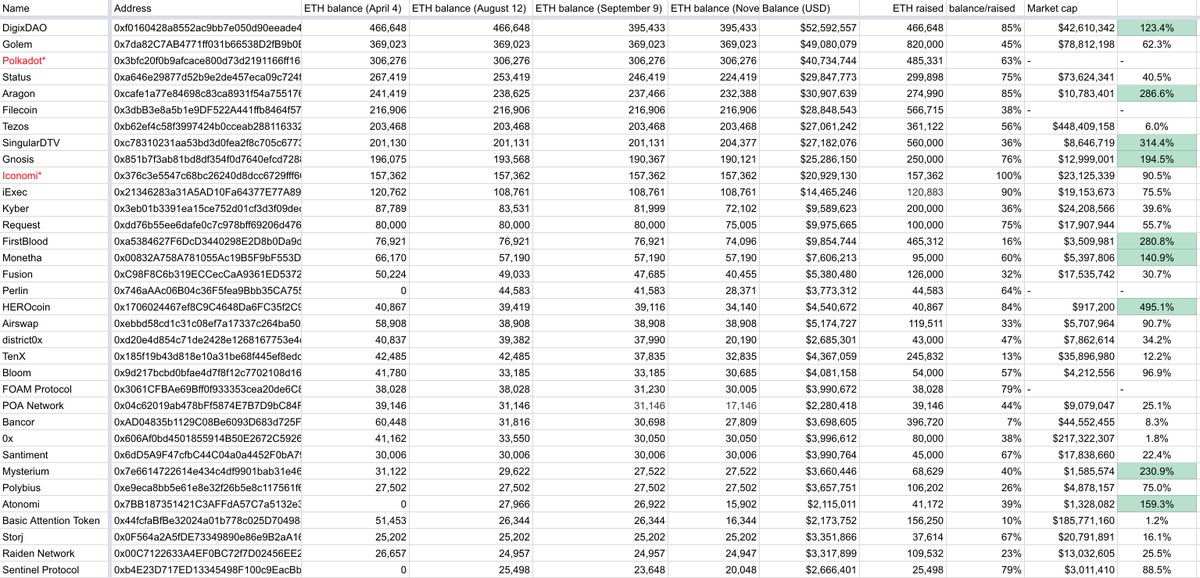
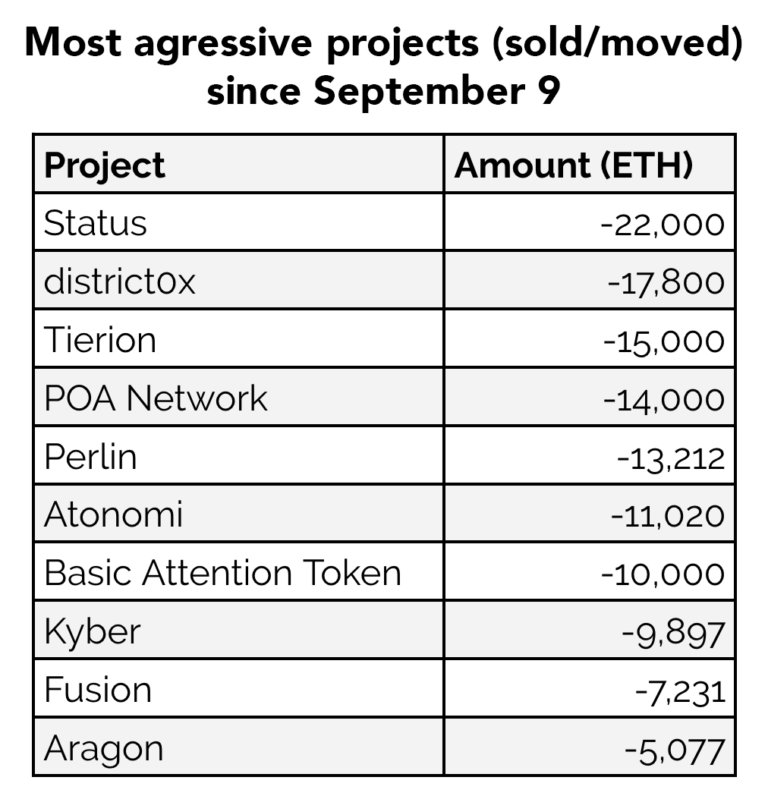
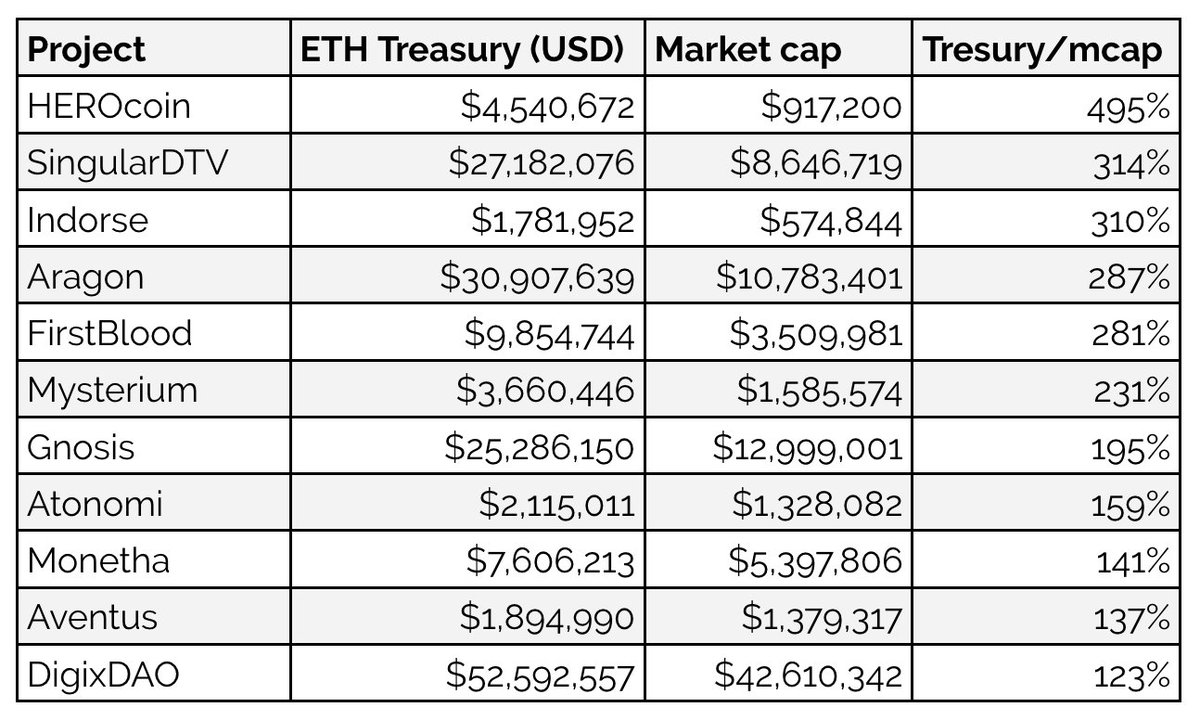
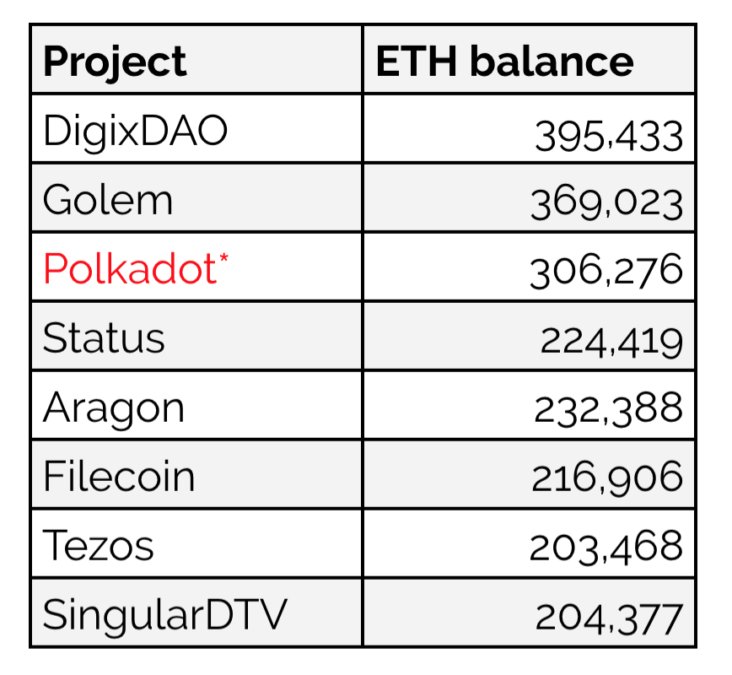
1/ ETH reached 18-month low today and there is this narrative that the price of is dropping because ICOs are liquidating their treasuries. Well, it’s completely wrong. Let’s look at the data!
https://t.co/yG0vecC7VT
More from Crypto




I've just read one of the most lucid, wide-ranging, cross-disciplinary critiques of cryptocurrency and blockchain I've yet to encounter. 1/
It comes from David "DSHR" Rosenthal, a distinguished technologist whose past achievements including helping to develop X11 and the core technologies for Nvidia.
https://t.co/tkAMShno4k 2/
Rosenthal's critique is a transcript of a lecture he gave to Stanford's EE380 class, adapted from a December 2021 talk for an investor conference. 3/
It is a bang-up-to-date synthesis of many of the critical writings on the subject, glued together with Rosenthal's own deep technical expertise. He calls it "Can We Mitigate Cryptocurrencies' Externalities?"
The presence of "externalities" in Rosenthal's title is key. 4/
Rosenthal identifies blockchainism's core ideology as emerging from "the libertarian culture of Silicon Valley and the cypherpunks," and states that "libertarianism's attraction is based on ignoring externalities."
This is an important critique of libertarianism. 5/
It comes from David "DSHR" Rosenthal, a distinguished technologist whose past achievements including helping to develop X11 and the core technologies for Nvidia.
https://t.co/tkAMShno4k 2/
Rosenthal's critique is a transcript of a lecture he gave to Stanford's EE380 class, adapted from a December 2021 talk for an investor conference. 3/
It is a bang-up-to-date synthesis of many of the critical writings on the subject, glued together with Rosenthal's own deep technical expertise. He calls it "Can We Mitigate Cryptocurrencies' Externalities?"
The presence of "externalities" in Rosenthal's title is key. 4/
Rosenthal identifies blockchainism's core ideology as emerging from "the libertarian culture of Silicon Valley and the cypherpunks," and states that "libertarianism's attraction is based on ignoring externalities."
This is an important critique of libertarianism. 5/

A primer on how to use @coingecko for your crypto data/research/trading needs.
Share it with a friend who needs it!
1/ Getting started with crypto and want to check prices/projects? https://t.co/LFnk4vukxj has info on just about every crypto you'll need :)
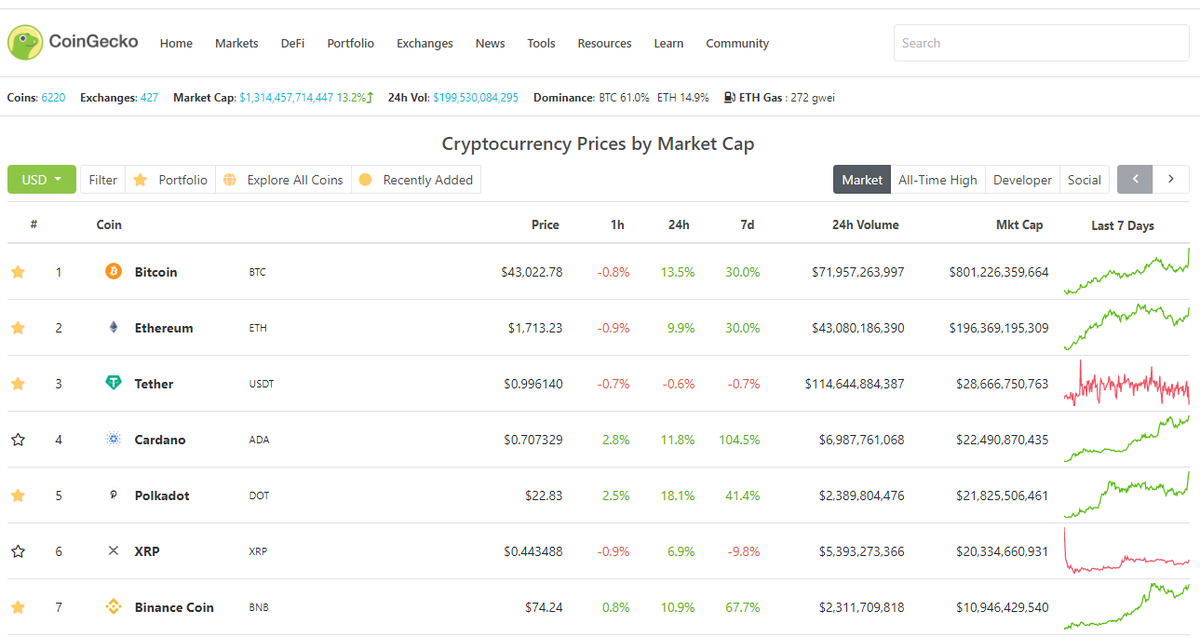
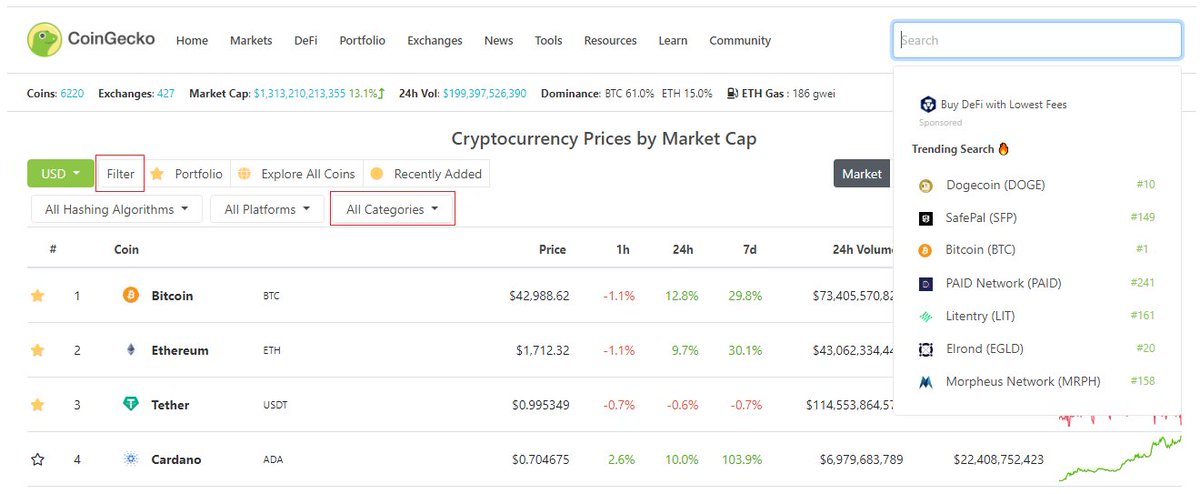
2/ Search over 6000+ cryptocurrencies available on the market. You can see what's trending in the space as well.
Researching by categories? Filter (left side) -> Select categories -> DeFi, DOT ecosystem, Exchange-based tokens, NFTs - anything!
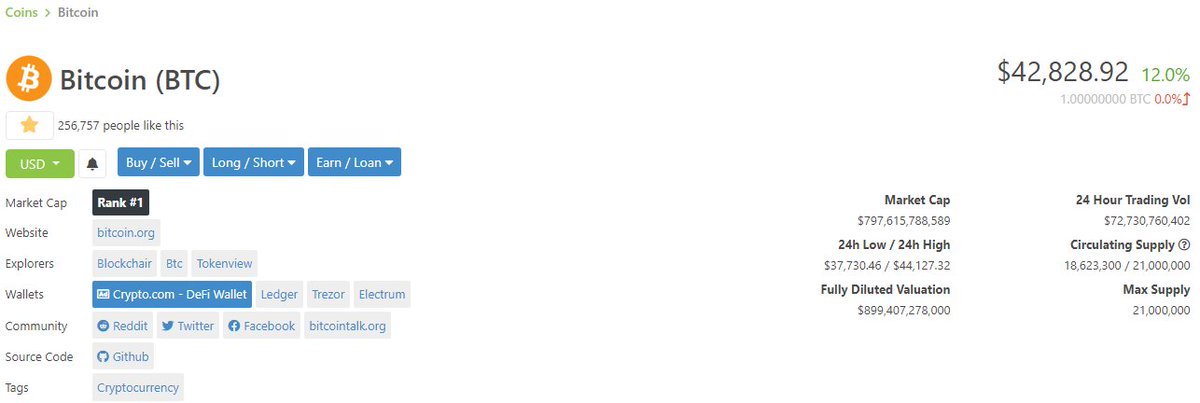
3/ Lets say you're looking at #Bitcoin https://t.co/g205lj03pG
At a glance you get:
- Price
- Mkt Capitalization (valuation)
- Circulating/Total supply
- 24h trading volume
- Links to websites, social media, block explorers
- Calculator
Next - check valuation?
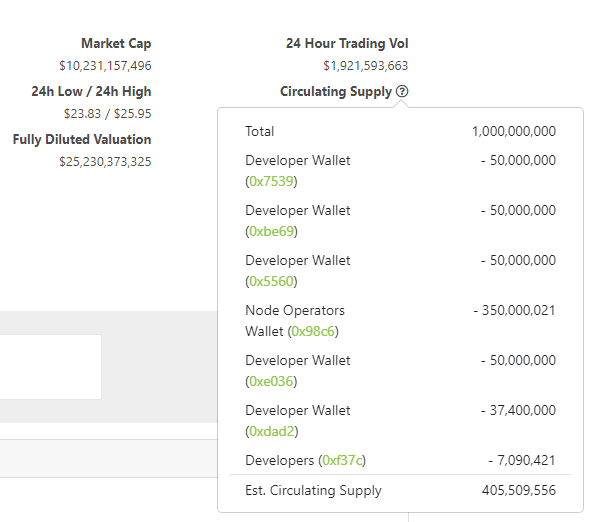
4/ Market cap is used to rank coins, and we'll show you how its calculated - Hover over Circulating Supply (?) for breakdown.
Note: used @chainlink as example here - https://t.co/Jc46fe79Ag
While MC is important also consider product fit, narrative, team, community etc.
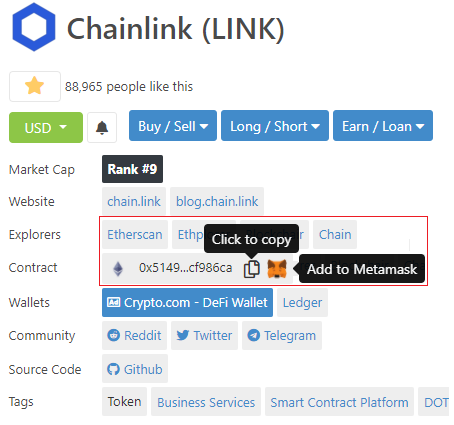
5/ If you're trading on AMMs like @Uniswap or @SushiSwap, you can copy the contract address directly to your clipboard.
Using @metamask_io? Add the token directly so it shows as one of the "Assets" that you own in the wallet.
See: https://t.co/94XihMf5oz
Share it with a friend who needs it!
1/ Getting started with crypto and want to check prices/projects? https://t.co/LFnk4vukxj has info on just about every crypto you'll need :)
2/ Search over 6000+ cryptocurrencies available on the market. You can see what's trending in the space as well.
Researching by categories? Filter (left side) -> Select categories -> DeFi, DOT ecosystem, Exchange-based tokens, NFTs - anything!
3/ Lets say you're looking at #Bitcoin https://t.co/g205lj03pG
At a glance you get:
- Price
- Mkt Capitalization (valuation)
- Circulating/Total supply
- 24h trading volume
- Links to websites, social media, block explorers
- Calculator
Next - check valuation?
4/ Market cap is used to rank coins, and we'll show you how its calculated - Hover over Circulating Supply (?) for breakdown.
Note: used @chainlink as example here - https://t.co/Jc46fe79Ag
While MC is important also consider product fit, narrative, team, community etc.
5/ If you're trading on AMMs like @Uniswap or @SushiSwap, you can copy the contract address directly to your clipboard.
Using @metamask_io? Add the token directly so it shows as one of the "Assets" that you own in the wallet.
See: https://t.co/94XihMf5oz
Introducing an effortless way to add tokens to your @metamask_io wallet \U0001f4e5
— CoinGecko (@coingecko) February 8, 2021
Skip the hassle of copying/pasting contract addresses to your wallet. Add an asset and it'll appear in your wallet with just a click - tap the \U0001f98a and try it out for yourself! pic.twitter.com/u26BA29ubs