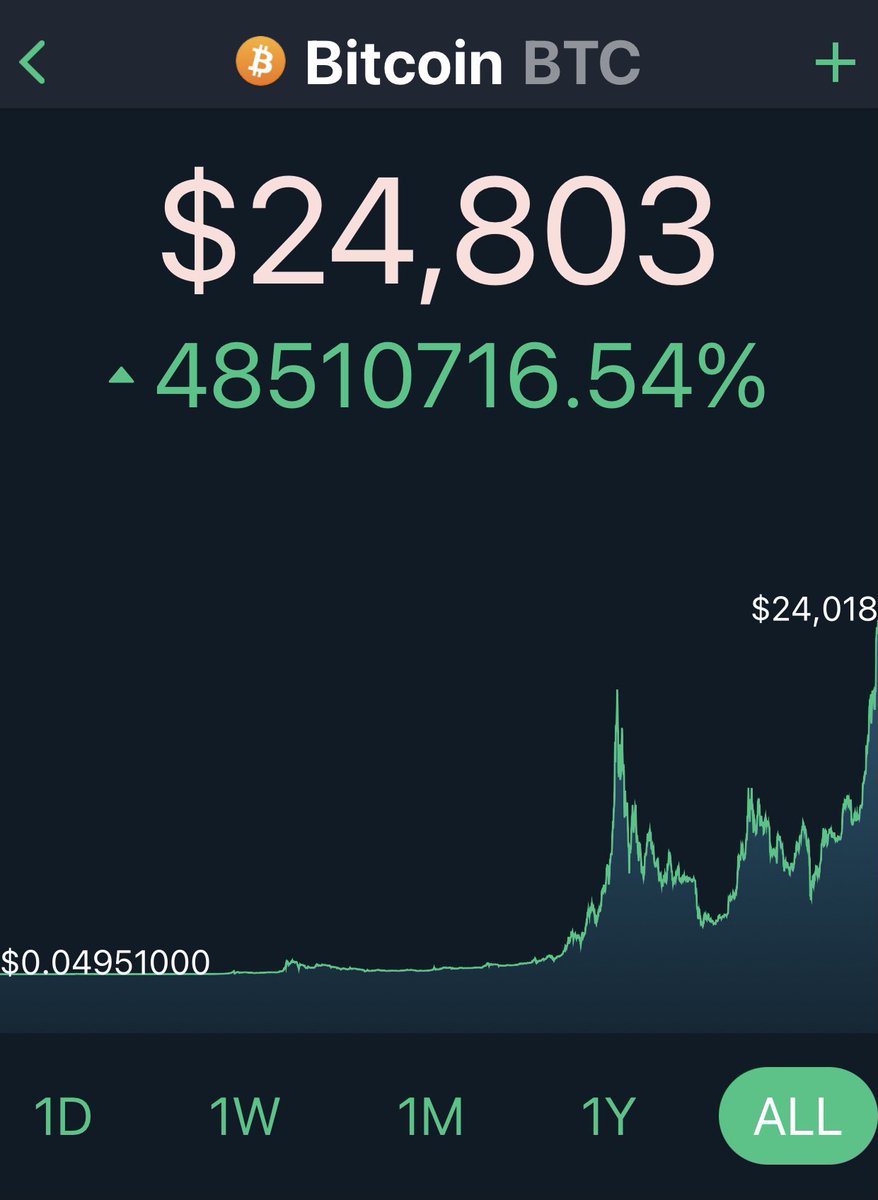
#Bitcoin has never taken any money from anybody. Every person in the world that bought #BTC and did not sell or lose it has made money. I mean hard money too. The only ones that lost either sold it or lost it. What’s the lesson?
More from Crypto


We should be proud about @0xPolygon. But don't invest if you don't understand what they do just like any other asset class.
Should you invest in Polygon (Matic)?
— LearnApp (@LearnApp_co) June 12, 2021
\U0001f4a1 Here's @PrateekLearnapp's take on #Matic, as shared on @CNBCTV18News.
What are your thoughts on #Polygon (Matic)? \U0001f4ac
Read the full article here \U0001f449 https://t.co/rmLTV0WFo2#crypto #cryptocurrencies pic.twitter.com/9k1lclN7oL

Excited to share our 2020 #Bitcoin review.
2020 will be remembered as the year the long fabled institutions finally arrived and #Bitcoin became a bonafide macroeconomic asset.
Below are the top highlights of each month for Bitcoin’s historic year.
1/
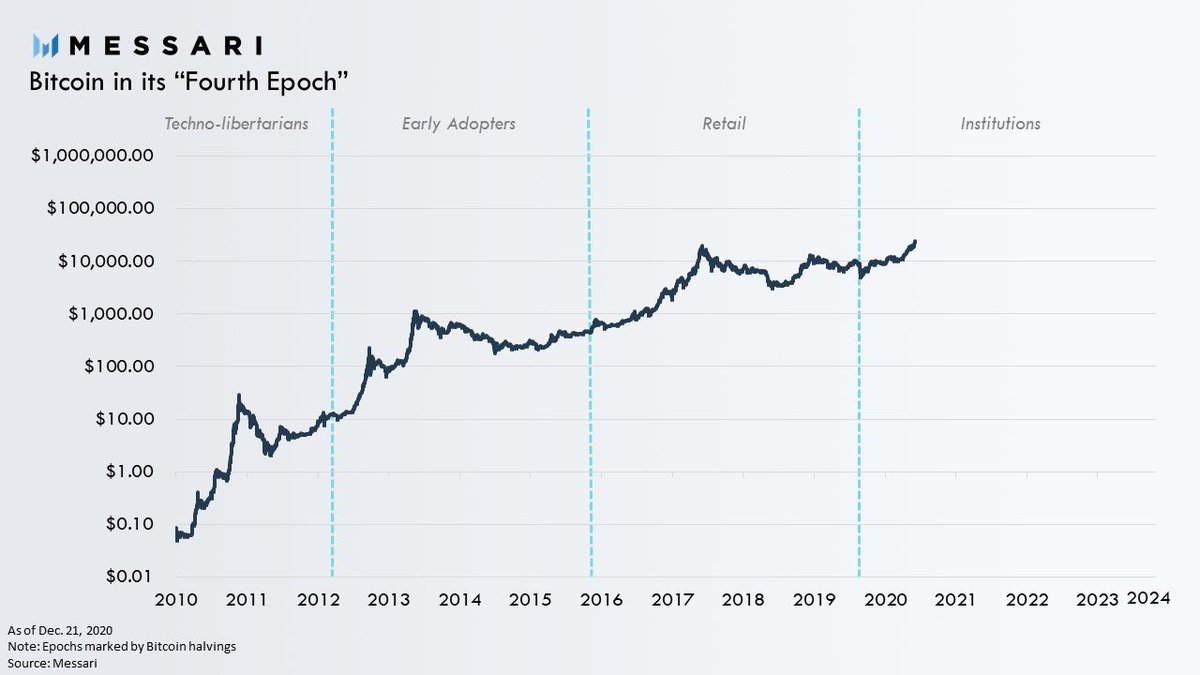
Bitcoin is now at all-time highs capping off an extremely successful year.
But it was by no means stable ride up.
2020 was a historically volatile year.
@YoungCryptoPM and I provided a detailed overview of every month of 2020 in all its
Jan.
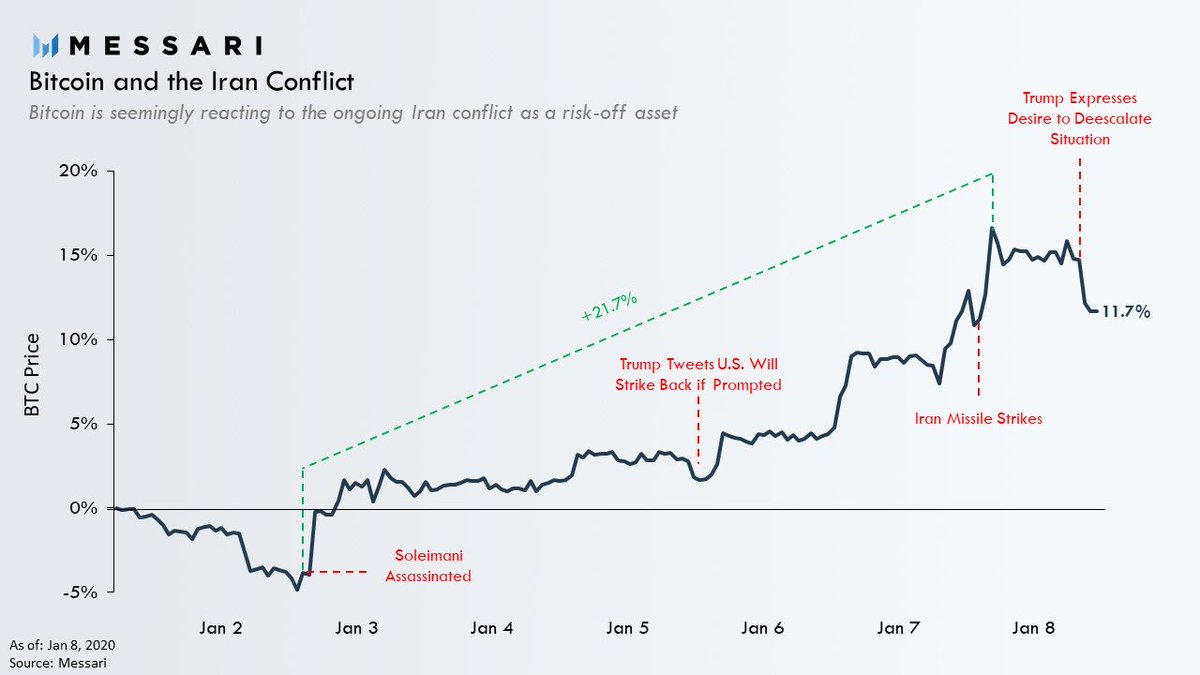
3 days into the new year the US assassinated Iran’s top general Soleimani.
BTC surprisingly reacted to the events behaving like a safe haven as the risk of war increased.
The events provided the first hints of BTC potentially having graduated to a legitimate macro asset.
Feb.
COVID-19 reached a tipping point causing markets to crash.
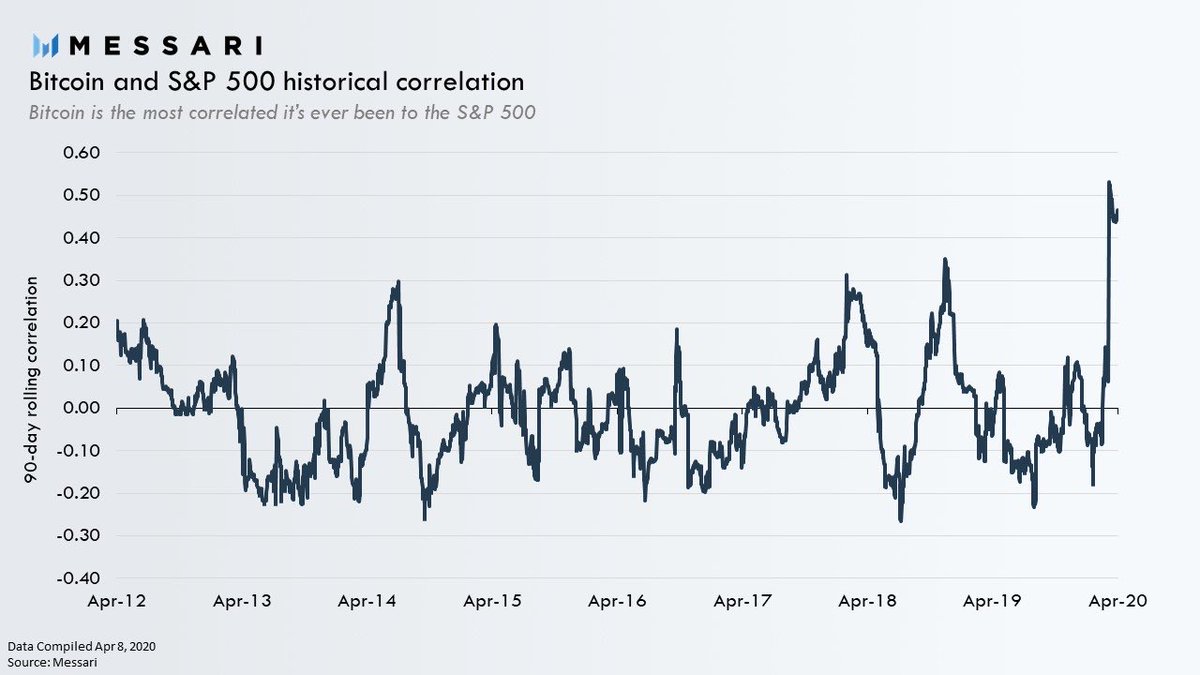
BTC’s correlation with the S&P 500 reached an ATH in the following weeks.
This is when everyone learned BTC was not a recession hedge, it was a hedge against inflation and loss of confidence in fiat currencies. https://t.co/JB7dJ3qp6M
Mar.
Financial markets in free fall.
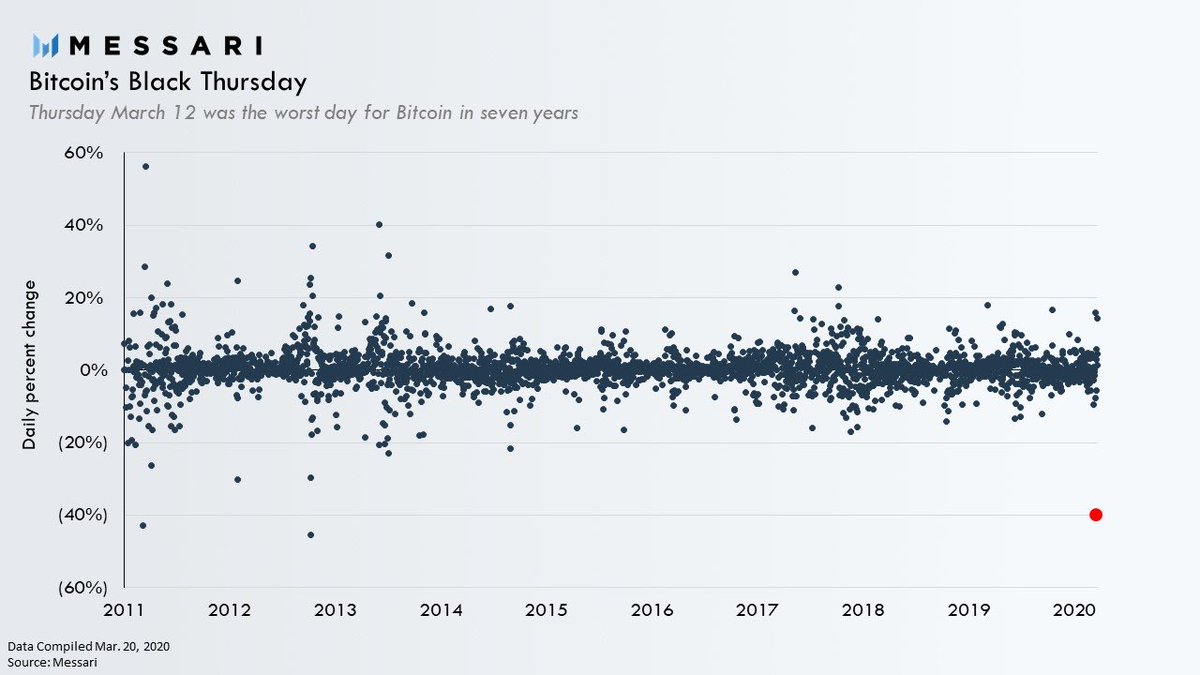
The liquidity crisis was so severe BTC experienced one of it’s worst days ever.
Now known as Black Thursday, on March 12, BTC plummeted as much as 50% to below $4,000 at its lowest point on the day.
BTC closed the day down 40%
2020 will be remembered as the year the long fabled institutions finally arrived and #Bitcoin became a bonafide macroeconomic asset.
Below are the top highlights of each month for Bitcoin’s historic year.
1/
Bitcoin is now at all-time highs capping off an extremely successful year.
But it was by no means stable ride up.
2020 was a historically volatile year.
@YoungCryptoPM and I provided a detailed overview of every month of 2020 in all its
Jan.
3 days into the new year the US assassinated Iran’s top general Soleimani.
BTC surprisingly reacted to the events behaving like a safe haven as the risk of war increased.
The events provided the first hints of BTC potentially having graduated to a legitimate macro asset.
Feb.
COVID-19 reached a tipping point causing markets to crash.
BTC’s correlation with the S&P 500 reached an ATH in the following weeks.
This is when everyone learned BTC was not a recession hedge, it was a hedge against inflation and loss of confidence in fiat currencies. https://t.co/JB7dJ3qp6M
1/ Figure I should get out ahead of this issue:
— Dan McArdle (@robustus) June 22, 2018
Bitcoin is a hedge against inflation & loss of confidence in fiat, NOT a hedge against a typical recession.
Mar.
Financial markets in free fall.
The liquidity crisis was so severe BTC experienced one of it’s worst days ever.
Now known as Black Thursday, on March 12, BTC plummeted as much as 50% to below $4,000 at its lowest point on the day.
BTC closed the day down 40%


I'm sure someone else has explained this, but it is just so cool and I want to explain how this works.
So Curve is awesome for swaps between similar assets, right? The fact that they trade very close to each other is a key part about how Curve works, using it's custom swap invariant function.
That's step 1
Step 2 is that Synthetix is awesome for creating "synthetic assets" (aka synths) which are assets that trade like other assets, that are backed by another, entirely different asset. Basically, a plastic banana that I can buy and sell like a real banana.
Synthetix has a feature that lets you swap between any two synths with zero slippage and a flat fee. That's because it is simply converting the sythentic asset into another synthetic asset, the backing for the synth doesn't change it just uses a different price oracle now.
This is important. Absolutely no slippage, at any size
Swap $1m sUSD for $1m sBTC? flat 0.3% fee
Swap $10m sUSD for $10m sBTC? flat 0.3% fee
swap $100m sUSD for $100m sBTC? Well, there isn't that many synths in Curve, yet but you get the point. The only limit is the pool depth
— Andre Cronje (@AndreCronjeTech) January 15, 2021
So Curve is awesome for swaps between similar assets, right? The fact that they trade very close to each other is a key part about how Curve works, using it's custom swap invariant function.
That's step 1
Step 2 is that Synthetix is awesome for creating "synthetic assets" (aka synths) which are assets that trade like other assets, that are backed by another, entirely different asset. Basically, a plastic banana that I can buy and sell like a real banana.
Synthetix has a feature that lets you swap between any two synths with zero slippage and a flat fee. That's because it is simply converting the sythentic asset into another synthetic asset, the backing for the synth doesn't change it just uses a different price oracle now.
This is important. Absolutely no slippage, at any size
Swap $1m sUSD for $1m sBTC? flat 0.3% fee
Swap $10m sUSD for $10m sBTC? flat 0.3% fee
swap $100m sUSD for $100m sBTC? Well, there isn't that many synths in Curve, yet but you get the point. The only limit is the pool depth
You May Also Like






These 10 threads will teach you more than reading 100 books
Five billionaires share their top lessons on startups, life and entrepreneurship (1/10)
10 competitive advantages that will trump talent (2/10)
Some harsh truths you probably don’t want to hear (3/10)
10 significant lies you’re told about the world (4/10)
Five billionaires share their top lessons on startups, life and entrepreneurship (1/10)
I interviewed 5 billionaires this week
— GREG ISENBERG (@gregisenberg) January 23, 2021
I asked them to share their lessons learned on startups, life and entrepreneurship:
Here's what they told me:
10 competitive advantages that will trump talent (2/10)
To outperform, you need serious competitive advantages.
— Sahil Bloom (@SahilBloom) March 20, 2021
But contrary to what you have been told, most of them don't require talent.
10 competitive advantages that you can start developing today:
Some harsh truths you probably don’t want to hear (3/10)
I\u2019ve gotten a lot of bad advice in my career and I see even more of it here on Twitter.
— Nick Huber (@sweatystartup) January 3, 2021
Time for a stiff drink and some truth you probably dont want to hear.
\U0001f447\U0001f447
10 significant lies you’re told about the world (4/10)
THREAD: 10 significant lies you're told about the world.
— Julian Shapiro (@Julian) January 9, 2021
On startups, writing, and your career: