0/ It's been a big 2 weeks for $BTC as it hits a new ATH, $MSTR completes a $650M convert, Mass Mutual invests $100M, Ruffer Management buys $745M, Jeffries recommends a 5% allocation, Guggenheim's CIO gives a $400K PT, OneRiver, FinCen rules better than feared & Coinbase S1
"We see this BTC investment as a small but potent insurance policy against the continuing devaluation of the world’s major currencies,”
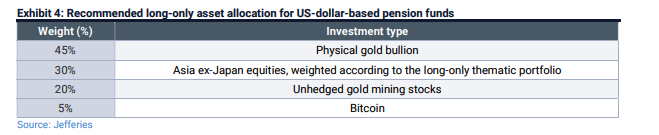
"Bitcoin has a lot of the attributes of gold and at the same time has an unusual value in terms of transactions," Minerd told Bloomberg TV.
More from Crypto

1/ Bitcoin: a bold new world.
Satoshi published the white paper on 10/31/2008. Right at the moment of peak despair during the 2008 financial crisis. Trust had been lost in a world that ran on trust.
2/ But why October 31st? It certainly wasn’t because Satoshi was a fan of halloween, it must have had a deeper meaning. With all of his actions, he demonstrated a careful precision.
He had been working on Bitcoin for at least a year and a half before publishing the white paper.
3/ “I believe I've worked through all those little details over the last year and a half while coding it, and there were a lot of them. The functional details are not covered in the paper, but the sourcecode is coming soon” - Satoshi Nakamoto
4/ On August 18, 2008 Satoshi registers registers https://t.co/rMWwiEwtxT through https://t.co/Uj8lMr10kB.
Satoshi was ready and waiting to hit the send button throughout 2008. What was so special about October 31st?
5/ I believe that Satoshi published the Bitcoin white paper on 10/31 as a hat tip to the ancient Gaelic festival of “Samhain” which was also the date in which Martin Luther nailed his 95 Theses to a church door. Both represent an end of the old and the beginning of the new.
Satoshi published the white paper on 10/31/2008. Right at the moment of peak despair during the 2008 financial crisis. Trust had been lost in a world that ran on trust.
2/ But why October 31st? It certainly wasn’t because Satoshi was a fan of halloween, it must have had a deeper meaning. With all of his actions, he demonstrated a careful precision.
He had been working on Bitcoin for at least a year and a half before publishing the white paper.
3/ “I believe I've worked through all those little details over the last year and a half while coding it, and there were a lot of them. The functional details are not covered in the paper, but the sourcecode is coming soon” - Satoshi Nakamoto
4/ On August 18, 2008 Satoshi registers registers https://t.co/rMWwiEwtxT through https://t.co/Uj8lMr10kB.
Satoshi was ready and waiting to hit the send button throughout 2008. What was so special about October 31st?
5/ I believe that Satoshi published the Bitcoin white paper on 10/31 as a hat tip to the ancient Gaelic festival of “Samhain” which was also the date in which Martin Luther nailed his 95 Theses to a church door. Both represent an end of the old and the beginning of the new.


🚨Altcoin Trading Indicator🚨
How to use it. A THREAD.
Please Share.
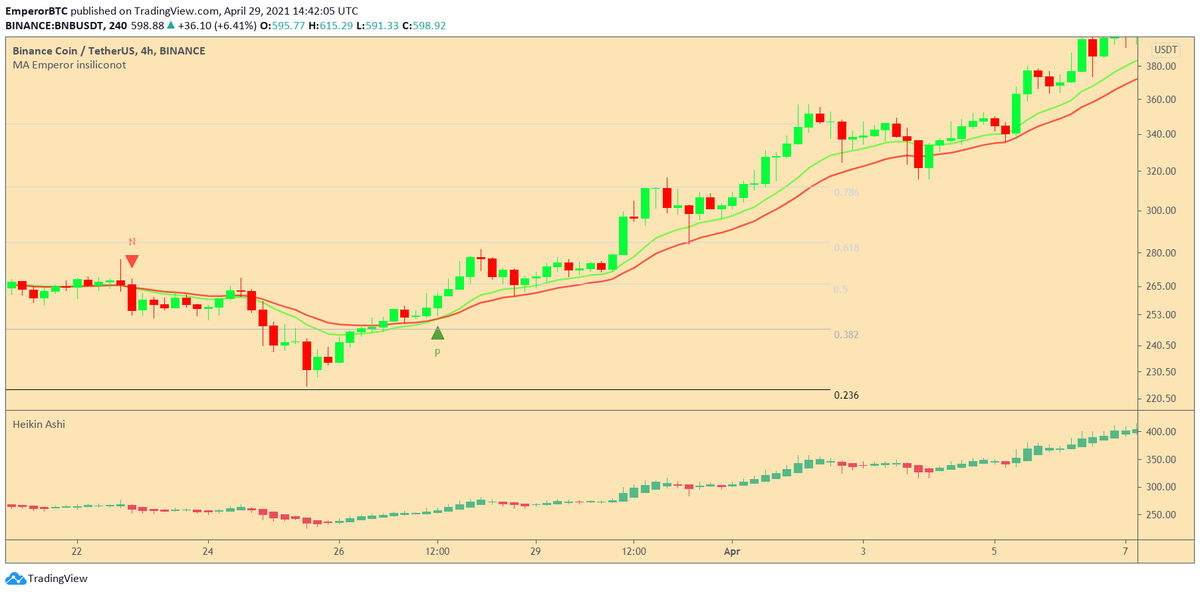
To use it to buy Altcoins and make a high probability entry, the following conditions needs to be fulfilled.
For a long.
1. A green candle Closes above the cross.
2. Heikin Ashi candle turns green.
3. Price should be above 0.236 Fib from the swing high.
How to add the Indicator.
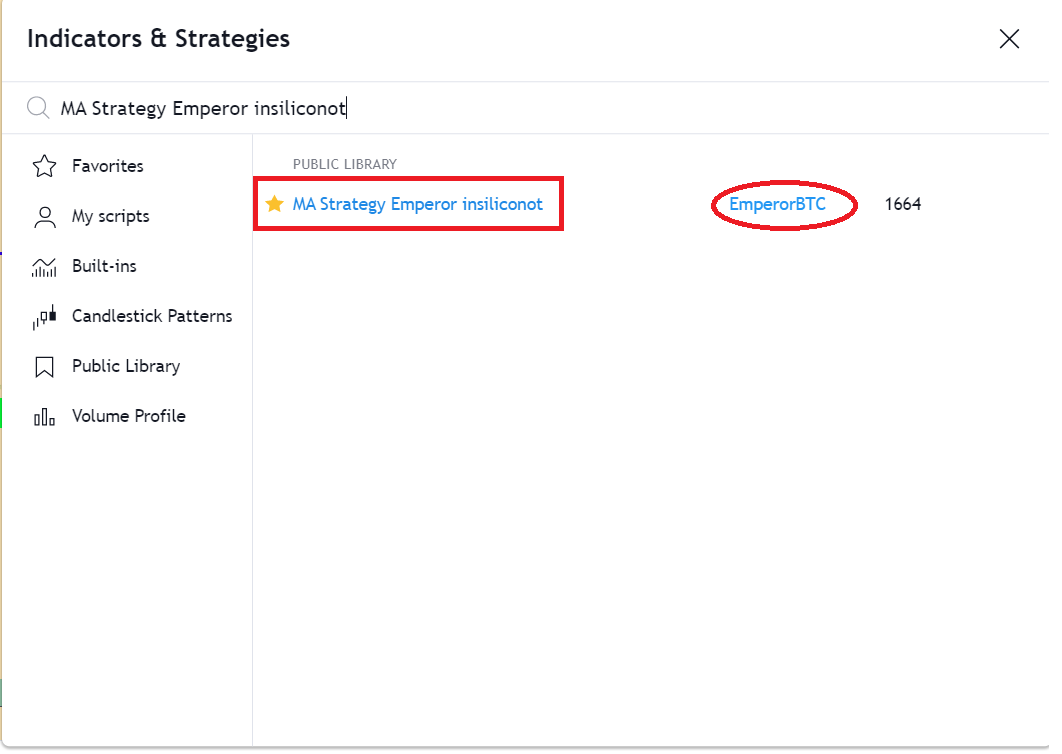
1. Click on the link and Add it to favorites and apply.
https://t.co/Kn90qgDjMi
2. Or Search it in the tab and then apply it.
The indicator itself the most comprehensive Moving Average Indicator which provides 9 MAs and 13 Different times of MAs.
The base of the indicator was by @insiliconot.
To further enhance it, I have added a cross indicator on the cross which works the best historically on Alts.
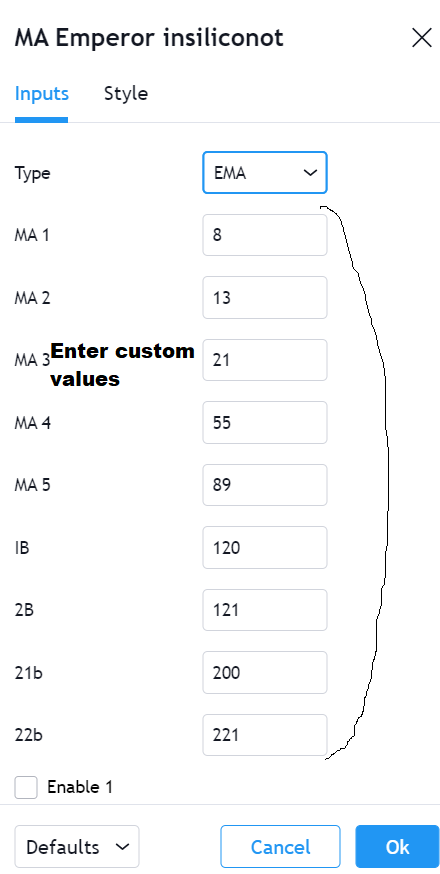
Condition 1- The cross.
Entry is made when a Cross occurs on the EMA 13/21.
The indicator automatically indicators the Cross with P for a positive cross or N for a negative cross.
This is the first condition for an Entry.
How to use it. A THREAD.
Please Share.
To use it to buy Altcoins and make a high probability entry, the following conditions needs to be fulfilled.
For a long.
1. A green candle Closes above the cross.
2. Heikin Ashi candle turns green.
3. Price should be above 0.236 Fib from the swing high.
How to add the Indicator.
1. Click on the link and Add it to favorites and apply.
https://t.co/Kn90qgDjMi
2. Or Search it in the tab and then apply it.
The indicator itself the most comprehensive Moving Average Indicator which provides 9 MAs and 13 Different times of MAs.
The base of the indicator was by @insiliconot.
To further enhance it, I have added a cross indicator on the cross which works the best historically on Alts.
Condition 1- The cross.
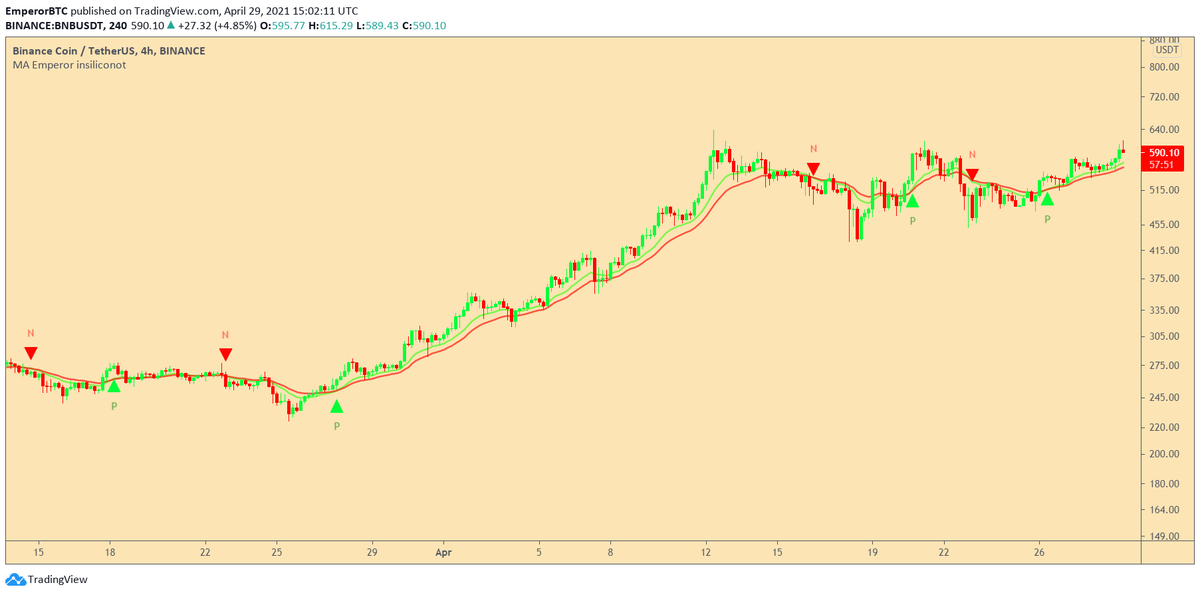
Entry is made when a Cross occurs on the EMA 13/21.
The indicator automatically indicators the Cross with P for a positive cross or N for a negative cross.
This is the first condition for an Entry.

You may be wondering why @bristoliver rather cryptically RT’d a chart that I posted last night. The answer is not just that he loves quadratic fits on log axes, but that this chart may –and I stress may– hint at a vaccine effect amongst the over 80s THREAD
WARNING: this is a long thread, and it’s a bit of a roller-coaster. We find some apparently strong patterns in the data, and then start to unpick them a bit. So if you start getting excited half way through you might find you’re less excited at the end. But we’ll see…
First we first have to go back a bit. @bristoliver posted a thread a few days ago explaining why, with a constant vaccination rate, a log plot of cases should show a quadratic form. In other words, it should fit an equation like: a + b.x + c.x^2
I meant to link in the model thread there - here it is
the quadratic coefficient – the ‘c’ in that equation – gives an estimate of the % of the population who are being newly protected by the vaccine each day. Please note ‘protected by the vaccine’, not ‘vaccinated’ – as we don't expect 100% protection after the first dose
ok, I lied. but strictly it's not a new graph, just a new trendline (now a quadratic on the log plot). looks um... quite a good fit. so I'd say that was interesting. pic.twitter.com/qkgyMf1ya8
— James Ward (@JamesWard73) January 27, 2021
WARNING: this is a long thread, and it’s a bit of a roller-coaster. We find some apparently strong patterns in the data, and then start to unpick them a bit. So if you start getting excited half way through you might find you’re less excited at the end. But we’ll see…
First we first have to go back a bit. @bristoliver posted a thread a few days ago explaining why, with a constant vaccination rate, a log plot of cases should show a quadratic form. In other words, it should fit an equation like: a + b.x + c.x^2
I meant to link in the model thread there - here it is
Been thinking about where we are, where we might be going, what effect vaccines might have and how to tell. This thread may not happen all at once, and will get a bit mathematical in a couple of places (sorry!), but I will put in pictures. It's yet another argument for log scales
— Oliver Johnson (@BristOliver) January 24, 2021
the quadratic coefficient – the ‘c’ in that equation – gives an estimate of the % of the population who are being newly protected by the vaccine each day. Please note ‘protected by the vaccine’, not ‘vaccinated’ – as we don't expect 100% protection after the first dose


You May Also Like


THE MEANING, SIGNIFICANCE AND HISTORY OF SWASTIK
The Swastik is a geometrical figure and an ancient religious icon. Swastik has been Sanatan Dharma’s symbol of auspiciousness – mangalya since time immemorial.
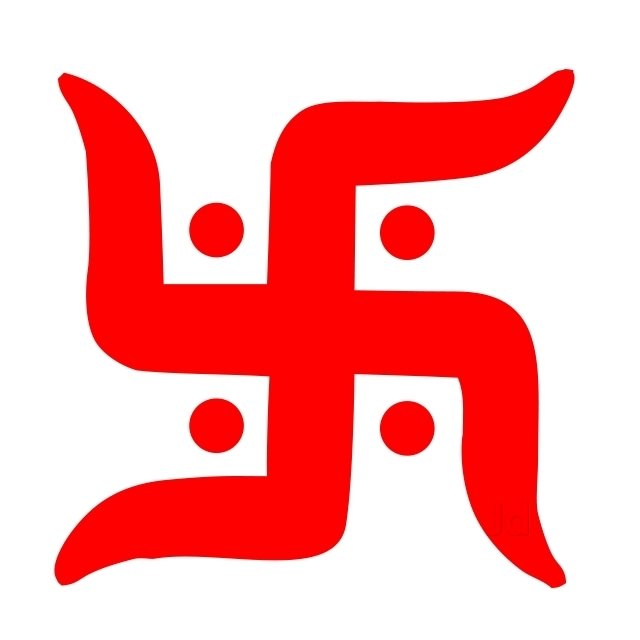
The name swastika comes from Sanskrit (Devanagari: स्वस्तिक, pronounced: swastik) &denotes “conducive to wellbeing or auspicious”.
The word Swastik has a definite etymological origin in Sanskrit. It is derived from the roots su – meaning “well or auspicious” & as meaning “being”.
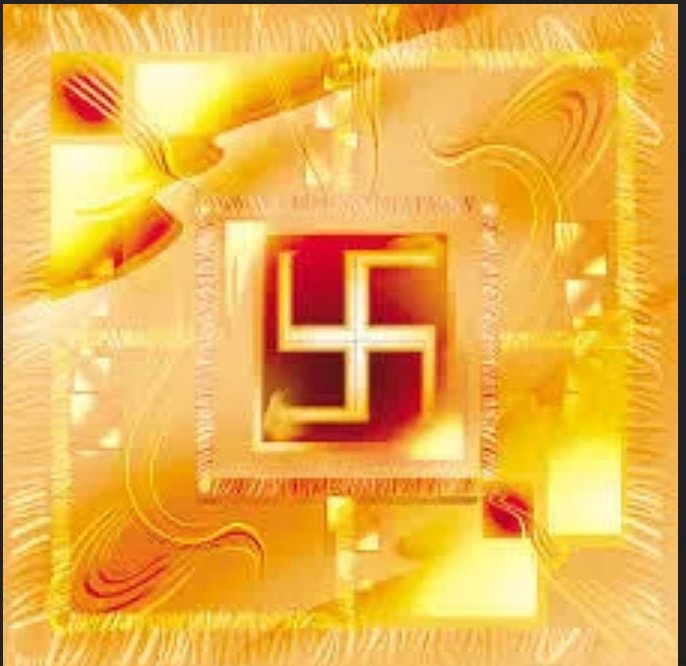
"सु अस्ति येन तत स्वस्तिकं"
Swastik is de symbol through which everything auspicios occurs
Scholars believe word’s origin in Vedas,known as Swasti mantra;
"🕉स्वस्ति ना इन्द्रो वृधश्रवाहा
स्वस्ति ना पूषा विश्ववेदाहा
स्वस्तिनास्तरक्ष्यो अरिश्तनेमिही
स्वस्तिनो बृहस्पतिर्दधातु"
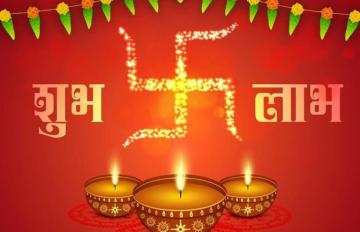
It translates to," O famed Indra, redeem us. O Pusha, the beholder of all knowledge, redeem us. Redeem us O Garudji, of limitless speed and O Bruhaspati, redeem us".
SWASTIK’s COSMIC ORIGIN
The Swastika represents the living creation in the whole Cosmos.
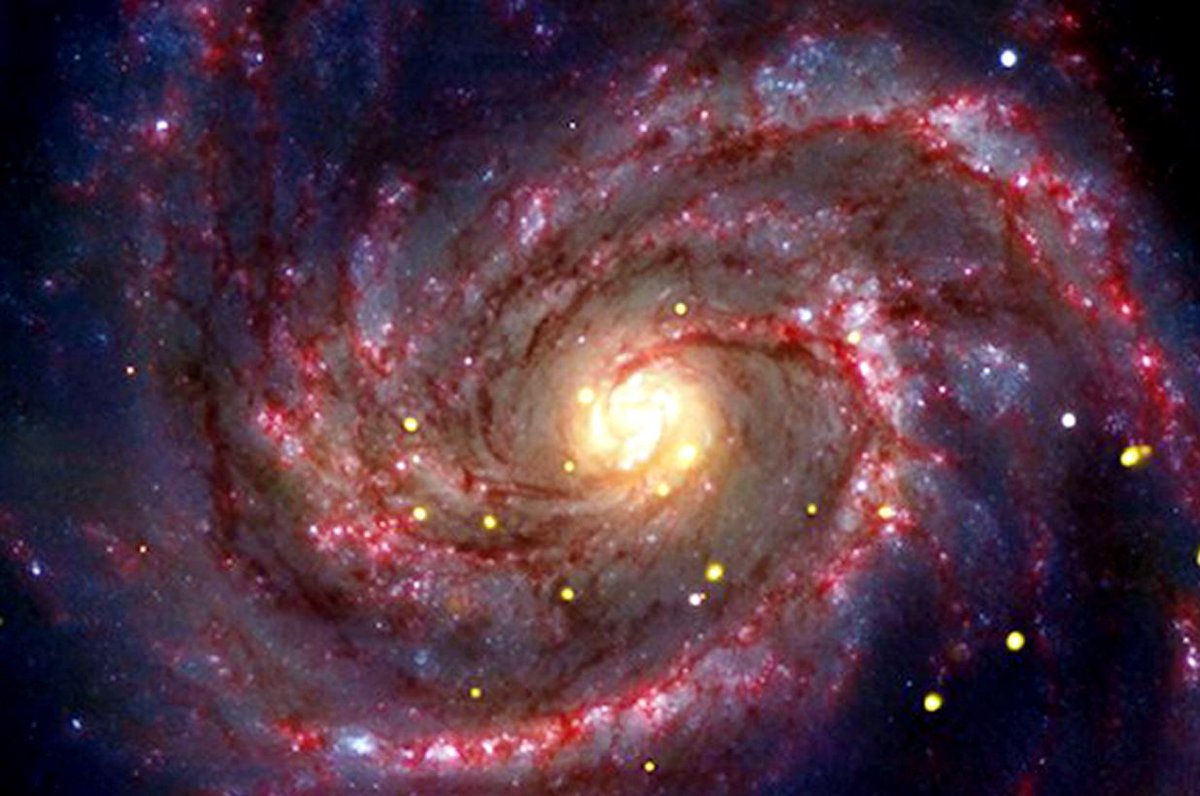
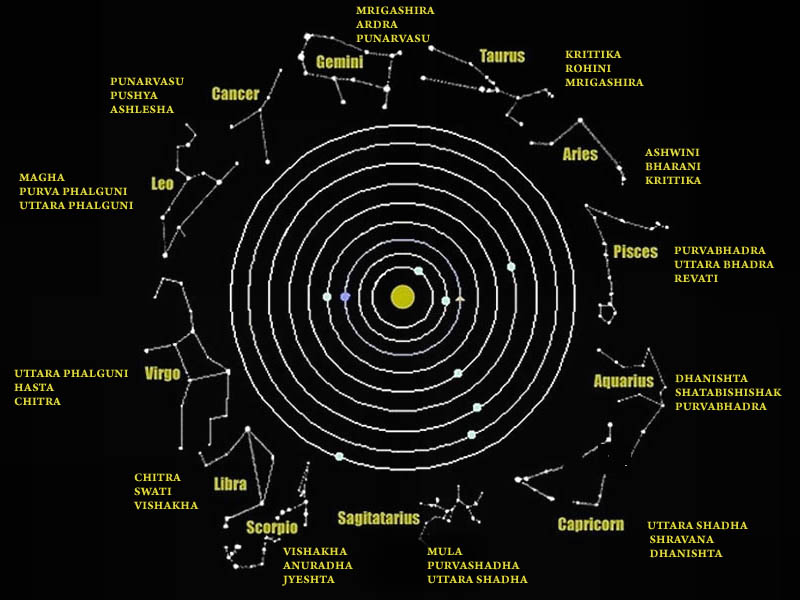
Hindu astronomers divide the ecliptic circle of cosmos in 27 divisions called https://t.co/sLeuV1R2eQ this manner a cross forms in 4 directions in the celestial sky. At centre of this cross is Dhruva(Polestar). In a line from Dhruva, the stars known as Saptarishi can be observed.
The Swastik is a geometrical figure and an ancient religious icon. Swastik has been Sanatan Dharma’s symbol of auspiciousness – mangalya since time immemorial.
The name swastika comes from Sanskrit (Devanagari: स्वस्तिक, pronounced: swastik) &denotes “conducive to wellbeing or auspicious”.
The word Swastik has a definite etymological origin in Sanskrit. It is derived from the roots su – meaning “well or auspicious” & as meaning “being”.
"सु अस्ति येन तत स्वस्तिकं"
Swastik is de symbol through which everything auspicios occurs
Scholars believe word’s origin in Vedas,known as Swasti mantra;
"🕉स्वस्ति ना इन्द्रो वृधश्रवाहा
स्वस्ति ना पूषा विश्ववेदाहा
स्वस्तिनास्तरक्ष्यो अरिश्तनेमिही
स्वस्तिनो बृहस्पतिर्दधातु"
It translates to," O famed Indra, redeem us. O Pusha, the beholder of all knowledge, redeem us. Redeem us O Garudji, of limitless speed and O Bruhaspati, redeem us".
SWASTIK’s COSMIC ORIGIN
The Swastika represents the living creation in the whole Cosmos.
Hindu astronomers divide the ecliptic circle of cosmos in 27 divisions called https://t.co/sLeuV1R2eQ this manner a cross forms in 4 directions in the celestial sky. At centre of this cross is Dhruva(Polestar). In a line from Dhruva, the stars known as Saptarishi can be observed.