Thought I was going to finish 2020 empty handed, tough real estate market out here.

Managed to snag a great deal at the last minute and wanted to share the details.

Here’s how I analyze multifamily real estate investment opportunities 👇

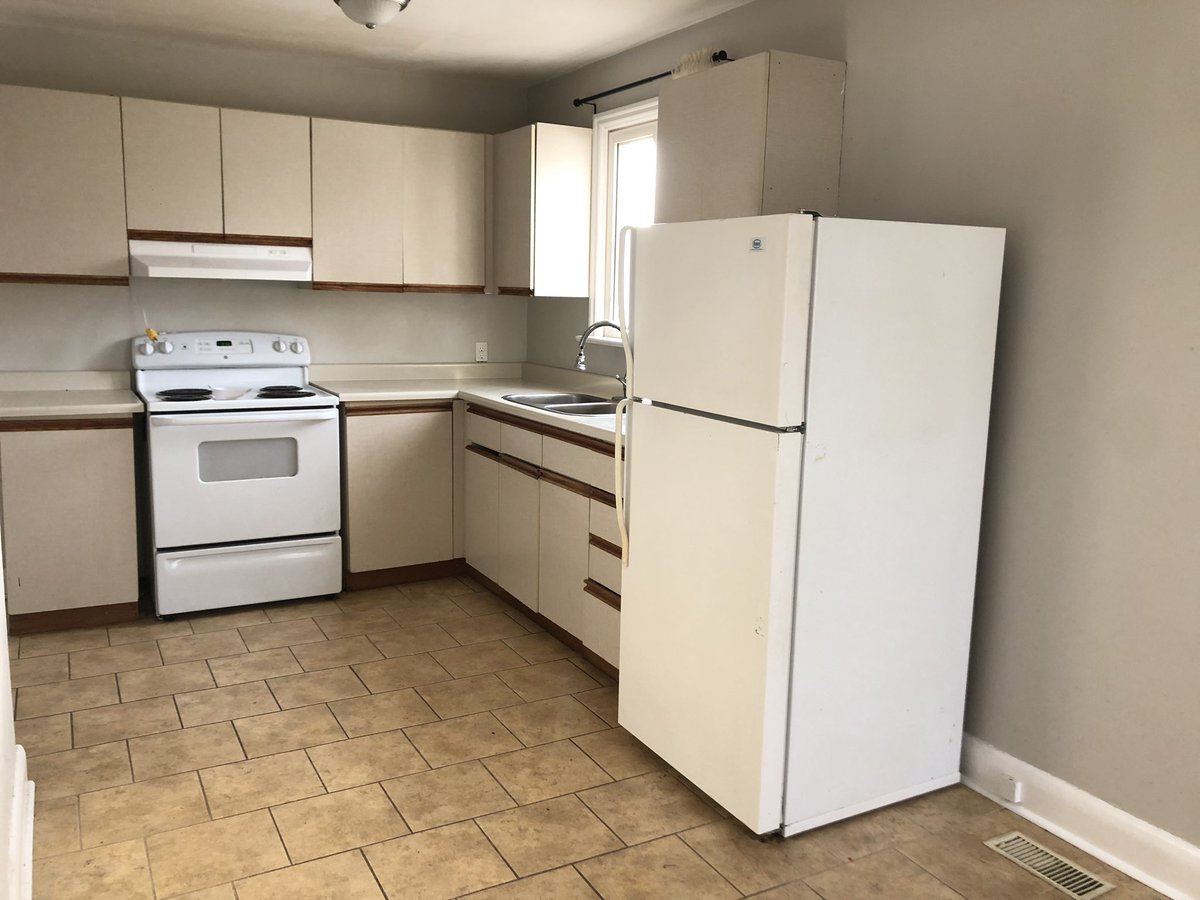
The property was a vacant 4plex, listed for $990k & after a few back and forths, the sellers accepted $950k with no finance condition.

Sellers were an elderly couple who neglected the property, it needed a lot of work. It was in a great neighbourhood/location.

(more pics later)
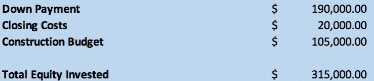
I first calculated my total equity investment required to acquire and stabilize the property.

During the inspection, did a full walk through with a trusted contractor (worked with for years), receiving quotes unit-by-unit.

Estimated time to complete = 4-6 months.
Next is the stabilized P&L.

Since I know the area very well, I can estimate rents and opex with great accuracy (I have another property within 15 mins walking distance).

Tenants are responsible for hydro/gas.
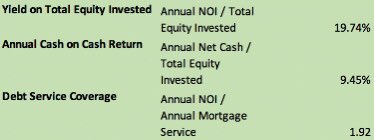
Finally, I put together the key metrics in evaluating the deal.

I look for yield above 15%, cash on cash above 7% and debt service above 1.5.

As you can see, the numbers check out.
Bull case - I’m also looking into adding a 5th rental unit, which if feasible, should cost $50k to $75k to construct & generate $13k to $15k in annual gross rents.

This would improve all of my metrics. But even if it isn’t feasible, the base case is good enough for my criteria.
I never speculate on either asset appreciation or future rent increases in my models or decision making criteria. I plan on holding very long term.

But if cap rates on stabilized properties remain around the current 3.5% to 4% range, the property could be worth $1.56m to $1.78m.
For more details on this deal, along with more pics and an explanation on how my real estate investing strategy has evolved, check out my blog post.

I also post free content on investing and personal finance, so be sure to subscribe!

https://t.co/RbSaUEdKt0
Regarding deal sourcing, it was sent to me by a local broker who I have a relationship with.

Regarding financing, no investors or LPs and mortgage is 1.8% with 30 year amortization.

More from Business

My top 10 tweets of the year

A thread 👇

https://t.co/xj4js6shhy


https://t.co/b81zoW6u1d


https://t.co/1147it02zs


https://t.co/A7XCU5fC2m
So I'd recommend reading this thread from Dave, but I thought about some of these policies, and how they fit into the whole, a lot, and want to offer a different interpretation.


I think California is world leading on progressivism that doesn't ask anyone to give anything up, or accept any major change, right now.

That's what I mean by symbolically progressive, operationally conservative.

Take the 100% renewable energy standard. As @leahstokes has written, these policies often fail in practice. I note our leadership on renewable energy in the piece, but the kind of politics we see on housing and transportation are going foil that if they don't change.

Creating a statewide consumer financial protection agency is great! But again, you're not asking most voters to give anything up or accept any actual changes.

I don't see that as balancing the scales on, say, high-speed rail.

CA is willing to vote for higher taxes, new agencies, etc. It was impressive when LA passed Measure H, a new sales tax to fund homeless shelters. And depressing to watch those same communities pour into the streets to protest shelters being placed near them. That's the rub.

You May Also Like