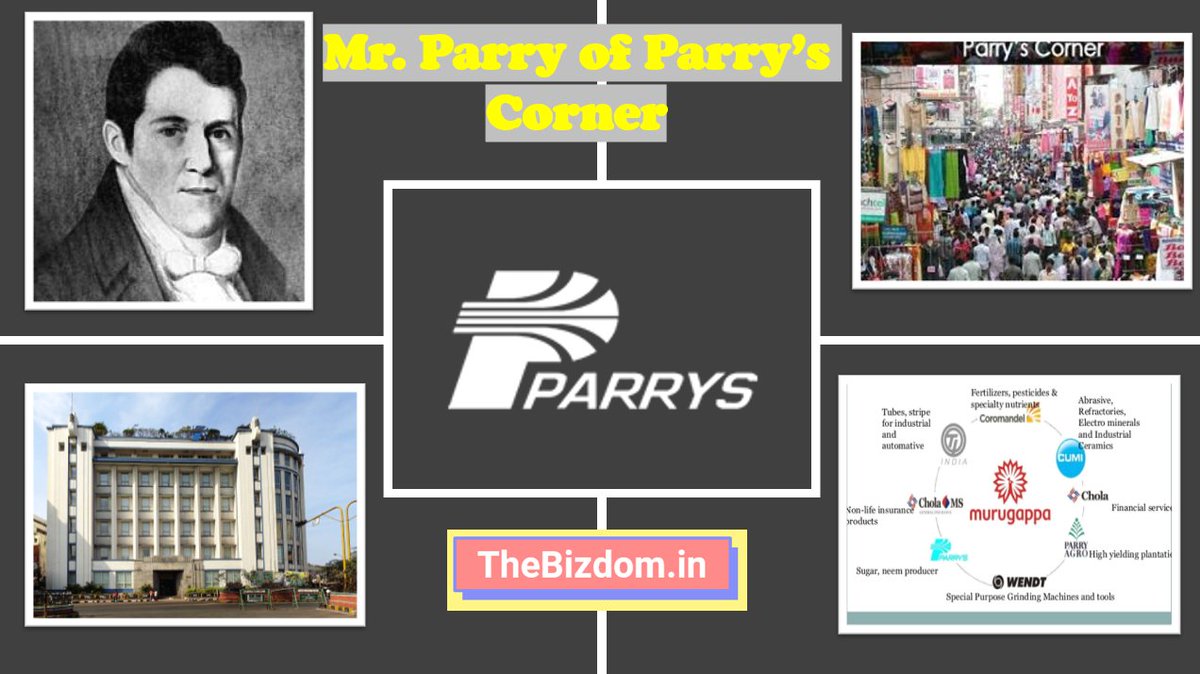
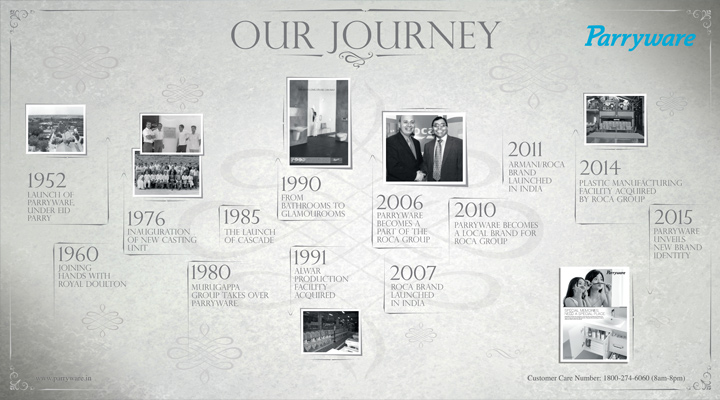
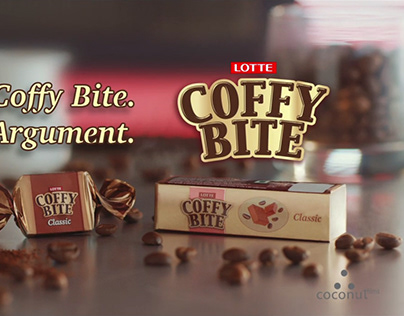
One Man many heritage-From Sugar business (Parry's Coffee Bite) to an AgroGiant in Making.
Coincidentally most of the business is now run by an equally amazing business Group. An 🧵on Mr. Parry of Parry's Cornerwale

More from Business

Should we go into the details of these 125 years?
SA is built on the exploitation of labour. That labour has functioned on alcohol unfortunately. Very few people consume liquor purely for enjoyment unfortunately. When SAB opened its doors 1895 workers were paid in alcohol- the dop/tot system. 2 years into SAB's establishment
The Prohibition Act is introduced. This means black people are barred from buying your wines, beer etc. So SAB's products are exclusively for white people. But during this period beer brewing by Black women is the norm. Ayinxilisi ncam ke this type of beer. Apparently it had some
Nutritious elements to it. Now some of the context around drinking culture during this time is migrant labour to the mines, further land dispossession, the Anglo-Boer Wars, Rhodes corruption (our first state capture commission if you will) which leads to his resignation.
This context plays a role in how our cities and small towns are constructed, how they lead to the confinement and surveillance yabantu. Traditional beer brewing is identified as a threat because buy now mining bosses have identified that there's money to be made here.
SAB has formed part of the fabric of SA for the last 125 years & we've stood behind the nation through its triumphs & challenges. After much consideration,SAB has decided to approach the Courts to challenge the Constitutionality of the decision taken to re-ban the sale of alcohol pic.twitter.com/40rWpJSW5b
— SABreweries (@SABreweries) January 6, 2021
SA is built on the exploitation of labour. That labour has functioned on alcohol unfortunately. Very few people consume liquor purely for enjoyment unfortunately. When SAB opened its doors 1895 workers were paid in alcohol- the dop/tot system. 2 years into SAB's establishment
The Prohibition Act is introduced. This means black people are barred from buying your wines, beer etc. So SAB's products are exclusively for white people. But during this period beer brewing by Black women is the norm. Ayinxilisi ncam ke this type of beer. Apparently it had some
Nutritious elements to it. Now some of the context around drinking culture during this time is migrant labour to the mines, further land dispossession, the Anglo-Boer Wars, Rhodes corruption (our first state capture commission if you will) which leads to his resignation.
This context plays a role in how our cities and small towns are constructed, how they lead to the confinement and surveillance yabantu. Traditional beer brewing is identified as a threat because buy now mining bosses have identified that there's money to be made here.





You May Also Like



1/Politics thread time.
To me, the most important aspect of the 2018 midterms wasn't even about partisan control, but about democracy and voting rights. That's the real battle.
2/The good news: It's now an issue that everyone's talking about, and that everyone cares about.
3/More good news: Florida's proposition to give felons voting rights won. But it didn't just win - it won with substantial support from Republican voters.
That suggests there is still SOME grassroots support for democracy that transcends
4/Yet more good news: Michigan made it easier to vote. Again, by plebiscite, showing broad support for voting rights as an
5/OK, now the bad news.
We seem to have accepted electoral dysfunction in Florida as a permanent thing. The 2000 election has never really
To me, the most important aspect of the 2018 midterms wasn't even about partisan control, but about democracy and voting rights. That's the real battle.
2/The good news: It's now an issue that everyone's talking about, and that everyone cares about.
3/More good news: Florida's proposition to give felons voting rights won. But it didn't just win - it won with substantial support from Republican voters.
That suggests there is still SOME grassroots support for democracy that transcends
4/Yet more good news: Michigan made it easier to vote. Again, by plebiscite, showing broad support for voting rights as an
5/OK, now the bad news.
We seem to have accepted electoral dysfunction in Florida as a permanent thing. The 2000 election has never really
Bad ballot design led to a lot of undervotes for Bill Nelson in Broward Co., possibly even enough to cost him his Senate seat. They do appear to be real undervotes, though, instead of tabulation errors. He doesn't really seem to have a path to victory. https://t.co/utUhY2KTaR
— Nate Silver (@NateSilver538) November 16, 2018

Great article from @AsheSchow. I lived thru the 'Satanic Panic' of the 1980's/early 1990's asking myself "Has eveyrbody lost their GODDAMN MINDS?!"
The 3 big things that made the 1980's/early 1990's surreal for me.
1) Satanic Panic - satanism in the day cares ahhhh!
2) "Repressed memory" syndrome
3) Facilitated Communication [FC]
All 3 led to massive abuse.
"Therapists" -and I use the term to describe these quacks loosely - would hypnotize people & convince they they were 'reliving' past memories of Mom & Dad killing babies in Satanic rituals in the basement while they were growing up.
Other 'therapists' would badger kids until they invented stories about watching alligators eat babies dropped into a lake from a hot air balloon. Kids would deny anything happened for hours until the therapist 'broke through' and 'found' the 'truth'.
FC was a movement that started with the claim severely handicapped individuals were able to 'type' legible sentences & communicate if a 'helper' guided their hands over a keyboard.
For three years I have wanted to write an article on moral panics. I have collected anecdotes and similarities between today\u2019s moral panic and those of the past - particularly the Satanic Panic of the 80s.
— Ashe Schow (@AsheSchow) September 29, 2018
This is my finished product: https://t.co/otcM1uuUDk
The 3 big things that made the 1980's/early 1990's surreal for me.
1) Satanic Panic - satanism in the day cares ahhhh!
2) "Repressed memory" syndrome
3) Facilitated Communication [FC]
All 3 led to massive abuse.
"Therapists" -and I use the term to describe these quacks loosely - would hypnotize people & convince they they were 'reliving' past memories of Mom & Dad killing babies in Satanic rituals in the basement while they were growing up.
Other 'therapists' would badger kids until they invented stories about watching alligators eat babies dropped into a lake from a hot air balloon. Kids would deny anything happened for hours until the therapist 'broke through' and 'found' the 'truth'.
FC was a movement that started with the claim severely handicapped individuals were able to 'type' legible sentences & communicate if a 'helper' guided their hands over a keyboard.