So I tried to explain the GameStop situation to some of my students using Pokémon. And I think what I said is mostly true so I figured I would share here (A thread)
#GameStop








More from Business

1/An interesting thing happened tonight. I was scrolling through clubhouse and found WileyCEO, Godfather of Grime (kicked off Twitter in July for antisemitic tweets) speaking. So I tweeted this (and included a screen shot, later deleted as I found out TOS don't allow it ...

2/ ... and several folks also asked me to remove it which I promptly did afterwards).... Coming into the CH room, I fully intended to confront him about how hurtful his comments in July were. But as I listened to the folks in the room, I decided to go a different direction ....
3/ the conversation jumped around, covered many topics and there were between 8-14 people up on stage. But a recurring thread was discussion of racism, bigotry, comparison of it in the US vs UK vs elsewhere.
4/ when I got a chance to speak, I had 5 bullets written down: a) we should harness technology and capitalism to make reparations for what America did to Black people. I gave https://t.co/SlrW8zCd58 (a project a couple friends co-started) as an example) ...
5/ b) capitalism and product know-how and technology can be harnessed for social justice c) historically oppressed minorities need to stick together and lastly, d) "Wiley, how could you say such hurtful things about Jews as a people?" That's what I had ready to say, anyway.
2/ ... and several folks also asked me to remove it which I promptly did afterwards).... Coming into the CH room, I fully intended to confront him about how hurtful his comments in July were. But as I listened to the folks in the room, I decided to go a different direction ....
3/ the conversation jumped around, covered many topics and there were between 8-14 people up on stage. But a recurring thread was discussion of racism, bigotry, comparison of it in the US vs UK vs elsewhere.
4/ when I got a chance to speak, I had 5 bullets written down: a) we should harness technology and capitalism to make reparations for what America did to Black people. I gave https://t.co/SlrW8zCd58 (a project a couple friends co-started) as an example) ...
5/ b) capitalism and product know-how and technology can be harnessed for social justice c) historically oppressed minorities need to stick together and lastly, d) "Wiley, how could you say such hurtful things about Jews as a people?" That's what I had ready to say, anyway.

The Mother of All Squeezes
How Volkswagen went from being on the brink of bankruptcy to the most valuable company in the world in two days
/THREAD/
1/ At the peak of the 2008 financial crisis, Volkswagen was considered a very likely candidate for bankruptcy.
Heavily indebted and already financially struggling before 2008, with car sales expected to plummet due to the ongoing global crisis.
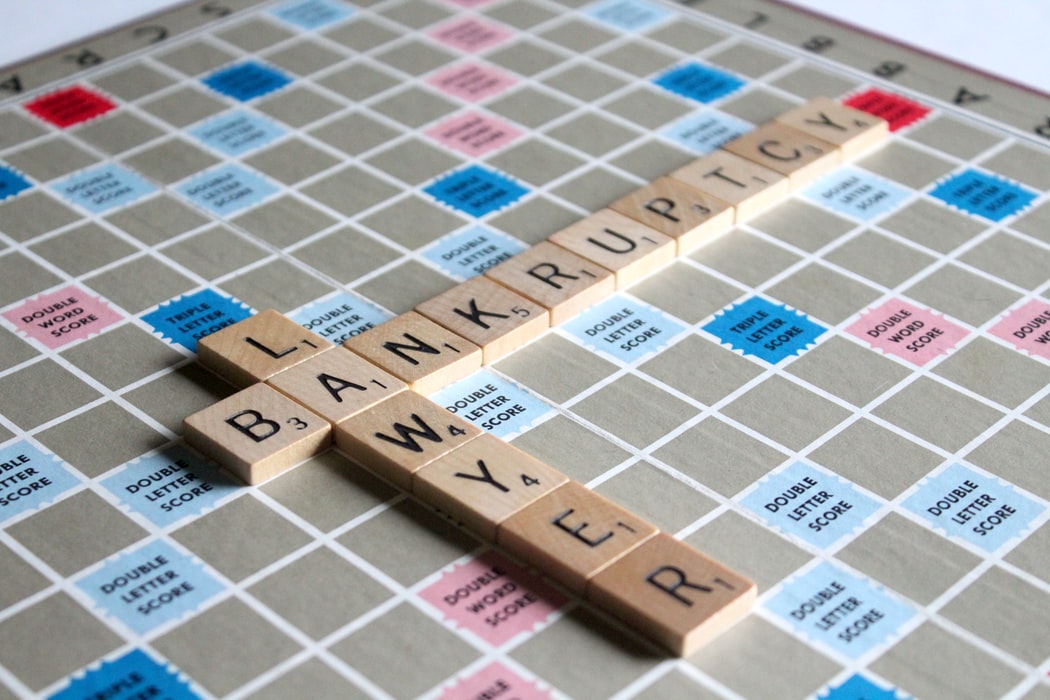
2/ With GM and Chrysler filing for bankruptcy in 2009, shorting the VW stock would seem a safe bet.
If you are not familiar with stock shorts and short squeezes check my thread
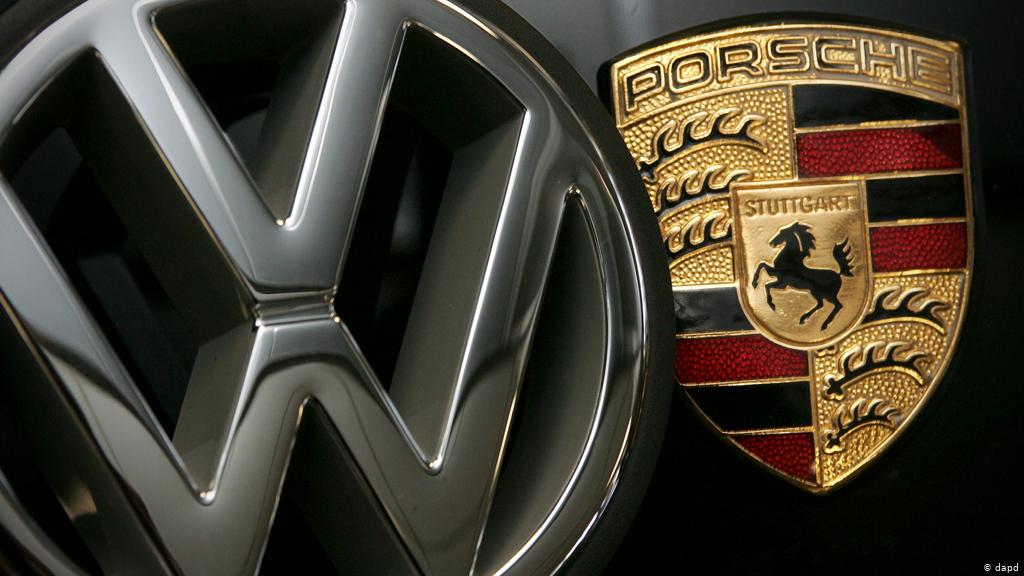
3/ On October 26, 2008, Porsche announced it had increased its stake at VW from 30% to 74%.
This was a surprise to many who were led to believe that Porsche wasn't planning a takeover of VW, based on the company's announcements.

4/ Before the announcement, the short interest was approximately 13% of the outstanding shares, a number considered relatively low.
Porsche had a 30% stake, the Lower Saxony government fund held 20% of the shares, and another 5% was held by index funds.
How Volkswagen went from being on the brink of bankruptcy to the most valuable company in the world in two days
/THREAD/
1/ At the peak of the 2008 financial crisis, Volkswagen was considered a very likely candidate for bankruptcy.
Heavily indebted and already financially struggling before 2008, with car sales expected to plummet due to the ongoing global crisis.
2/ With GM and Chrysler filing for bankruptcy in 2009, shorting the VW stock would seem a safe bet.
If you are not familiar with stock shorts and short squeezes check my thread
Shorts, Squeezes, and Betting Against Stocks
— Kostas on FIRE \U0001f525 (@itsKostasOnFIRE) January 27, 2021
What is short selling, how is it used and why is it risky?
/THREAD/ pic.twitter.com/PyDd208hFe
3/ On October 26, 2008, Porsche announced it had increased its stake at VW from 30% to 74%.
This was a surprise to many who were led to believe that Porsche wasn't planning a takeover of VW, based on the company's announcements.
4/ Before the announcement, the short interest was approximately 13% of the outstanding shares, a number considered relatively low.
Porsche had a 30% stake, the Lower Saxony government fund held 20% of the shares, and another 5% was held by index funds.