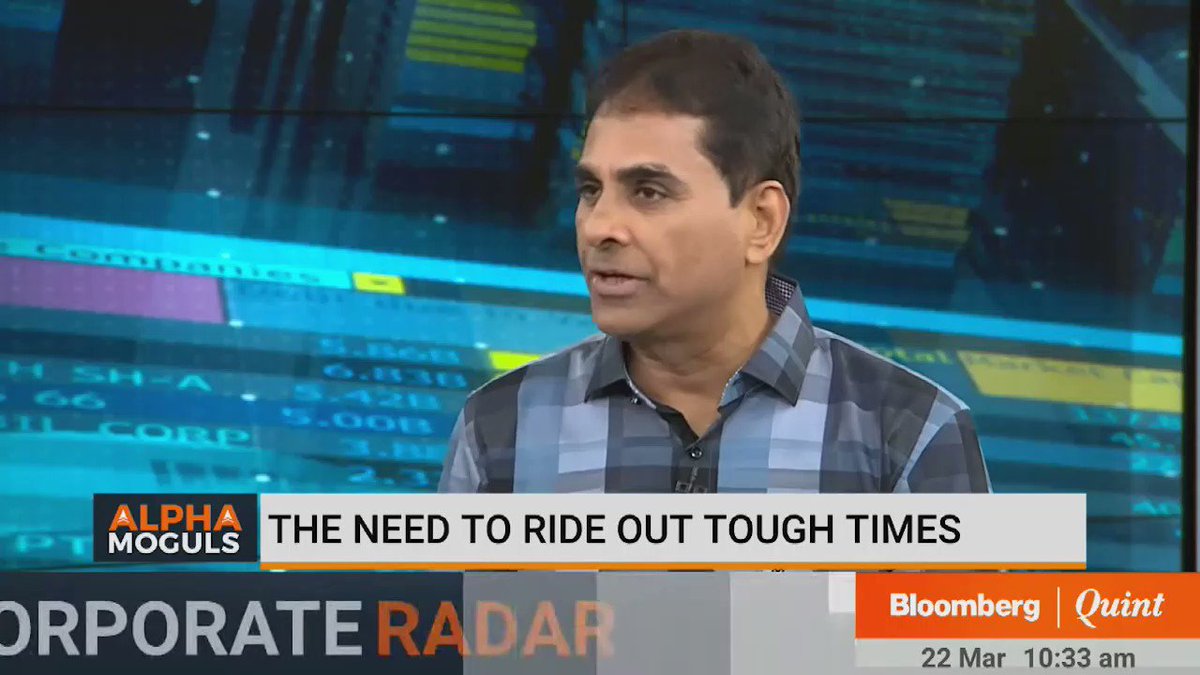
Prof Valsamis Mitsilegas tells NI committee that the agreement on JHA is dynamic, as EU values UK inputs, and EU law will evolve over time, and value of system to UK will mean adaptation
More from Brexit






You May Also Like

I’m torn on how to approach the idea of luck. I’m the first to admit that I am one of the luckiest people on the planet. To be born into a prosperous American family in 1960 with smart parents is to start life on third base. The odds against my very existence are astronomical.
I’ve always felt that the luckiest people I know had a talent for recognizing circumstances, not of their own making, that were conducive to a favorable outcome and their ability to quickly take advantage of them.
In other words, dumb luck was just that, it required no awareness on the person’s part, whereas “smart” luck involved awareness followed by action before the circumstances changed.
So, was I “lucky” to be born when I was—nothing I had any control over—and that I came of age just as huge databases and computers were advancing to the point where I could use those tools to write “What Works on Wall Street?” Absolutely.
Was I lucky to start my stock market investments near the peak of interest rates which allowed me to spend the majority of my adult life in a falling rate environment? Yup.
Ironies of Luck https://t.co/5BPWGbAxFi
— Morgan Housel (@morganhousel) March 14, 2018
"Luck is the flip side of risk. They are mirrored cousins, driven by the same thing: You are one person in a 7 billion player game, and the accidental impact of other people\u2019s actions can be more consequential than your own."
I’ve always felt that the luckiest people I know had a talent for recognizing circumstances, not of their own making, that were conducive to a favorable outcome and their ability to quickly take advantage of them.
In other words, dumb luck was just that, it required no awareness on the person’s part, whereas “smart” luck involved awareness followed by action before the circumstances changed.
So, was I “lucky” to be born when I was—nothing I had any control over—and that I came of age just as huge databases and computers were advancing to the point where I could use those tools to write “What Works on Wall Street?” Absolutely.
Was I lucky to start my stock market investments near the peak of interest rates which allowed me to spend the majority of my adult life in a falling rate environment? Yup.


This is NONSENSE. The people who take photos with their books on instagram are known to be voracious readers who graciously take time to review books and recommend them to their followers. Part of their medium is to take elaborate, beautiful photos of books. Die mad, Guardian.
THEY DO READ THEM, YOU JUDGY, RACOON-PICKED TRASH BIN

If you come for Bookstagram, i will fight you.
In appreciation, here are some of my favourite bookstagrams of my books: (photos by lit_nerd37, mybookacademy, bookswrotemystory, and scorpio_books)

Beautifully read: why bookselfies are all over Instagram https://t.co/pBQA3JY0xm
— Guardian Books (@GuardianBooks) October 30, 2018
THEY DO READ THEM, YOU JUDGY, RACOON-PICKED TRASH BIN
If you come for Bookstagram, i will fight you.
In appreciation, here are some of my favourite bookstagrams of my books: (photos by lit_nerd37, mybookacademy, bookswrotemystory, and scorpio_books)

1/ Here’s a list of conversational frameworks I’ve picked up that have been helpful.
Please add your own.
2/ The Magic Question: "What would need to be true for you
3/ On evaluating where someone’s head is at regarding a topic they are being wishy-washy about or delaying.
“Gun to the head—what would you decide now?”
“Fast forward 6 months after your sabbatical--how would you decide: what criteria is most important to you?”
4/ Other Q’s re: decisions:
“Putting aside a list of pros/cons, what’s the *one* reason you’re doing this?” “Why is that the most important reason?”
“What’s end-game here?”
“What does success look like in a world where you pick that path?”
5/ When listening, after empathizing, and wanting to help them make their own decisions without imposing your world view:
“What would the best version of yourself do”?
Please add your own.
2/ The Magic Question: "What would need to be true for you
1/\u201cWhat would need to be true for you to\u2026.X\u201d
— Erik Torenberg (@eriktorenberg) December 4, 2018
Why is this the most powerful question you can ask when attempting to reach an agreement with another human being or organization?
A thread, co-written by @deanmbrody: https://t.co/Yo6jHbSit9
3/ On evaluating where someone’s head is at regarding a topic they are being wishy-washy about or delaying.
“Gun to the head—what would you decide now?”
“Fast forward 6 months after your sabbatical--how would you decide: what criteria is most important to you?”
4/ Other Q’s re: decisions:
“Putting aside a list of pros/cons, what’s the *one* reason you’re doing this?” “Why is that the most important reason?”
“What’s end-game here?”
“What does success look like in a world where you pick that path?”
5/ When listening, after empathizing, and wanting to help them make their own decisions without imposing your world view:
“What would the best version of yourself do”?