
EU chief negotiator Michel Barnier has briefed Europe Ministers from EU member states that progress continues to be made in negotiations with the UK but not significantly when it comes to key sticking points: level playing field, fish, governance of deal /1
More from Brexit


What's in the EU-UK Brexit deal on energy?
It may be Boxing day, but I've had a quick look
Title VIII: Energy is the key section (page 156 onwards)
▶️ Standard stuff on commitment to competition, unbundling and customer choice
▶️ UK Capacity Market no longer needs to try to integrate overseas Capacity providers & vice versa
(Article ENER.6, Clause 3, page. 160)
2/

▶️ Existing "exemptions" for selected interconnectors will continue to apply.
This means that these interconnectors can continue to sell capacity rights ahead of time, rather than all through close to real-time markets.
(Article ENER.11, page 162)
3/

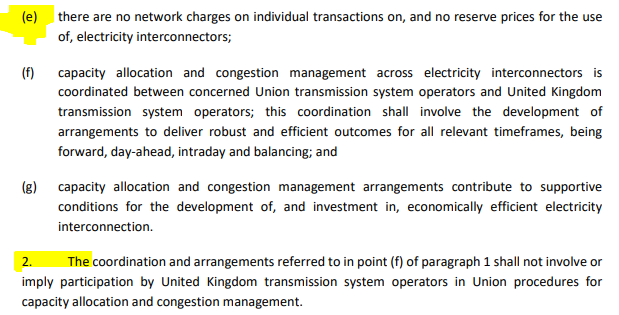
▶️ No network charges on individual interconnector transactions (as now)
▶️ But, UK cannot participate in EU procedures for capacity allocation and congestion management (more on this later)
(Article ENER.13, page 163)
4/
Gas trading: looks like the UK stays in the existing PRISMA gas trading platform.
Not my specialist area, but is this because PRISMA isn't an EU institution (unlike electricity market coupling)?
https://t.co/5GQJtZDpTa
(Article ENER. 15, page 164)
5/
It may be Boxing day, but I've had a quick look
Title VIII: Energy is the key section (page 156 onwards)
▶️ Standard stuff on commitment to competition, unbundling and customer choice
▶️ UK Capacity Market no longer needs to try to integrate overseas Capacity providers & vice versa
(Article ENER.6, Clause 3, page. 160)
2/
▶️ Existing "exemptions" for selected interconnectors will continue to apply.
This means that these interconnectors can continue to sell capacity rights ahead of time, rather than all through close to real-time markets.
(Article ENER.11, page 162)
3/
▶️ No network charges on individual interconnector transactions (as now)
▶️ But, UK cannot participate in EU procedures for capacity allocation and congestion management (more on this later)
(Article ENER.13, page 163)
4/
Gas trading: looks like the UK stays in the existing PRISMA gas trading platform.
Not my specialist area, but is this because PRISMA isn't an EU institution (unlike electricity market coupling)?
https://t.co/5GQJtZDpTa
(Article ENER. 15, page 164)
5/

You May Also Like





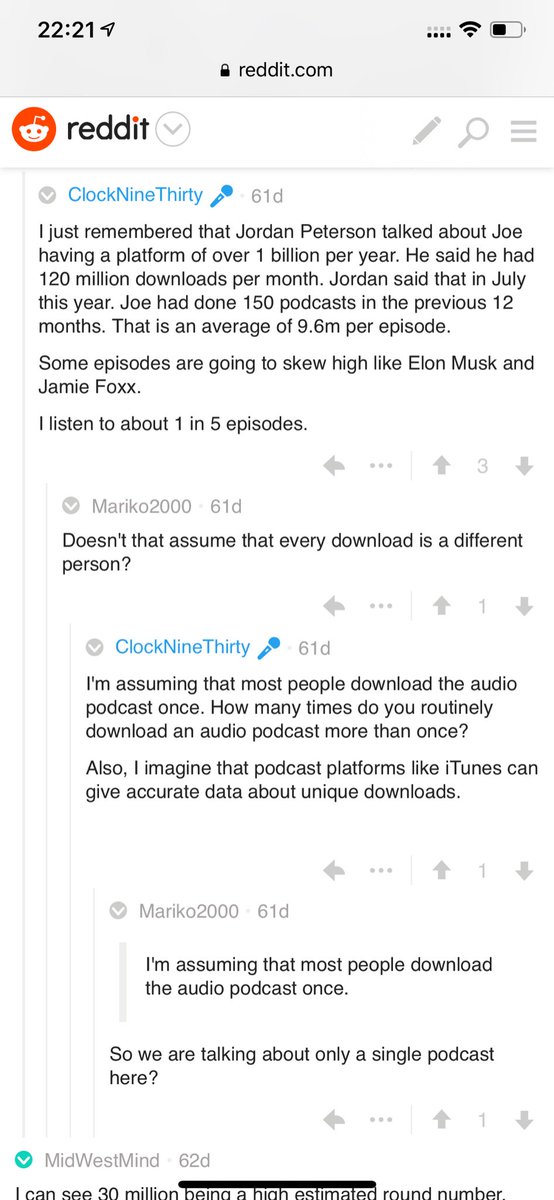
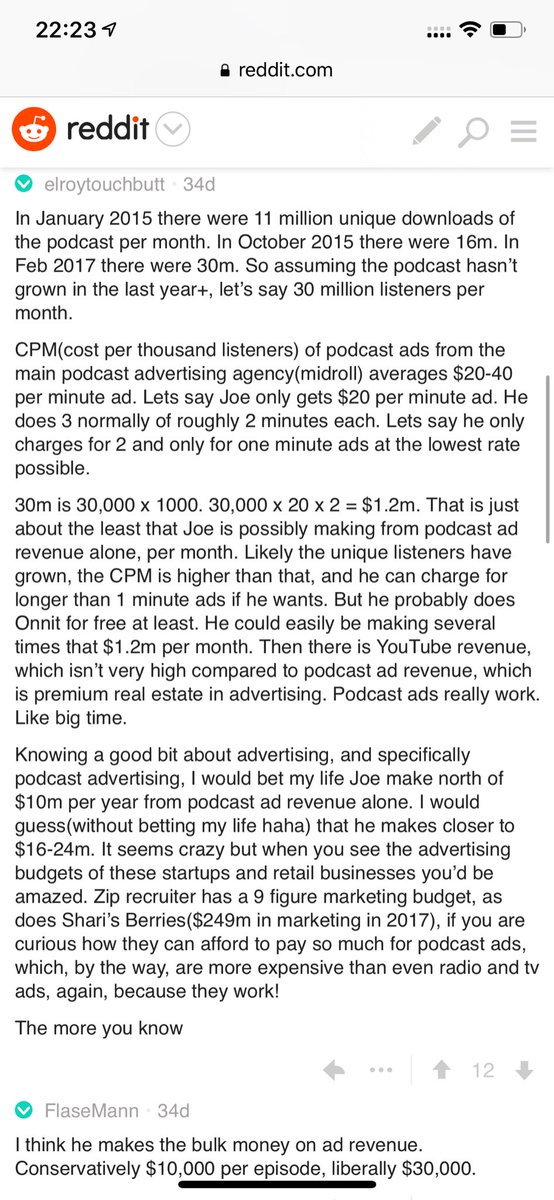
Joe Rogan's podcast is now is listened to 1.5+ billion times per year at around $50-100M/year revenue.
Independent and 100% owned by Joe, no networks, no middle men and a 100M+ people audience.
👏
https://t.co/RywAiBxA3s
Joe is the #1 / #2 podcast (depends per week) of all podcasts
120 million plays per month source https://t.co/k7L1LfDdcM
https://t.co/aGcYnVDpMu
Independent and 100% owned by Joe, no networks, no middle men and a 100M+ people audience.
👏
https://t.co/RywAiBxA3s
Joe is the #1 / #2 podcast (depends per week) of all podcasts
120 million plays per month source https://t.co/k7L1LfDdcM
https://t.co/aGcYnVDpMu

So friends here is the thread on the recommended pathway for new entrants in the stock market.
Here I will share what I believe are essentials for anybody who is interested in stock markets and the resources to learn them, its from my experience and by no means exhaustive..
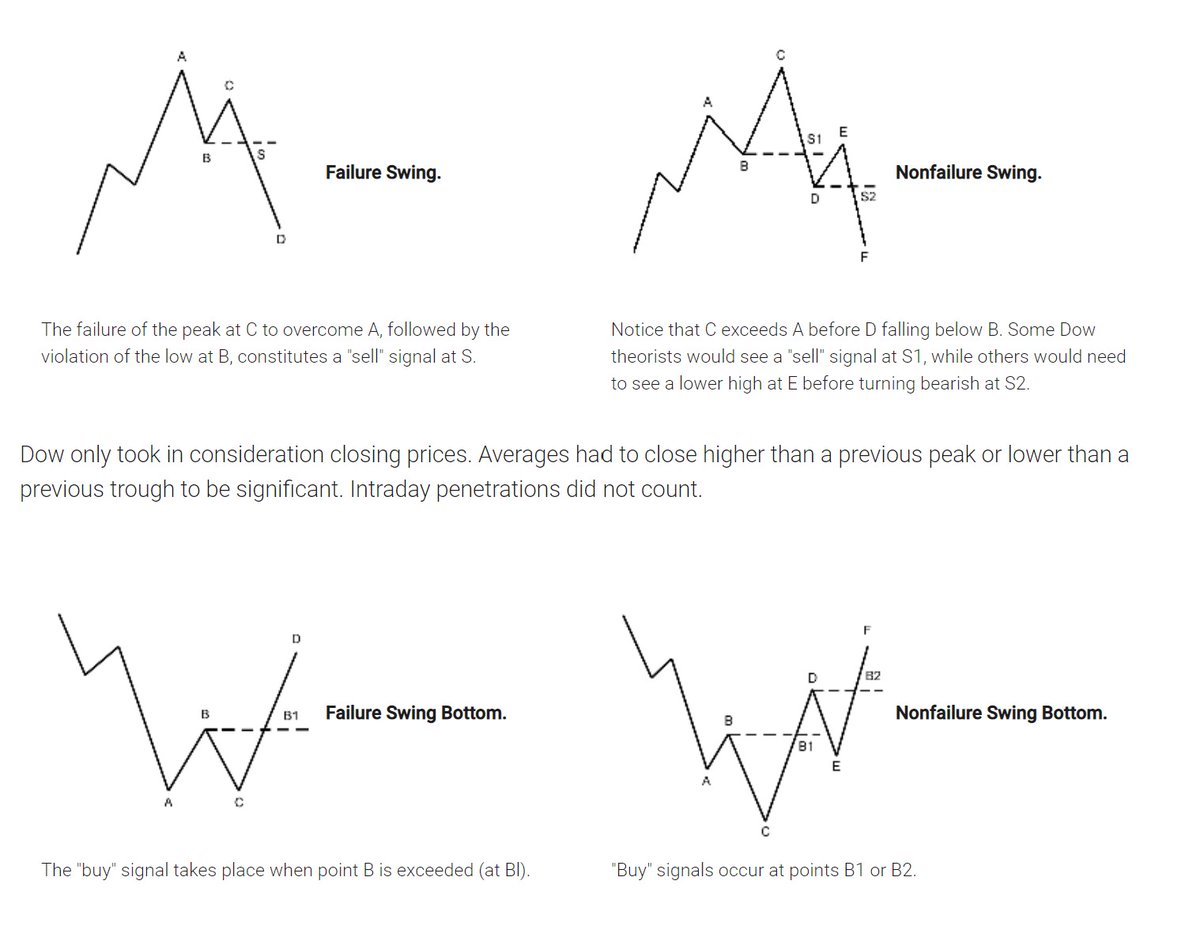
First the very basic : The Dow theory, Everybody must have basic understanding of it and must learn to observe High Highs, Higher Lows, Lower Highs and Lowers lows on charts and their
Even those who are more inclined towards fundamental side can also benefit from Dow theory, as it can hint start & end of Bull/Bear runs thereby indication entry and exits.
Next basic is Wyckoff's Theory. It tells how accumulation and distribution happens with regularity and how the market actually
Dow theory is old but
Here I will share what I believe are essentials for anybody who is interested in stock markets and the resources to learn them, its from my experience and by no means exhaustive..
First the very basic : The Dow theory, Everybody must have basic understanding of it and must learn to observe High Highs, Higher Lows, Lower Highs and Lowers lows on charts and their
Even those who are more inclined towards fundamental side can also benefit from Dow theory, as it can hint start & end of Bull/Bear runs thereby indication entry and exits.
Next basic is Wyckoff's Theory. It tells how accumulation and distribution happens with regularity and how the market actually
Dow theory is old but
Old is Gold....
— Professor (@DillikiBiili) January 23, 2020
this Bharti Airtel chart is a true copy of the Wyckoff Pattern propounded in 1931....... pic.twitter.com/tQ1PNebq7d

