1. It surprises me that on the whole pro Europeans on Twitter view themselves as pragmatists, who rely on evidence to form their opinion.
In fact a long running joke in our 'group' is that Brexit will be a roaring success, if we all just believe hard it will be a roaring success.
Since publishing I've been accused of having called the "vulnerable' person and threatened members of their family, forcing them to confess to the police
*I have cut my own hair during lockdown though.
More from Brexit

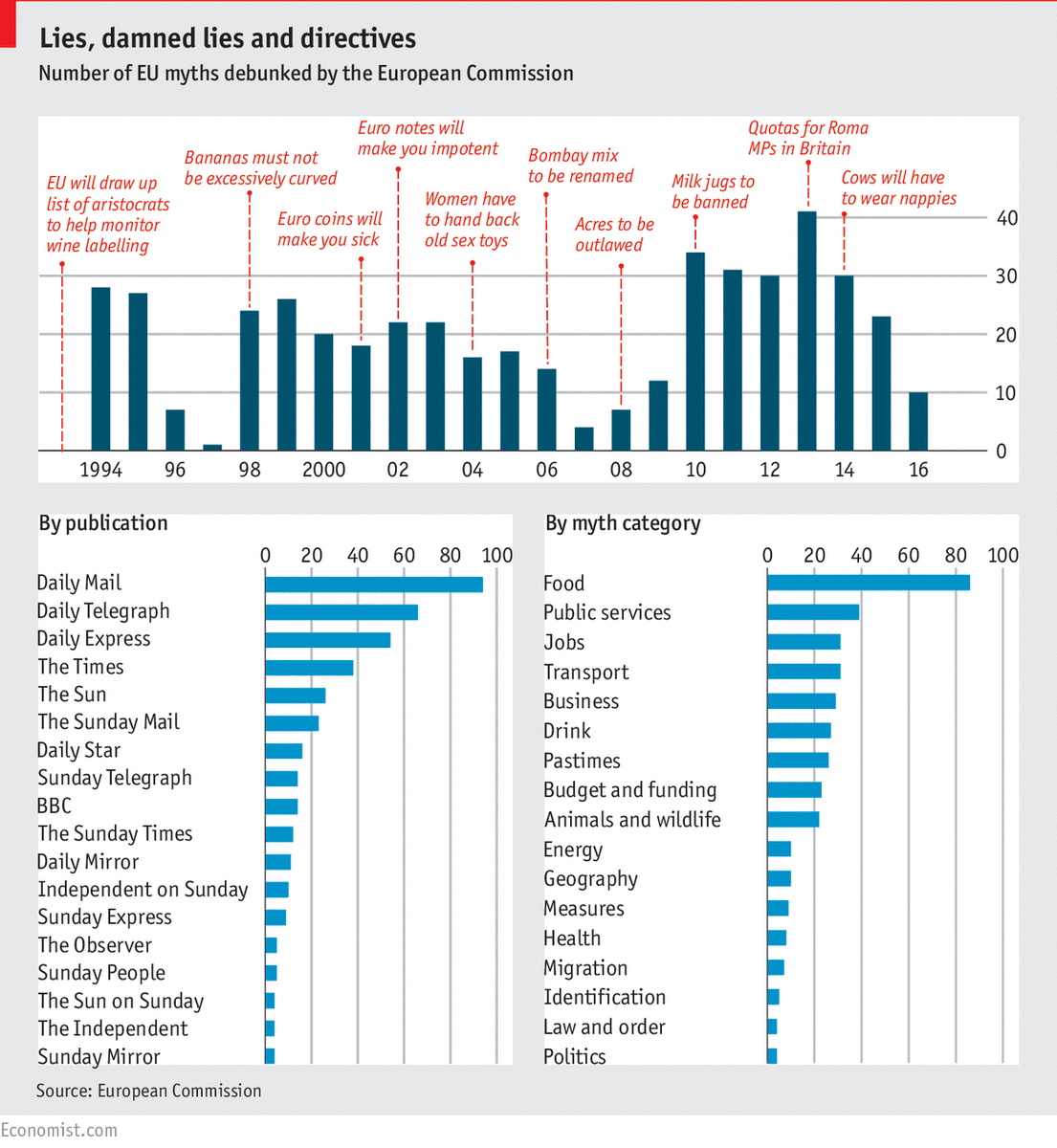



Brexit also brings UK pork sector to standstill. Surprise eh? @RichardAENorth 🙄
UK pork processors are experiencing significant issues in exporting products to the EU, which has already brought part of the industry to a complete standstill, risking knock-on impacts on farm.
The widely seen footage of overzealous Dutch (*my edit: "no they were not"*) inspection officials confiscating ham sandwiches transported by British hauliers is just the tip of the iceberg as far as the UK pig sector is concerned.
The NPA’s processor members have reported that
excessive (*my edit: only for non-EU members*) bureaucracy associated with paperwork requirements are causing delays at Dover, Calais and other ports. With pork being a perishable product, these delays are making UK shipments unattractive to buyers in the EU, forcing processors
to reject shipments and cancel future orders.
Despite the trade deal agreed between the EU & UK just before Christmas, the UK’s formal departure from the EU Customs Union and Single Market was always going to mean additional checks, new labelling and certification requirements
and delays at ports. While the full overall impact of the new rules is yet to be felt, as UK export volumes remain lower than normal for the time of year, the UK pig sector is already feeling the effect. Processors have reported a number of issues, including:
UK pork processors are experiencing significant issues in exporting products to the EU, which has already brought part of the industry to a complete standstill, risking knock-on impacts on farm.
Sector by sector falling overhttps://t.co/6HIXzf8qq8
— Morgan Leahy (@MorganLeahy) January 14, 2021
The widely seen footage of overzealous Dutch (*my edit: "no they were not"*) inspection officials confiscating ham sandwiches transported by British hauliers is just the tip of the iceberg as far as the UK pig sector is concerned.
The NPA’s processor members have reported that
excessive (*my edit: only for non-EU members*) bureaucracy associated with paperwork requirements are causing delays at Dover, Calais and other ports. With pork being a perishable product, these delays are making UK shipments unattractive to buyers in the EU, forcing processors
to reject shipments and cancel future orders.
Despite the trade deal agreed between the EU & UK just before Christmas, the UK’s formal departure from the EU Customs Union and Single Market was always going to mean additional checks, new labelling and certification requirements
and delays at ports. While the full overall impact of the new rules is yet to be felt, as UK export volumes remain lower than normal for the time of year, the UK pig sector is already feeling the effect. Processors have reported a number of issues, including: