
The best place to lose money in this world is Trading.
Trading is misunderstood!
I understand why — it’s a complex process with lots of conflicting advice.
Here’s the good news.
With a little effort & dedication, you can do better in
More from Indrazith Shantharaj
"VOLUME is the ultimate Trading cheat code" PART 2
Please read the FIRST Thread Before Reading this!
https://t.co/IV1HrDlzqk
#StockMarket #stock #volumeintrading
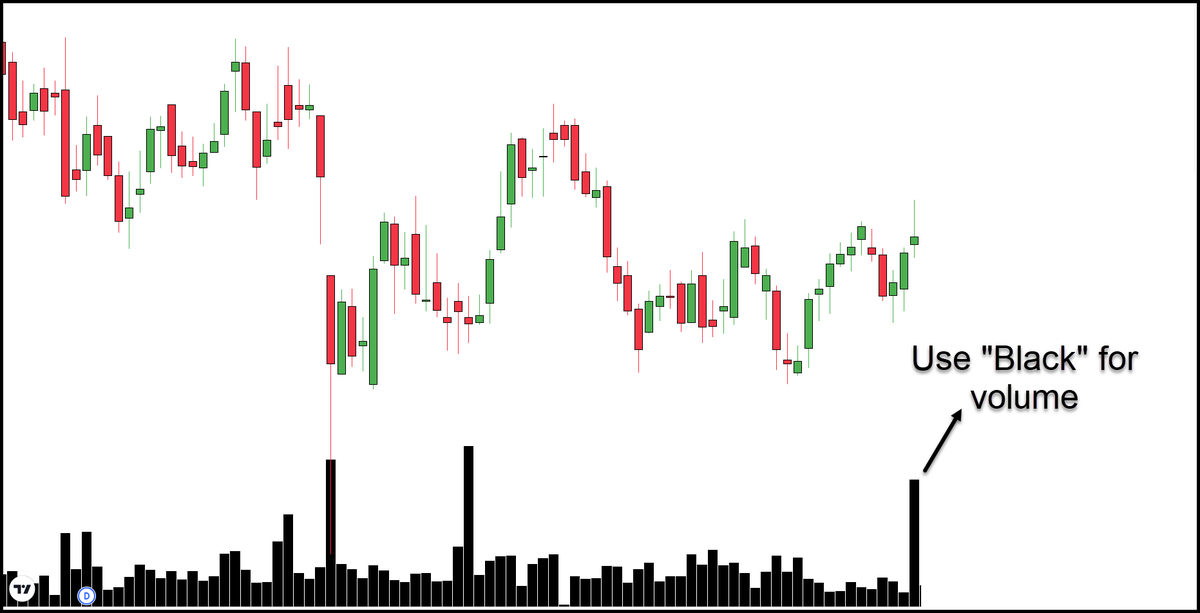
#1 Volume Color Can Create a False Illusion
At first look, it looks like a big volume spike.
But if you notice the price candle, it has a big selling wick.
It indicates "SELLING PRESSURE" is high at that time.

We can easily avoid this false impression using the "BLACK" color code across all the volume bars.
Now your mind doesn't assume it is a bullish volume spike!
(If you don't want to use the black color, then view the chart without getting any bias based on the volume color)
#2 Analyze Each Volume Spike Carefully
In this image, the price is breaking the resistance trendline.
How do you say whether it is a genuine breakout or false breakout (from a volume perspective)?

Observe the major Volume Spikes.
A is Bullish (Price moved upside on the next day)
B is Bearish (Price fell on the next day)
C is Bearish (Price moved sideways and fell)
D is Bearish (Price fell on the next day)
So High Probability of FALSE BREAKOUT!

Please read the FIRST Thread Before Reading this!
https://t.co/IV1HrDlzqk
#StockMarket #stock #volumeintrading
VOLUME is the ultimate Trading cheat code.
— Indrazith Shantharaj (@indraziths) August 6, 2022
But, most people never use it in the right way \u2013 because no one ever taught them how.
Here are 10 psychological triggers to knowing Volume in a better way :
#1 Volume Color Can Create a False Illusion
At first look, it looks like a big volume spike.
But if you notice the price candle, it has a big selling wick.
It indicates "SELLING PRESSURE" is high at that time.
We can easily avoid this false impression using the "BLACK" color code across all the volume bars.
Now your mind doesn't assume it is a bullish volume spike!
(If you don't want to use the black color, then view the chart without getting any bias based on the volume color)
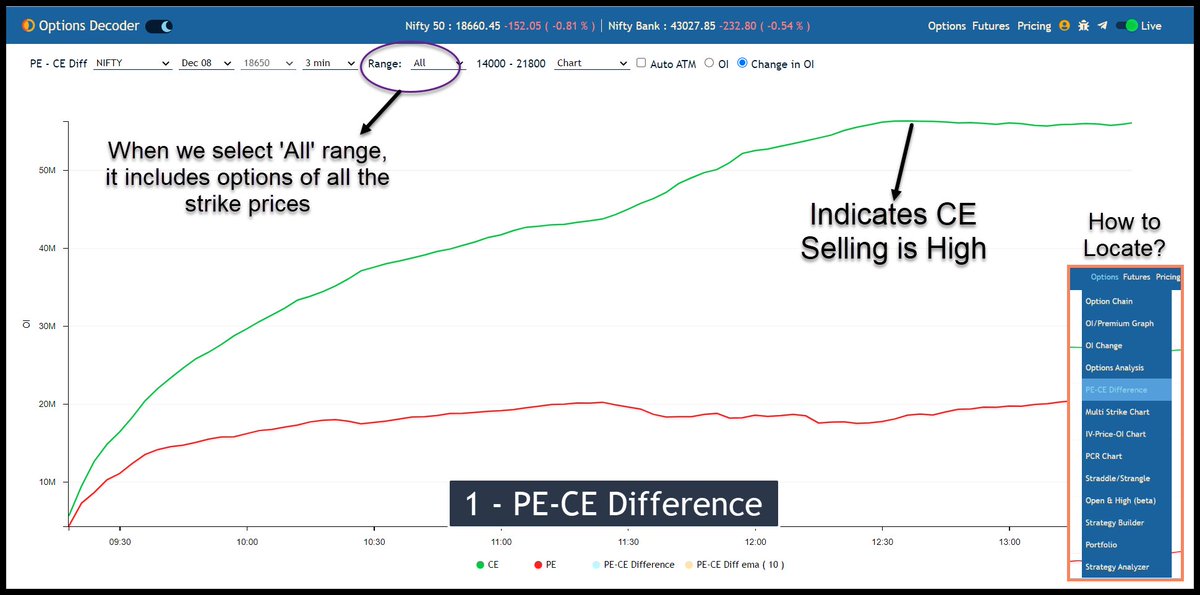
#2 Analyze Each Volume Spike Carefully
In this image, the price is breaking the resistance trendline.
How do you say whether it is a genuine breakout or false breakout (from a volume perspective)?
Observe the major Volume Spikes.
A is Bullish (Price moved upside on the next day)
B is Bearish (Price fell on the next day)
C is Bearish (Price moved sideways and fell)
D is Bearish (Price fell on the next day)
So High Probability of FALSE BREAKOUT!




More from Bookstoread









You May Also Like

1/OK, data mystery time.
This New York Times feature shows China with a Gini Index of less than 30, which would make it more equal than Canada, France, or the Netherlands. https://t.co/g3Sv6DZTDE
That's weird. Income inequality in China is legendary.
Let's check this number.
2/The New York Times cites the World Bank's recent report, "Fair Progress? Economic Mobility across Generations Around the World".
The report is available here:
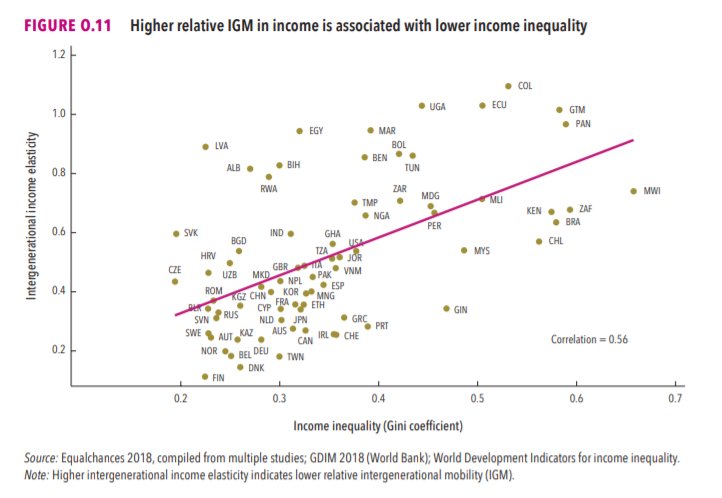
3/The World Bank report has a graph in which it appears to show the same value for China's Gini - under 0.3.
The graph cites the World Development Indicators as its source for the income inequality data.
4/The World Development Indicators are available at the World Bank's website.
Here's the Gini index: https://t.co/MvylQzpX6A
It looks as if the latest estimate for China's Gini is 42.2.
That estimate is from 2012.
5/A Gini of 42.2 would put China in the same neighborhood as the U.S., whose Gini was estimated at 41 in 2013.
I can't find the <30 number anywhere. The only other estimate in the tables for China is from 2008, when it was estimated at 42.8.
This New York Times feature shows China with a Gini Index of less than 30, which would make it more equal than Canada, France, or the Netherlands. https://t.co/g3Sv6DZTDE
That's weird. Income inequality in China is legendary.
Let's check this number.
2/The New York Times cites the World Bank's recent report, "Fair Progress? Economic Mobility across Generations Around the World".
The report is available here:
3/The World Bank report has a graph in which it appears to show the same value for China's Gini - under 0.3.
The graph cites the World Development Indicators as its source for the income inequality data.
4/The World Development Indicators are available at the World Bank's website.
Here's the Gini index: https://t.co/MvylQzpX6A
It looks as if the latest estimate for China's Gini is 42.2.
That estimate is from 2012.
5/A Gini of 42.2 would put China in the same neighborhood as the U.S., whose Gini was estimated at 41 in 2013.
I can't find the <30 number anywhere. The only other estimate in the tables for China is from 2008, when it was estimated at 42.8.












The entire discussion around Facebook’s disclosures of what happened in 2016 is very frustrating. No exec stopped any investigations, but there were a lot of heated discussions about what to publish and when.
In the spring and summer of 2016, as reported by the Times, activity we traced to GRU was reported to the FBI. This was the standard model of interaction companies used for nation-state attacks against likely US targeted.
In the Spring of 2017, after a deep dive into the Fake News phenomena, the security team wanted to publish an update that covered what we had learned. At this point, we didn’t have any advertising content or the big IRA cluster, but we did know about the GRU model.
This report when through dozens of edits as different equities were represented. I did not have any meetings with Sheryl on the paper, but I can’t speak to whether she was in the loop with my higher-ups.
In the end, the difficult question of attribution was settled by us pointing to the DNI report instead of saying Russia or GRU directly. In my pre-briefs with members of Congress, I made it clear that we believed this action was GRU.
The story doesn\u2019t say you were told not to... it says you did so without approval and they tried to obfuscate what you found. Is that true?
— Sarah Frier (@sarahfrier) November 15, 2018
In the spring and summer of 2016, as reported by the Times, activity we traced to GRU was reported to the FBI. This was the standard model of interaction companies used for nation-state attacks against likely US targeted.
In the Spring of 2017, after a deep dive into the Fake News phenomena, the security team wanted to publish an update that covered what we had learned. At this point, we didn’t have any advertising content or the big IRA cluster, but we did know about the GRU model.
This report when through dozens of edits as different equities were represented. I did not have any meetings with Sheryl on the paper, but I can’t speak to whether she was in the loop with my higher-ups.
In the end, the difficult question of attribution was settled by us pointing to the DNI report instead of saying Russia or GRU directly. In my pre-briefs with members of Congress, I made it clear that we believed this action was GRU.