
Inauguration thread: With Joe Biden taking the oath of office tomorrow, what better time to think back 32 years to the inauguration speech of another seasoned former VP and the resounding (and often misunderstood) impacts on US policy toward Iran that linger to this day. 1/15
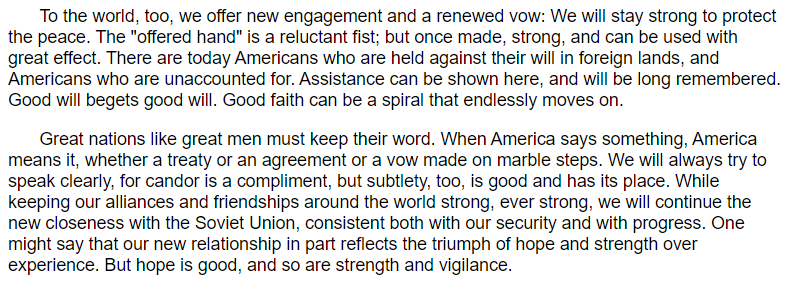
He signed a classified policy directive instructing US to "be prepared for a normal relationship with Iran" and authorized the beginning of indirect negotiations. 4/15
By the end of 1991, all Americans were freed from Lebanon. The US began to offer some promised "good will" in response. 5/15
It was a contradiction of Bush's inaugural pledge that left Rafsanjani out to dry. Why?
8/15
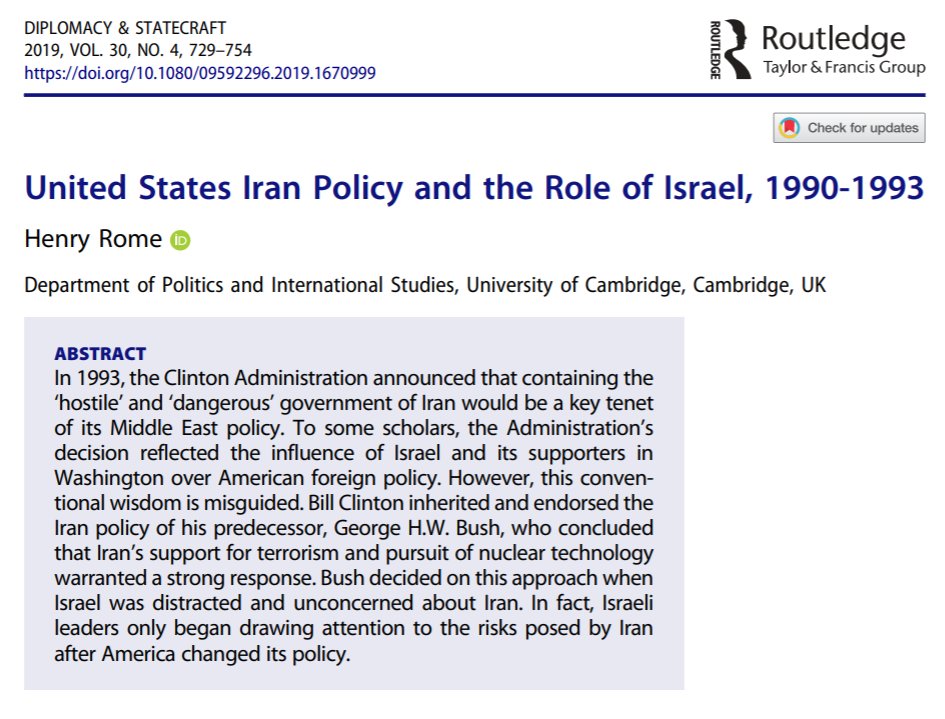
This included the March 1992 suicide attack on the Israeli embassy in Buenos Aires, carried out by Hezbollah. 9/15
The Bush administration pivoted to a much more forward-leaning posture toward Iran, which Clinton adopted in his "Dual Containment" policy. 13/15
https://t.co/pN6O5lOBHa
15/15
More from Biden


This is the start of my second thread of the front pages of newspapers on this date January 21, 2021. Click below for the first thread. #inaguration2021
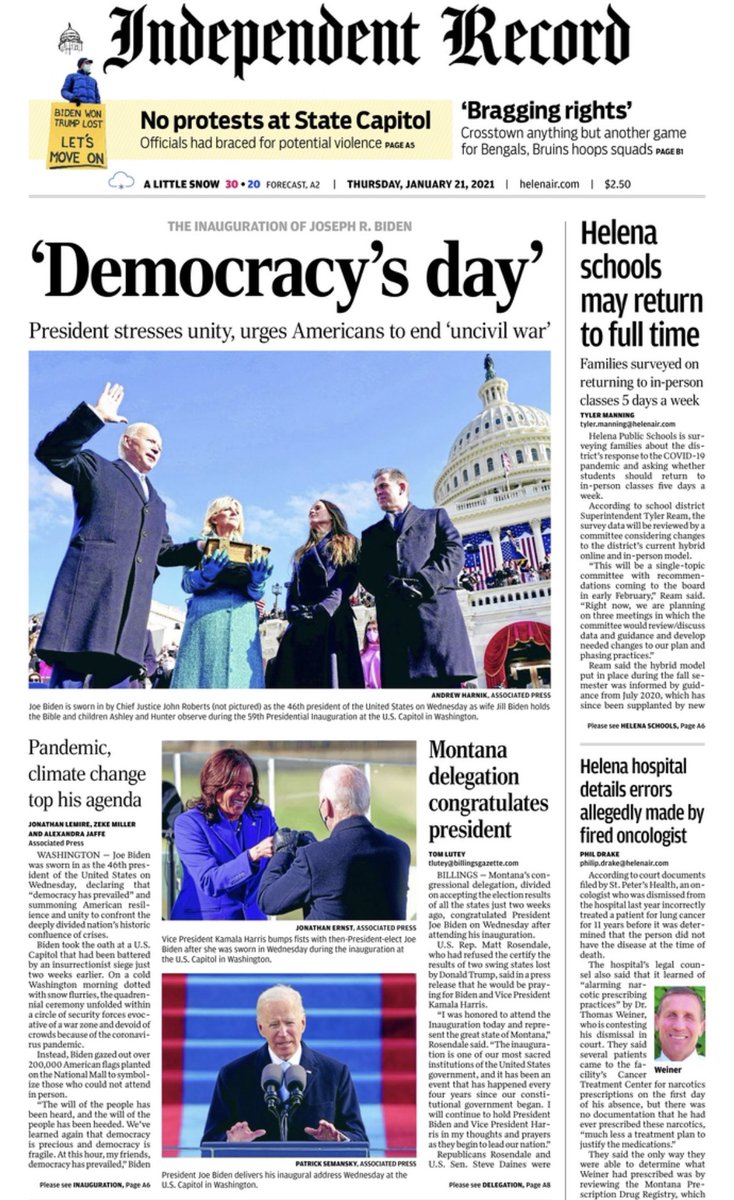
Front page of the Independent Record on this date January 21, 2021. #OTD #Inauguration2021
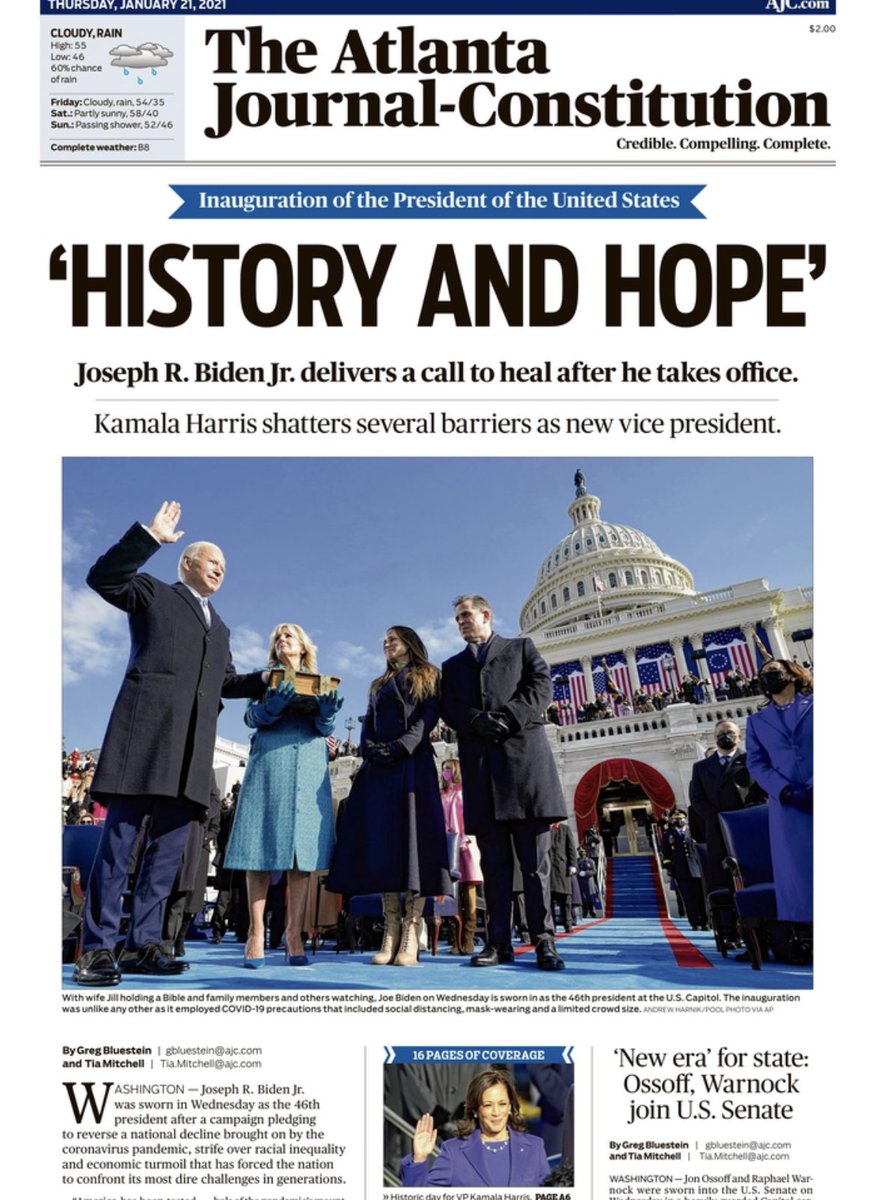
Front page of The Atlanta Journal-Constitution on this date January 21, 2021. #OTD #Inauguration2021
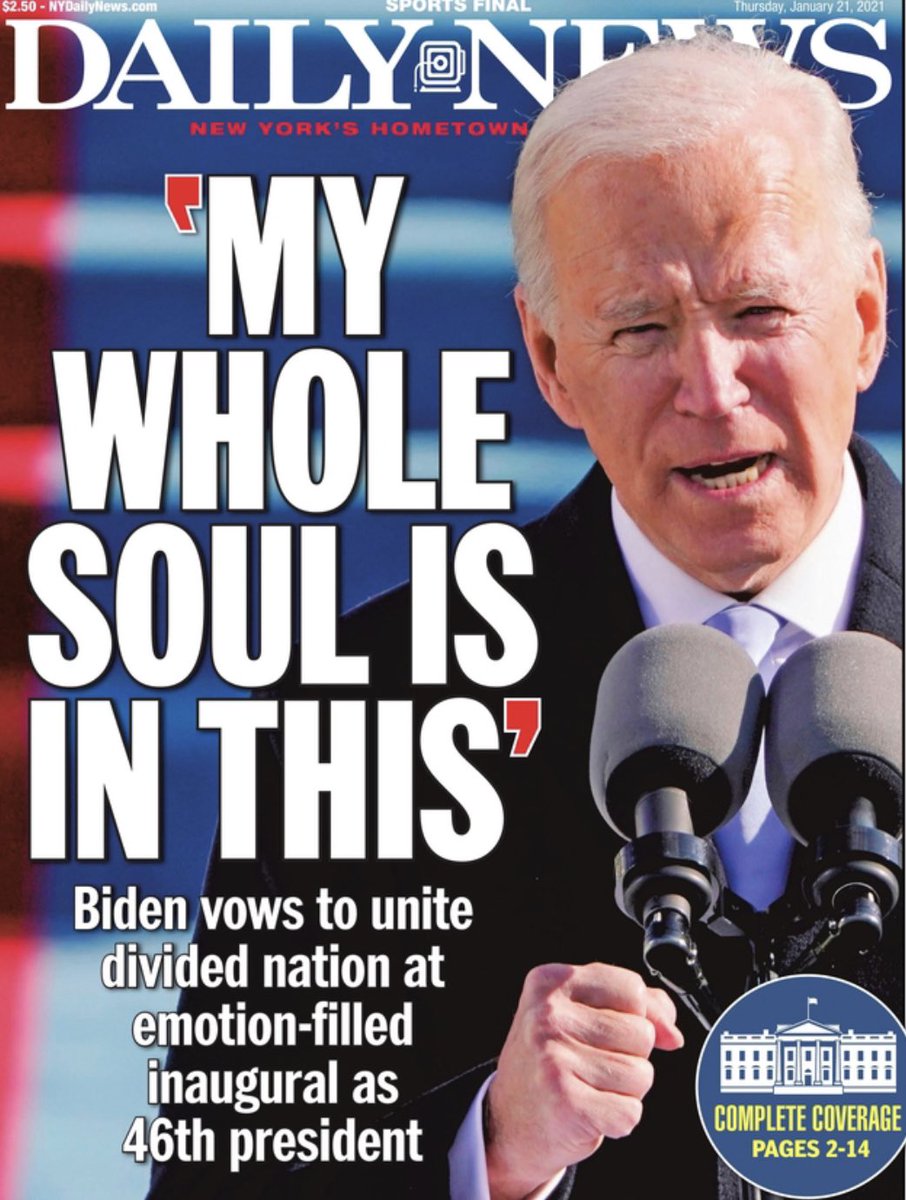
Front page of the Daily News on this date January 21, 2021. #OTD #Inauguration2021
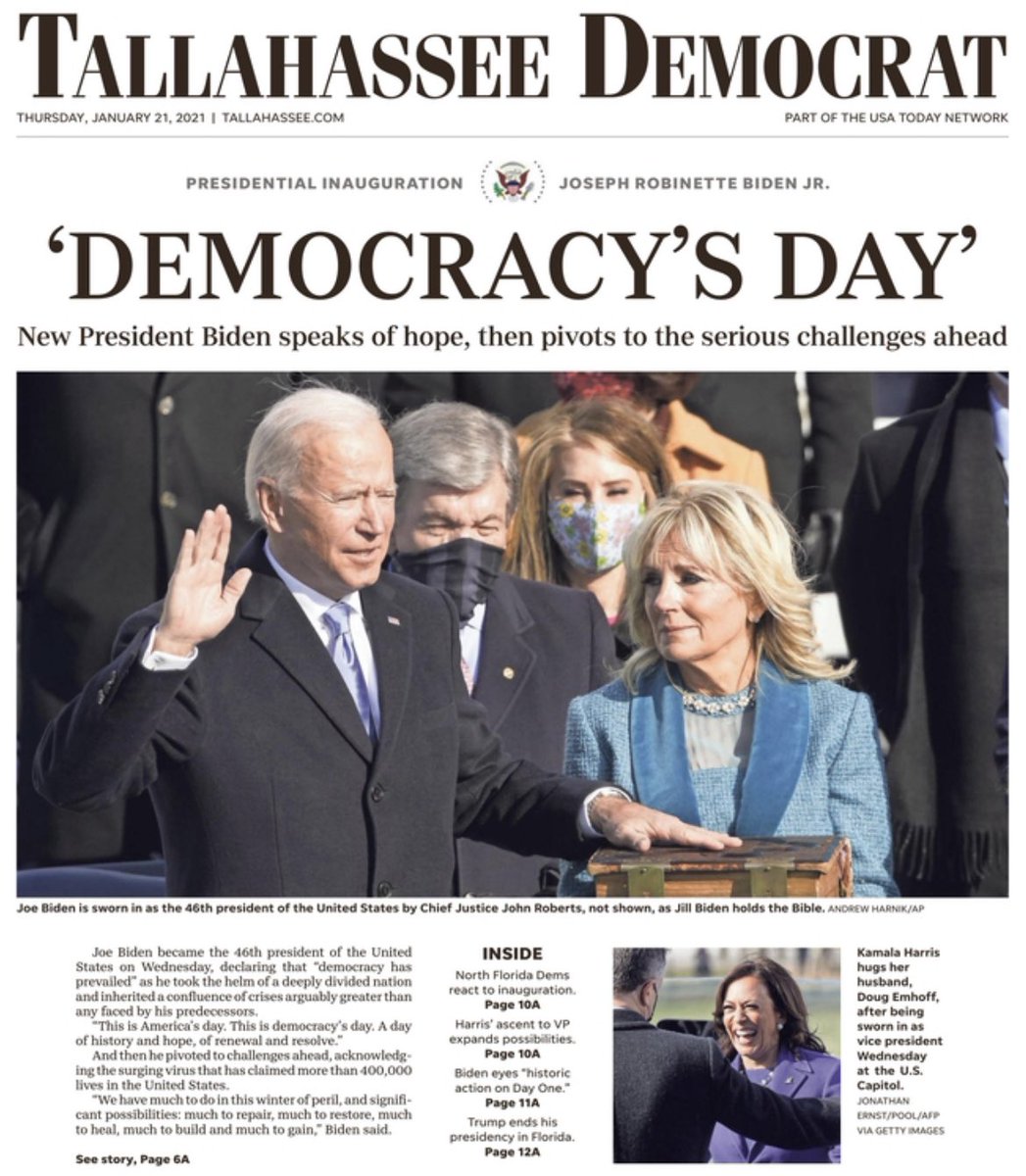
Front page of the Tallahassee Democrat on this date January 21, 2021. #OTD #Inauguration2021
Front page of the Wyoming Tribune Eagle on this date January 21, 2021. #OTD #Inauguration2021 pic.twitter.com/9fmnaJtChM
— Dr. Jeffrey Guterman (@JeffreyGuterman) January 21, 2021
Front page of the Independent Record on this date January 21, 2021. #OTD #Inauguration2021
Front page of The Atlanta Journal-Constitution on this date January 21, 2021. #OTD #Inauguration2021
Front page of the Daily News on this date January 21, 2021. #OTD #Inauguration2021
Front page of the Tallahassee Democrat on this date January 21, 2021. #OTD #Inauguration2021



You May Also Like



12 TRADING SETUPS which experts are using.
These setups I found from the following 4 accounts:
1. @Pathik_Trader
2. @sourabhsiso19
3. @ITRADE191
4. @DillikiBiili
Share for the benefit of everyone.
Here are the setups from @Pathik_Trader Sir first.
1. Open Drive (Intraday Setup explained)
Bactesting results of Open Drive
2. Two Price Action setups to get good long side trade for intraday.
1. PDC Acts as Support
2. PDH Acts as
Example of PDC/PDH Setup given
These setups I found from the following 4 accounts:
1. @Pathik_Trader
2. @sourabhsiso19
3. @ITRADE191
4. @DillikiBiili
Share for the benefit of everyone.
Here are the setups from @Pathik_Trader Sir first.
1. Open Drive (Intraday Setup explained)
#OpenDrive#intradaySetup
— Pathik (@Pathik_Trader) April 16, 2019
Sharing one high probability trending setup for intraday.
Few conditions needs to be met
1. Opening should be above/below previous day high/low for buy/sell setup.
2. Open=low (for buy)
Open=high (for sell)
(1/n)
Bactesting results of Open Drive
Already explained strategy of #opendrive
— Pathik (@Pathik_Trader) May 27, 2020
Backtested results in 30 stocks and nifty, banknifty.
Success ratio : approx 40-45%
RR average 1:2
Entry as per strategy
Stoploss = Open level
Exit 3:15 PM Or SL
39 months 14 months -ve, 25 +ve
Yearly all 4 years +ve performance. pic.twitter.com/nGqhzMKGVy
2. Two Price Action setups to get good long side trade for intraday.
1. PDC Acts as Support
2. PDH Acts as
So today we will discuss two more price action setups to get good long side trade for intraday.
— Pathik (@Pathik_Trader) June 20, 2020
1. PDC Acts as Support
2. PDH Acts as Support
Example of PDC/PDH Setup given
#nifty
— Pathik (@Pathik_Trader) June 23, 2020
This is how it created long setup by taking support at PDC.
hopefully shared setup on last weekend helped. pic.twitter.com/2mduSUpMn5