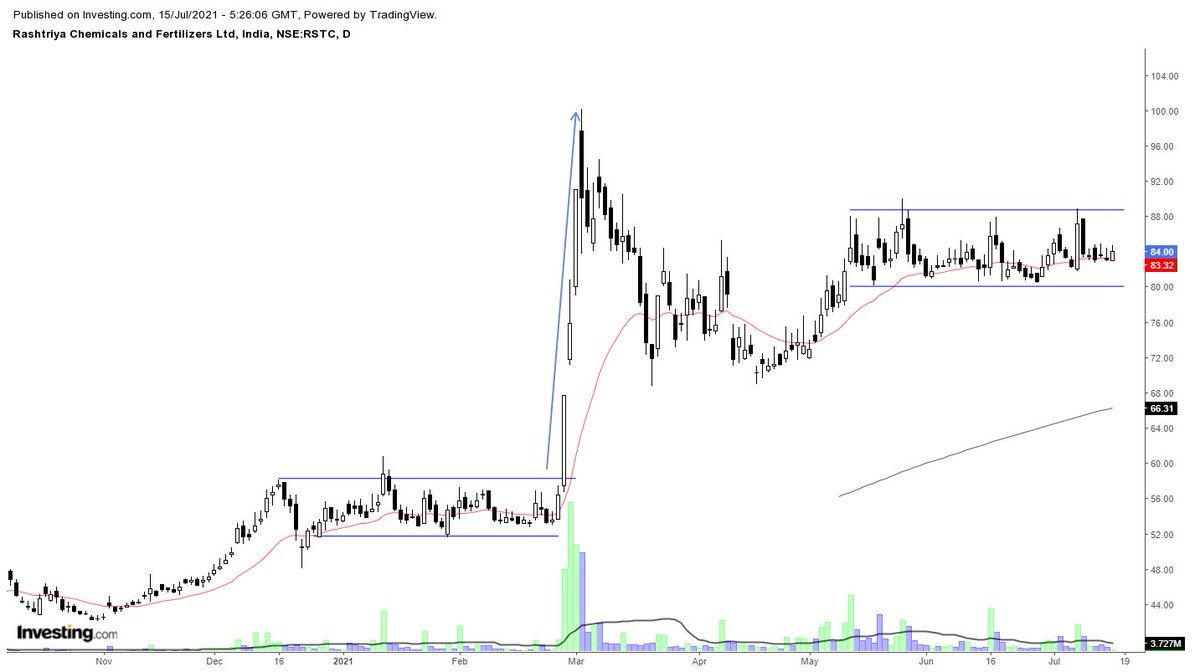
Balaji amines - slowly heading towards the second target of 3640 now after completing the previous one of 3450. https://t.co/p5Z67ErtIk
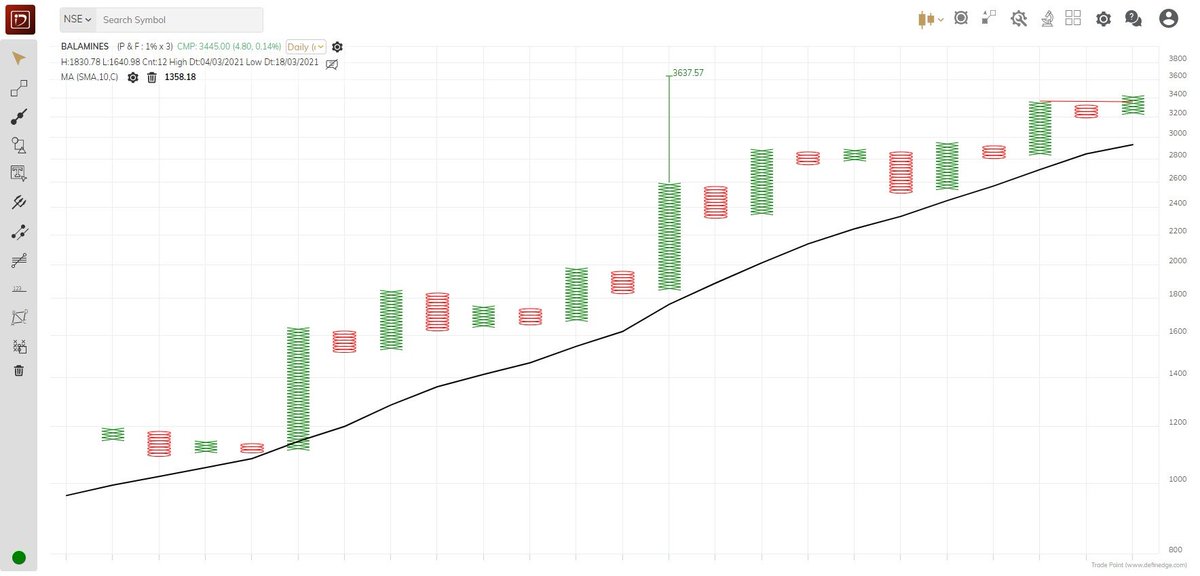
Balaji Amines - Double top buy active on 1%*3 PnF. pic.twitter.com/GNiSblg8TL
— Steve Nison (@nison_steve) July 25, 2021
More from Steve Nison
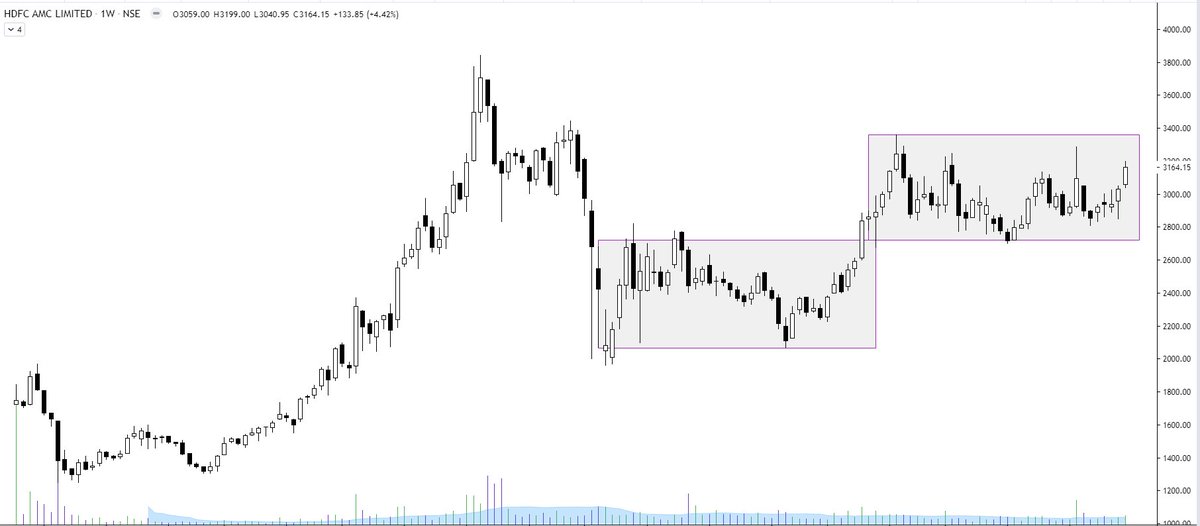
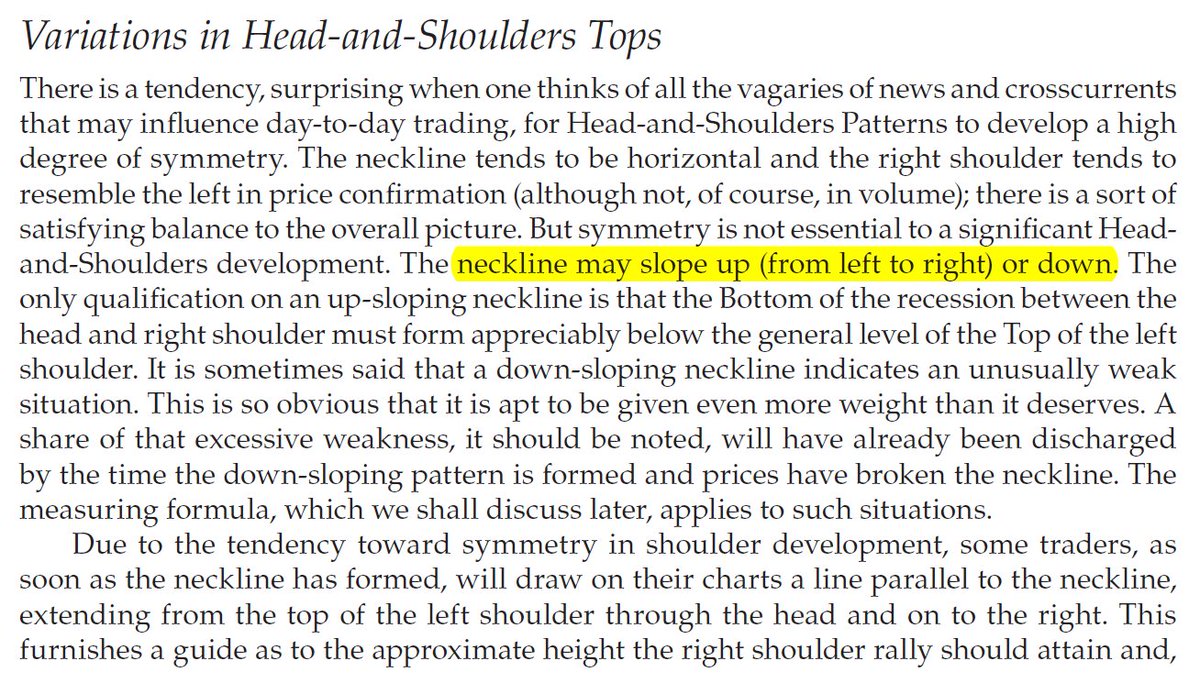
Sir Edwards & Magee discussed sloping necklines in H&S in their classical work. I am considering this breakdown by Affle as an H&S top breakdown with a target open of 770.
— The_Chartist \U0001f4c8 (@charts_zone) May 25, 2022
The target also coincides with support at the exact same level. pic.twitter.com/n84kSgkg4q
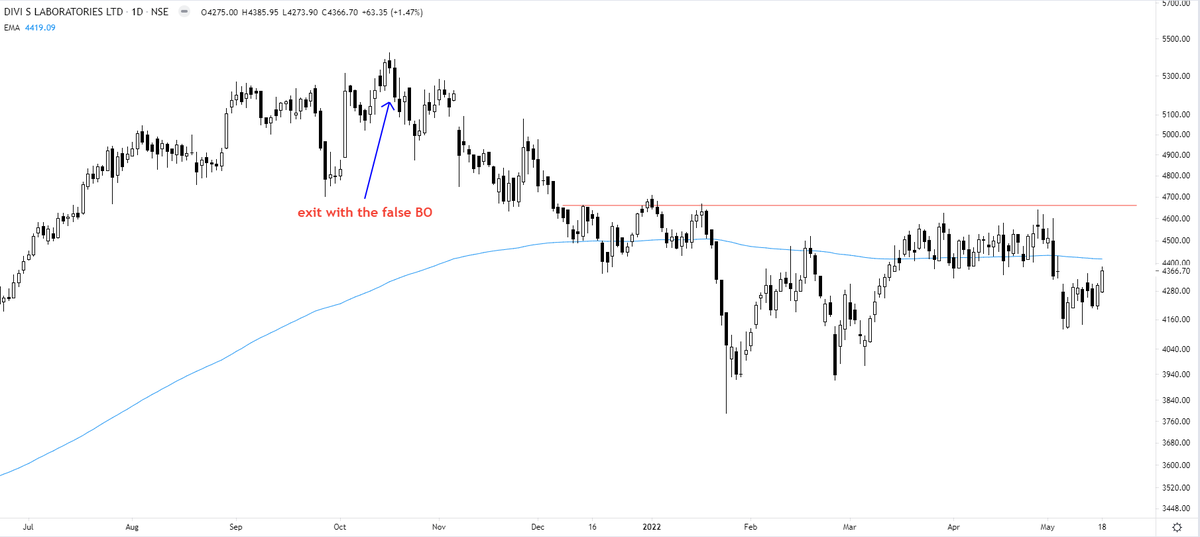
More from Balajiamines

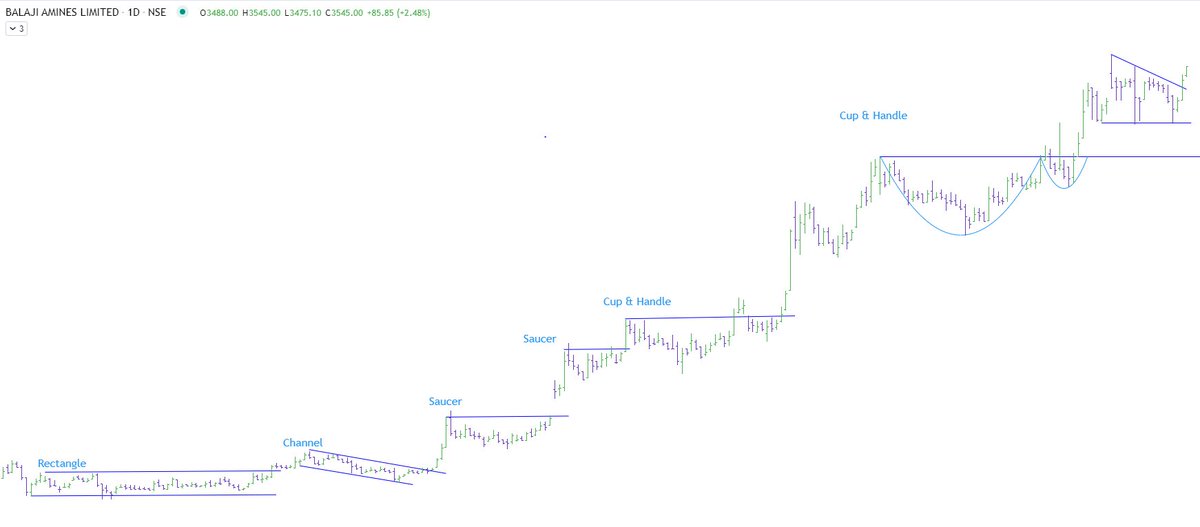
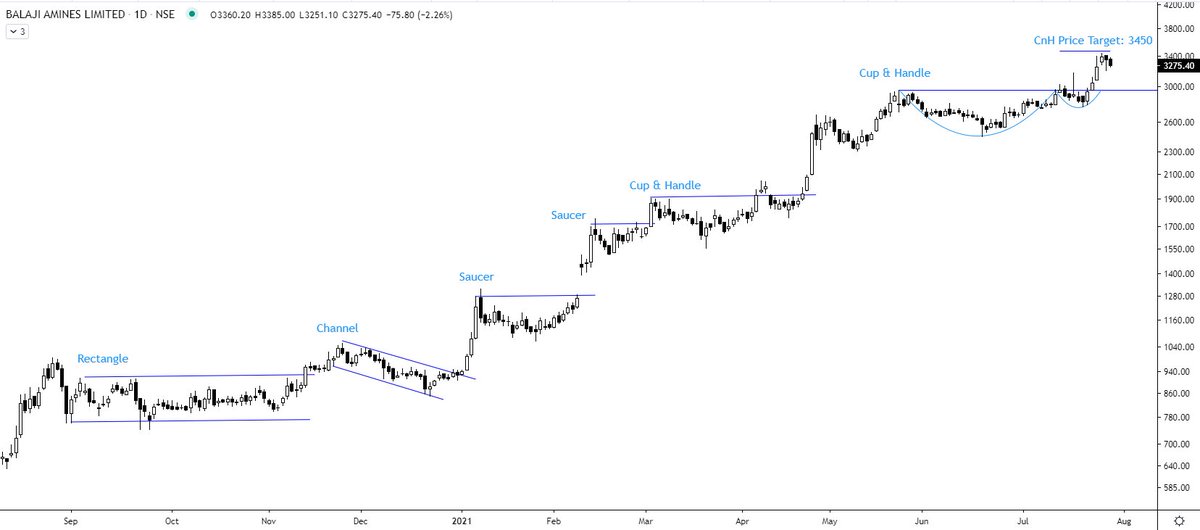

#BalajiAmines
1800 CR Revenue guidelines in fy22 with 26% Margin
Still trade in discount compare to #AlkylAmines
#BalajiAmines\u2019 up 13% this week & over 300% this year so far. @_soniashenoy & @SurabhiUpadhyay speak to MD, D Ram Reddy who says that they will come up with the Acetonitrile plant next financial year. @sonalbhutra pic.twitter.com/7bGxfz8xiO
— CNBC-TV18 (@CNBCTV18News) August 27, 2021


You May Also Like




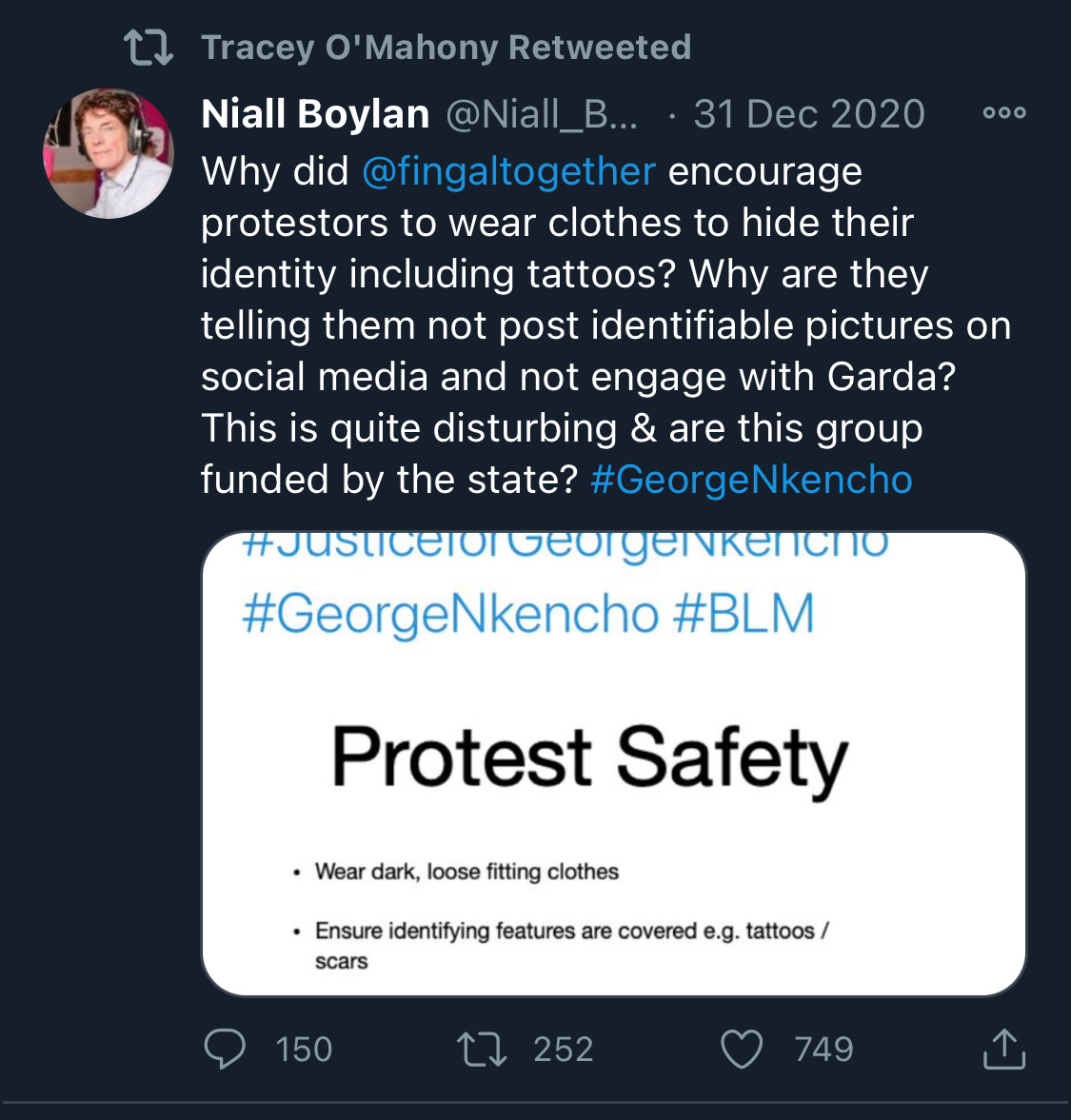
There is co-ordination across the far right in Ireland now to stir both left and right in the hopes of creating a race war. Think critically! Fascists see the tragic killing of #georgenkencho, the grief of his community and pending investigation as a flashpoint for action.
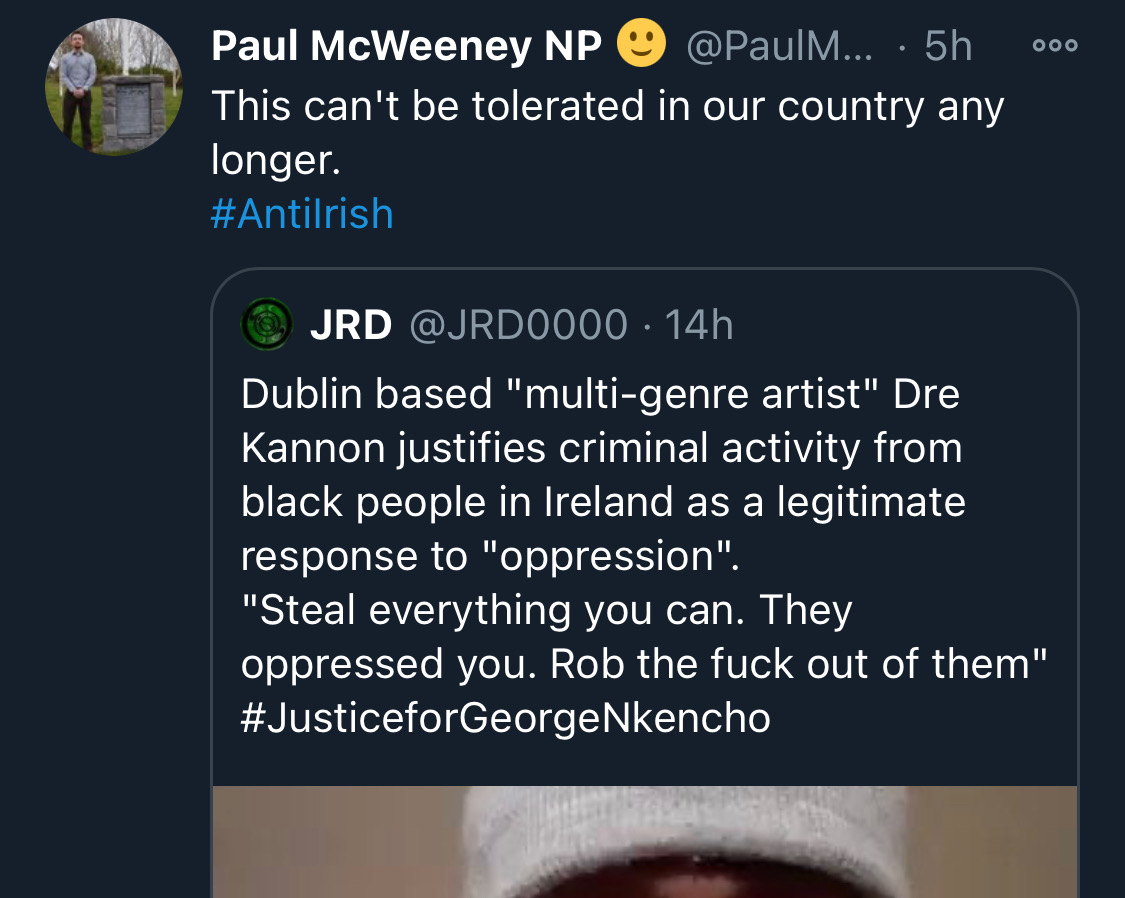
Across Telegram, Twitter and Facebook disinformation is being peddled on the back of these tragic events. From false photographs to the tactics ofwhite supremacy, the far right is clumsily trying to drive hate against minority groups and figureheads.
Be aware, the images the #farright are sharing in the hopes of starting a race war, are not of the SPAR employee that was punched. They\u2019re older photos of a Everton fan. Be aware of the information you\u2019re sharing and that it may be false. Always #factcheck #GeorgeNkencho pic.twitter.com/4c9w4CMk5h
— antifa.drone (@antifa_drone) December 31, 2020
Declan Ganley’s Burkean group and the incel wing of National Party (Gearóid Murphy, Mick O’Keeffe & Co.) as well as all the usuals are concerted in their efforts to demonstrate their white supremacist cred. The quiet parts are today being said out loud.
There is a concerted effort in far-right Telegram groups to try and incite violence on street by targetting people for racist online abuse following the killing of George Nkencho
— Mark Malone (@soundmigration) January 1, 2021
This follows on and is part of a misinformation campaign to polarise communities at this time.
The best thing you can do is challenge disinformation and report posts where engagement isn’t appropriate. Many of these are blatantly racist posts designed to drive recruitment to NP and other Nationalist groups. By all means protest but stay safe.