
1/ A really scarce commodity : the great non-executive director. What we get versus what we’d like...
More from All




ChatGPT is a phenomenal AI Tool.
But don't limit yourself to just ChatGPT.
Here're 8 AI-powered tools you should try in 2023:
1. KaiberAI
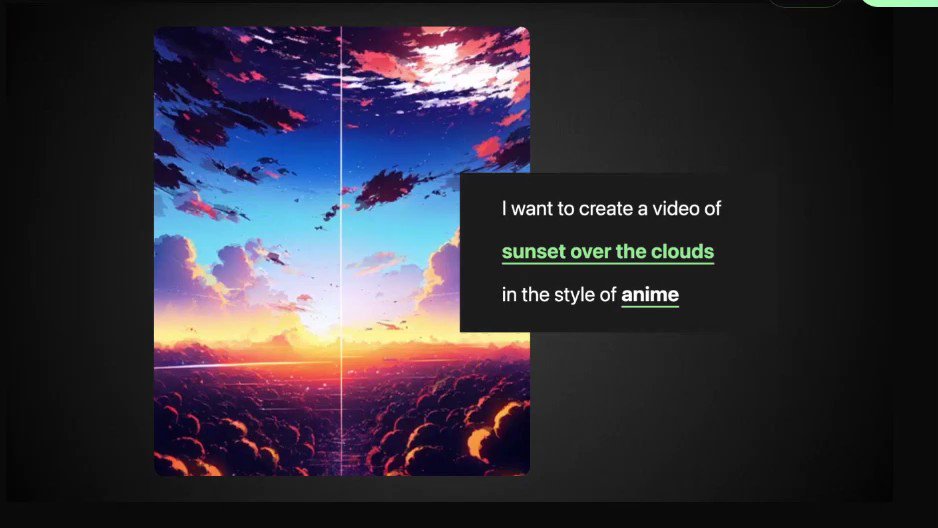
@KaiberAI helps you generate beautiful videos in minutes.
Transform your ideas into the visual stories of your dreams with this Amazing Tool.
New features:
1. Upload your custom music
2. Prompt Templates
3. Camera Movements:
Check here
https://t.co/ivnDRf628L
2. @tldview TLDV
Best ChatGPT Alternative for meetings.
Make your meetings 10X more productive with this amazing tool.
Try it now:
https://t.co/vOy3sS4QfJ

3. ComposeAI
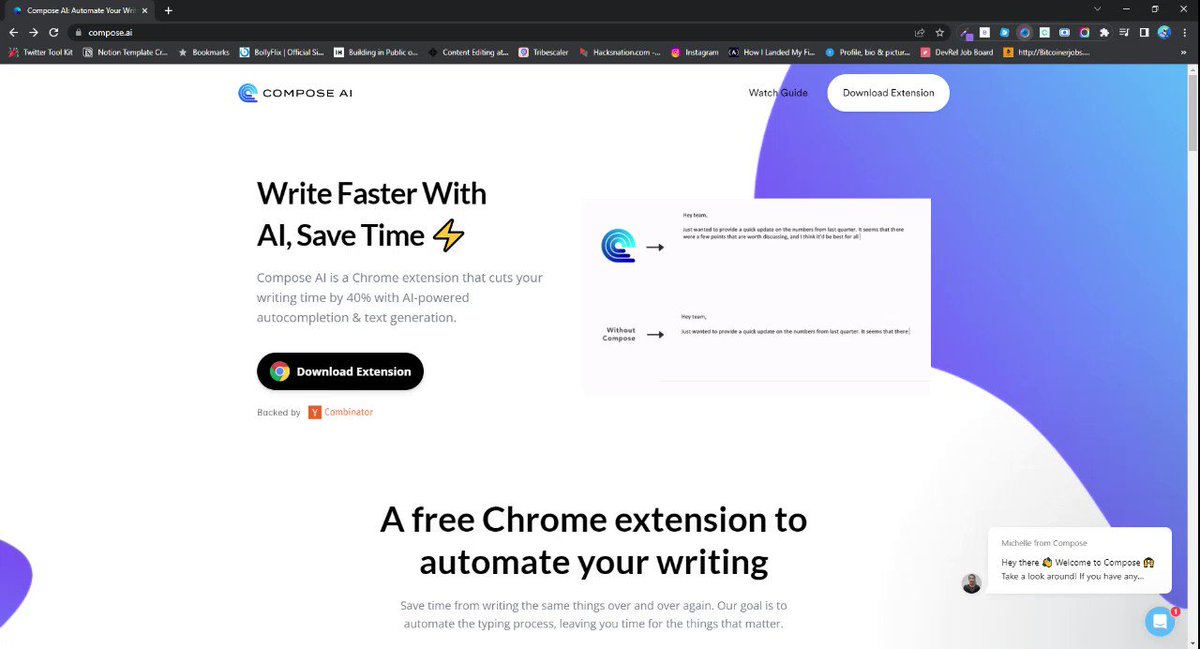
Use ComposeAI for generating any text using AI.
It’s will help you write better content in seconds.
Try it here:
https://t.co/ksj5aop5ZI
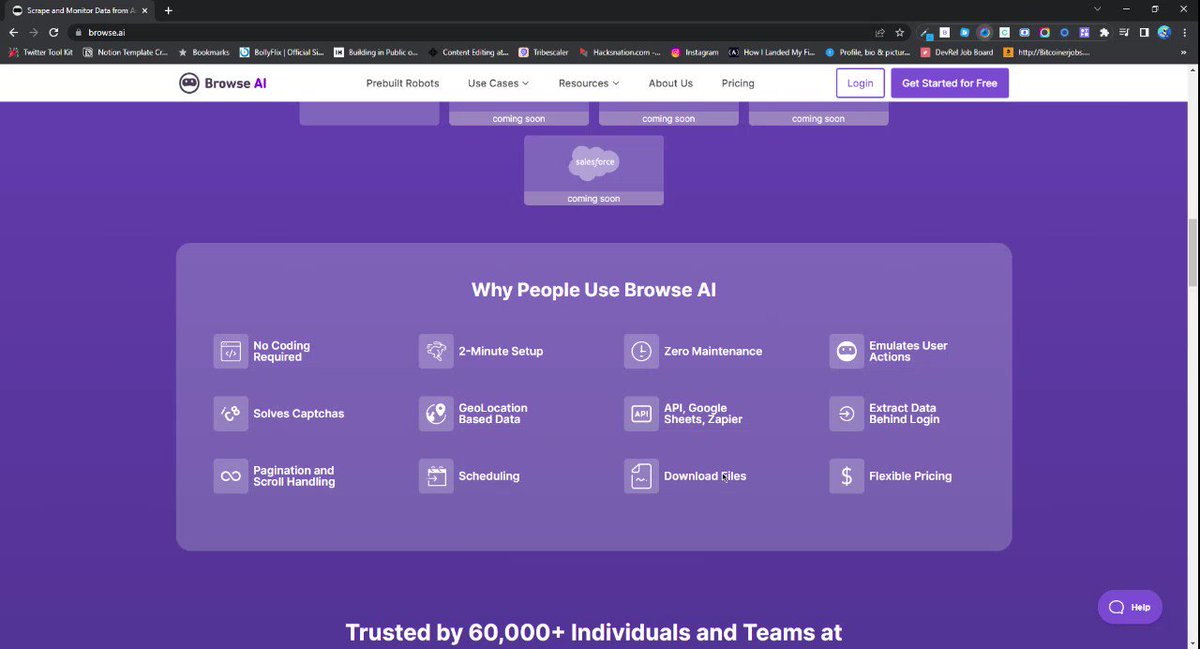
4. Browser AI
Use this AI tool to extract and monitor data from any website.
Train a robot in 2 minutes to do your work.
No coding required.
https://t.co/nNiawtUMyO
But don't limit yourself to just ChatGPT.
Here're 8 AI-powered tools you should try in 2023:
1. KaiberAI
@KaiberAI helps you generate beautiful videos in minutes.
Transform your ideas into the visual stories of your dreams with this Amazing Tool.
New features:
1. Upload your custom music
2. Prompt Templates
3. Camera Movements:
Check here
https://t.co/ivnDRf628L
2. @tldview TLDV
Best ChatGPT Alternative for meetings.
Make your meetings 10X more productive with this amazing tool.
Try it now:
https://t.co/vOy3sS4QfJ
3. ComposeAI
Use ComposeAI for generating any text using AI.
It’s will help you write better content in seconds.
Try it here:
https://t.co/ksj5aop5ZI
4. Browser AI
Use this AI tool to extract and monitor data from any website.
Train a robot in 2 minutes to do your work.
No coding required.
https://t.co/nNiawtUMyO

You May Also Like




1/ Here’s a list of conversational frameworks I’ve picked up that have been helpful.
Please add your own.
2/ The Magic Question: "What would need to be true for you
3/ On evaluating where someone’s head is at regarding a topic they are being wishy-washy about or delaying.
“Gun to the head—what would you decide now?”
“Fast forward 6 months after your sabbatical--how would you decide: what criteria is most important to you?”
4/ Other Q’s re: decisions:
“Putting aside a list of pros/cons, what’s the *one* reason you’re doing this?” “Why is that the most important reason?”
“What’s end-game here?”
“What does success look like in a world where you pick that path?”
5/ When listening, after empathizing, and wanting to help them make their own decisions without imposing your world view:
“What would the best version of yourself do”?
Please add your own.
2/ The Magic Question: "What would need to be true for you
1/\u201cWhat would need to be true for you to\u2026.X\u201d
— Erik Torenberg (@eriktorenberg) December 4, 2018
Why is this the most powerful question you can ask when attempting to reach an agreement with another human being or organization?
A thread, co-written by @deanmbrody: https://t.co/Yo6jHbSit9
3/ On evaluating where someone’s head is at regarding a topic they are being wishy-washy about or delaying.
“Gun to the head—what would you decide now?”
“Fast forward 6 months after your sabbatical--how would you decide: what criteria is most important to you?”
4/ Other Q’s re: decisions:
“Putting aside a list of pros/cons, what’s the *one* reason you’re doing this?” “Why is that the most important reason?”
“What’s end-game here?”
“What does success look like in a world where you pick that path?”
5/ When listening, after empathizing, and wanting to help them make their own decisions without imposing your world view:
“What would the best version of yourself do”?

I just finished Eric Adler's The Battle of the Classics, and wanted to say something about Joel Christiansen's review linked below. I am not sure what motivates the review (I speculate a bit below), but it gives a very misleading impression of the book. 1/x
The meat of the criticism is that the history Adler gives is insufficiently critical. Adler describes a few figures who had a great influence on how the modern US university was formed. It's certainly critical: it focuses on the social Darwinism of these figures. 2/x
Other insinuations and suggestions in the review seem wildly off the mark, distorted, or inappropriate-- for example, that the book is clickbaity (it is scholarly) or conservative (hardly) or connected to the events at the Capitol (give me a break). 3/x
The core question: in what sense is classics inherently racist? Classics is old. On Adler's account, it begins in ancient Rome and is revived in the Renaissance. Slavery (Christiansen's primary concern) is also very old. Let's say classics is an education for slaveowners. 4/x
It's worth remembering that literacy itself is elite throughout most of this history. Literacy is, then, also the education of slaveowners. We can honor oral and musical traditions without denying that literacy is, generally, good. 5/x
As someone\u2019s who\u2019s read the book, this review strikes me as tremendously unfair. It mostly faults Adler for not writing the book the reviewer wishes he had! https://t.co/pqpt5Ziivj
— Teresa M. Bejan (@tmbejan) January 12, 2021
The meat of the criticism is that the history Adler gives is insufficiently critical. Adler describes a few figures who had a great influence on how the modern US university was formed. It's certainly critical: it focuses on the social Darwinism of these figures. 2/x
Other insinuations and suggestions in the review seem wildly off the mark, distorted, or inappropriate-- for example, that the book is clickbaity (it is scholarly) or conservative (hardly) or connected to the events at the Capitol (give me a break). 3/x
The core question: in what sense is classics inherently racist? Classics is old. On Adler's account, it begins in ancient Rome and is revived in the Renaissance. Slavery (Christiansen's primary concern) is also very old. Let's say classics is an education for slaveowners. 4/x
It's worth remembering that literacy itself is elite throughout most of this history. Literacy is, then, also the education of slaveowners. We can honor oral and musical traditions without denying that literacy is, generally, good. 5/x