How to write emails like a boss (according to an award-winning author):

Kabir Sehgal is a bestselling author, US Navy Veteran, Fortune 500 leader, and Grammy Award winning producer.

It’s fair to say he knows a thing or two about effective communication.

Here’s his advice for writing emails with military precision that people respect you for:
1. Subject Line

Everyone knows that the subject line makes or breaks the success of an email.

It applies to cold emails sent in bulk or military generals giving orders to troops on the ground.

By using keywords in their subject lines, the military excels:
SIGN – Requires a signature

DECISION – Requires a decision

COORD – Coordination by or with the recipient

REQUEST – Asks for permission or approval

ACTION – A requirement for the recipient to take some action

INFO – For information only, and no response or action required
Consider using these keywords in all caps in your next email.

Consider writing the following as the subject of your weekly report to your boss:

INFO - Weekly Report

Your email will stand out in their inbox, and the message will be clearly understood.
2. Brevity

The military knows that shorter emails are better.

A message should use as few words as possible while conveying the message accurately.

They do this by trying to fit every email into one pane.

This prevents the recipient from scrolling.
Furthermore, they write everything in an active voice rather than a passive one.

The Air Force manual says, “Besides lengthening and twisting sentences, passive verbs often muddy them.”

Passive:

The tank was shot by an A-10.

Active:

The A-10 shot the tank.
To change the passive to active voice, follow these steps:

1. Determine who is acting in the sentence.

2. Restructure the sentence so that the performer is the focus, clearly performing the verb upon the sentence's direct object.

This will make your email clear and economical.
3. BLUF

In the military, the bottom line is written right at the beginning of an email.

This is known as Bottom Line Up Front (BLUF).

This gives your readers a preview of the Reader's Digest version of your email before they open it.
A BLUF distills vital information into one or two sentences, so there's no confusion about what's being said or requested.

Example:

BLUF: "I need you to approve the content of the attached mission plan by noon on August 10."
For your purposes, people won't understand BLUF, and it's not worth explaining it.

Unless you're responsible for the company's email etiquette, you won't change how people communicate.

But you can start your emails with a "Bottom Line" summary to improve your communication.
TL;DR —

Write in an active voice.

Use subject line keywords.

State your bottom line up front.

Your emails will be easier to read, understand, and respond to if you follow these steps.

Apply it today, and you'll reap the benefits of consistently clear communication.
That's a wrap!

Follow me @_alexbrogan for more thought-provoking content to help you get better at the game of life. https://t.co/15BNpF3NsJ

More from Alex Brogan

Most people have only just seen the opening scene of the internet.

But behind the curtains there’s pure gold.

Here are 10 of the most useful websites in existence:

https://t.co/YShvPsYfKT

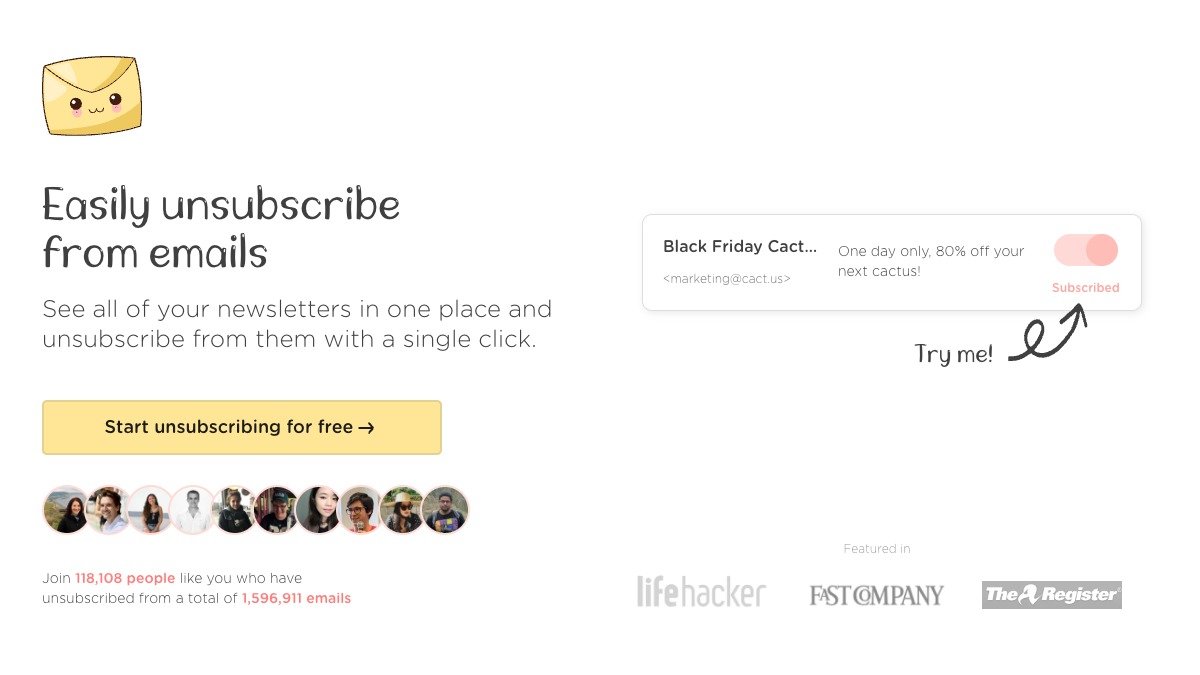
See all of your newsletters in one place and unsubscribe from them with a single click.


https://t.co/eIoLiGGIHh

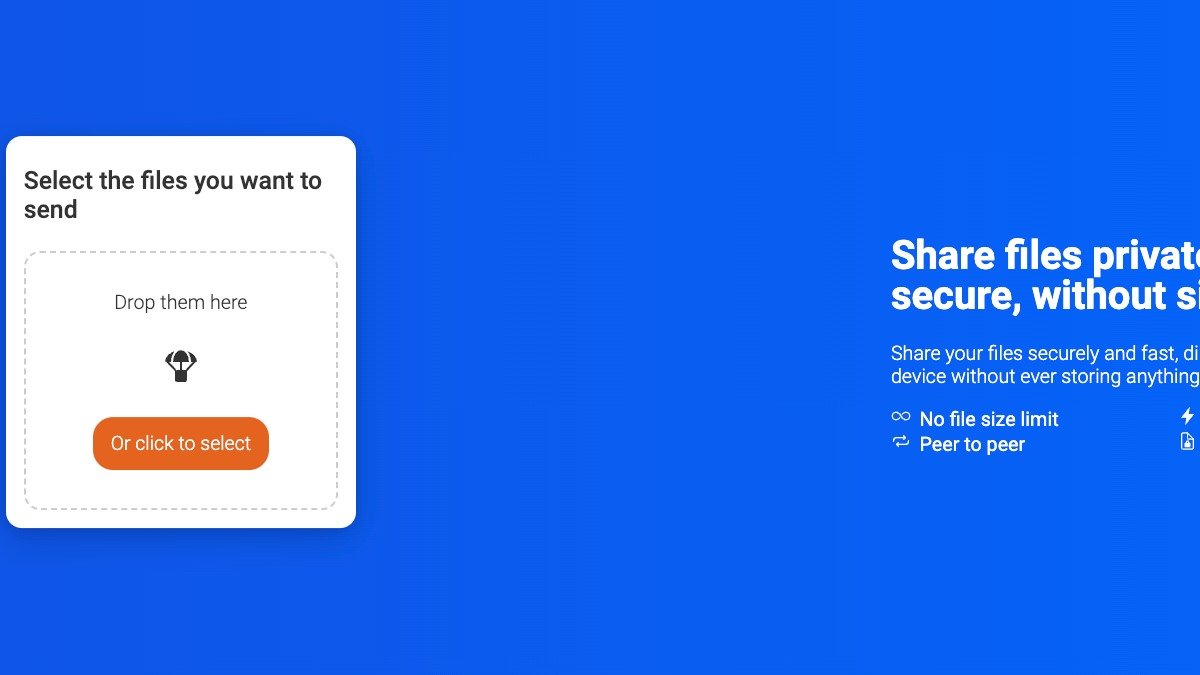
Share files privately & secure, without a size limit or storing anything online.


https://t.co/fk467hI0Vu

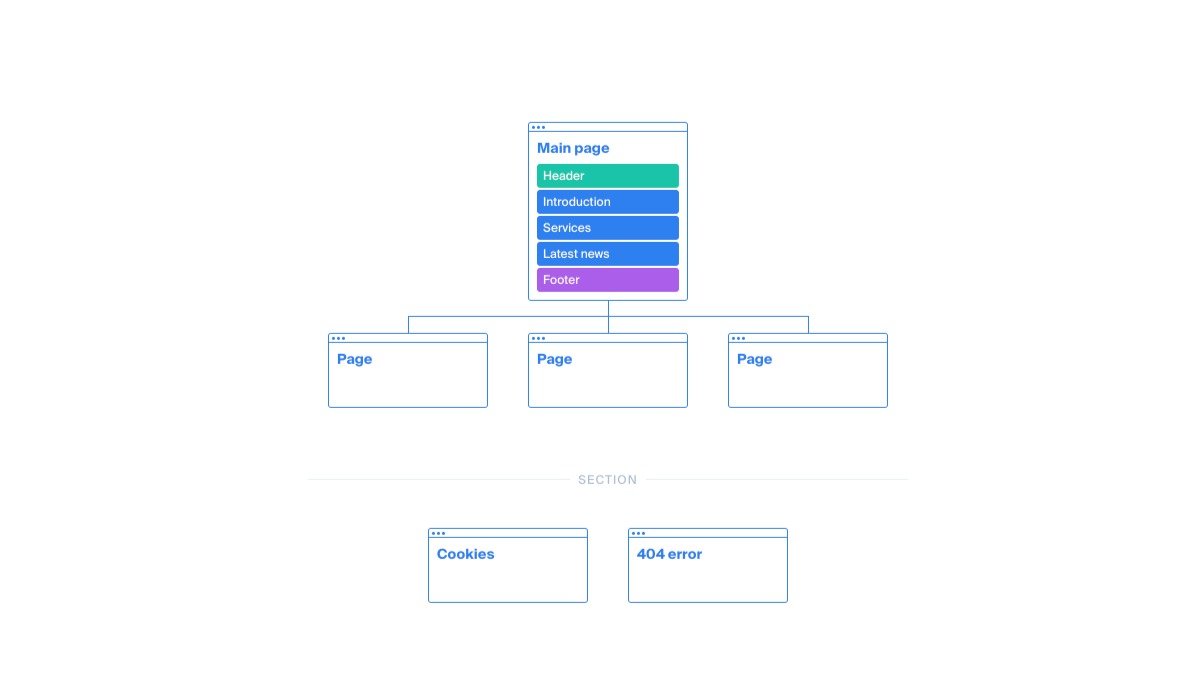
A fast visual sitemap builder and website planner.

You can build, plan, and visualise your website structure and create content in real-time.


https://t.co/rsJN67IqTI

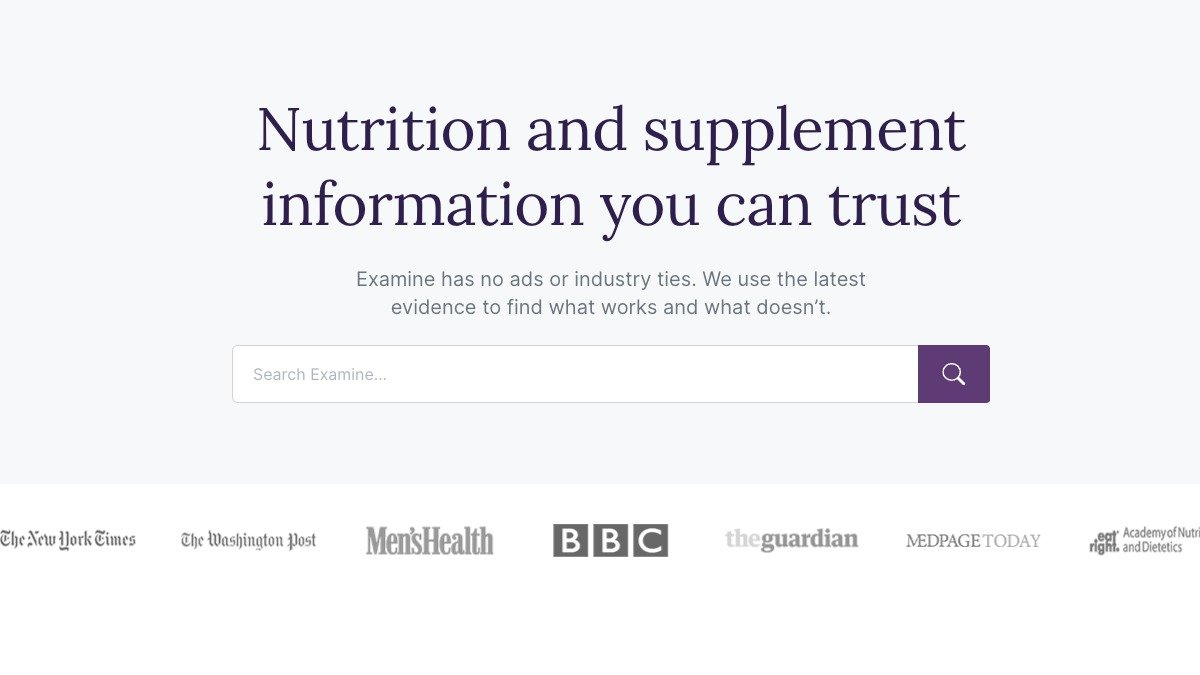
Examine lets you cut through the noise on Nutrition and supplement information.

It’s got zero conflicts of interest: No ads, No industry ties.
Apple Mac apps are the most powerful productivity tools on earth.

Use them properly and they'll save you hours, days, even weeks.

Here are 11 Mac apps that you shouldn't live without...

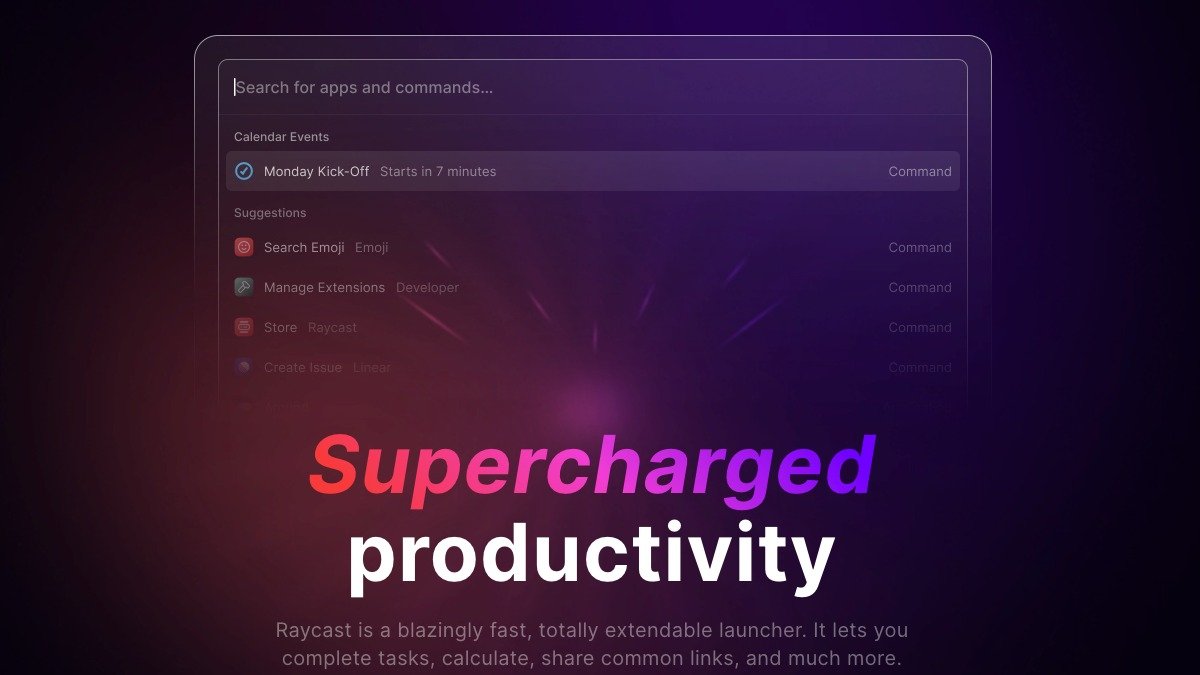
#1: Raycast

Raycast is “Ctrl + F” for your whole computer.

Simply press command + space, and you can open any file, app, or link in seconds.

You can also add a whole-suite of extensions built by community to take your productivity to new levels.

https://t.co/Ar4S4sc1O3


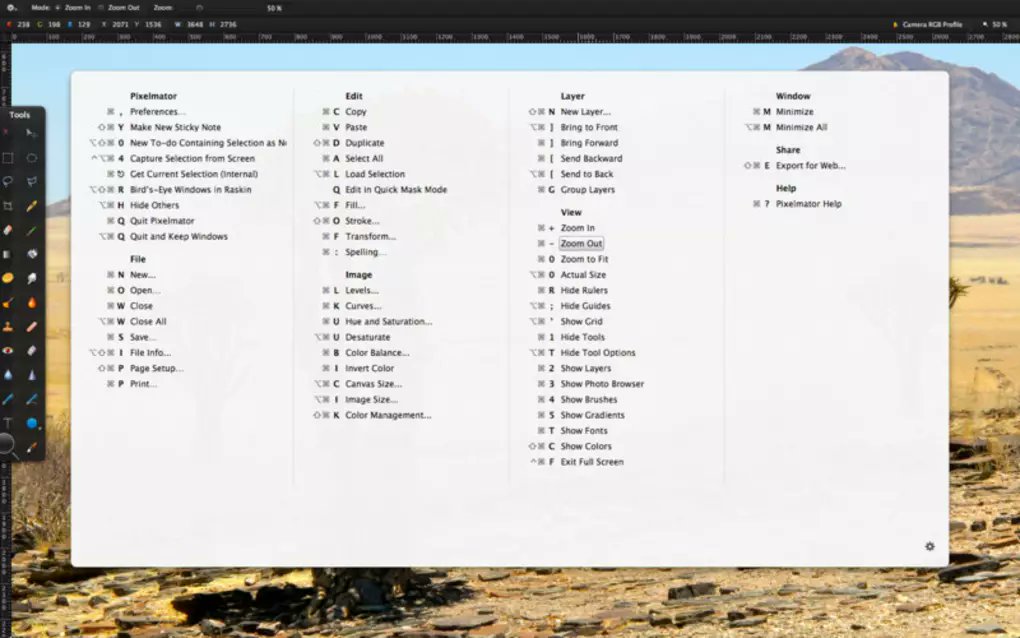
#2: CheatSheet

CheatSheet helps you memorize keyboard shortcuts for all your favourite Mac apps.

Just hold the Command Key for a few seconds and you’ll get a list of every shortcut available in that app.

https://t.co/n8SV5URNUM


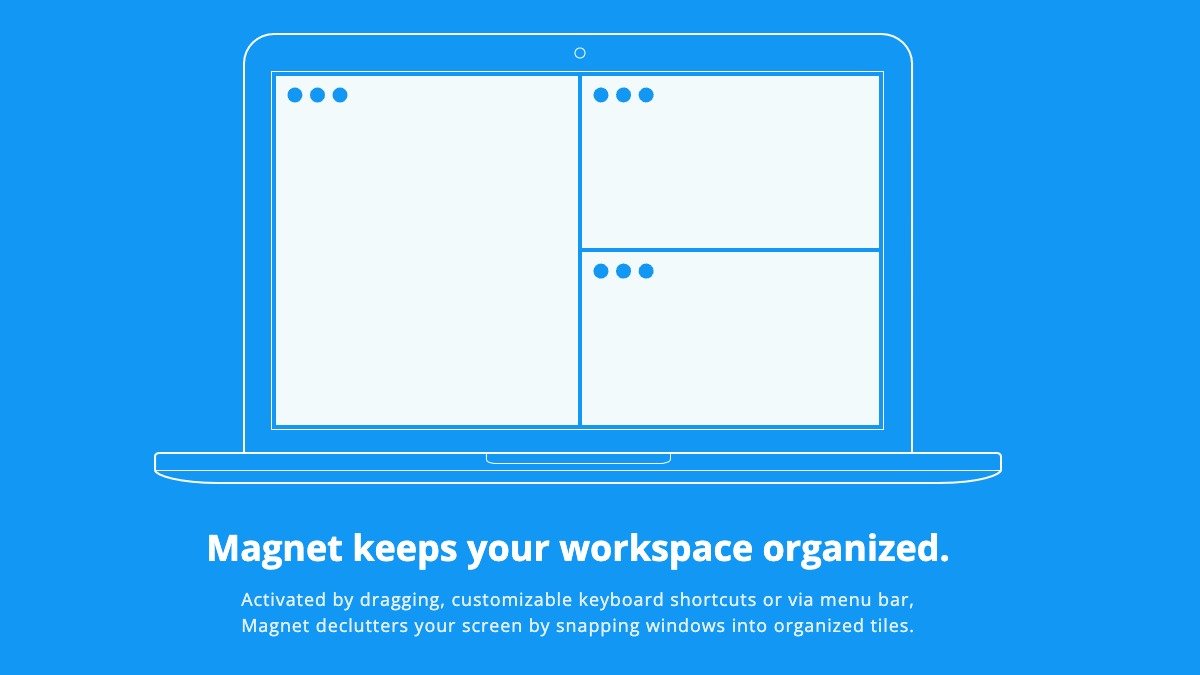
#3: Magnet

Magnet helps you organize your windows and workspace with configurable keyboard shortcuts.

Having windows where you want them eliminates app switching and significantly enhances multitasking.

https://t.co/o0sTvWbPiW


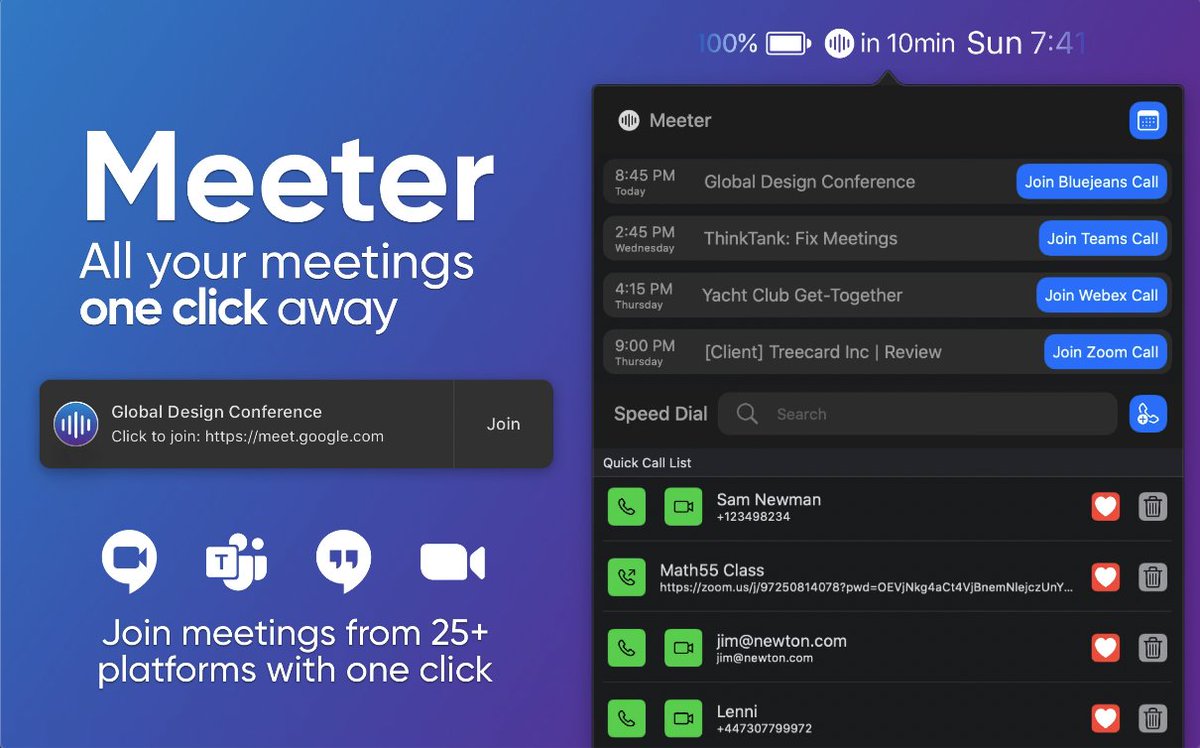
#4: Meeter

Join Zoom, Google Meet, or other virtual conference meetings faster with Meeter.

Meeter automatically pulls your upcoming calls and puts them in your menu bar, letting you manage them all in one place.

https://t.co/VJL0vr9RDJ

More from All

You May Also Like

1/“What would need to be true for you to….X”

Why is this the most powerful question you can ask when attempting to reach an agreement with another human being or organization?

A thread, co-written by @deanmbrody:


2/ First, “X” could be lots of things. Examples: What would need to be true for you to

- “Feel it's in our best interest for me to be CMO"
- “Feel that we’re in a good place as a company”
- “Feel that we’re on the same page”
- “Feel that we both got what we wanted from this deal

3/ Normally, we aren’t that direct. Example from startup/VC land:

Founders leave VC meetings thinking that every VC will invest, but they rarely do.

Worse over, the founders don’t know what they need to do in order to be fundable.

4/ So why should you ask the magic Q?

To get clarity.

You want to know where you stand, and what it takes to get what you want in a way that also gets them what they want.

It also holds them (mentally) accountable once the thing they need becomes true.

5/ Staying in the context of soliciting investors, the question is “what would need to be true for you to want to invest (or partner with us on this journey, etc)?”

Multiple responses to this question are likely to deliver a positive result.
@franciscodeasis https://t.co/OuQaBRFPu7
Unfortunately the "This work includes the identification of viral sequences in bat samples, and has resulted in the isolation of three bat SARS-related coronaviruses that are now used as reagents to test therapeutics and vaccines." were BEFORE the


chimeric infectious clone grants were there.https://t.co/DAArwFkz6v is in 2017, Rs4231.
https://t.co/UgXygDjYbW is in 2016, RsSHC014 and RsWIV16.
https://t.co/krO69CsJ94 is in 2013, RsWIV1. notice that this is before the beginning of the project

starting in 2016. Also remember that they told about only 3 isolates/live viruses. RsSHC014 is a live infectious clone that is just as alive as those other "Isolates".

P.D. somehow is able to use funds that he have yet recieved yet, and send results and sequences from late 2019 back in time into 2015,2013 and 2016!

https://t.co/4wC7k1Lh54 Ref 3: Why ALL your pangolin samples were PCR negative? to avoid deep sequencing and accidentally reveal Paguma Larvata and Oryctolagus Cuniculus?
This is NONSENSE. The people who take photos with their books on instagram are known to be voracious readers who graciously take time to review books and recommend them to their followers. Part of their medium is to take elaborate, beautiful photos of books. Die mad, Guardian.


THEY DO READ THEM, YOU JUDGY, RACOON-PICKED TRASH BIN


If you come for Bookstagram, i will fight you.

In appreciation, here are some of my favourite bookstagrams of my books: (photos by lit_nerd37, mybookacademy, bookswrotemystory, and scorpio_books)