In this Thread, We will cover all important Patterns.

Retweet 🇮🇳 Like ♥️ Follow 📊

Tags:
@kuttrapali26 @caniravkaria
@Jagadeesh0203
@KommawarSwapnil

Open this Thread 🧵

1. Descending Triangle

a. Bounded by two trend lines; the lower is horizontal and the upper slopes downward.

b. Prices can break in either direction but most commonly downward.
2. Ascending Triangle

a. Bounded by a horizontal upper trend line and an upward sloping lower trend line. Each bound is a straight trend line.

b. Prices can break in either direction, but more commonly upward.
3. Head & Shoulders

a. Three peaks with center peak higher than the other two.

b. Shoulders should be at approximately the same level and the head higher.

c. Target is the distance from the head to the neckline projected from the neckline.
4. Inverse Head & Shoulders

a. Inverted but otherwise identical to above pattern.
5. Bearish Flag

a. Trading range with support and resistance levels bounding price action.
b. Slight tilt, similar to horizontal channel.
6. Bullish Flag

a. Trading range with support and resistance levels bounding price action.
b. Slight tilt, similar to horizontal channel.
7. Rising Wedge

a. Bounded by two trend lines, each headed in the same direction. Price must touch a trend line at least five times before a breakout.
8. Falling Wedge

a. The falling wedge has a series of lower highs and lower lows, but the lower lows are less pronounced than the lower highs, creating more of a wedge than a triangle shape.
9. Bearish Wedge

a. The wedge represents a pause to consolidate, with rising highs and lows in a narrowing pattern being the first sign that a bearish wedge is forming.
10. Bullish Wedge

a. The wedge represents a pause to consolidate, with falling highs and lows in a narrowing pattern being the first sign that a bullish wedge is forming.
11. Double Top

a. Two successive peaks separated by an opposite reversal point.

b. Either rounded or pointed peaks that are usually at roughly the same price.

c. Price must break out of middle reversal point.
12. Double Bottom

a. Two successive troughs separated by a peak.

b. Either rounded or pointed troughs that are usually at roughly the same price.

c. Price must break out of middle peak.
13. Symmetrical Triangle

a. Bounded by a downward sloping upper trend line and an upward sloping lower trend line. Each bound is a straight trend line.

b. Prices must touch each bound atleast twice.
14. Triple Top

a. Three distinct peaks at roughly the same price level separated by two intermittent troughs.

b. Breakout occurs when price exceeds the extreme of the intermittent trough or a trend line connecting those points.
15. Triple Bottom

a. Three distinct troughs at roughly the same price level separated by two intermittent peaks at any level.

More from All

You May Also Like

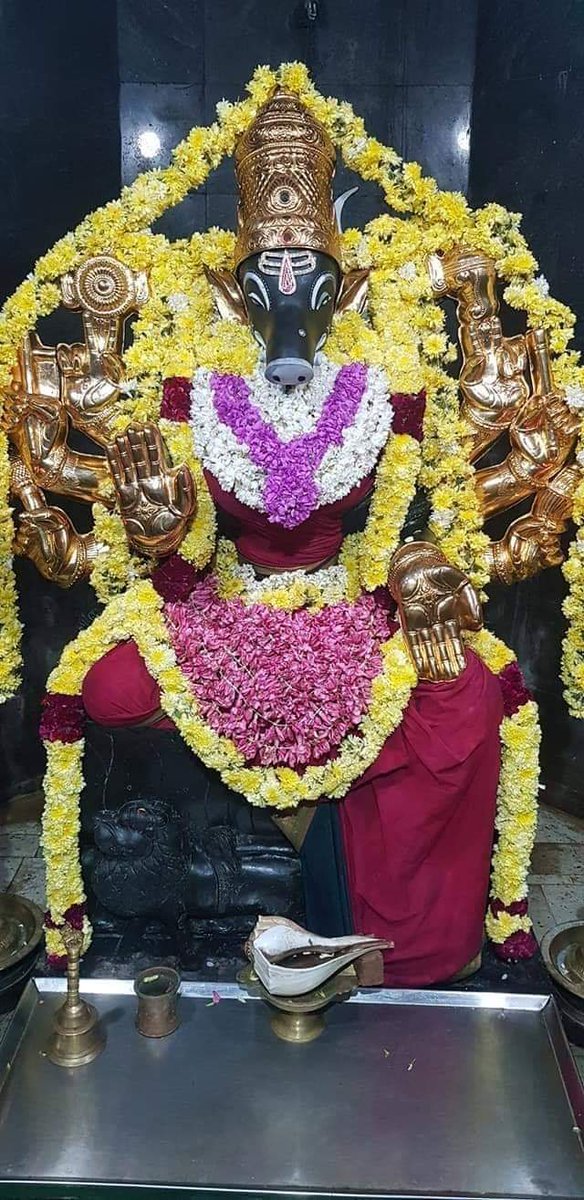
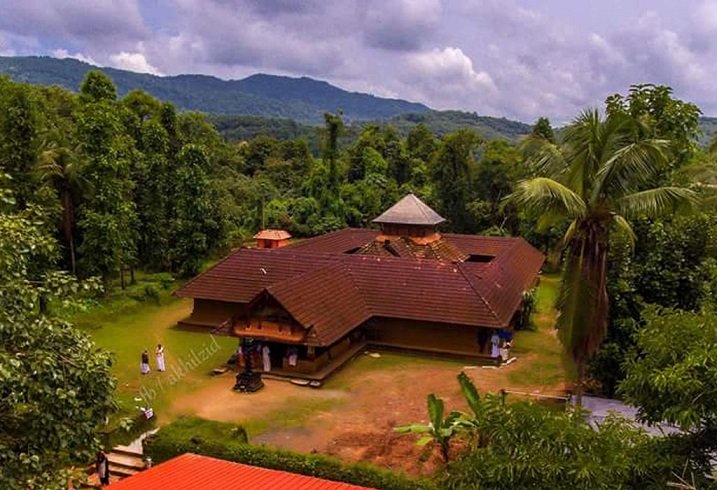
Margatha Natarajar murthi - Uthirakosamangai temple near Ramanathapuram,TN
#ArudraDarisanam
Unique Natarajar made of emerlad is abt 6 feet tall.
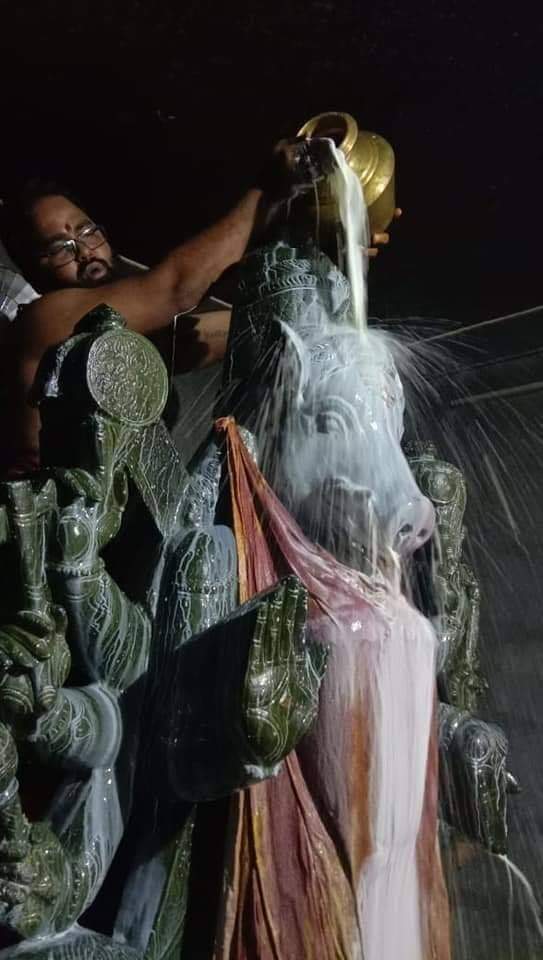
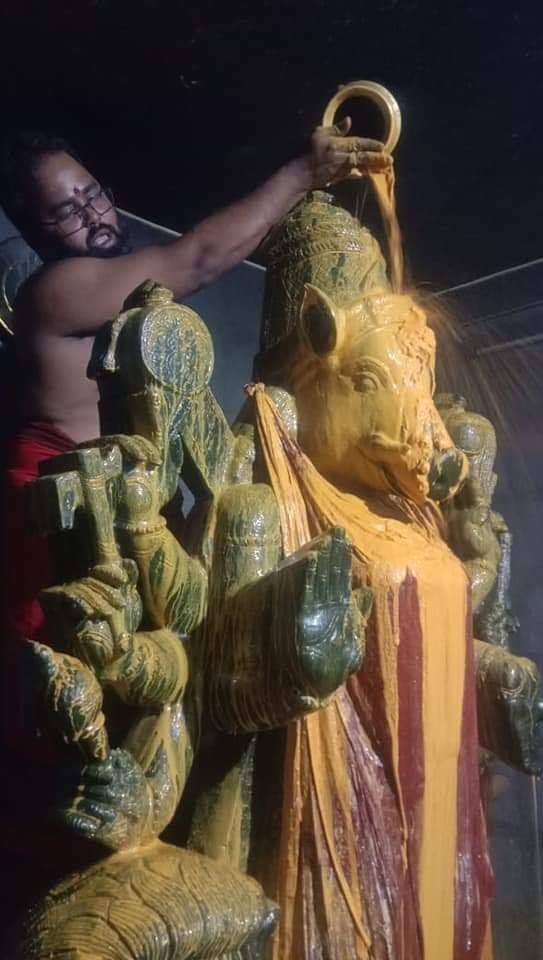
It is always covered with sandal paste.Only on Thriuvadhirai Star in month Margazhi-Nataraja can be worshipped without sandal paste.

After removing the sandal paste,day long rituals & various abhishekam will be
https://t.co/e1Ye8DrNWb day Maragatha Nataraja sannandhi will be closed after anointing the murthi with fresh sandal paste.Maragatha Natarajar is covered with sandal paste throughout the year


as Emerald has scientific property of its molecules getting disturbed when exposed to light/water/sound.This is an ancient Shiva temple considered to be 3000 years old -believed to be where Bhagwan Shiva gave Veda gyaana to Parvati Devi.This temple has some stunning sculptures.
Ivor Cummins has been wrong (or lying) almost entirely throughout this pandemic and got paid handsomly for it.

He has been wrong (or lying) so often that it will be nearly impossible for me to track every grift, lie, deceit, manipulation he has pulled. I will use...


... other sources who have been trying to shine on light on this grifter (as I have tried to do, time and again:


Example #1: "Still not seeing Sweden signal versus Denmark really"... There it was (Images attached).
19 to 80 is an over 300% difference.

Tweet: https://t.co/36FnYnsRT9


Example #2 - "Yes, I'm comparing the Noridcs / No, you cannot compare the Nordics."

I wonder why...

Tweets: https://t.co/XLfoX4rpck / https://t.co/vjE1ctLU5x


Example #3 - "I'm only looking at what makes the data fit in my favour" a.k.a moving the goalposts.

Tweets: https://t.co/vcDpTu3qyj / https://t.co/CA3N6hC2Lq
राम-रावण युद्ध समाप्त हो चुका था। जगत को त्रास देने वाला रावण अपने कुटुम्ब सहित नष्ट हो चुका था।श्रीराम का राज्याभिषेक हुआ और अयोध्या नरेश श्री राम के नेतृत्व में चारों दिशाओं में शन्ति थी।
अंगद को विदा करते समय राम रो पड़े थे ।हनुमान को विदा करने की शक्ति तो राम में थी ही नहीं ।


माता सीता भी हनुमान को पुत्रवत मानती थी। अत: हनुमान अयोध्या में ही रह गए ।राम दिनभर दरबार में, शासन व्यवस्था में व्यस्त रहते थे। संध्या को जब शासकीय कार्यों में छूट मिलती तो गुरु और माताओं का कुशल-मंगल पूछ अपने कक्ष में जाते थे। परंतु हनुमान जी हमेशा उनके पीछे-पीछे ही रहते थे ।


उनकी उपस्थिति में ही सारा परिवार बहुत देर तक जी भर बातें करता ।फिर भरत को ध्यान आया कि भैया-भाभी को भी एकांत मिलना चाहिए ।उर्मिला को देख भी उनके मन में हूक उठती थी कि इस पतिव्रता को भी अपने पति का सानिध्य चाहिए ।

एक दिन भरत ने हनुमान जी से कहा,"हे पवनपुत्र! सीता भाभी को राम भैया के साथ एकांत में रहने का भी अधिकार प्राप्त है ।क्या आपको उनके माथे पर सिन्दूर नहीं दिखता?इसलिए संध्या पश्चात आप राम भैया को कृप्या अकेला छोड़ दिया करें "।
ये सुनकर हनुमान आश्चर्यचकित रह गए और सीता माता के पास गए ।


माता से हनुमान ने पूछा,"माता आप अपने माथे पर सिन्दूर क्यों लगाती हैं।" यह सुनकर सीता माता बोलीं,"स्त्री अपने माथे पर सिन्दूर लगाती है तो उसके पति की आयु में वृद्धि होती है और वह स्वस्थ रहते हैं "। फिर हनुमान जी प्रभु राम के पास गए ।