IRR tells you what your average return is when time value of money is factored in.
Let's say you have an option to get 100K today or 100K in 5 years.
You would obviously prefer to get paid today so you can reinvest.


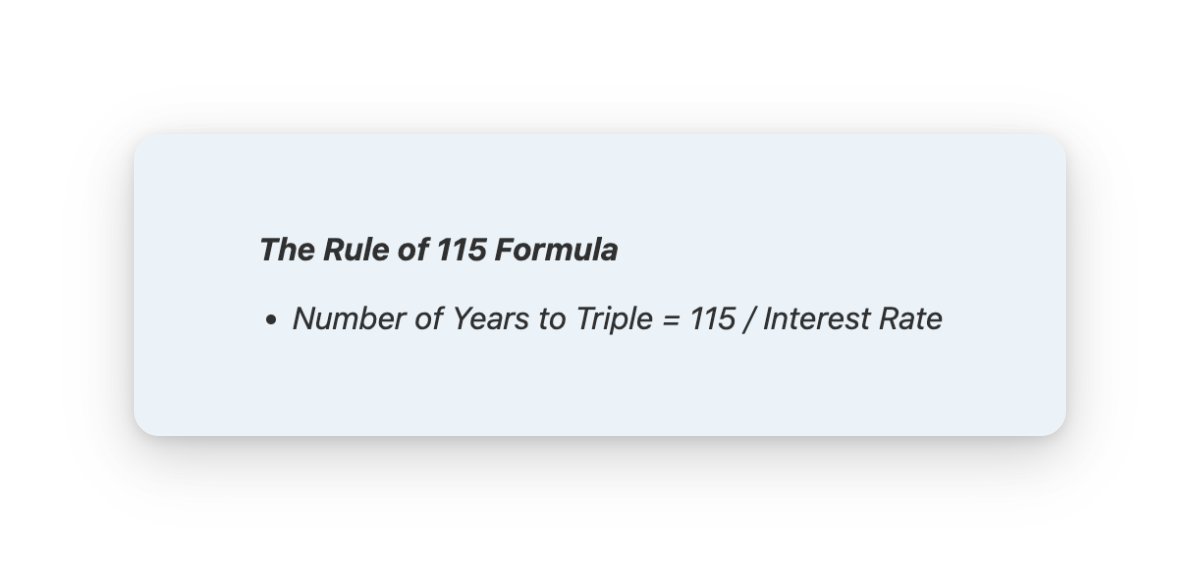
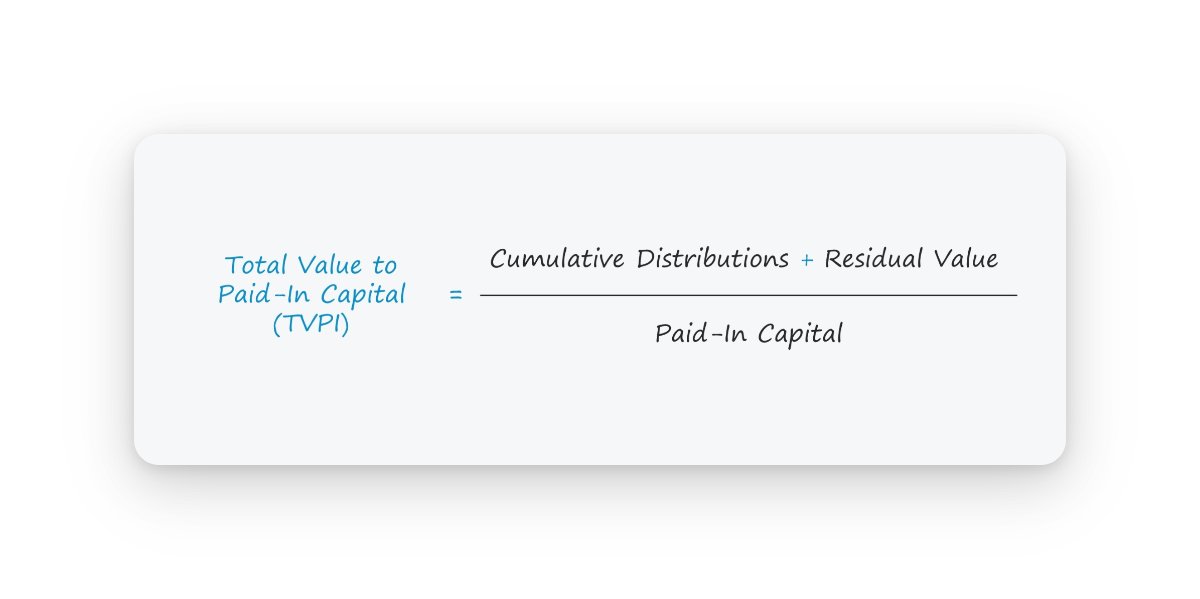
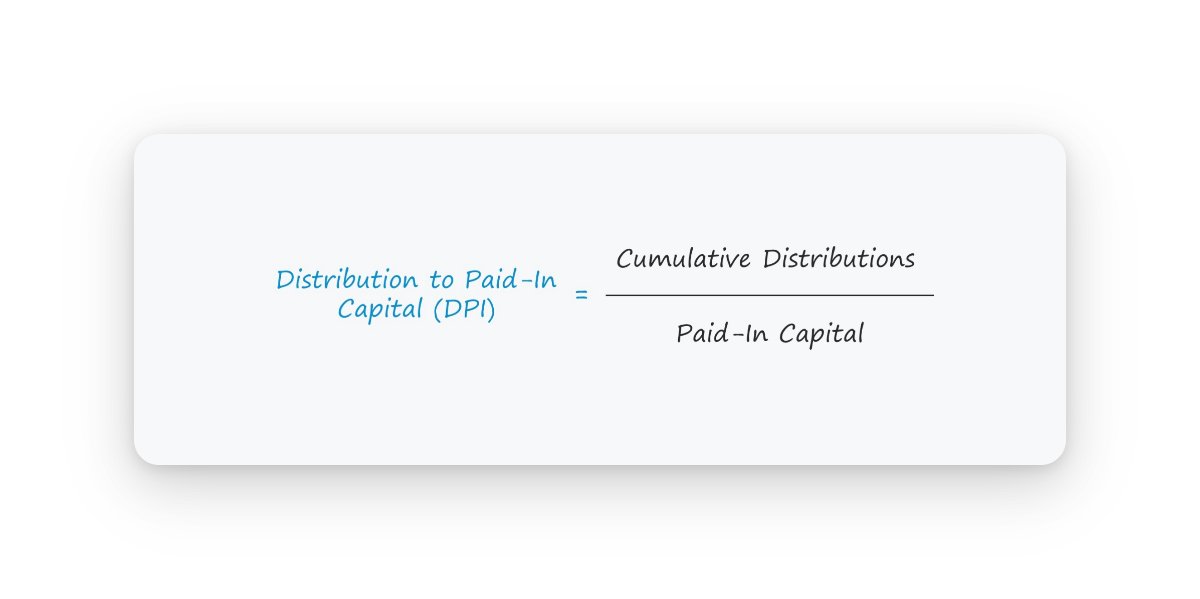
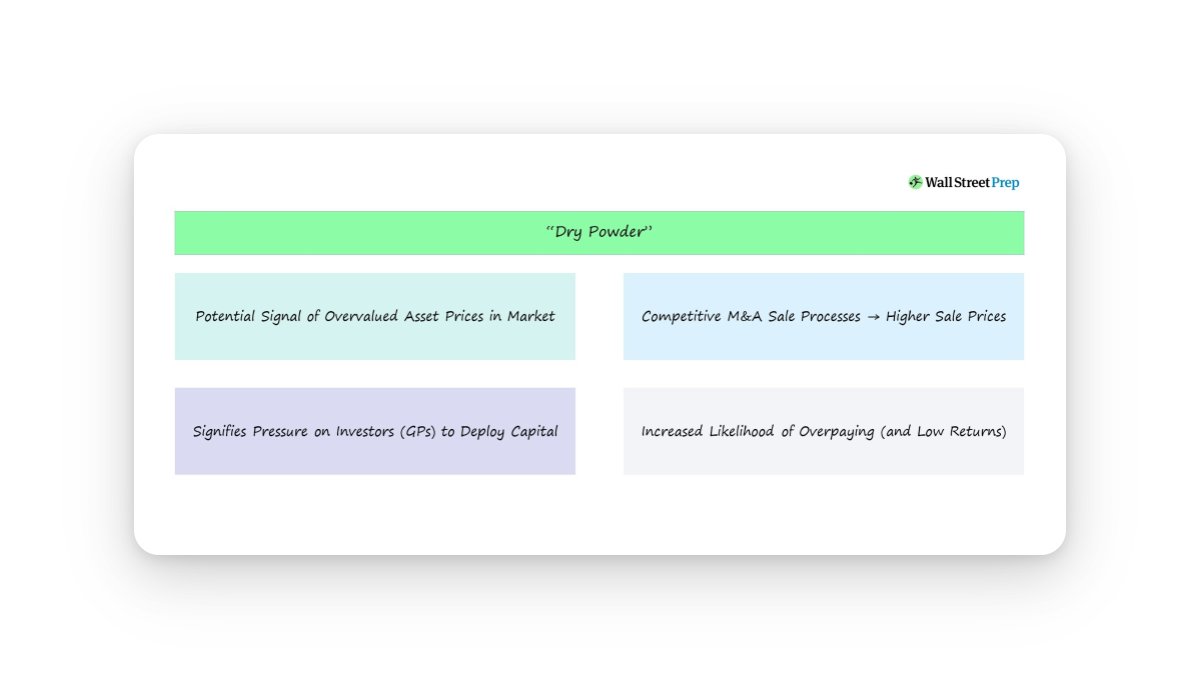
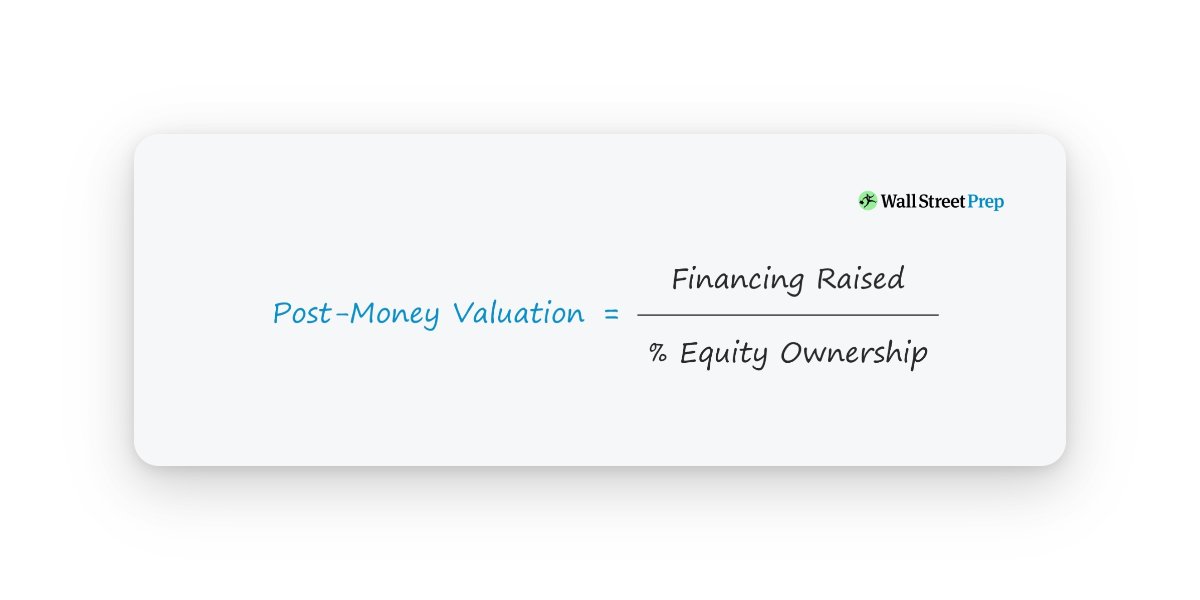
The most important trait of an entrepreneur is someone who can tell a story.
— Alex Banks (@thealexbanks) August 1, 2022
10 storytelling principles to get their attention, raise money and win deals:
Investing can be complicated.
— Alex Banks (@thealexbanks) August 3, 2022
Let's make it simple.
10 terms every entrepreneur and investor should know:
How to Get Rich (without getting lucky):
— Naval (@naval) May 31, 2018
How to get rich without getting lucky:
— Nick Huber (@sweatystartup) September 28, 2020
Find a way to make $100 an hour doing something simple IN YOUR TOWN.
Do it until you have $10k+ in the bank and you\u2019re too busy to sell new customers.
Hire employee for $25 / hr to do what you do so you can sell new customers.
Repeat.
Early career years are painful.
— Romeen Sheth (@RomeenSheth) February 8, 2022
You feel like an idiot 98% of the time - lost, confused and insecure.
I wish I had a cheat sheet of principles for my first job.
So I put one together.
Here are 20 things about building a career I wish I knew sooner:
The first years of your career are brutal.
— Zain Kahn (@heykahn) January 25, 2022
You're on your own and you have no clue what you're doing.
I wish I had a guide back then \u2015 so I made my own.
And I went from 0 to VP in 3 years.
Here are 11 principles to accelerate your career now:
An introvert's guide to elite networking.
— Kurtis Hanni (@KurtisHanni) March 8, 2022
9 tips to build a network:
The world's most powerful skill:
— Zain Kahn (@heykahn) March 12, 2022
Effective decision-making.
But colleges eat up 4 years of our lives and don't even bother teaching it.
Instead, here are 10 quick lessons from psychology that will upgrade your decision-making in the next 5 minutes:
I'm having a glass of whiskey after a long day.
— Amanda Natividad (@amandanat) March 9, 2022
Some spicy takes about life, careers, and creating:
I have worked with dozens of startup founders and hundreds of their leaders.
— Greg Moran \U0001f30e Evergreen Mountain Equity Partners (@EvergreenMEP) March 13, 2022
The biggest reason they don't achieve what they desire?
Founders hang on to leaders that can't scale.
Here are 6 ways to succeed faster by upgrading your leadership.
The ultimate hack to 10x your career:
— Romeen Sheth (@RomeenSheth) November 2, 2021
Enter the Side Door.
Let's break it down \U0001f447\U0001f447\U0001f447
resume tips I have learned as a recruiter at a fortune 100 company (targeted towards college students), a thread:
— SLIZ (@slizagna) February 2, 2021
Hard skills get you hired.
— Zain Kahn (@heykahn) October 12, 2021
But soft skills get you promoted.
I went from 0 to VP in 3 years.
Here are 11 soft skills to accelerate your career:
The interview process is ultra-competitive.
— Sahil Bloom (@SahilBloom) August 7, 2021
But with proper preparation, it is possible to stand out.
THREAD: 20 common interview questions, what they really mean, and how to nail them:
The story doesn\u2019t say you were told not to... it says you did so without approval and they tried to obfuscate what you found. Is that true?
— Sarah Frier (@sarahfrier) November 15, 2018