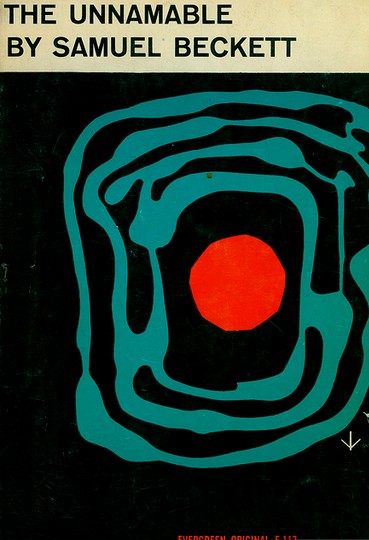
When people say 'stop thinking about it' or 'stop being depressed', they actually mean 'stop producing depressed discourse'- the 'inescapability' of these things is in their recursive self-production via 'thinking about them'
This is true.
— In The Flesh: Philosophy for Living (@live_intheflesh) July 6, 2022
But like other things that fit this language-first mold (i.e. "depression") just telling people to "stop thinking about it" only works for some people.
One the term gets memetic legs they are hard to chop off.
This proves the original assertion: language 1st.
More from All











You May Also Like








A list of cool websites you might now know about
A thread 🧵
1) Learn Anything - Search tools for knowledge discovery that helps you understand any topic through the most efficient
2) Grad Speeches - Discover the best commencement speeches.
This website is made by me
3) What does the Internet Think - Find out what the internet thinks about anything
4) https://t.co/vuhT6jVItx - Send notes that will self-destruct after being read.
A thread 🧵
1) Learn Anything - Search tools for knowledge discovery that helps you understand any topic through the most efficient
2) Grad Speeches - Discover the best commencement speeches.
This website is made by me
3) What does the Internet Think - Find out what the internet thinks about anything
4) https://t.co/vuhT6jVItx - Send notes that will self-destruct after being read.