If you want to give yourself a personal MBA (in 6 months), read these books:

Hi, I’m Ben.

I received an MBA from Cornell.

I’ve also read 300+ business books.

Trust me: You can get 90% of the knowledge from reading books

(and without spending $150k).

So, I put together a 6-month personal MBA for you...
The 6-month curriculum is 12 books

(you’ll read 2 books every month).

Subjects:

Strategy
Entrepreneurship
Accounting/Finance
Personal Finance
Marketing
Operations
Systems Thinking
Public Speaking
Negotiation
Networking
Leadership
Productivity/Effectiveness

Here we go...
Zero to One
by Peter Thiel and Blake Masters

Subject: Strategy

Lessons:
• Escape competition
• Contrarian approaches create value
• Go from “0 to 1,” not “from 1 to n”
The Lean Startup
by Eric Ries

Subject: Entrepreneurship

Lessons:
• Build minimum viable products
• When in doubt, simplify
• Win by getting feedback + learning fast
Financial Intelligence
by Karen Berman, Joe Knight, John Case

Subject: Accounting/Finance

Lessons:
• Learn to read financial statements
(​​Income, Balance Sheet, Cash Flow)
• Fund projects based on expected ROI
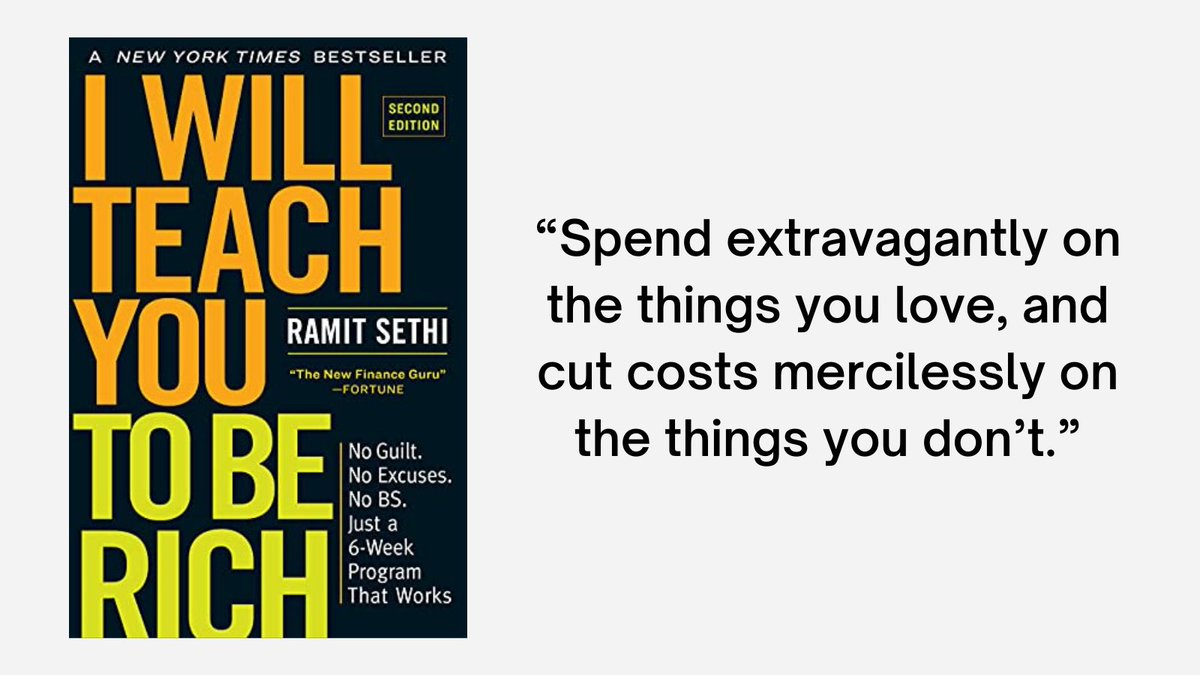
I Will Teach You to Be Rich
by Ramit Sethi

Subject: Personal Finance

Lessons:
• Get clear about your ‘Rich Life’
• Save and invest money before you ever see it
• Create an automated money system
The 22 Immutable Laws of Marketing
by Al Ries

Subject: Marketing

Lessons:
• Perception is reality
• Own a word/category to boost brand
• Follow the 22 law checklist
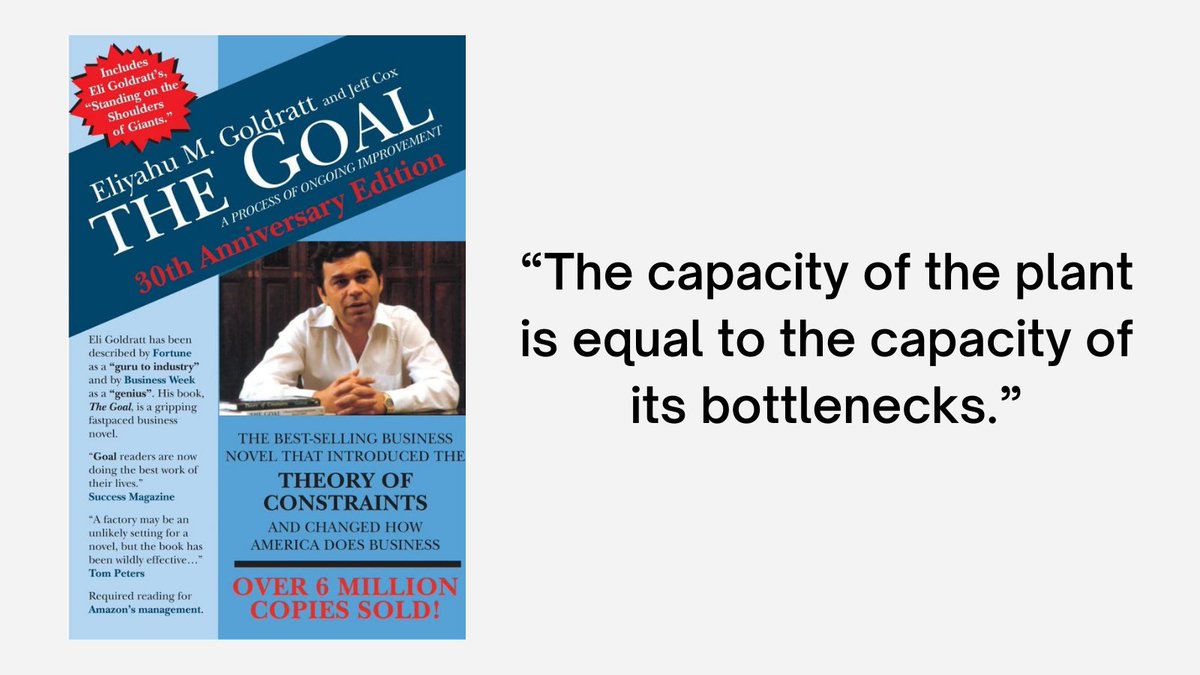
The Goal
by Eliyahu M. Goldratt

Subject: Operations

Lessons:
• Identify and exploit bottlenecks
• Increase net profit + increase ROI + increase cash flow
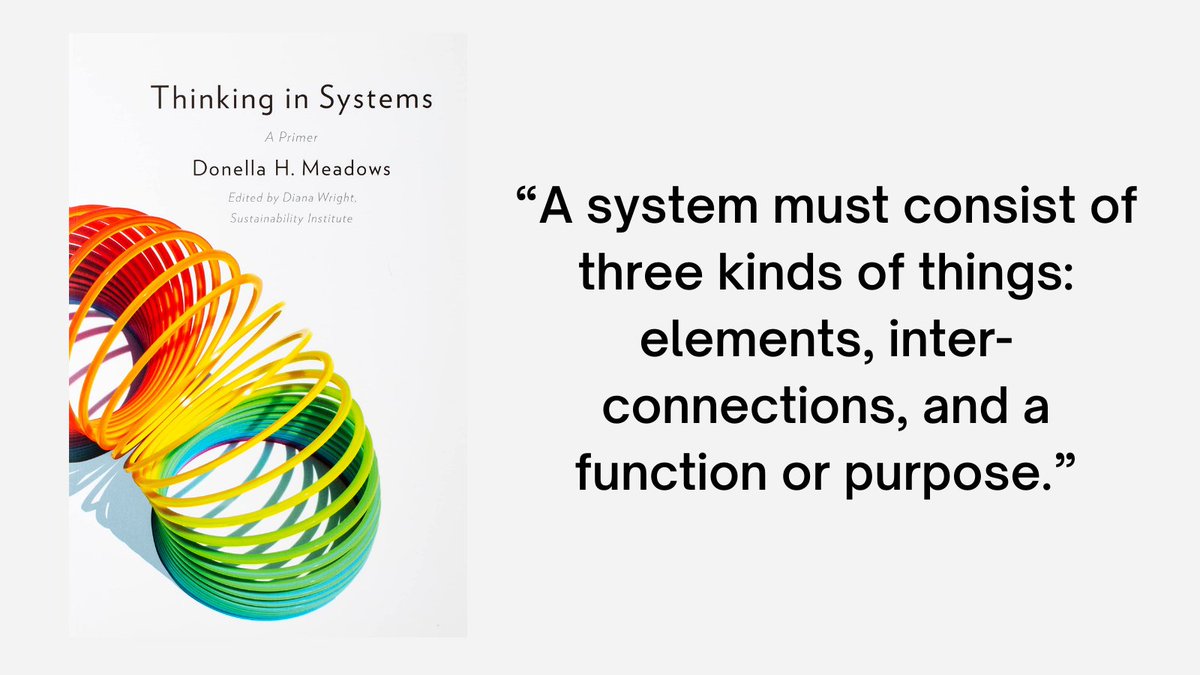
Thinking in Systems
by Donella Meadows

Subject: Systems Thinking

Lessons:
• To change any system, focus on 12 points of leverage
• Purposes are deduced from behavior, not words
• Create feedback loops
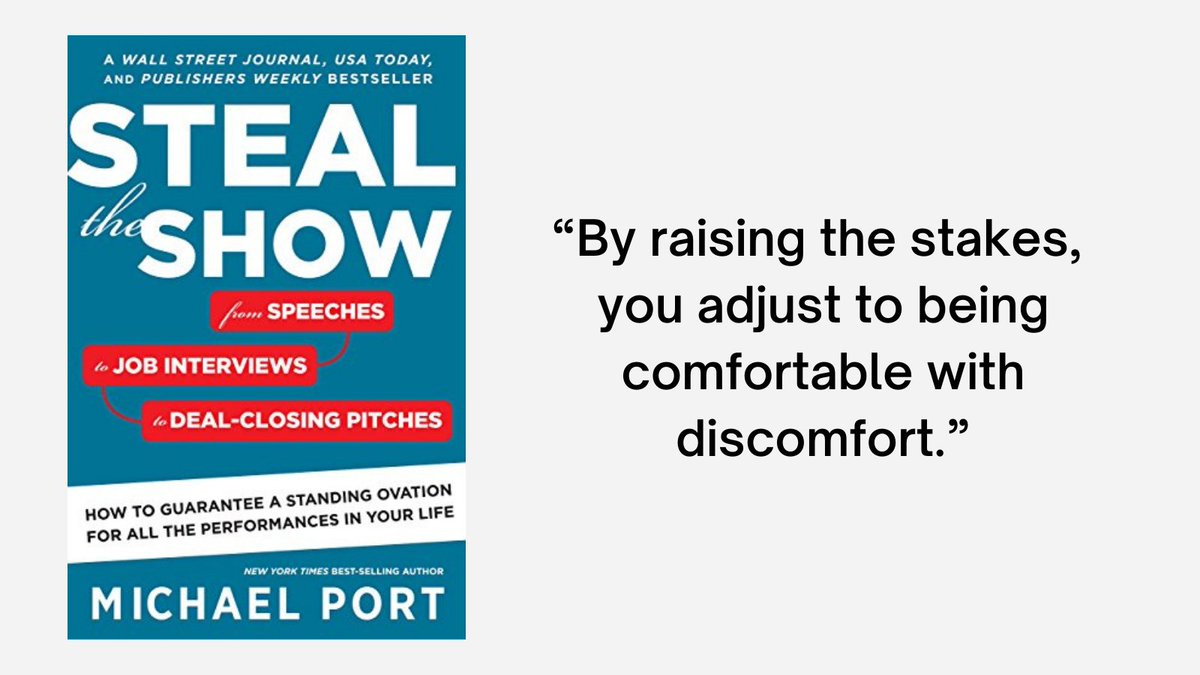
Steal the Show
by Michael Port

Subject: Public Speaking

Lessons:
• Cut out filler words by practicing material
• Use pauses for impact
• Act “as if” to build confidence
Never Split the Difference
by Chris Voss

Subject: Negotiation

Lessons:
• Prepare your best-alternative-option in advance
• Let your counterpart make the first offer
• Be prepared for extremes
• Ask open-ended questions
How to Be a Power Connector
by Judy Robinett

Subject: Networking

Lessons:
• Your network is your net worth
• Choose your environment wisely (find power centers)
• Build depth and diversity in your network
• Follow the 5+50+100 Rule
Teams of Teams
by General Stanley A. McChrystal

Subject: Leadership

Lessons:
• The world is complex and chaotic
• Resiliency and adaptability are crucial to success
• Leaders create more leaders, not followers
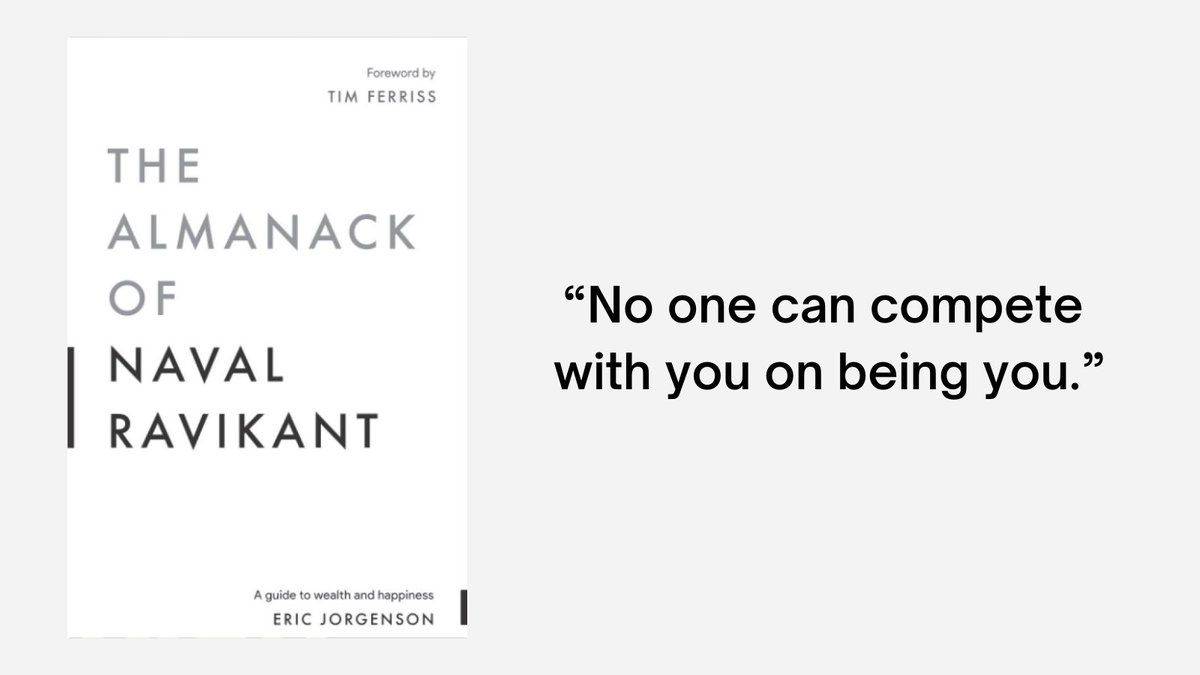
The Almanack of Naval Ravikant
by Eric Jorgenson

Subject: Productivity and Effectiveness

Lessons:
• Money and happiness are skills
• Productize yourself
• A good reputation is invaluable
• Play long-term iterated games, compound your growth
• And much, much more...
That was a 6-month personal MBA.

All it takes to complete? Read 30 mins/day.

If you enjoyed this thread, please RT the first tweet and follow me @SystemSunday

This account exists to help you:

• Learn systems + mental models
• Become your best self

Cheers,
Ben

More from Ben Meer

The internet is free university.

But 99% don’t know the best spots on this virtual campus.

Here are the top websites to accelerate your learning 👇

https://t.co/vMgngVKMow

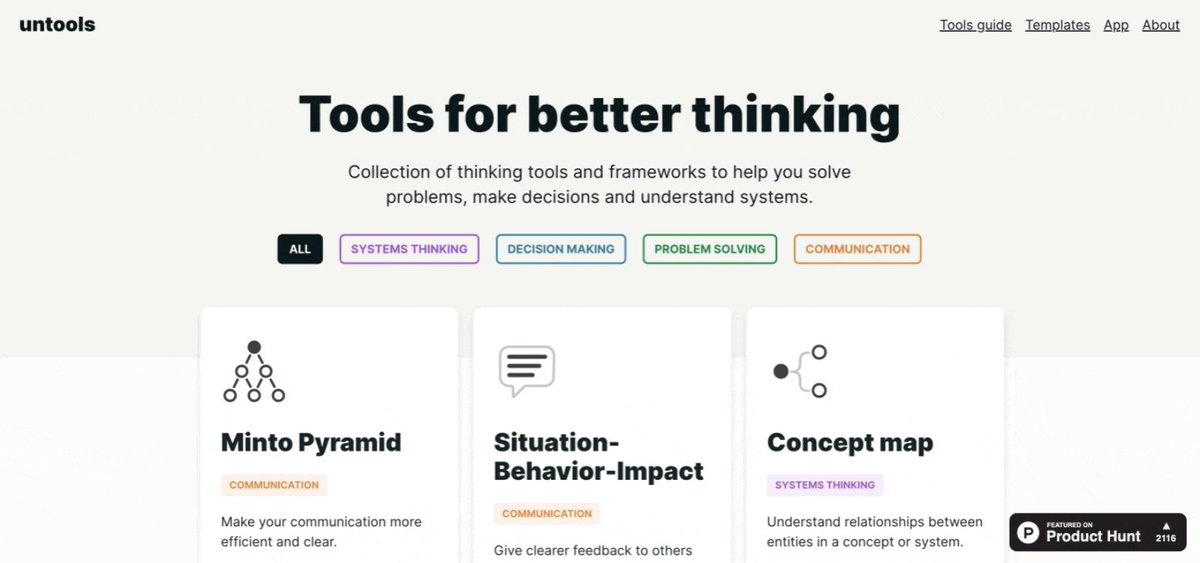
Benefit from a collection of thinking tools and frameworks.

Categories include:

• Systems thinking
• Decision making
• Problem solving
• Communication


https://t.co/nC7EEZ5yvd

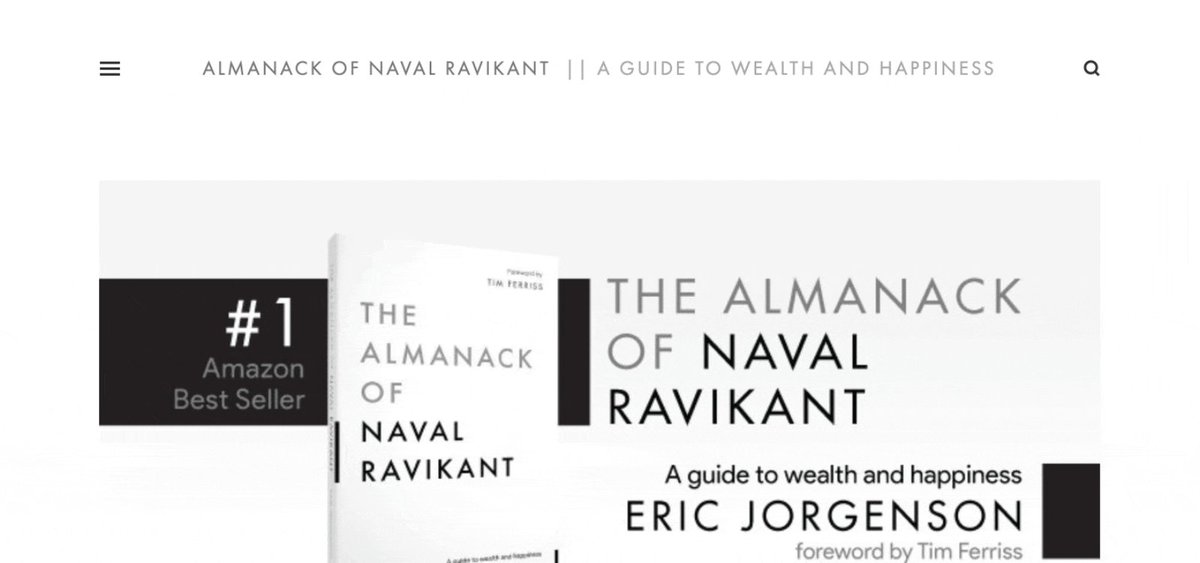
Use this website to download the free book:

“The Almanack of Naval Ravikant”

(In my Top 3 favorite books of all time)

Lessons:
• Money and happiness are skills
• Productize yourself
• Play long-term iterated games
• And much, much more.


https://t.co/r0HLYB6DS3

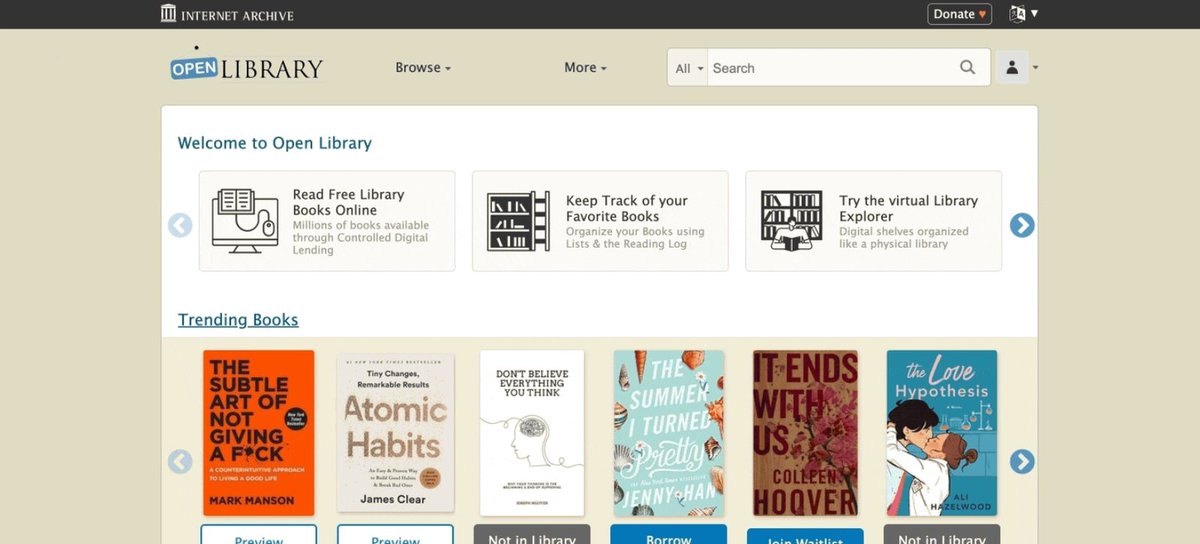
Search millions of books on Open Library,

(available through digital lending).

All it takes to get a ‘library card’?

An email address.


https://t.co/p8uZZtkezJ

Farnam Street (FS) has an excellent archive of mental models.

You’ll think better, make fewer mistakes, and excel.

Go further with FS’ articles, podcast, and newsletter.

More from All

॥ॐ॥
अस्य श्री गायत्री ध्यान श्लोक:
(gAyatri dhyAna shlOka)
• This shloka to meditate personified form of वेदमाता गायत्री was given by Bhagwaan Brahma to Sage yAgnavalkya (याज्ञवल्क्य).

• 14th shloka of गायत्री कवचम् which is taken from वशिष्ठ संहिता, goes as follows..


• मुक्ता-विद्रुम-हेम-नील धवलच्छायैर्मुखस्त्रीक्षणै:।
muktA vidruma hEma nIla dhavalachhAyaiH mukhaistrlkShaNaiH.

• युक्तामिन्दुकला-निबद्धमुकुटां तत्वार्थवर्णात्मिकाम्॥
yuktAmindukalA nibaddha makutAm tatvArtha varNAtmikam.

• गायत्रीं वरदाभयाङ्कुश कशां शुभ्रं कपालं गदाम्।
gAyatrIm vardAbhayANkusha kashAm shubhram kapAlam gadAm.

• शंखं चक्रमथारविन्दयुगलं हस्तैर्वहन्ती भजै॥
shankham chakramathArvinda yugalam hastairvahantIm bhajE.

This shloka describes the form of वेदमाता गायत्री.

• It says, "She has five faces which shine with the colours of a Pearl 'मुक्ता', Coral 'विद्रुम', Gold 'हेम्', Sapphire 'नील्', & a Diamond 'धवलम्'.

• These five faces are symbolic of the five primordial elements called पञ्चमहाभूत:' which makes up the entire existence.

• These are the elements of SPACE, FIRE, WIND, EARTH & WATER.

• All these five faces shine with three eyes 'त्रिक्षणै:'.

You May Also Like

1/ Some initial thoughts on personal moats:

Like company moats, your personal moat should be a competitive advantage that is not only durable—it should also compound over time.

Characteristics of a personal moat below:


2/ Like a company moat, you want to build career capital while you sleep.

As Andrew Chen noted:


3/ You don’t want to build a competitive advantage that is fleeting or that will get commoditized

Things that might get commoditized over time (some longer than


4/ Before the arrival of recorded music, what used to be scarce was the actual music itself — required an in-person artist.

After recorded music, the music itself became abundant and what became scarce was curation, distribution, and self space.

5/ Similarly, in careers, what used to be (more) scarce were things like ideas, money, and exclusive relationships.

In the internet economy, what has become scarce are things like specific knowledge, rare & valuable skills, and great reputations.