Yoga is an Indian physical, mental, and spiritual practice or discipline. There is a broad variety of schools, practices and goals
#YogaDay

The origins of Yoga have been speculated to date back to pre-Vedic Indian traditions, but most likely developed around 6th cent BCE
#YogaDay
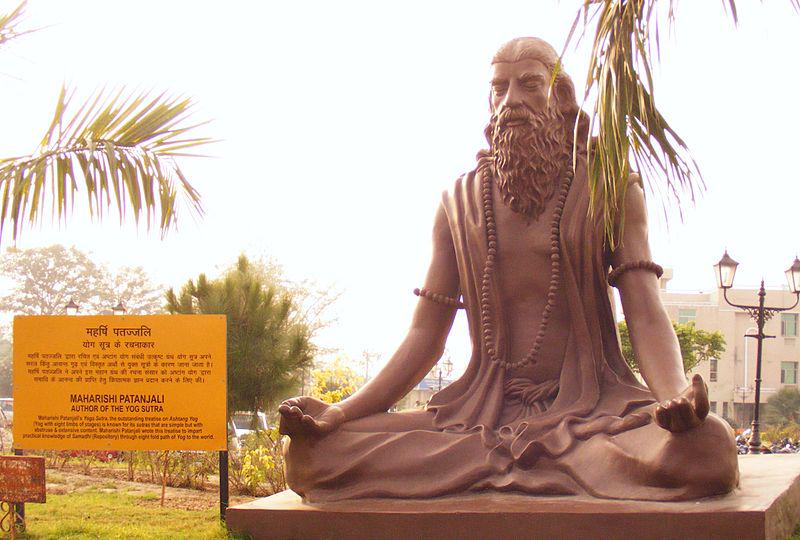
Yoga Sutras of 196 sutras were compiled around 400 CE by Patañjali, taking materials from older traditions.
#YogaDay http://t.co/wdyu1A5dTQ
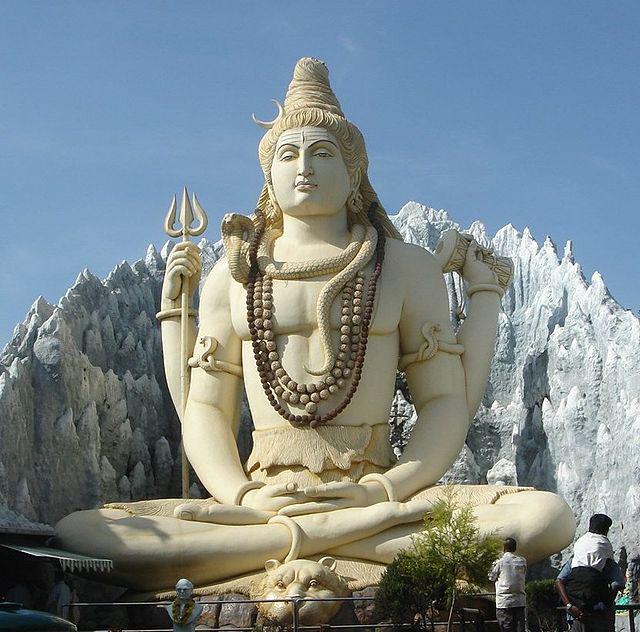
65 ft tall statue of Bhagwan Shiva in Murugeshpalya, performing yogic meditation in the Padmasana posture.
#YogaDay http://t.co/RTVpo4W5nO
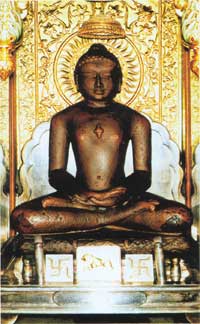
Bhagwan Mahavira, 24th Tirthankara of Jainism, performing yogic meditation in the Padmasana posture.
#YogaDay http://t.co/EFPcJi6Q7m
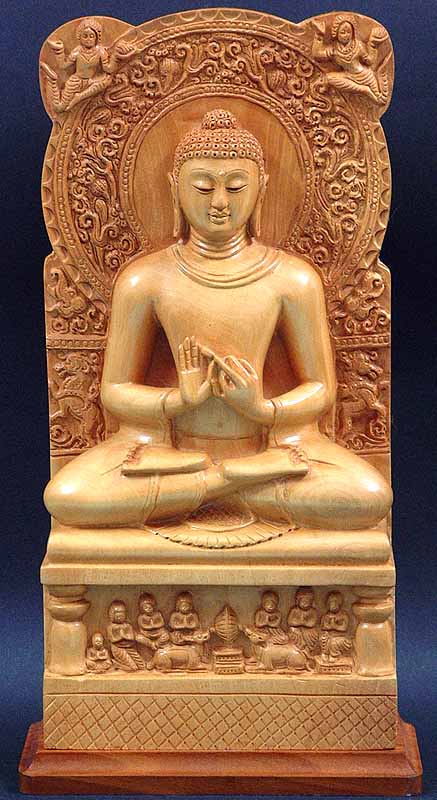
A 4th century statue of Bhagwan Buddha from #GuptaDynasty, performing yogic meditation in Dharmachakra mudra
#YogaDay http://t.co/ojdfb73dLV
Seal of Pashupati (Bhagwan Shiva), performing Yogic meditation.
2600-1900 BCE.
#IndusValleyCivilization
#YogaDay http://t.co/ZIZj3bqupm
Extent and major sites of the Indus Valley Civilisation 3000 BC.
#IndusValleyCivilization
Faience button seal with swastika from Harrapa.
#IndusValleyCivilization
#IndianHistory
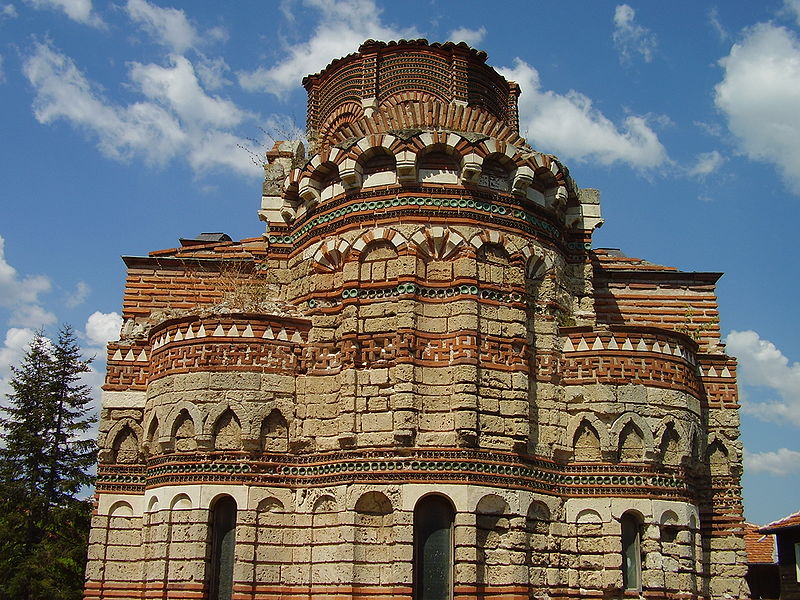
#Swastik symbols on the Church of Christ Pantocrator (13th-14th century) in Nesebar, Bulgaria.

More from All

॥ॐ॥
अस्य श्री गायत्री ध्यान श्लोक:
(gAyatri dhyAna shlOka)
• This shloka to meditate personified form of वेदमाता गायत्री was given by Bhagwaan Brahma to Sage yAgnavalkya (याज्ञवल्क्य).

• 14th shloka of गायत्री कवचम् which is taken from वशिष्ठ संहिता, goes as follows..


• मुक्ता-विद्रुम-हेम-नील धवलच्छायैर्मुखस्त्रीक्षणै:।
muktA vidruma hEma nIla dhavalachhAyaiH mukhaistrlkShaNaiH.

• युक्तामिन्दुकला-निबद्धमुकुटां तत्वार्थवर्णात्मिकाम्॥
yuktAmindukalA nibaddha makutAm tatvArtha varNAtmikam.

• गायत्रीं वरदाभयाङ्कुश कशां शुभ्रं कपालं गदाम्।
gAyatrIm vardAbhayANkusha kashAm shubhram kapAlam gadAm.

• शंखं चक्रमथारविन्दयुगलं हस्तैर्वहन्ती भजै॥
shankham chakramathArvinda yugalam hastairvahantIm bhajE.

This shloka describes the form of वेदमाता गायत्री.

• It says, "She has five faces which shine with the colours of a Pearl 'मुक्ता', Coral 'विद्रुम', Gold 'हेम्', Sapphire 'नील्', & a Diamond 'धवलम्'.

• These five faces are symbolic of the five primordial elements called पञ्चमहाभूत:' which makes up the entire existence.

• These are the elements of SPACE, FIRE, WIND, EARTH & WATER.

• All these five faces shine with three eyes 'त्रिक्षणै:'.
How can we use language supervision to learn better visual representations for robotics?

Introducing Voltron: Language-Driven Representation Learning for Robotics!

Paper: https://t.co/gIsRPtSjKz
Models: https://t.co/NOB3cpATYG
Evaluation: https://t.co/aOzQu95J8z

🧵👇(1 / 12)


Videos of humans performing everyday tasks (Something-Something-v2, Ego4D) offer a rich and diverse resource for learning representations for robotic manipulation.

Yet, an underused part of these datasets are the rich, natural language annotations accompanying each video. (2/12)

The Voltron framework offers a simple way to use language supervision to shape representation learning, building off of prior work in representations for robotics like MVP (
https://t.co/Pb0mk9hb4i) and R3M (https://t.co/o2Fkc3fP0e).

The secret is *balance* (3/12)

Starting with a masked autoencoder over frames from these video clips, make a choice:

1) Condition on language and improve our ability to reconstruct the scene.

2) Generate language given the visual representation and improve our ability to describe what's happening. (4/12)

By trading off *conditioning* and *generation* we show that we can learn 1) better representations than prior methods, and 2) explicitly shape the balance of low and high-level features captured.

Why is the ability to shape this balance important? (5/12)

You May Also Like