2/ "For important work, the instructions are always insufficient. There is no guarantee. It's about starting, not finishing; improving, not being perfect.
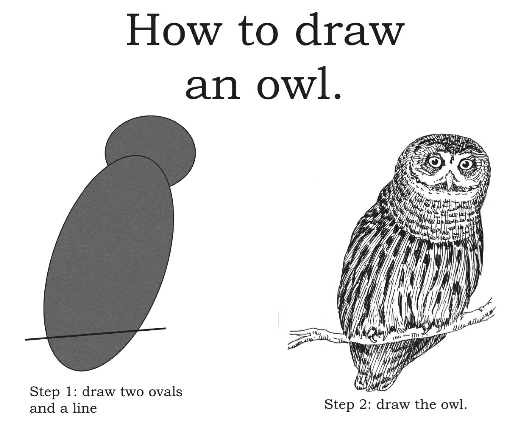
"No one learns to ride a bike from a manual. And no one learns to draw an own that way, either." (p. 14)
3/ "Your work is too important to be left to how you feel today.
"Committing to an action can change how we feel.
"If you want to change your story, change your actions. Our mind can't help but rework our narrative to make those actions coherent. We become what we do." (p. 18)
4/ "Annie Duke, former world champion of poker, teaches us that there’s a huge gap between a good decision and a good outcome.
"Reassurance is futile—focusing on outcomes at the expense of process is a shortcut that will destroy your work." (p. 25)
More:
https://t.co/T7JIqnIbTV
5/ "Confidence the feeling we get when we imagine we have control over outcomes. Every pro athlete is confident, but half of them lose. Requiring control over external events is a recipe for frustration.
"If you need a guarantee you’re going to win, you’ll never start." (p. 29)
6/ "The Internet erupted when Drew Dernavich published this picture of his desk.
"Drew isn't a genius. He just has more paper than we do.
"How many not-good cartoons would you have to draw before you figured out how to make them funny?" (p. 32)
7/ "Write your story down: a permanent record of how you see and will change the world.
"Do it in public, even if you use an assumed name, and even if you only circulate it to a few people.
"Knowing the words are there, in front of others, confirms your identity." (p. 33)
8/ "Like the Danyang–Kunshan Grand Bridge, the career of every successful creative is a pattern of small bridges to cross, each just scary enough to dissuade most people.
"The practice requires a commitment to a series of steps, not a miracle." (p. 38)
https://t.co/ES6JXf7vYD
9/ "Selling can feel selfish. We want to avoid hustling, so we hold back in fear of manipulating someone.
"Here’s an easy test for manipulation: if the people you’re interacting with discover what you already know, will they be glad that they did what you asked them to?" (p. 46)
10/ "One way to avoid criticism is to sound like everyone else. When we mimic talking points or work hard to echo what others have said, we’re hiding. We do it with the support of the system, the one that would prefer we be a commodity, an easily replaceable factory cog." (p. 45)
11/ "Creativity is contagious—if you and I are exchanging our best work, our best work gets better. A vibrant culture creates more than it takes.
"True learning (as opposed to education) requires tension and discomfort, the persistent feeling of incompetence.
12/ "The practice, then, is to not only cause temporary discomfort for those whom you lead, serve, and teach, but to embrace your own discomfort.
"Discomfort engages people, keeps them on their toes, makes them curious. It's the feeling we get just before change happens." (p.53)