
People who can be around fantasy a lot, without losing track of reality.
LARPing Our Way To Armageddon
The intense and present danger of fantasy
a thread
People who can be around fantasy a lot, without losing track of reality.
That's a useful skill in 2021, when the world, and particularly America, is being sucked into a vortex of unreality.
This isn't a bug of humankind, it's very much a feature.
Humans are what we are because of our ability to engage in the shared fantasy we call society / culture / civilisation.
Which has always brought with it some structural issues
That just got waaaaaaaaaaay more serious
That's not to be used as an excuse. These morons really were mounting an insurrection
while believing the whole thing was a game, fantasy, or LARP
Not only are there people who want to pull down democracy.
There are people who have become so untethered from reality that they will participate in the insurrection LARP
You start to realise that giant chunks of the population are detaching from reality, like ice bergs drifting into an ocean of fantasy.
If everyone in your village believes in Odin, you're gonna believe in Odin.
More from Writing

So a final thread from me as your host today: some top tips on how to write for a popular audience about complicated subjects #space #science #writing #storytelling

The essence of any good communication is simplicity. It’s the same in print, television, radio, online, or attaching notes to carrier pigeon’s legs.
In the sixties, a Granada current affairs show set the template for using a visual medium more effective: it was pioneered by a remarkable fellow called Tim Hewat, a flavour of whose personality is here:
Up to this point, most television in this country had been akin to putting radio on television: most of it was beyond parody though this from Harry Enfield is spot on -- the patronising smug tone that meant the BBC was nicknamed "Auntie" --
And take a look at the longest running TV show as it then appeared: https://t.co/T4FdppnQMo
(Patrick was a brilliant broadcaster. The point I am trying to make is the medium was not exactly groundbreaking in the visuals department)
The essence of any good communication is simplicity. It’s the same in print, television, radio, online, or attaching notes to carrier pigeon’s legs.
In the sixties, a Granada current affairs show set the template for using a visual medium more effective: it was pioneered by a remarkable fellow called Tim Hewat, a flavour of whose personality is here:
Up to this point, most television in this country had been akin to putting radio on television: most of it was beyond parody though this from Harry Enfield is spot on -- the patronising smug tone that meant the BBC was nicknamed "Auntie" --
And take a look at the longest running TV show as it then appeared: https://t.co/T4FdppnQMo
(Patrick was a brilliant broadcaster. The point I am trying to make is the medium was not exactly groundbreaking in the visuals department)


SHORT THREAD!
Simple Writing Trick to Avoid Plagiarism when using Templates
This may be useful for anyone but the examples here are more relevant to scholarship applicants
In other words, how to avoid the copy & paste syndrome.
Kindly RT to help others.
The past week brought some concerns about plagiarism in scholarship documents. For example:
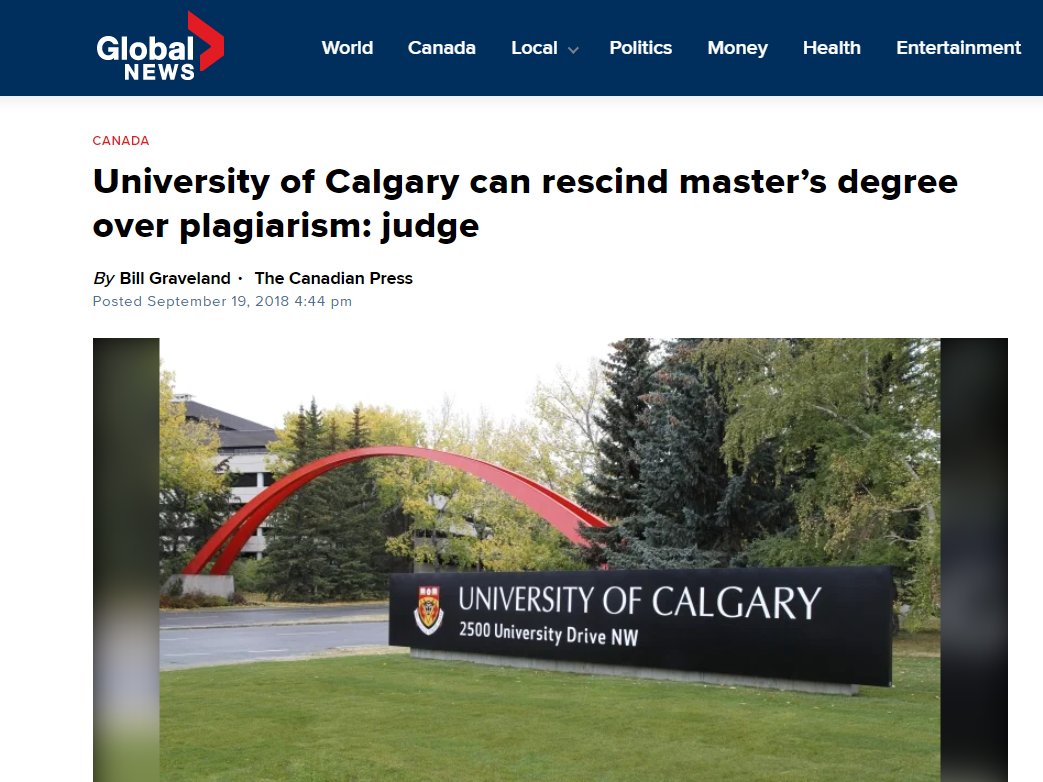
Plagiarism is unacceptable at any level in academia and may lead to several undesirable outcomes, including revocation of admission offers or conferred degrees. So here is how you can prevent or rid yourself of the copy&paste syndrome
1. Don't use any template at all.
Just follow the darn instructions, or use helpful tips scattered all over the internet. Worry less about perfection.
I understand this may be hard for less experienced scholars. So if you must use a template, continue with the thread.
2. If possible, find more than one template.
This helps you identify the flow of ideas and the commonalities in the template. You can then develop your own unique document from this knowledge.
If you are still confused and must use a template, continue with the thread
Simple Writing Trick to Avoid Plagiarism when using Templates
This may be useful for anyone but the examples here are more relevant to scholarship applicants
In other words, how to avoid the copy & paste syndrome.
Kindly RT to help others.
The past week brought some concerns about plagiarism in scholarship documents. For example:
I got a call from the recruitment office at a Canadian university today and the issue was most of the Nigerians who applied there have almost the same Statement of Purpose letters. Please show originality in your applications, use your own words......1/3
— Tosin AJ (@ajibz_tosin) January 20, 2021
Plagiarism is unacceptable at any level in academia and may lead to several undesirable outcomes, including revocation of admission offers or conferred degrees. So here is how you can prevent or rid yourself of the copy&paste syndrome
1. Don't use any template at all.
Just follow the darn instructions, or use helpful tips scattered all over the internet. Worry less about perfection.
I understand this may be hard for less experienced scholars. So if you must use a template, continue with the thread.
2. If possible, find more than one template.
This helps you identify the flow of ideas and the commonalities in the template. You can then develop your own unique document from this knowledge.
If you are still confused and must use a template, continue with the thread

You May Also Like








BREAKING: @CommonsCMS @DamianCollins just released previously sealed #Six4Three @Facebook documents:
Some random interesting tidbits:
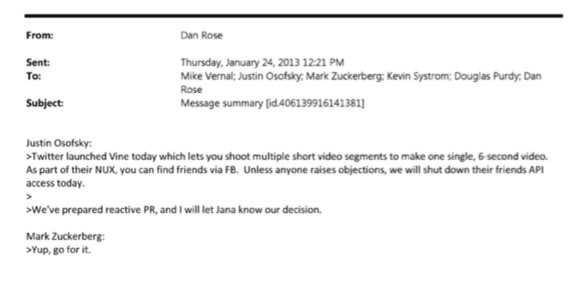
1) Zuck approves shutting down platform API access for Twitter's when Vine is released #competition
2) Facebook engineered ways to access user's call history w/o alerting users:
Team considered access to call history considered 'high PR risk' but 'growth team will charge ahead'. @Facebook created upgrade path to access data w/o subjecting users to Android permissions dialogue.
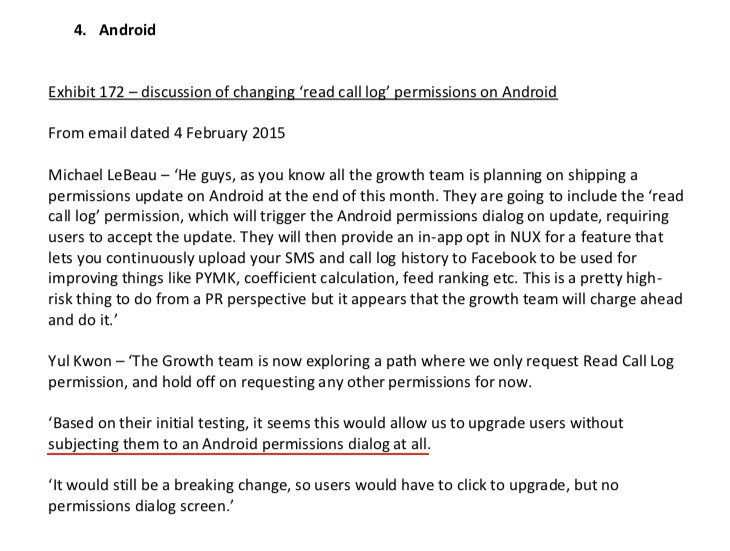
3) The above also confirms @kashhill and other's suspicion that call history was used to improve PYMK (People You May Know) suggestions and newsfeed rankings.
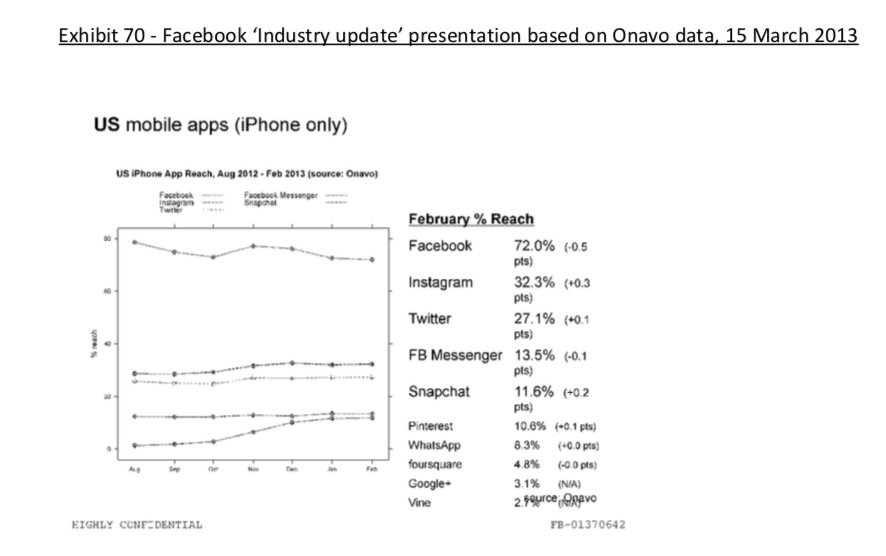
4) Docs also shed more light into @dseetharaman's story on @Facebook monitoring users' @Onavo VPN activity to determine what competitors to mimic or acquire in 2013.
https://t.co/PwiRIL3v9x
Some random interesting tidbits:
1) Zuck approves shutting down platform API access for Twitter's when Vine is released #competition
2) Facebook engineered ways to access user's call history w/o alerting users:
Team considered access to call history considered 'high PR risk' but 'growth team will charge ahead'. @Facebook created upgrade path to access data w/o subjecting users to Android permissions dialogue.
3) The above also confirms @kashhill and other's suspicion that call history was used to improve PYMK (People You May Know) suggestions and newsfeed rankings.
4) Docs also shed more light into @dseetharaman's story on @Facebook monitoring users' @Onavo VPN activity to determine what competitors to mimic or acquire in 2013.
https://t.co/PwiRIL3v9x