Many suggestions are terrible with comments promoting Forex scammers, overpriced courses, or dull academic books like "The Intelligent Investor."
So You Made Some Money On GameStop And Want To Learn More About The Stock Market?
Here Are 7 Investment Books Worth Reading
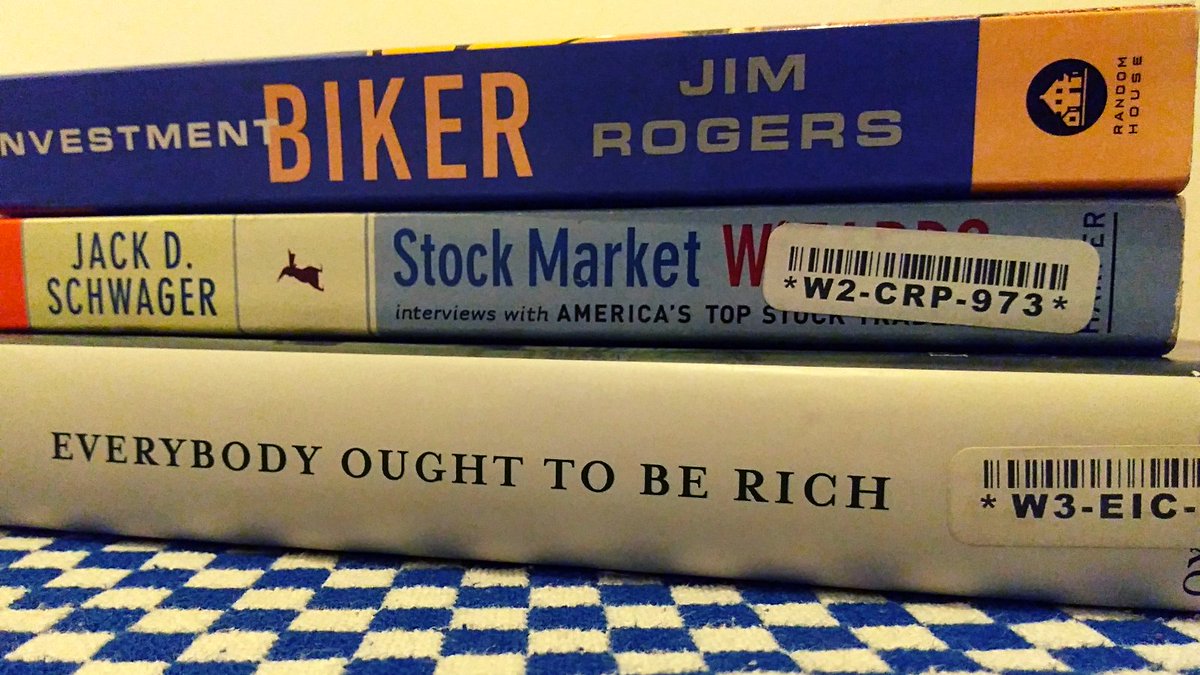
Many suggestions are terrible with comments promoting Forex scammers, overpriced courses, or dull academic books like "The Intelligent Investor."
And, there are plenty of fantastic biographies, covering historical market events and old school traders.
The first book is my personal favorite, but none of the others are in any particular order.
DISCLAIMER: I'm Using Amazon Referral Links Below, But It Doesn't Influence The List. Also, You Can Get All These At Your Local Library.
Peter Lynch is the greatest investor of all-time, outperforming Warren Buffett.
This is a fantastic, easy-to-read look at how to successfully buy winning stocks and multiple your money.
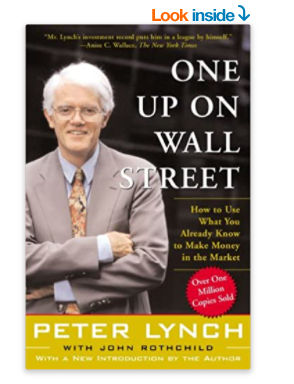
If you only read one book on stocks, make it this one.
https://t.co/hZQoeDewHT
Jakob Fugger is often considered one of the very first capitalists ever. he helped fund expeditions to Asia and the America's, played power games with European royalty, and built a personal empire.
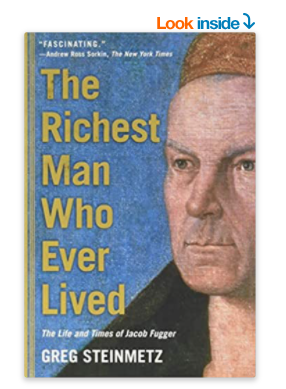
In 16th Centenary Frankfurt, homeowners made more money by renting their houses during a week-long trade fair than they earned from working all-year at their regular jobs.
While Jakob Fugger lived long before the modern stock market, you can still learn a lot from him.
https://t.co/qcGjAWO2jz
I'm actually using this spot for two books which are somewhat similar, though aimed at different audiences.
Unknown Market Wizards is a collection of interviews with successful traders.
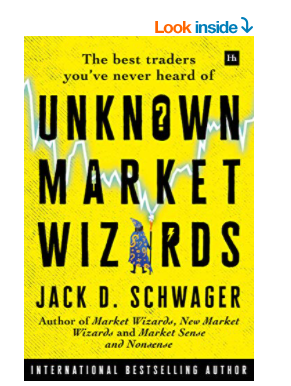
Many of the interviews are fascinating too, there's a trader who made $1 million during his first year of investing, all through his personal brokerage account and all by reading forums and message boards.
Money: Master The Game interviews professional investors and traders (many of whom you've probably heard of, like Ray Dalio).
Unknown Market Wizards - https://t.co/IiP2rw04me
Money: Master The Game - https://t.co/SMjGFqnFr3
Media pundits cry about GameStop and crazy markets. But 2021 is nothing like the old days.
Long before GameStop, there was the Erie Railroad. This was a major battleground where investors made (and lost) fortunes.
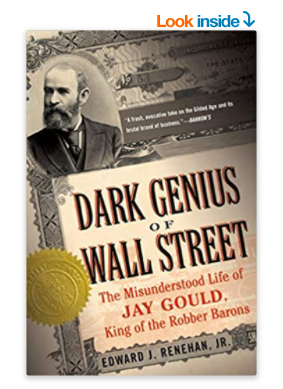
He cornered the gold market, tried kidnapping rival Gordon-Gordon, and took control of Western Union in their heyday.
A lot of rich people are boring. That's not the case with Jim Rogers.
From From 1970 to 1980, Rogers grew his Quantum Fund portfolio 4200%.
Then he retired and went on a worldwide motorcycle tour.
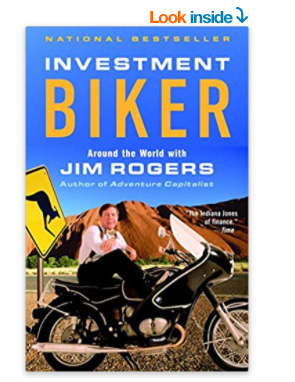
https://t.co/Elw8LG9aeq
This is not a book about dueling with traders or how to buy assets.
Instead, it is an inspiring biography about John Raskob, stocks, corporations, and America's transformation into an industrial powerhouse.
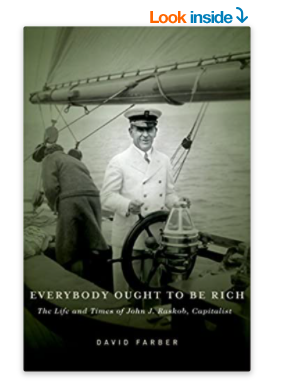
https://t.co/bFea9iNuvo
This book is WILD. The Sovereign Individual was written over 20 years ago and yet much of its content is only now coming to light.
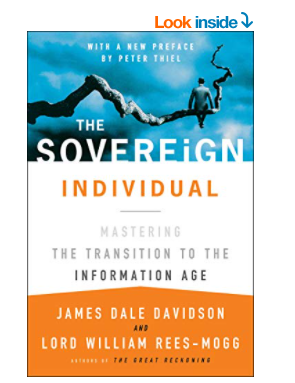
https://t.co/QJZAjWaHlB
More from Trading

Many of you have seen the famous Westrum Organizational Typology model, so prominently featured in State of DevOps Research, Accelerate, DevOps Handbook, etc.
This model was created Dr. Ron Westrum, a widely-cited sociologist who studied the impact of culture on safety
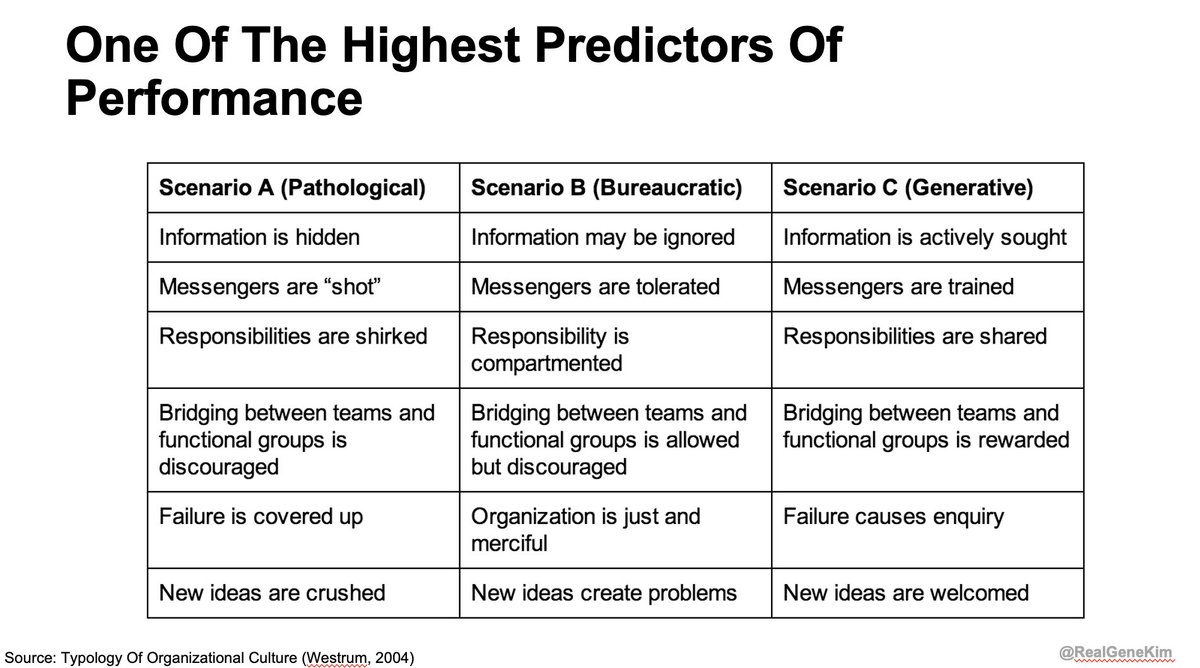
Thanks to Dr. @nicolefv, I was able to interview him for an upcoming episode of the Idealcast! 🤯
It was a very heady experience, and while preparing to interview him, I was startled to discover how much work he's done in healthcare, aviation, spaceflight, but also innovation.
I've read 4+ of his papers, so I thought I was familiar with his work. (Here's one paper: https://t.co/7X00O67VgS)
I was startled to learn he has also studied in depth what enables innovation. He wrote a wonderful book "Sidewinder: Creative Missile Development at China Lake"
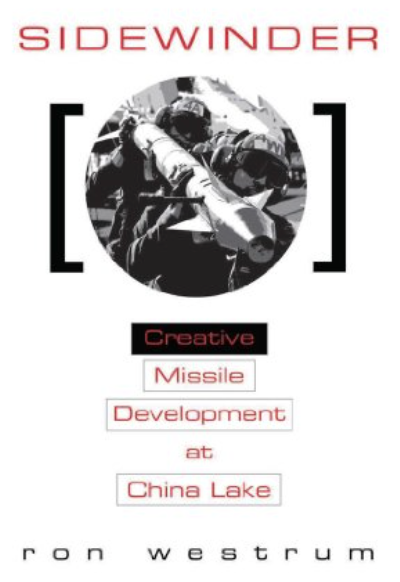
Dr. Westrum writes about China Lake Research Labs: "its design and structure had one purpose: to foster technical creativity. It did; China Lake operated far outside the normal envelope... Sidewinder & others were "impossible" accomplishments,
I love this book because it describes traits of organizations that routinely create and maintain greatness: US space program (Mercury, Gemini, Apollo), US Naval Reactors, Toyota, Team of Teams, Tesla, the tech giants (Amazon, Google, Netflix, Google)
This model was created Dr. Ron Westrum, a widely-cited sociologist who studied the impact of culture on safety
Thanks to Dr. @nicolefv, I was able to interview him for an upcoming episode of the Idealcast! 🤯
It was a very heady experience, and while preparing to interview him, I was startled to discover how much work he's done in healthcare, aviation, spaceflight, but also innovation.
I've read 4+ of his papers, so I thought I was familiar with his work. (Here's one paper: https://t.co/7X00O67VgS)
I was startled to learn he has also studied in depth what enables innovation. He wrote a wonderful book "Sidewinder: Creative Missile Development at China Lake"
Dr. Westrum writes about China Lake Research Labs: "its design and structure had one purpose: to foster technical creativity. It did; China Lake operated far outside the normal envelope... Sidewinder & others were "impossible" accomplishments,
I love this book because it describes traits of organizations that routinely create and maintain greatness: US space program (Mercury, Gemini, Apollo), US Naval Reactors, Toyota, Team of Teams, Tesla, the tech giants (Amazon, Google, Netflix, Google)


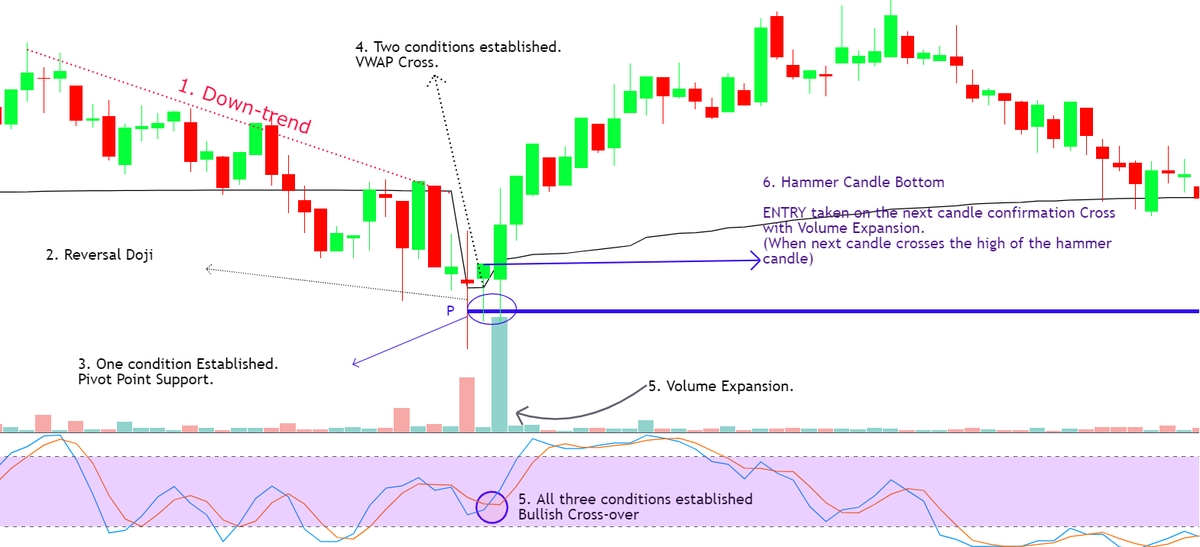
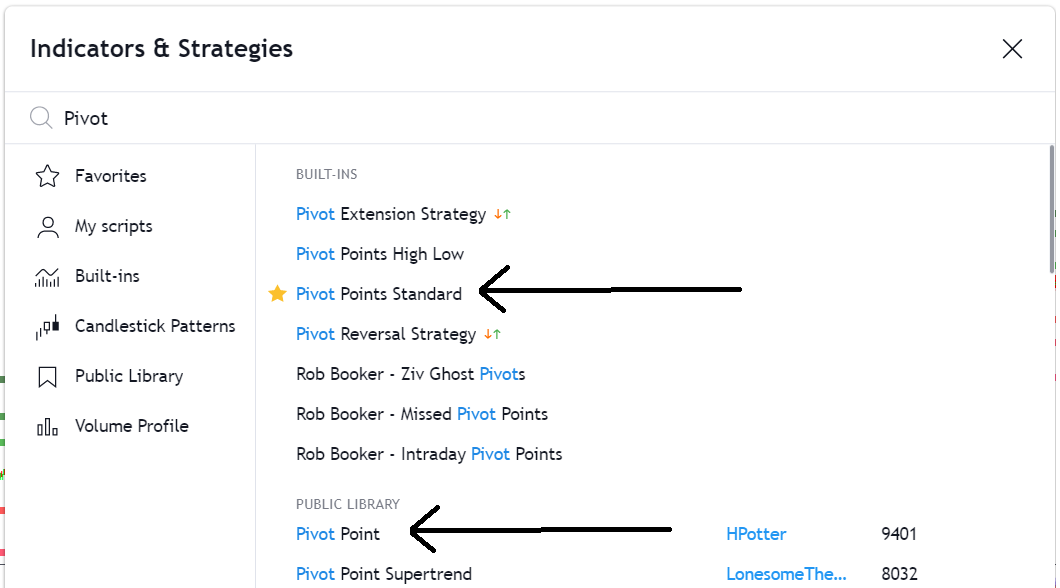


𝗡𝗶𝗳𝘁𝘆-𝗕𝗮𝗻𝗸𝗻𝗶𝗳𝘁𝘆 𝗢𝗽𝘁𝗶𝗼𝗻 𝗕𝘂𝘆𝗶𝗻𝗴 𝗦𝘁𝗿𝗮𝘁𝗲𝗴𝘆
Complete Backtest and Indicator link
🧵 A Thread 🧵
𝗦𝗲𝘁𝘂𝗽:
🔸 Monthly Option Buying
🔸 50 ema on 3 min timeframe
🔸 Supertrend 10 , 3
🔸 Chart : Banknifty , Nifty Futures as we backtested on futures
🔸 Entry 9:20 to 3:00
🔸 Max 3 Entries per day
🔸 Premium nearest to 200 Rs only
[2/18]
Why Monthly Option buying ?
🔸 Less theta decay compared to weekly options
🔸 Less Volatility
🔸 Supertrend and MA Settings
[3/18]

🔸 Indicator Link
🔸 Click on the below 𝘭𝘪𝘯𝘬 -> 𝘈𝘥𝘥 𝘵𝘰 𝘍𝘢𝘷𝘰𝘶𝘳𝘪𝘵𝘦𝘴 -> 𝘈𝘥𝘥 𝘰𝘯 𝘊𝘩𝘢𝘳𝘵 from favourites and start using it !
🔸 https://t.co/zVXavqLBto
[4/18]
𝗜𝗻𝗱𝗶𝗰𝗮𝘁𝗼𝗿 𝗦𝗲𝘁𝘁𝗶𝗻𝗴𝘀 :
🔸 Max 6 Trades per day ( Both CE and PE buy)
🔸 Timings 9:20 am to 3:00 pm
🔸 Supertrend : 10,3
🔸 Moving Average 50 ema
[5/18]

Complete Backtest and Indicator link
🧵 A Thread 🧵
𝗦𝗲𝘁𝘂𝗽:
🔸 Monthly Option Buying
🔸 50 ema on 3 min timeframe
🔸 Supertrend 10 , 3
🔸 Chart : Banknifty , Nifty Futures as we backtested on futures
🔸 Entry 9:20 to 3:00
🔸 Max 3 Entries per day
🔸 Premium nearest to 200 Rs only
[2/18]
Why Monthly Option buying ?
🔸 Less theta decay compared to weekly options
🔸 Less Volatility
🔸 Supertrend and MA Settings
[3/18]
🔸 Indicator Link
🔸 Click on the below 𝘭𝘪𝘯𝘬 -> 𝘈𝘥𝘥 𝘵𝘰 𝘍𝘢𝘷𝘰𝘶𝘳𝘪𝘵𝘦𝘴 -> 𝘈𝘥𝘥 𝘰𝘯 𝘊𝘩𝘢𝘳𝘵 from favourites and start using it !
🔸 https://t.co/zVXavqLBto
[4/18]
𝗜𝗻𝗱𝗶𝗰𝗮𝘁𝗼𝗿 𝗦𝗲𝘁𝘁𝗶𝗻𝗴𝘀 :
🔸 Max 6 Trades per day ( Both CE and PE buy)
🔸 Timings 9:20 am to 3:00 pm
🔸 Supertrend : 10,3
🔸 Moving Average 50 ema
[5/18]