New 2020 cyber trends report now out!
NEW report by #CCDCOE researchers on 2020 #cyber trends and #lessonslearned they provide for armed forces in order to be better prepared in the future #collaboration #360degreeviewhttps://t.co/VoacrIHxqU pic.twitter.com/mXoflZ5cUe
— NATO CCDCOE (@ccdcoe) January 19, 2021
More from Tech


Next.js has taken the web dev world by storm
It’s the @reactjs framework devs rave about praising its power, flexibility, and dev experience
Don't feel like you're missing out!
Here's everything you need to know in 10 tweets
Let’s dive in 🧵

Next.js is a @reactjs framework from @vercel
It couples a great dev experience with an opinionated feature set to make it easy to spin up new performant, dynamic web apps
It's used by many high-profile teams like @hulu, @apple, @Nike, & more
https://t.co/whCdm5ytuk
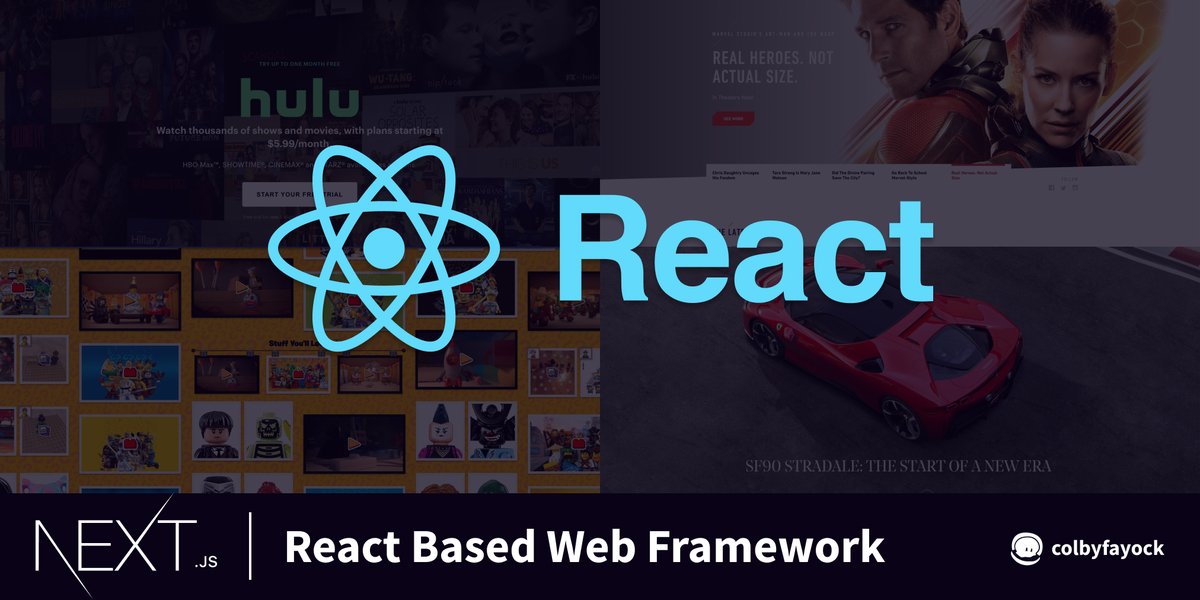
@vercel @hulu @Apple @Nike The team at @vercel, formerly Zeit, originally and launched v1 of the framework on Oct 26, 2016 in the pursuit of universal JavaScript apps
Since then, the team & community has grown expotentially, including contributions from giants like @Google
https://t.co/xPPTOtHoKW
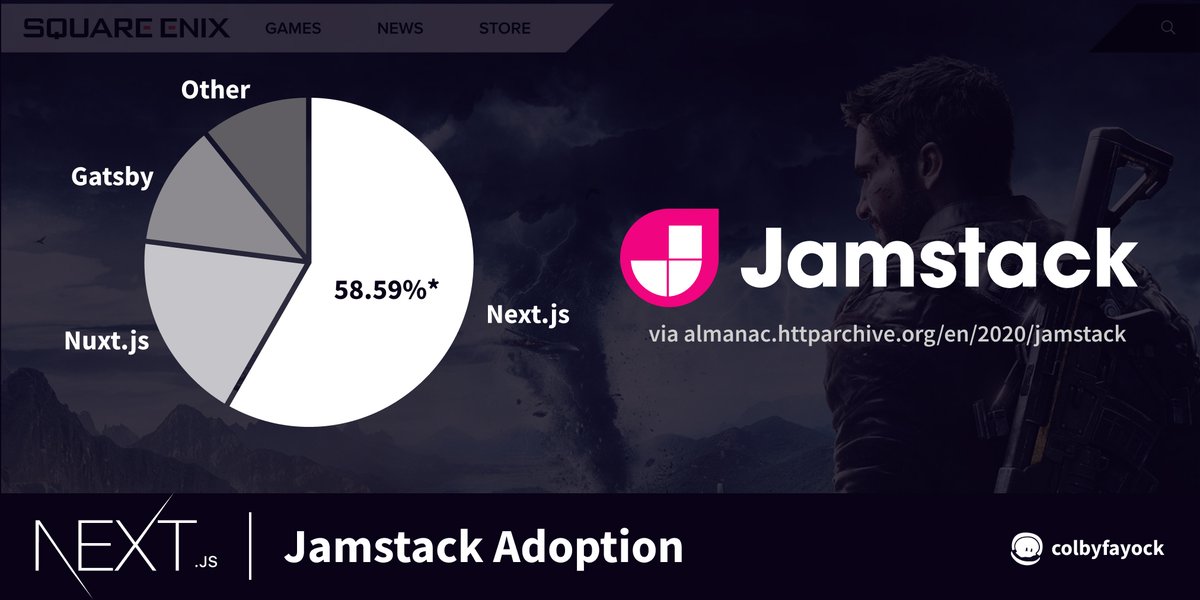
@vercel @hulu @Apple @Nike @Google In the #jamstack world, Next.js pulled a hefty 58.6% share of framework adoption in 2020
Compared to other popular @reactjs frameworks like Gatsby, which pulled in 12%
*The Next.js stats likely include some SSR, arguably not Jamstack
https://t.co/acNawfcM4z
@vercel @hulu @Apple @Nike @Google The easiest way to get started with a new Next.js app is with Create Next App
Simply run:
yarn create next-app
or
npx create-next-app
You can even start from a git-based template with the -e flag
yarn create next-app -e https://t.co/JMQ87gi1ue
https://t.co/rwKhp7zlys

It’s the @reactjs framework devs rave about praising its power, flexibility, and dev experience
Don't feel like you're missing out!
Here's everything you need to know in 10 tweets
Let’s dive in 🧵
Next.js is a @reactjs framework from @vercel
It couples a great dev experience with an opinionated feature set to make it easy to spin up new performant, dynamic web apps
It's used by many high-profile teams like @hulu, @apple, @Nike, & more
https://t.co/whCdm5ytuk
@vercel @hulu @Apple @Nike The team at @vercel, formerly Zeit, originally and launched v1 of the framework on Oct 26, 2016 in the pursuit of universal JavaScript apps
Since then, the team & community has grown expotentially, including contributions from giants like @Google
https://t.co/xPPTOtHoKW
@vercel @hulu @Apple @Nike @Google In the #jamstack world, Next.js pulled a hefty 58.6% share of framework adoption in 2020
Compared to other popular @reactjs frameworks like Gatsby, which pulled in 12%
*The Next.js stats likely include some SSR, arguably not Jamstack
https://t.co/acNawfcM4z
@vercel @hulu @Apple @Nike @Google The easiest way to get started with a new Next.js app is with Create Next App
Simply run:
yarn create next-app
or
npx create-next-app
You can even start from a git-based template with the -e flag
yarn create next-app -e https://t.co/JMQ87gi1ue
https://t.co/rwKhp7zlys

So we had to develop technologies like this to barely manage control over limited areas in Iraq's few urban centers. Only ~8 in 100 Iraqi adults owns a personal vehicle. That rate is > 1 car/adult in America yet I have never seen any doctrine paper or work of fiction address this
We've seen and struggled in civil conflicts with instant, local, universal, distributed communications (cell phone era, basically every conflict since 2000). We've seen and struggled in conflicts with instant, global, universal distributed communications (everything since 2011).
The world's most overfunded military and glow in the dark agencies struggle and largely fail to contain conflicts where fhe vast, vast majority of people are locked into a ~5mi radius of their home.
How can they possibly contain a conflict in a nation with universal car ownership and the most developed road network in the world? The average car can travel over 400 miles on one tank of gas, how can you contain the potential of that kind of mobility?
I think that's partially why the system was so freaked out by 1/6. Yes, most of it is histrionics but you don't decide to indefinitely turn your capital into the Baghdad Green Zone with fortifications and 25k troops over histrionics alone.
Hey guys, just a friendly reminder. We're watching you. pic.twitter.com/bGwi1uJBwT
— CIA Metadata Analyst with 8 kids (@CiaKids) September 23, 2019
We've seen and struggled in civil conflicts with instant, local, universal, distributed communications (cell phone era, basically every conflict since 2000). We've seen and struggled in conflicts with instant, global, universal distributed communications (everything since 2011).
The world's most overfunded military and glow in the dark agencies struggle and largely fail to contain conflicts where fhe vast, vast majority of people are locked into a ~5mi radius of their home.
How can they possibly contain a conflict in a nation with universal car ownership and the most developed road network in the world? The average car can travel over 400 miles on one tank of gas, how can you contain the potential of that kind of mobility?
I think that's partially why the system was so freaked out by 1/6. Yes, most of it is histrionics but you don't decide to indefinitely turn your capital into the Baghdad Green Zone with fortifications and 25k troops over histrionics alone.