
GIVING FEEDBACK in GOOGLE CLASSROOM
Tips for giving students feedback on their work (avoiding add-ons) within Google Classroom
Please read, share and add more ideas.
👇👇👇
#GoogleClassroom
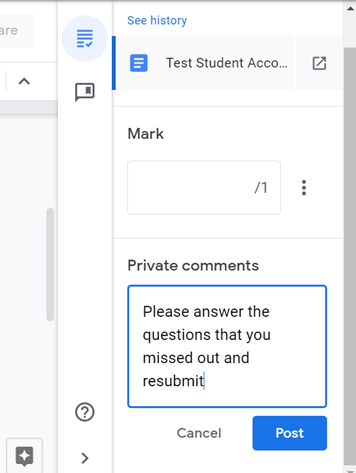
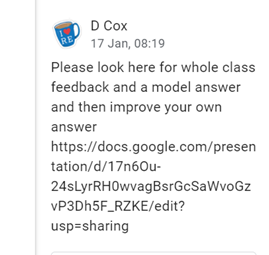
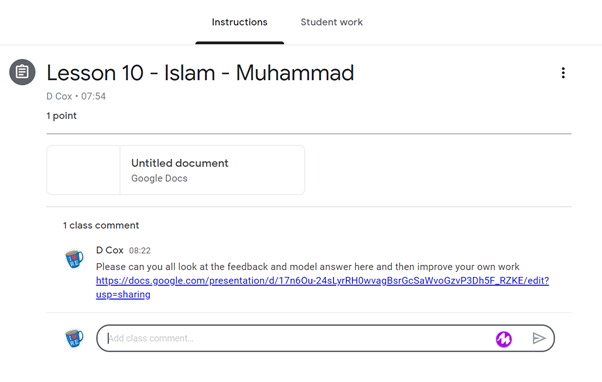
You can make this on a google doc/slide and then paste the link into their private comments.
You can link different students to different links if needed
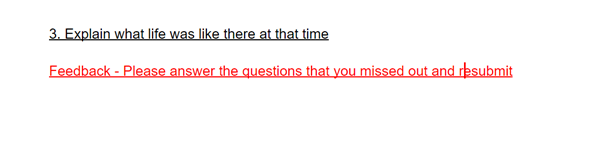
you can type directly on to their work. You might want to do this in a different colour so it stands out.
Select 'edit' the document and type on to it
Students can then respond and resubmit
Make a copy of a document for each student so they can respond/annotate their own version. pic.twitter.com/UaTJdAlPly
— Miss (@missdcox) January 9, 2021
Add comments that you what to be able to reuse.
These comments stay the same no matter which student/class you are using them with.
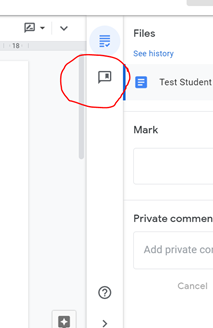
Click the + box
You can free type into this box or to use the comment bank....
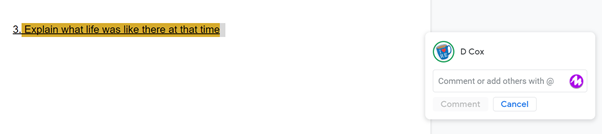
Start typing the beginning of the comment you know you have in your comment bank and comments will appear that have those letters in.
Select the comment you want
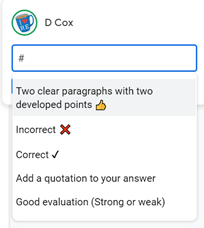
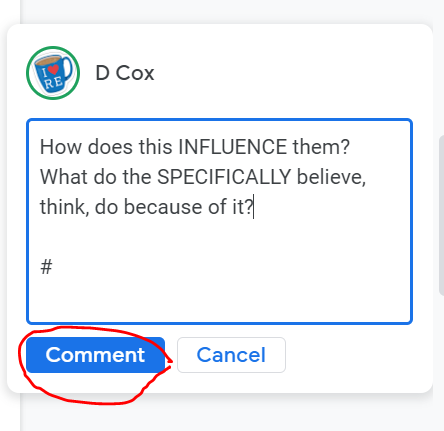
Use simple statements to feedback on the quality of student response. This can be with/without marks.
Think carefully what criteria make a ‘perfect’ piece of work and what the stages might be to get there.
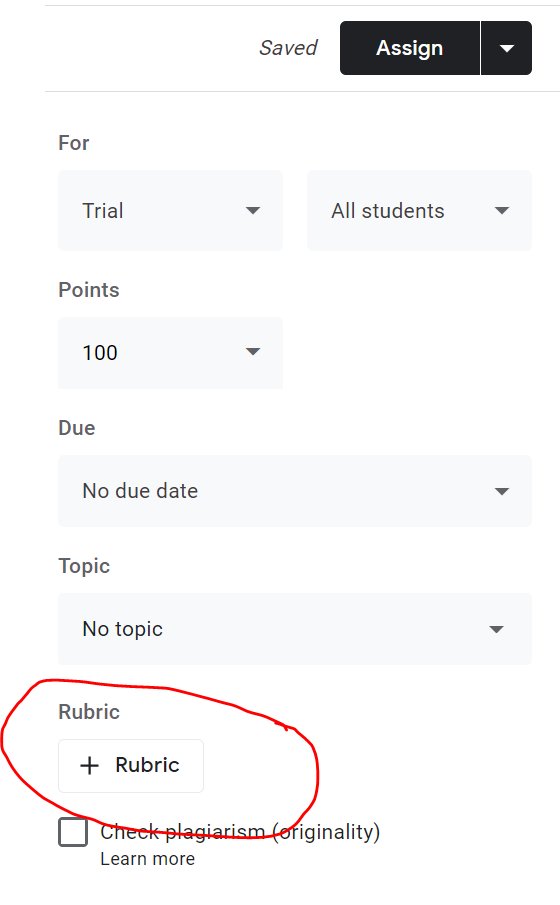
I used a template from here https://t.co/vrXAQZ4jZo
however I edited it to give me more flexibility in what I wanted.
See a ‘copy of one of my examples here: https://t.co/y98fId0ppX
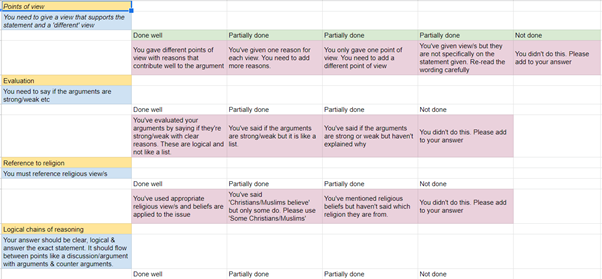
You just select which is the most appropriate for that student in that area of their work.
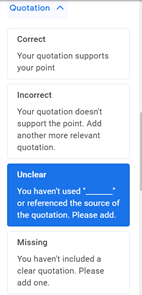
People can also share rubrics on social media for specific tasks or texts etc Just make sure you lock it & share for people to download/copy only
Make a form to find out what students 'know' &'understand' as a quiz.
You can then analyse common errors & set a task to address these.
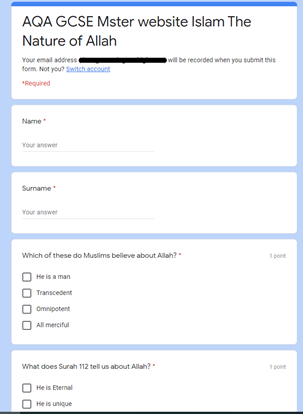
which @josephkinnaird showed me.
It records a short snip of you speaking in which you can give feedback. Here is Joe's thread on how you could use it.
https://t.co/PqIn1nhiV0
A short thread of how you can use Mote within Google Classroom.
— Joe Kinnaird (@josephkinnaird) January 10, 2021
More from Tech











You May Also Like














“We don’t negotiate salaries” is a negotiation tactic.
Always. No, your company is not an exception.
A tactic I don’t appreciate at all because of how unfairly it penalizes low-leverage, junior employees, and those loyal enough not to question it, but that’s negotiation for you after all. Weaponized information asymmetry.
Listen to Aditya
And by the way, you should never be worried that an offer would be withdrawn if you politely negotiate.
I have seen this happen *extremely* rarely, mostly to women, and anyway is a giant red flag. It suggests you probably didn’t want to work there.
You wish there was no negotiating so it would all be more fair? I feel you, but it’s not happening.
Instead, negotiate hard, use your privilege, and then go and share numbers with your underrepresented and underpaid colleagues. […]
Always. No, your company is not an exception.
A tactic I don’t appreciate at all because of how unfairly it penalizes low-leverage, junior employees, and those loyal enough not to question it, but that’s negotiation for you after all. Weaponized information asymmetry.
Listen to Aditya
"we don't negotiate salaries" really means "we'd prefer to negotiate massive signing bonuses and equity grants, but we'll negotiate salary if you REALLY insist" https://t.co/80k7nWAMoK
— Aditya Mukerjee, the Otterrific \U0001f3f3\ufe0f\u200d\U0001f308 (@chimeracoder) December 4, 2018
And by the way, you should never be worried that an offer would be withdrawn if you politely negotiate.
I have seen this happen *extremely* rarely, mostly to women, and anyway is a giant red flag. It suggests you probably didn’t want to work there.
You wish there was no negotiating so it would all be more fair? I feel you, but it’s not happening.
Instead, negotiate hard, use your privilege, and then go and share numbers with your underrepresented and underpaid colleagues. […]