Hi @CotswoldOutdoor @EHRC @EHRCChair @KishwerFalkner @RJHilsenrath @trussliz @GEOgovuk

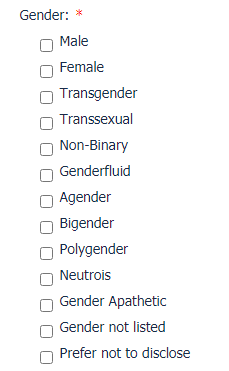
The Equal Opportunities Questions section of your job application asks for the 'gender' of the applicant with options:

Male
Female
Transgender
Transsexual
Non-Binary

continued...

1/11

...
Non-Binary
Genderfluid
Agender
Bigender
Polygender
Neutrois
Gender Apathetic
Gender not listed.

2/11
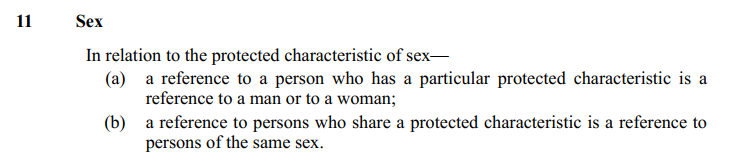
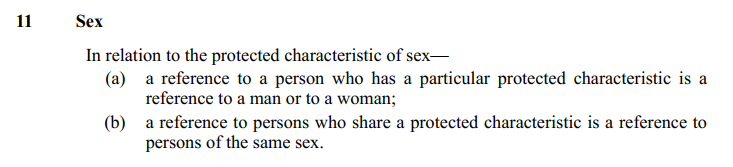
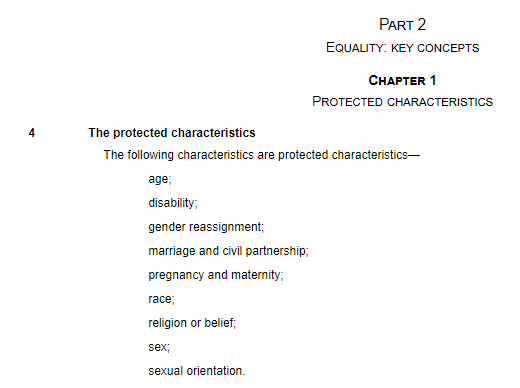
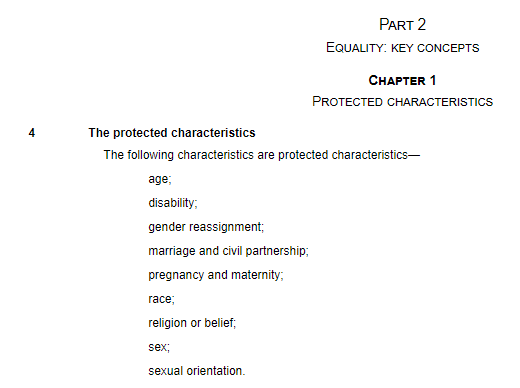
'Gender' is not a protected characteristic under the Equality Act 2010 and is not defined in the Act.

https://t.co/qisFhCiV1u

3/11
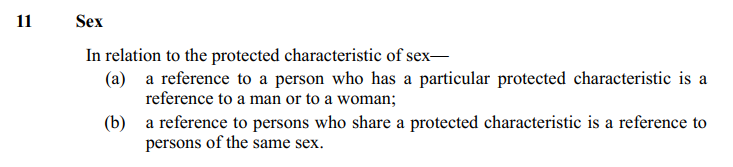
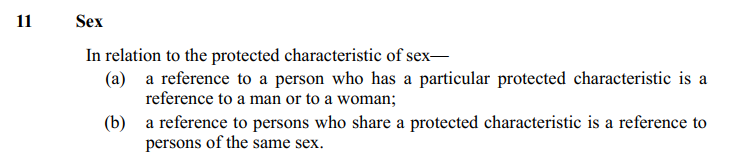
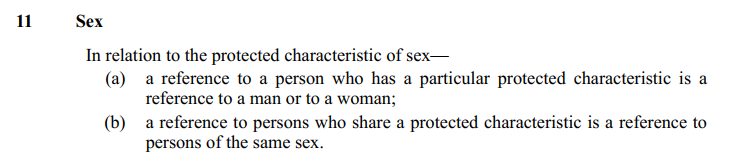
Sex is the protected characteristic and the only two possible options for sex are 'Female' and 'Male' as defined in the Act and consistent with biology, but you don't ask for that.

https://t.co/CEJ0gkr6nF

'Gender' is not a synonym for sex.

4/11
All the other terms you use, apart from the term 'transsexual', are not protected characteristics under the Equality Act 2010 and are not defined or used in the Act.

5/11

More from sexnotgender.info

Hi @HomesEngland @EHRC @EHRCChair @KishwerFalkner @RJHilsenrath @trussliz @GEOgovuk

The Equal Opportunities section in your job application asks for the 'gender' of the applicant with options:

Female
Male
Non Binary.

1/14


'Gender' is not a protected characteristic under the Equality Act 2010 and is not defined in the Act.

https://t.co/qisFhCiV1u

2/14


Sex is the protected characteristic and the only two possible options for sex are 'Female' and 'Male' as defined in the Act and consistent with biology, but you don't ask for that.

https://t.co/CEJ0gkr6nF

'Gender' is not a synonym for sex.

3/14


'Gender' relies on demeaning, regressive stereotypical notions of societal roles for the two sexes.

4/14

'Non Binary' is not a protected characteristic under the Equality Act 2010, is not defined in the Act and is not part of the protected characteristic of sex.

5/14
Hi @SussexUni @adamtickell @profsaulbecker @EHRC @EHRCChair @KishwerFalkner @RJHilsenrath @trussliz @GEOgovuk

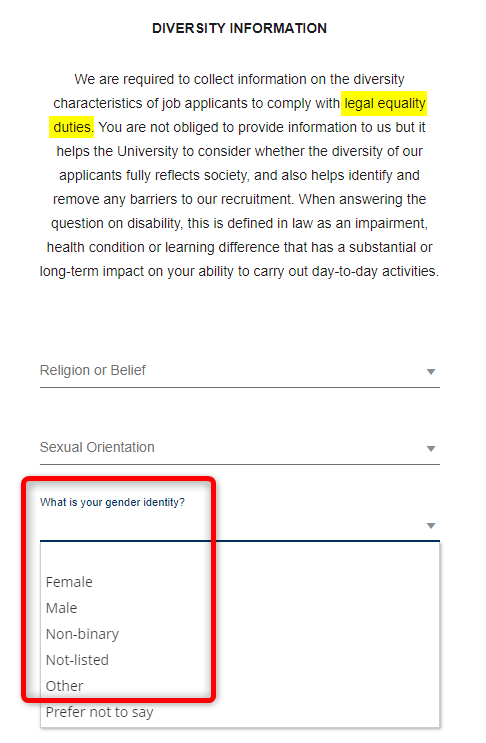
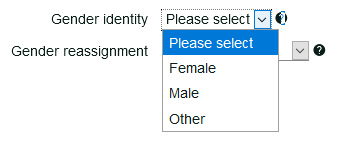
The Equal opportunities monitoring form in your job application asks for the 'gender' of the applicant with options:

Male
Female
Other.

https://t.co/DbKgiLN5yG

1/10


'Gender' is not a protected characteristic under the Equality Act 2010 and is not defined in the Act.

https://t.co/qisFhCiV1u

2/10


Sex is the protected characteristic and the only two possible options for sex are 'Female' and 'Male' as defined in the Act and consistent with biology - 'other' is not a valid option.

https://t.co/CEJ0gkr6nF

'Gender' is not a synonym for sex.

3/10


Asking about a personal characteristic such as 'gender' that is not a protected characteristic under the Act, may be in breach of the GDPR by processing personal - and potentially Special Category - data without a lawful basis.

4/10

If you choose not to gather data on specific protected characteristics (such as sex), you cannot have the information required to ascertain whether or not you could be discriminating on protected characteristics in recruitment. This could be vital in an employment tribunal.

5/10
Hi @JesusCollegeCam @EHRC @EHRCChair @KishwerFalkner @RJHilsenrath @trussliz @GEOgovuk

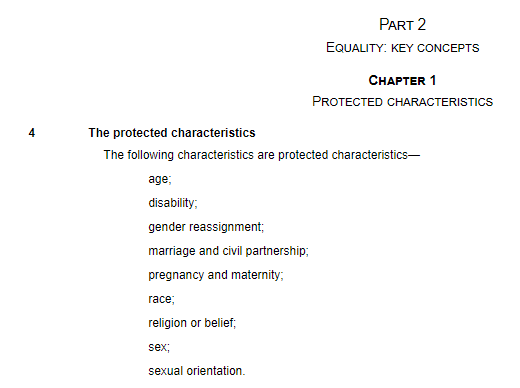
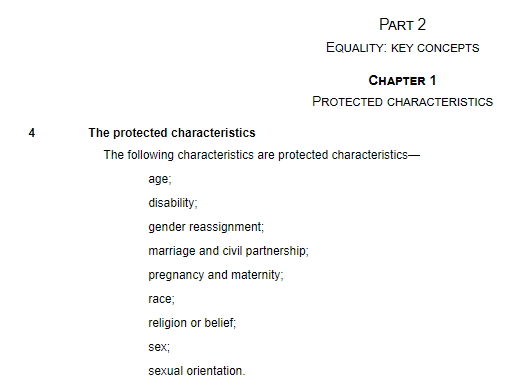
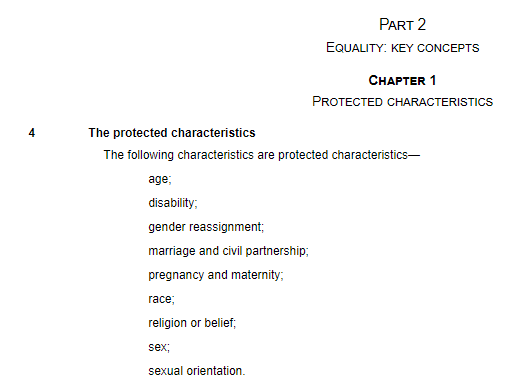
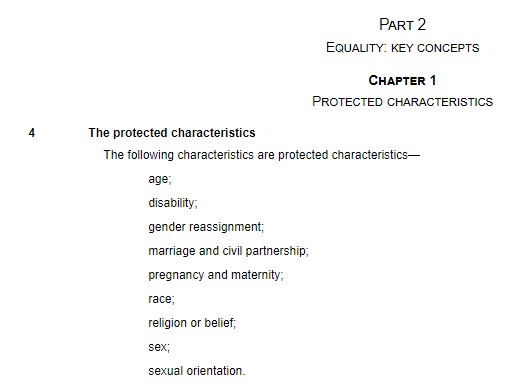
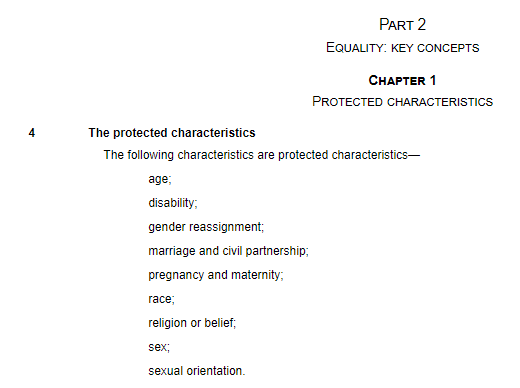
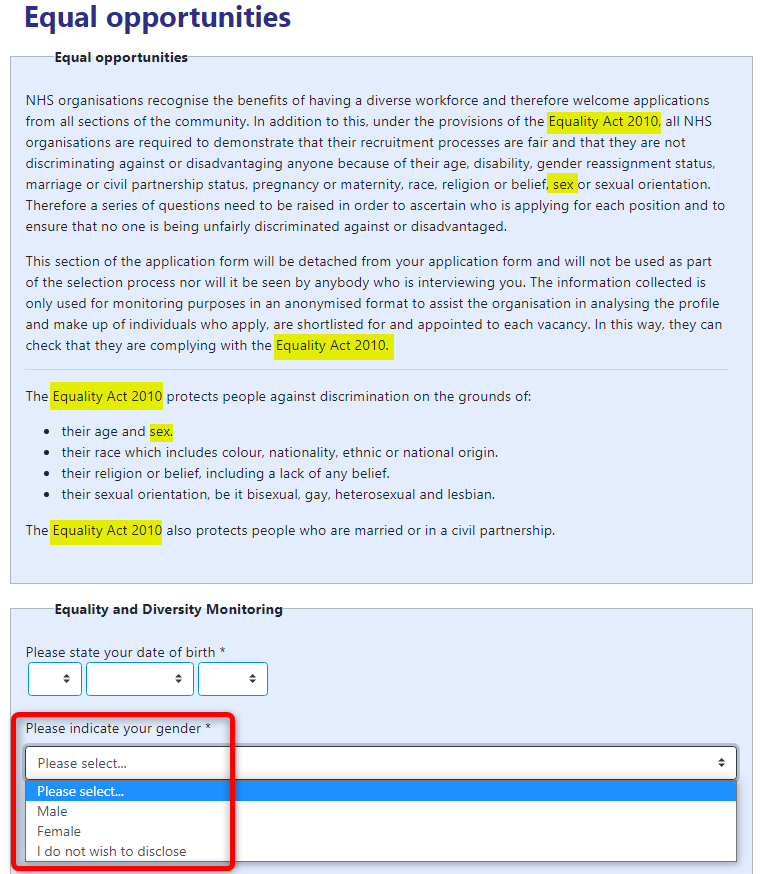
The EQUAL OPPORTUNITIES MONITORING FORM in your job application correctly has sex in a list of protected characteristics under the Equality Act 2010

However...

https://t.co/rZk1bAiooU

1/11


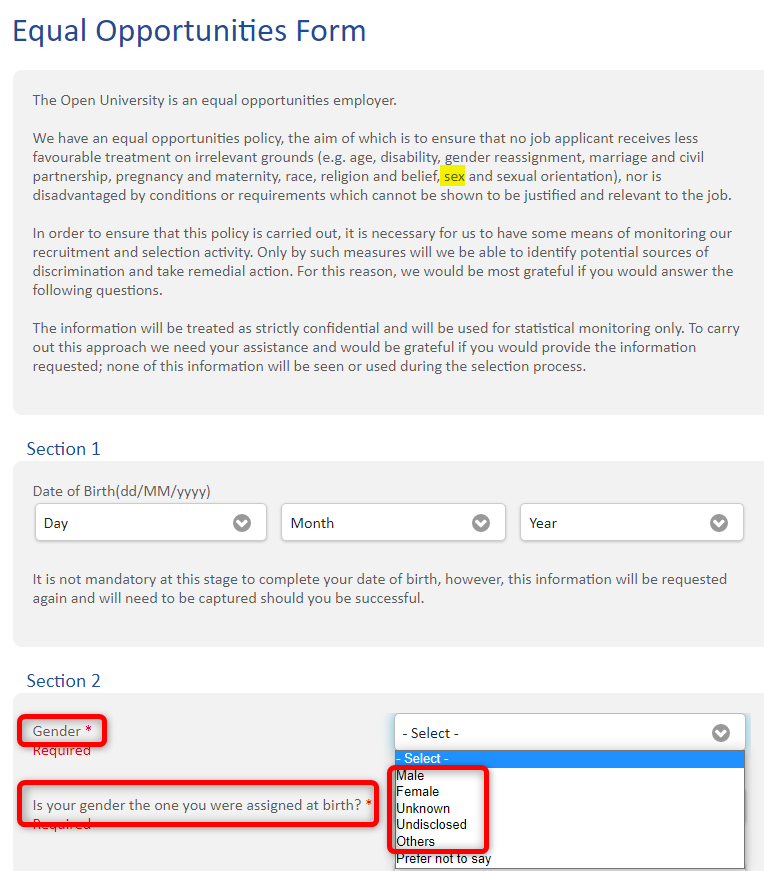
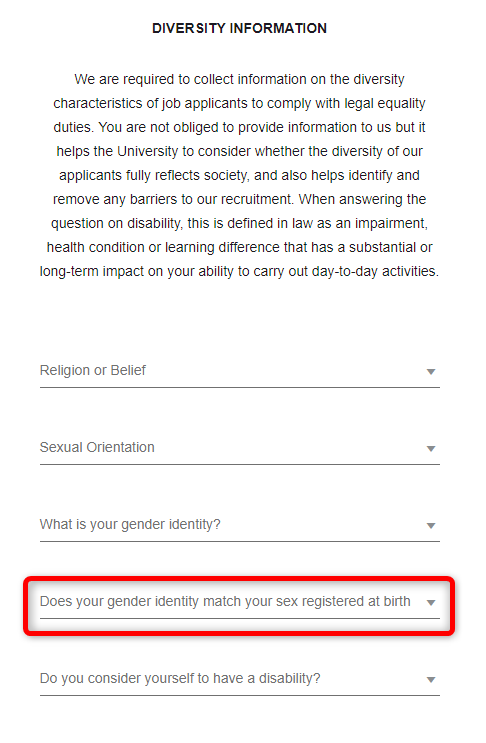
However, you then ask for the 'gender' of the applicant with options:

Female
Male.

2/11

'Gender' is not a protected characteristic under the Equality Act 2010 and is not defined in the Act.

https://t.co/qisFhCiV1u

3/11


Sex is the protected characteristic and the only two possible options for sex are 'Female' and 'Male' as defined in the Act and consistent with biology.

https://t.co/CEJ0gkr6nF

'Gender' is not a synonym for sex.

4/11


Asking about a personal characteristic such as 'gender' that is not a protected characteristic under the Act, may be in breach of the GDPR by processing personal - and potentially Special Category - data without a lawful basis.

5/11
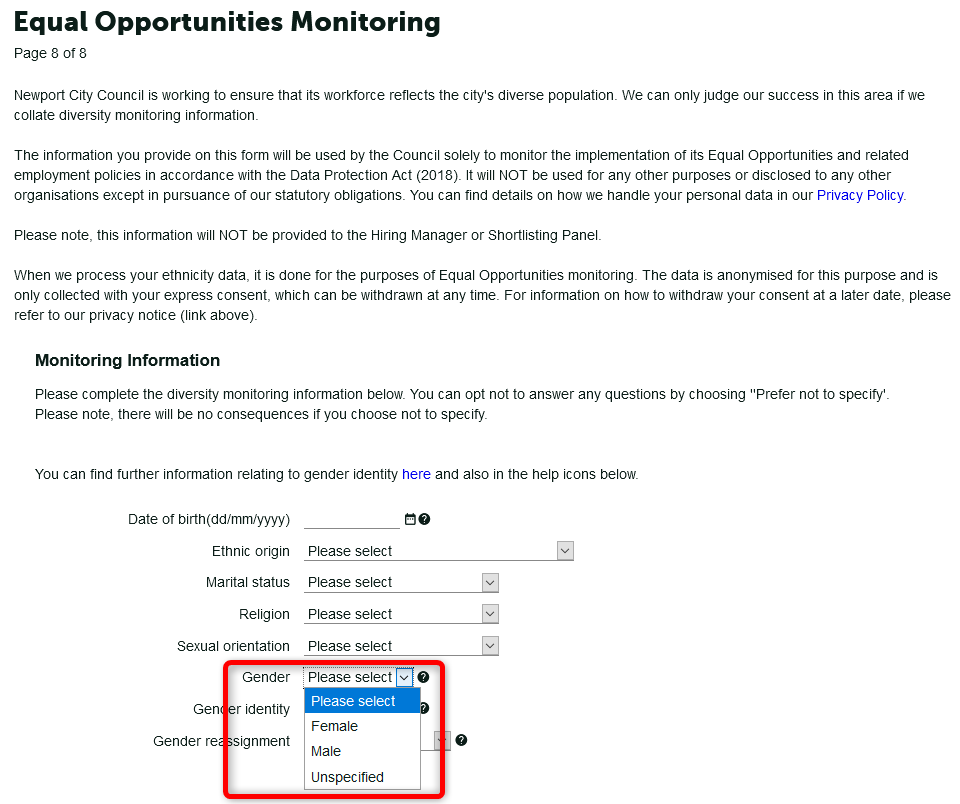
Hi @WDCouncil @EHRC @EHRCChair @KishwerFalkner @RJHilsenrath @trussliz @GEOgovuk

The Equal Opportunities Form in your job application has 'gender' in a list of what appears to be the protected characteristics under the Equality Act 2010.

cc @macca808 @SundayTimesScot
1/13


'Gender' is not a protected characteristic under the Equality Act 2010 and is not defined in the Act.

https://t.co/qisFhCiV1u

Sex is the protected characteristic under the Act, but that is not on your list.

2/13


You then ask "How would you describe your gender?" with options:

Female
Male.

3/13

Again, 'gender' is not a protected characteristic under the Equality Act 2010 and is not defined in the Act.

https://t.co/qisFhCiV1u

4/13


Sex is the protected characteristic and the only two possible options for sex are 'Female' and 'Male' as defined in the Act and consistent with biology, but you don't ask for that.

https://t.co/CEJ0gkr6nF

'Gender' is not a synonym for sex.

5/13

More from Society

global health policy in 2020 has centered around NPI's (non-pharmaceutical interventions) like distancing, masks, school closures

these have been sold as a way to stop infection as though this were science.

this was never true and that fact was known and knowable.

let's look.


above is the plot of social restriction and NPI vs total death per million. there is 0 R2. this means that the variables play no role in explaining one another.

we can see this same relationship between NPI and all cause deaths.

this is devastating to the case for NPI.


clearly, correlation is not proof of causality, but a total lack of correlation IS proof that there was no material causality.

barring massive and implausible coincidence, it's essentially impossible to cause something and not correlate to it, especially 51 times.

this would seem to pose some very serious questions for those claiming that lockdowns work, those basing policy upon them, and those claiming this is the side of science.

there is no science here nor any data. this is the febrile imaginings of discredited modelers.

this has been clear and obvious from all over the world since the beginning and had been proven so clearly by may that it's hard to imagine anyone who is actually conversant with the data still believing in these responses.

everyone got the same R
Brief thread to debunk the repeated claims we hear about transmission not happening 'within school walls', infection in school children being 'a reflection of infection from the community', and 'primary school children less likely to get infected and contribute to transmission'.

I've heard a lot of scientists claim these three - including most recently the chief advisor to the CDC, where the claim that most transmission doesn't happen within the walls of schools. There is strong evidence to rebut this claim. Let's look at


Let's look at the trends of infection in different age groups in England first- as reported by the ONS. Being a random survey of infection in the community, this doesn't suffer from the biases of symptom-based testing, particularly important in children who are often asymptomatic

A few things to note:
1. The infection rates among primary & secondary school children closely follow school openings, closures & levels of attendance. E.g. We see a dip in infections following Oct half-term, followed by a rise after school reopening.


We see steep drops in both primary & secondary school groups after end of term (18th December), but these drops plateau out in primary school children, where attendance has been >20% after re-opening in January (by contrast with 2ndary schools where this is ~5%).

You May Also Like