
But in terms of wider outreach, I worry that COPspeak galvanises climate wonks & no-one else. Big engagement challenges here... 2/11
Back to work. Kids back to school (in the next room). Tough for them.
Didn't see many people or do much over Christmas, obviously, but so nice to have some time to wind down.
2021 has got to be a big year for climate. Some thoughts: 1/11
But in terms of wider outreach, I worry that COPspeak galvanises climate wonks & no-one else. Big engagement challenges here... 2/11
https://t.co/mN56J6HPPS
https://t.co/pg18eK96XG
https://t.co/uTButoWyzh
In 2021, we'll need to work to make sure their insights and reccs are used, and that deliberation is built into policymaking. 8/11
https://t.co/wMPvPvwAdD
https://t.co/qlSYYvrNos
https://t.co/IjkstF6zIb
More from Society




Like most movements, I have learned that the definition of feminism has expanded to include simply treating women like human beings.
(A thread for whoever feels like reading)
I have observed feminists on Twitter advocating for rape victims to be heard, rapists to be held accountable, for people to address the misogyny that is deeply rooted in our culture, and for women to be treated with respect.
To me, very easy things to get behind.
And the amount of pushback they receive for those very basic requests is appalling. I see men trip over themselves to defend rape and rapists and misogyny every chance they get. Some accounts are completely dedicated to harassing women on this site. It’s unhealthy.
Furthermore, I have observed how dedicated these misogynists are by how they treat other men that do not immediately side with them. There is an entire lexicon they have created for men who do not openly treat women with disrespect.
Ex: simp, cuck, white knight, beta
All examples of terms they use to demean a man who respects women.
To paraphrase what a wise man on this app said:
Some men hate women so much, they hate men who don’t hate women
(A thread for whoever feels like reading)
Neighborhood gents, what\u2019s something you\u2019ve learned about feminism (or gained a better understanding of) that you think other men should know?
— feminist next door (@emrazz) February 19, 2021
Note - the quoted is a friendly/good faith replier. https://t.co/048kuxxX6q
I have observed feminists on Twitter advocating for rape victims to be heard, rapists to be held accountable, for people to address the misogyny that is deeply rooted in our culture, and for women to be treated with respect.
To me, very easy things to get behind.
And the amount of pushback they receive for those very basic requests is appalling. I see men trip over themselves to defend rape and rapists and misogyny every chance they get. Some accounts are completely dedicated to harassing women on this site. It’s unhealthy.
Furthermore, I have observed how dedicated these misogynists are by how they treat other men that do not immediately side with them. There is an entire lexicon they have created for men who do not openly treat women with disrespect.
Ex: simp, cuck, white knight, beta
All examples of terms they use to demean a man who respects women.
To paraphrase what a wise man on this app said:
Some men hate women so much, they hate men who don’t hate women
You May Also Like

And here they are...
THE WINNERS OF THE 24 HOUR STARTUP CHALLENGE
Remember, this money is just fun. If you launched a product (or even attempted a launch) - you did something worth MUCH more than $1,000.
#24hrstartup
The winners 👇
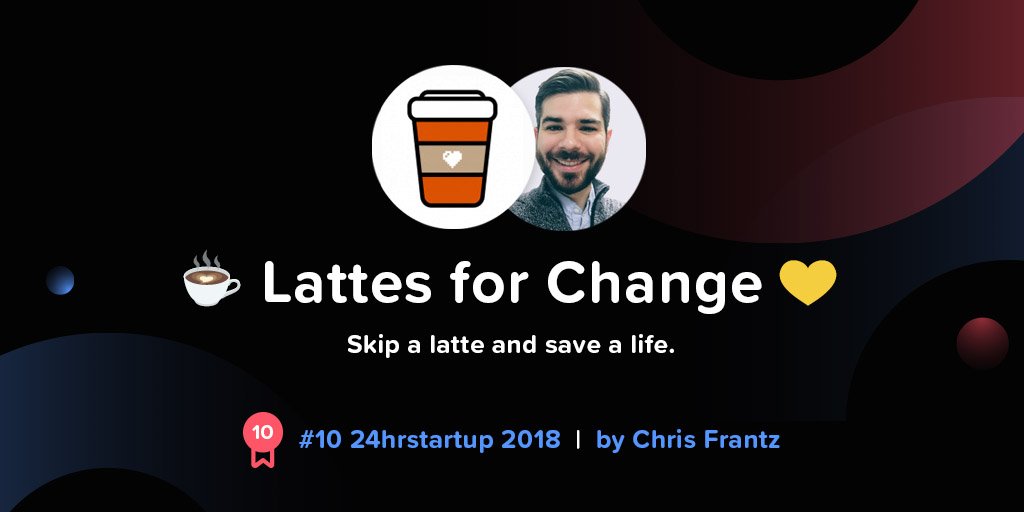
#10
Lattes For Change - Skip a latte and save a life.
https://t.co/M75RAirZzs
@frantzfries built a platform where you can see how skipping your morning latte could do for the world.
A great product for a great cause.
Congrats Chris on winning $250!
#9
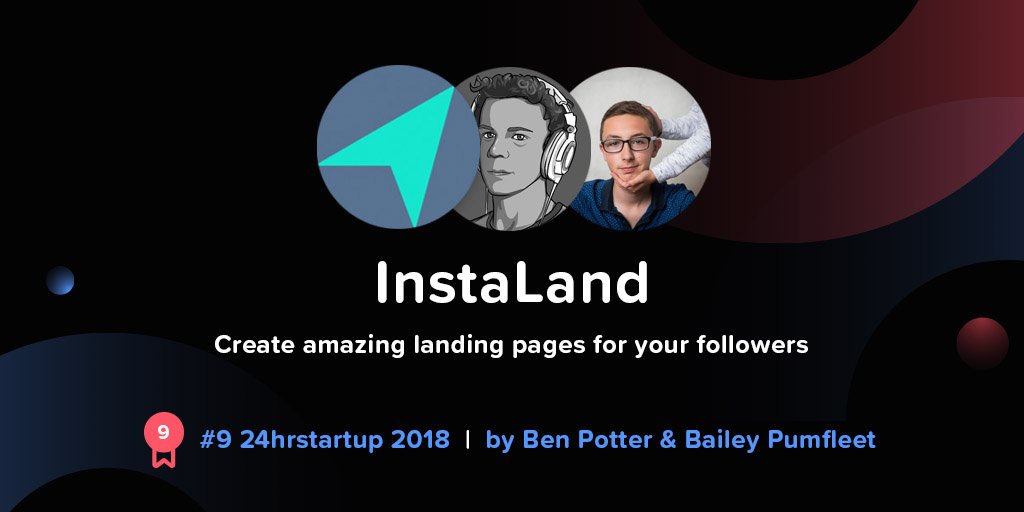
Instaland - Create amazing landing pages for your followers.
https://t.co/5KkveJTAsy
A team project! @bpmct and @BaileyPumfleet built a tool for social media influencers to create simple "swipe up" landing pages for followers.
Really impressive for 24 hours. Congrats!
#8
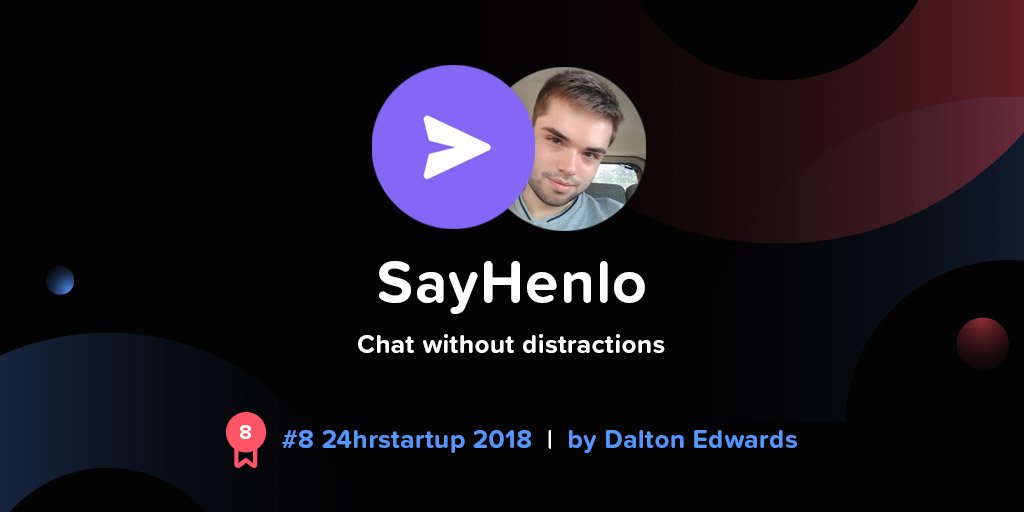
SayHenlo - Chat without distractions
https://t.co/og0B7gmkW6
Built by @DaltonEdwards, it's a platform for combatting conversation overload. This product was also coded exclusively from an iPad 😲
Dalton is a beast. I'm so excited he placed in the top 10.
#7
CoderStory - Learn to code from developers across the globe!
https://t.co/86Ay6nF4AY
Built by @jesswallaceuk, the project is focused on highlighting the experience of developers and people learning to code.
I wish this existed when I learned to code! Congrats on $250!!
THE WINNERS OF THE 24 HOUR STARTUP CHALLENGE
Remember, this money is just fun. If you launched a product (or even attempted a launch) - you did something worth MUCH more than $1,000.
#24hrstartup
The winners 👇
#10
Lattes For Change - Skip a latte and save a life.
https://t.co/M75RAirZzs
@frantzfries built a platform where you can see how skipping your morning latte could do for the world.
A great product for a great cause.
Congrats Chris on winning $250!
#9
Instaland - Create amazing landing pages for your followers.
https://t.co/5KkveJTAsy
A team project! @bpmct and @BaileyPumfleet built a tool for social media influencers to create simple "swipe up" landing pages for followers.
Really impressive for 24 hours. Congrats!
#8
SayHenlo - Chat without distractions
https://t.co/og0B7gmkW6
Built by @DaltonEdwards, it's a platform for combatting conversation overload. This product was also coded exclusively from an iPad 😲
Dalton is a beast. I'm so excited he placed in the top 10.
#7
CoderStory - Learn to code from developers across the globe!
https://t.co/86Ay6nF4AY
Built by @jesswallaceuk, the project is focused on highlighting the experience of developers and people learning to code.
I wish this existed when I learned to code! Congrats on $250!!

A brief analysis and comparison of the CSS for Twitter's PWA vs Twitter's legacy desktop website. The difference is dramatic and I'll touch on some reasons why.
Legacy site *downloads* ~630 KB CSS per theme and writing direction.
6,769 rules
9,252 selectors
16.7k declarations
3,370 unique declarations
44 media queries
36 unique colors
50 unique background colors
46 unique font sizes
39 unique z-indices
https://t.co/qyl4Bt1i5x

PWA *incrementally generates* ~30 KB CSS that handles all themes and writing directions.
735 rules
740 selectors
757 declarations
730 unique declarations
0 media queries
11 unique colors
32 unique background colors
15 unique font sizes
7 unique z-indices
https://t.co/w7oNG5KUkJ

The legacy site's CSS is what happens when hundreds of people directly write CSS over many years. Specificity wars, redundancy, a house of cards that can't be fixed. The result is extremely inefficient and error-prone styling that punishes users and developers.
The PWA's CSS is generated on-demand by a JS framework that manages styles and outputs "atomic CSS". The framework can enforce strict constraints and perform optimisations, which is why the CSS is so much smaller and safer. Style conflicts and unbounded CSS growth are avoided.
Legacy site *downloads* ~630 KB CSS per theme and writing direction.
6,769 rules
9,252 selectors
16.7k declarations
3,370 unique declarations
44 media queries
36 unique colors
50 unique background colors
46 unique font sizes
39 unique z-indices
https://t.co/qyl4Bt1i5x
PWA *incrementally generates* ~30 KB CSS that handles all themes and writing directions.
735 rules
740 selectors
757 declarations
730 unique declarations
0 media queries
11 unique colors
32 unique background colors
15 unique font sizes
7 unique z-indices
https://t.co/w7oNG5KUkJ
The legacy site's CSS is what happens when hundreds of people directly write CSS over many years. Specificity wars, redundancy, a house of cards that can't be fixed. The result is extremely inefficient and error-prone styling that punishes users and developers.
The PWA's CSS is generated on-demand by a JS framework that manages styles and outputs "atomic CSS". The framework can enforce strict constraints and perform optimisations, which is why the CSS is so much smaller and safer. Style conflicts and unbounded CSS growth are avoided.


Oh my Goodness!!!
I might have a panic attack due to excitement!!
Read this thread to the end...I just had an epiphany and my mind is blown. Actually, more than blown. More like OBLITERATED! This is the thing! This is the thing that will blow the entire thing out of the water!
Has this man been concealing his true identity?
Is this man a supposed 'dead' Seal Team Six soldier?
Witness protection to be kept safe until the right moment when all will be revealed?!
Who ELSE is alive that may have faked their death/gone into witness protection?

Were "golden tickets" inside the envelopes??

Are these "golden tickets" going to lead to their ultimate undoing?
Review crumbs on the board re: 'gold'.

#SEALTeam6 Trump re-tweeted this.

I might have a panic attack due to excitement!!
Read this thread to the end...I just had an epiphany and my mind is blown. Actually, more than blown. More like OBLITERATED! This is the thing! This is the thing that will blow the entire thing out of the water!
Tik Tok pic.twitter.com/8X3oMxvncP
— Scotty Mar10 (@Allenma15086871) December 29, 2020
Has this man been concealing his true identity?
Is this man a supposed 'dead' Seal Team Six soldier?
Witness protection to be kept safe until the right moment when all will be revealed?!
Who ELSE is alive that may have faked their death/gone into witness protection?
Were "golden tickets" inside the envelopes??
Are these "golden tickets" going to lead to their ultimate undoing?
Review crumbs on the board re: 'gold'.
#SEALTeam6 Trump re-tweeted this.