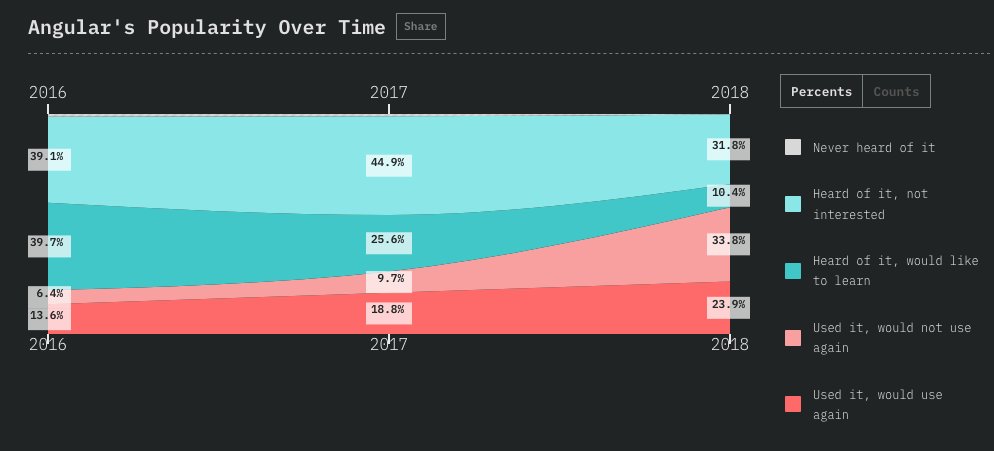
https://t.co/aISucm6SxH
2/



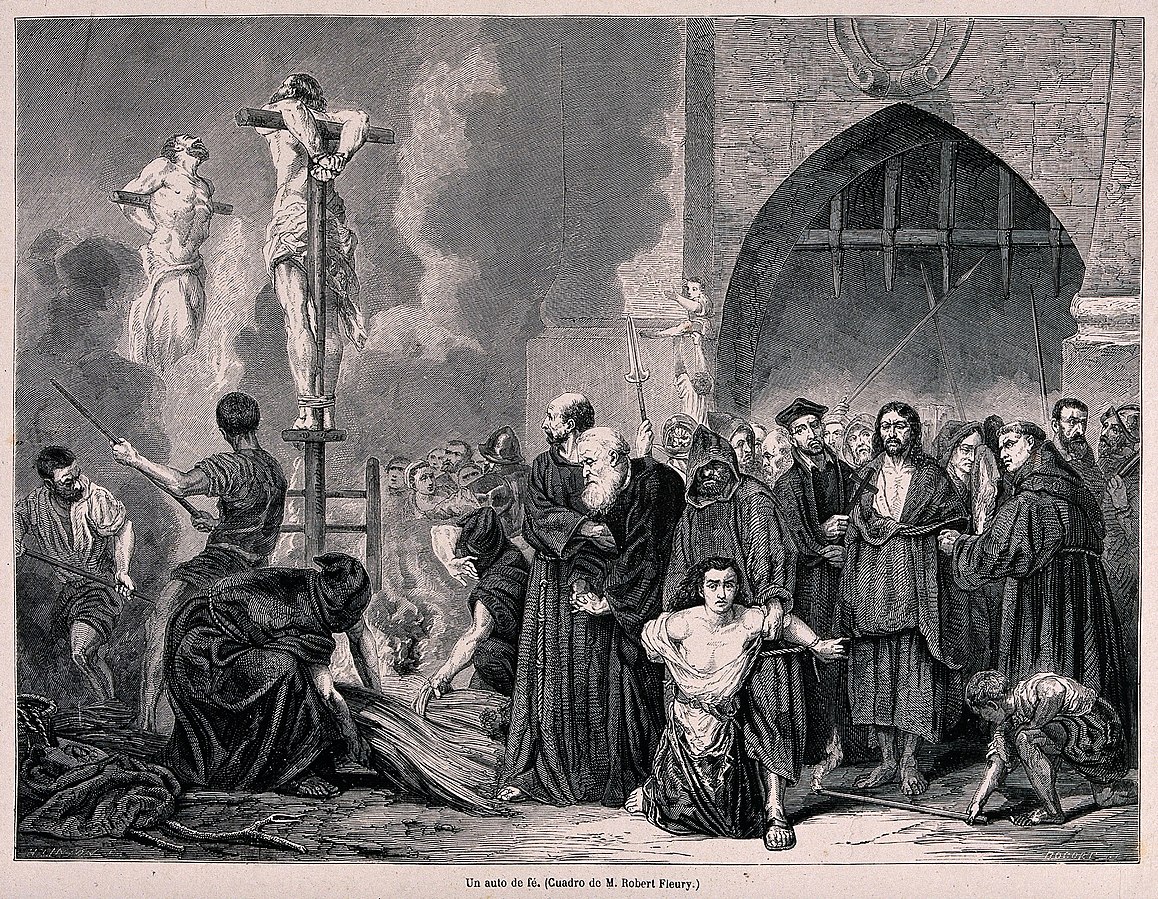
If you think "It's not censorship unless the government does it," I want to change your mind.
— Cory Doctorow #BLM (@doctorow) January 24, 2021
It's absolutely true that the First Amendment only prohibits government action to suppress speech based on its content, but the First Amendment is not the last word on censorship.
1/ pic.twitter.com/ycbLLDhtrd

Have you seen the stories about how Trump administration officials and staffers for Ted Cruz are finding that no one in the private sector will hire them because they are forever tainted by their former bosses' disgraceful behavior?
— Cory Doctorow #BLM (@doctorow) January 24, 2021
They're bullshit.https://t.co/XvYDPpR9yd
1/ pic.twitter.com/VxisK4d8jV



In "Dependency Confusion," security researcher @alxbrsn describes how he made a fortune in bug bounties by exploiting a new supply-chain attack he calls "dependency confusion," which allowed him to compromise "Apple, Microsoft and dozens of others."https://t.co/hn32EmF5qT
— Cory Doctorow #BLM (@doctorow) February 10, 2021
1/ pic.twitter.com/eqFr3GXlyX
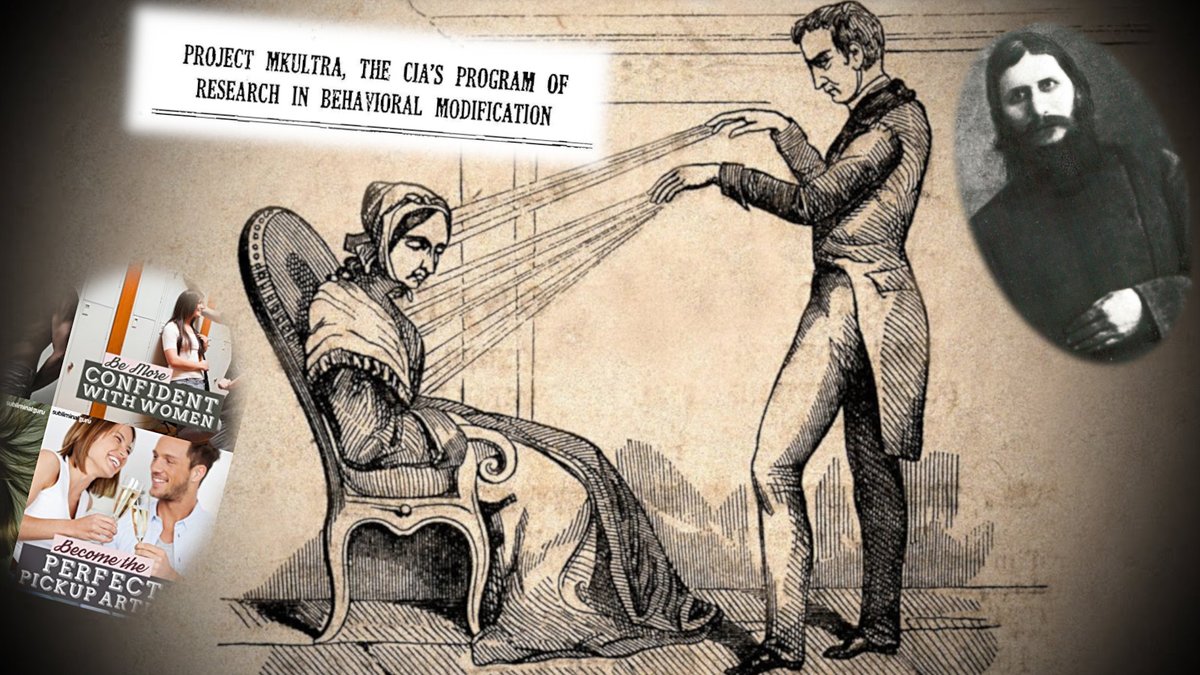
Adam Curtis is a brilliant documentarian, and films like Hypernormalization and series like All Watched Over by Machines of Loving Grace had a profound effect on my thinking about politics, technology and human thriving.
— Cory Doctorow #BLM (@doctorow) February 11, 2021
1/ pic.twitter.com/gydJK358BX

Back in the early 2010s, people started falling into open sewer entrances in New York City and other large metros - because a China-driven spike in the price of scrap metal, combined with post-2008 unemployment, gave rise to an army of metal-thieves.https://t.co/gtD72IDCPn
— Cory Doctorow #BLM (@doctorow) February 11, 2021
1/ pic.twitter.com/gdgVJoMoY8
37.90/ Limbaugh was a cruel hate-machine who made a fortune off hurting people. To say "don't speak ill of the dead" is the attitude of abuse enablers.
— Joshua Cypess (@JoshuaCypess) February 18, 2021
If you can't condemn a ghoul who dedicated his life to destroying society, you're part of the problem! https://t.co/ijvG2zDACH
This is how Rush's death should be honored. Let's not speak ill of the dead, let's quote Rush speaking ill of the dead.
— Sane English (@SaneEnglish) February 17, 2021
It's easy to make fun of Rush Limbaugh right now, but it's important to remember that he also brought a lot of people a lot of joy by dying
— Mike Drucker (@MikeDrucker) February 17, 2021
It\u2019s ok\u2014essential, even\u2014to speak the truth about people who caused great harm.
— Rabbi Danya Ruttenberg (@TheRaDR) February 17, 2021
Even after their death.
today i said Jewish culture requires dancing on the graves of those who have wronged us and i picked up like 300 followers LMAO
— Erin Biba (@erinbiba) February 18, 2021
people love Jewish vengeance \U0001f923\U0001f923
wait till they hear about Purim