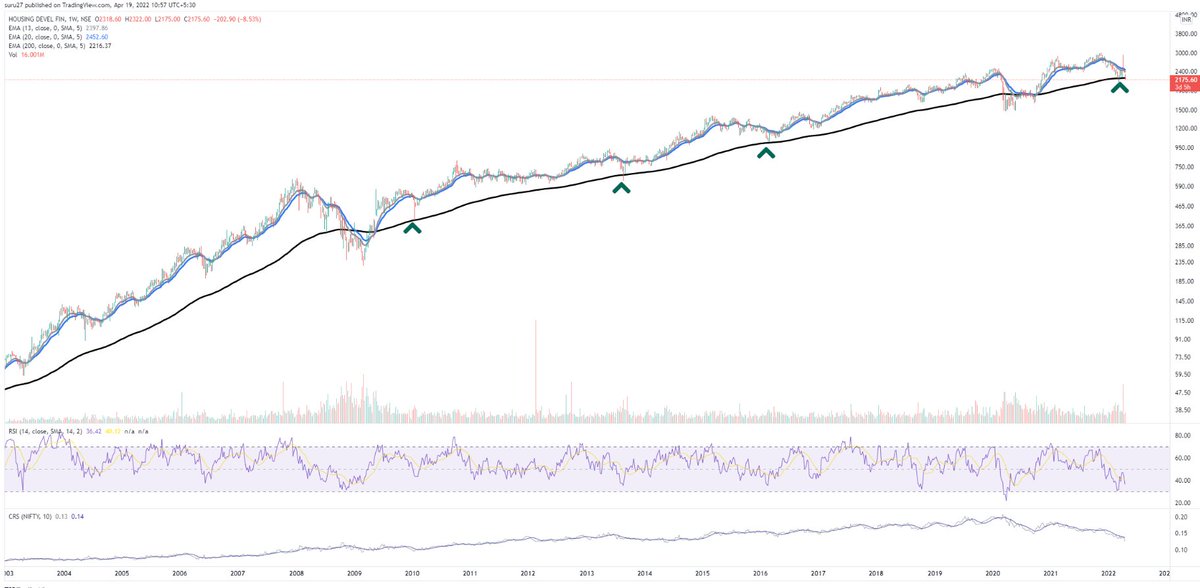
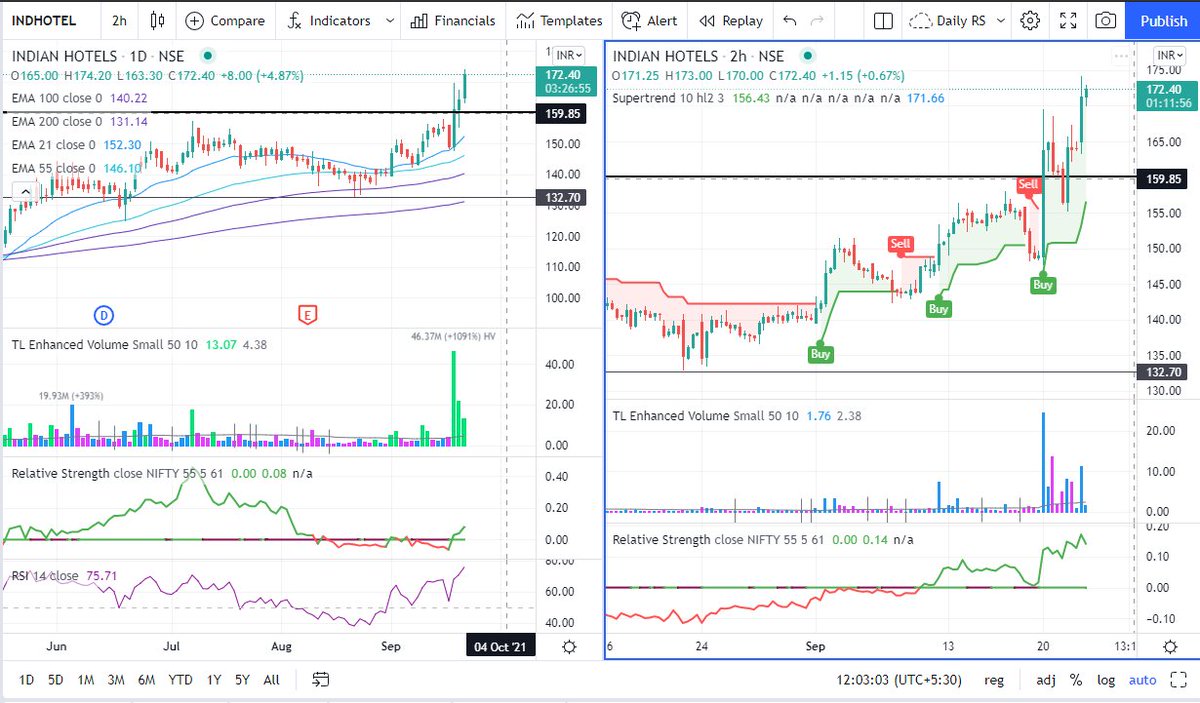
Prices fall, then, margins/topline takes beating, then, rerating normalizes, then, market loses interest, derating happens.Nothing excites - topline/margin. Market does not find quock triggers. Value emerges. Oneday triggers come, prices rise, growth comes, rerating happens
More from kumar saurabh
If you are in the market taking direct exposure in stocks for long term investing, you at least need to learn
1. Basics of Finance
2. Basics of Valuation
3. Basics of Fraud
Else you are putting your hard earned money on fire. Enough books and free resources available.
Wrote this thread for the same leveraging one of my Youtube videos as friends wanted to know where to
1. Basics of Finance
2. Basics of Valuation
3. Basics of Fraud
Else you are putting your hard earned money on fire. Enough books and free resources available.
Wrote this thread for the same leveraging one of my Youtube videos as friends wanted to know where to
Few friends are asking for list of books to learn investing topics. Have covered from my side a year back in this Youtube videohttps://t.co/bUb2S3eAVm
— kumar saurabh (@suru27) May 12, 2022
Will break down into parts what needs to be read at least as a pure fundamental investor in this thread
More from Screeners
You May Also Like
A brief analysis and comparison of the CSS for Twitter's PWA vs Twitter's legacy desktop website. The difference is dramatic and I'll touch on some reasons why.
Legacy site *downloads* ~630 KB CSS per theme and writing direction.
6,769 rules
9,252 selectors
16.7k declarations
3,370 unique declarations
44 media queries
36 unique colors
50 unique background colors
46 unique font sizes
39 unique z-indices
https://t.co/qyl4Bt1i5x
PWA *incrementally generates* ~30 KB CSS that handles all themes and writing directions.
735 rules
740 selectors
757 declarations
730 unique declarations
0 media queries
11 unique colors
32 unique background colors
15 unique font sizes
7 unique z-indices
https://t.co/w7oNG5KUkJ
The legacy site's CSS is what happens when hundreds of people directly write CSS over many years. Specificity wars, redundancy, a house of cards that can't be fixed. The result is extremely inefficient and error-prone styling that punishes users and developers.
The PWA's CSS is generated on-demand by a JS framework that manages styles and outputs "atomic CSS". The framework can enforce strict constraints and perform optimisations, which is why the CSS is so much smaller and safer. Style conflicts and unbounded CSS growth are avoided.
Legacy site *downloads* ~630 KB CSS per theme and writing direction.
6,769 rules
9,252 selectors
16.7k declarations
3,370 unique declarations
44 media queries
36 unique colors
50 unique background colors
46 unique font sizes
39 unique z-indices
https://t.co/qyl4Bt1i5x
PWA *incrementally generates* ~30 KB CSS that handles all themes and writing directions.
735 rules
740 selectors
757 declarations
730 unique declarations
0 media queries
11 unique colors
32 unique background colors
15 unique font sizes
7 unique z-indices
https://t.co/w7oNG5KUkJ
The legacy site's CSS is what happens when hundreds of people directly write CSS over many years. Specificity wars, redundancy, a house of cards that can't be fixed. The result is extremely inefficient and error-prone styling that punishes users and developers.
The PWA's CSS is generated on-demand by a JS framework that manages styles and outputs "atomic CSS". The framework can enforce strict constraints and perform optimisations, which is why the CSS is so much smaller and safer. Style conflicts and unbounded CSS growth are avoided.