My faith in Christ was settled at 18. After that, my struggle was not with belief as much as with believers. In college, I wrestled mightily with indentifying myself openly as a Christian. Others, both in the culture & on my campus, had made the label toxic. Christians were...
More from Religion


Tripundra Dhaaran - Paapa Vimukti
Our generations are fascinated about Tripundram being just a religious symbol. There are in depth meanings of such a Tilak on a Seeker's Forehead
The very first mistake is the way it is applied.
Tripund isn't applied with dry Bhasm, it should be made wet and then applied in a prescribed manner with proper use of fingers and direction of application. Bhasm is collected from various sources
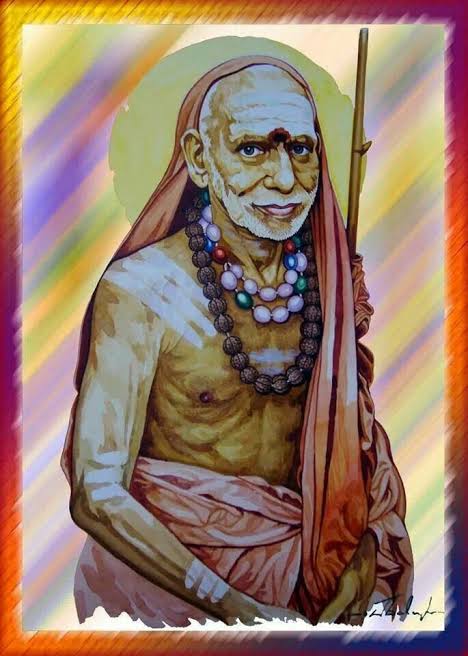
The most important ones mentioned in upanishats are 1. Yagnya Kund Bhasm 2. Bhasm made from Cow's Dung alone. A special agnihotram was perform to save the Bhasma after that for Dhaarana. A major mantra while applying bhasm is Mrutyunjaya Mantra
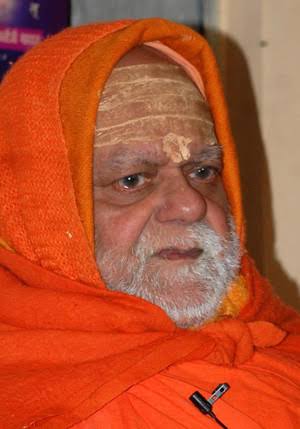
Dwijas have a very long process of applying the Tripundram along with their Sandhyavandanam. For commoners there are some basic rules people have to follow while applying Bhasm
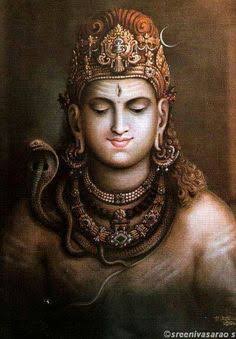
Bhasm Applied in Morning - Should be mixed with water and applied
Bhasm Applied during Afternoon - Should be mixed with Chandan and Applied
Bhasm Applied during and after Pradosh - Should be applied Dry as such
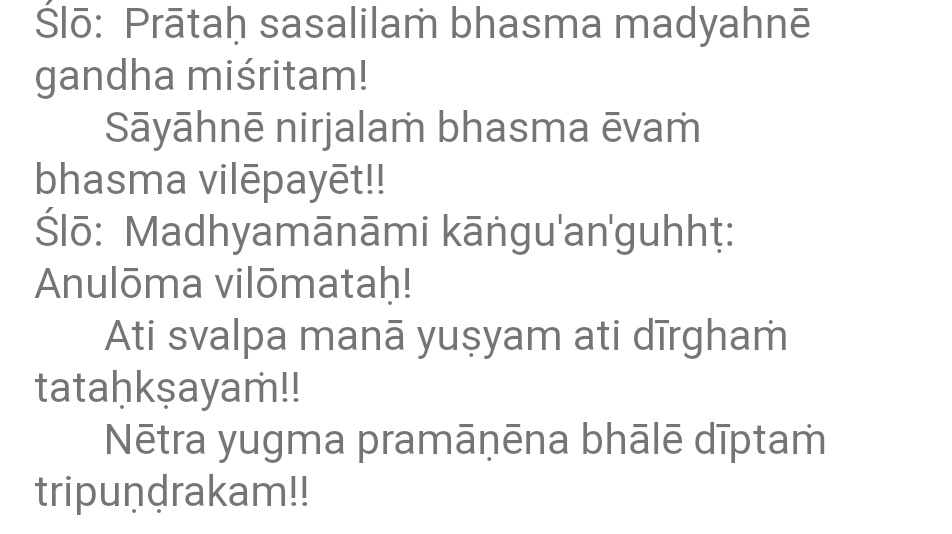
Our generations are fascinated about Tripundram being just a religious symbol. There are in depth meanings of such a Tilak on a Seeker's Forehead
" No Tilak symbolizes Shree Viheen"
— Hindu Media Wiki (@HinduMediaWiki) December 21, 2020
Tilak Dharan on forehead is having deep science than one can ever imagine. It is not just a symbol of Sanatan but also builds a lot of confidence of human actually. It is related to Tejas & Varchasv of a human. pic.twitter.com/vM46BqU3f7
The very first mistake is the way it is applied.
Tripund isn't applied with dry Bhasm, it should be made wet and then applied in a prescribed manner with proper use of fingers and direction of application. Bhasm is collected from various sources
The most important ones mentioned in upanishats are 1. Yagnya Kund Bhasm 2. Bhasm made from Cow's Dung alone. A special agnihotram was perform to save the Bhasma after that for Dhaarana. A major mantra while applying bhasm is Mrutyunjaya Mantra
Dwijas have a very long process of applying the Tripundram along with their Sandhyavandanam. For commoners there are some basic rules people have to follow while applying Bhasm
Bhasm Applied in Morning - Should be mixed with water and applied
Bhasm Applied during Afternoon - Should be mixed with Chandan and Applied
Bhasm Applied during and after Pradosh - Should be applied Dry as such


"Hinduism was one of the world's most easy-going faith traditions, famed for it's non-persecutory history."
I can assure you, it is NOT.
It is neither easy-going, nor non-persecutory. In fact it is the very opposite.
Thread.
Modern Hinduism is a British colonial concept, created in concert with Brahmins, who are at the "apex" of the caste system. The word "Hindoo" in fact, is of Persian origin, meaning a person who lives in the Indus valley.
Colonialists who attempted to study Indian religion in the 18th century (NOT, at the time, Hinduism) were baffled by it. Strata of people living distinctly (the caste system) with overlapping gods didn't fit into their Judeo-Christian understanding of religion.
Which has an ecclesiastical authority, a holy book etc., which Indian religions lacked. In studying "The Hindoo", colonialists prioritized textual sources of knowledge, which is where Brahmins, the priestly caste with a monopoly over education/text come in.
Brahminism was a distinct "religion" (although i don't really want to use the term in this way) that was frankly terrorized of other castes. In fact, the very basis of Brahminism is oppression. Brahmins had scholars who recorded *Brahminical* canon textually.
I can assure you, it is NOT.
It is neither easy-going, nor non-persecutory. In fact it is the very opposite.
Thread.
Hinduism was historically one of the world's most easy-going faith traditions, famed for its non-persecutory history. Now this ... pic.twitter.com/Obln4cns7b
— David Frum (@davidfrum) February 3, 2021
Modern Hinduism is a British colonial concept, created in concert with Brahmins, who are at the "apex" of the caste system. The word "Hindoo" in fact, is of Persian origin, meaning a person who lives in the Indus valley.
Colonialists who attempted to study Indian religion in the 18th century (NOT, at the time, Hinduism) were baffled by it. Strata of people living distinctly (the caste system) with overlapping gods didn't fit into their Judeo-Christian understanding of religion.
Which has an ecclesiastical authority, a holy book etc., which Indian religions lacked. In studying "The Hindoo", colonialists prioritized textual sources of knowledge, which is where Brahmins, the priestly caste with a monopoly over education/text come in.
Brahminism was a distinct "religion" (although i don't really want to use the term in this way) that was frankly terrorized of other castes. In fact, the very basis of Brahminism is oppression. Brahmins had scholars who recorded *Brahminical* canon textually.