Thinking about how, in Judaism, redeeming captives is considered a "great mitzvah," something that takes precedence over even supporting the poor, and the cash bail system.

1/x thread

Maimonides writes that ignoring the need to redeem captives goes against “Do not harden your heart or shut your hand against your needy fellow” (Deut 15:7) and “Do not stand idly by your neighbor’s blood” (Lev 19:16), among other Torah commandments.
The Shulchan Aruch (a significant Jewish law code) writes: “Every moment that one delays in freeing captives, in cases where it is possible to expedite their freedom, is considered to be tantamount to murder.”
If a community is in the middle of building a synagogue and the need to redeem captives comes up, they're ordered to dismantle the synagogue and sell the bricks and wood and use that money to redeem captives.
In the US, in many places, they use cash bail when someone is arrested ostensibly as a way to force a defendant--one who has not been convicted of any crime--to return for the trial.
But in a lot of ways, it's simply the criminalization of poverty. If someone can't afford to post bail, they stay in jail. Needless to say, this is tied to some of the ways that structural racism functions in the criminal justice system.
3/5 of the people in US jails have not been convicted of any crime. Nearly half a million people.

People have not been convicted of any crime.

Enduring the horrors of the prison system because they don't have the money not to.

https://t.co/2P1SYe4eLg
And it impacts people's chances of freedom. Those held pretrial are 4x more likely to be sentenced to prison than ppl released prior to trial. Pretrial detainees are also likely to make hurried decisions to plead guilty to a lower charge rather than waiting for a trial.
While this might not have been what the Talmud and later Jews meant when they talked of redeeming captives, I don't think they could have envisioned this system. And it's not so far off.
Someone is captured by law enforcement--often for being Black or brown--and if they can't afford to pay their way out, they're in. Innocent until proven guilty. Legally innocent. Captured.
There are great orgs (like @ChiBondFund) in every city doing the work of redeeming captives, and there are more places where people are working to outlaw the practice of cash bail.
If you're in Illinois, PLEASE call (don't just tweet! Call!) @GovPritzker and tell him to sign HB 3653. Numbers to call in second tweet here.

https://t.co/EdyX1xXgvV

More from Religion

#BookExcerpts #Venkateshwara #Balaji

I will write a 3 part thread series with some interesting points from this book.

Part-1 : History of Tirumala & Venkateshwara Swamy
Part-2: Rituals & Prasada Procedure
Part-3: Historical records

Part-1 thread below

1/


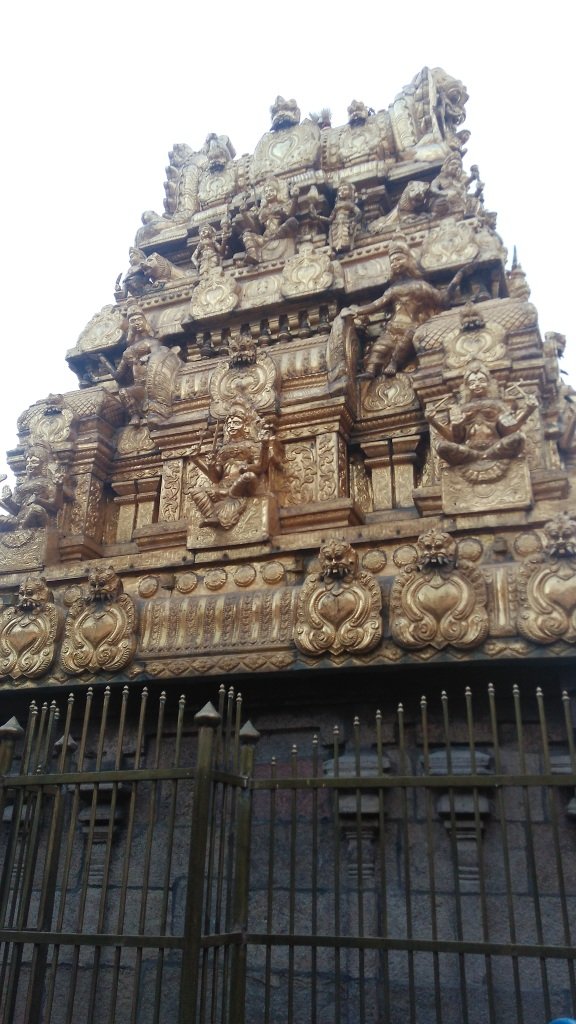
Venkatachala Hill

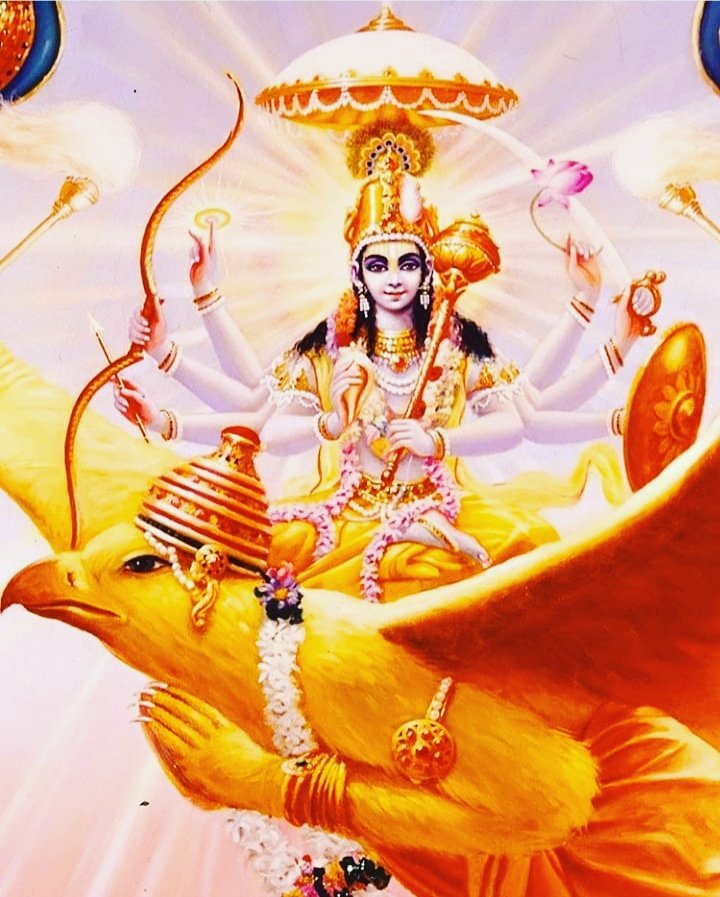
Maha Vishnu wished for the mountain Krida / Krida Parvatham / Kridhachalam from Vaikunta to be brought to the earth for his avataram.

This was brought to earth by Garuda and Ananta & placed it on banks of river Swarna Mukhi

2/


This is where current Tirumala temple is located. The fact that this was transported from Vaikunta is apparently a scientifically proven fact.

The scientific dating of the sedimentary rocks have confirmed the date to be around 120 million years ago..

3/

This timeline coincides with Swayambhu Manu manvanthara of the Sweta Varaha Kalpa which is the time when Swamy descended on earth in the form of Venkateshwara Swamy.

From a survey of flora and fauna, they have found rare species of plants & animals like golden gecko..

4/

that are exclusive to this hill range only and not found anywhere else in the world.

Tirumala hills are a range of 7 hills
1. Seshachala
2. Vedachala
3. Garudachala
4. Anjanachala
5. Vrishabhachala
6. Narayanachala
7. Venkatachala --> Where temple is present

5/
Tripundra Dhaaran - Paapa Vimukti

Our generations are fascinated about Tripundram being just a religious symbol. There are in depth meanings of such a Tilak on a Seeker's Forehead


The very first mistake is the way it is applied.

Tripund isn't applied with dry Bhasm, it should be made wet and then applied in a prescribed manner with proper use of fingers and direction of application. Bhasm is collected from various sources


The most important ones mentioned in upanishats are 1. Yagnya Kund Bhasm 2. Bhasm made from Cow's Dung alone. A special agnihotram was perform to save the Bhasma after that for Dhaarana. A major mantra while applying bhasm is Mrutyunjaya Mantra


Dwijas have a very long process of applying the Tripundram along with their Sandhyavandanam. For commoners there are some basic rules people have to follow while applying Bhasm


Bhasm Applied in Morning - Should be mixed with water and applied
Bhasm Applied during Afternoon - Should be mixed with Chandan and Applied
Bhasm Applied during and after Pradosh - Should be applied Dry as such
First thread of the year because I have time during MCO. As requested, a thread on the gods and spirits of Malay folk religion. Some are indigenous, some are of Indian origin, some have Islamic


Before I begin, it might be worth explaining the Malay conception of the spirit world. At its deepest level, Malay religious belief is animist. All living beings and even certain objects are said to have a soul. Natural phenomena are either controlled by or personified as spirits

Although these beings had to be respected, not all of them were powerful enough to be considered gods. Offerings would be made to the spirits that had greater influence on human life. Spells and incantations would invoke their


Two known examples of such elemental spirits that had god-like status are Raja Angin (king of the wind) and Mambang Tali Arus (spirit of river currents). There were undoubtedly many more which have been lost to time

Contact with ancient India brought the influence of Hinduism and Buddhism to SEA. What we now call Hinduism similarly developed in India out of native animism and the more formal Vedic tradition. This can be seen in the multitude of sacred animals and location-specific Hindu gods

You May Also Like