
A THREAD
This week, there has been talk about the bush war and what those involved in it fought for. Even the suggestion that the war wasn't fought for particular leaders to be presidents. Of course everyone has a right to their opinion, no matter how misguided. Here is mine.
The centre was cracking.
Those fighting for themselves and their families no longer needed a cover.
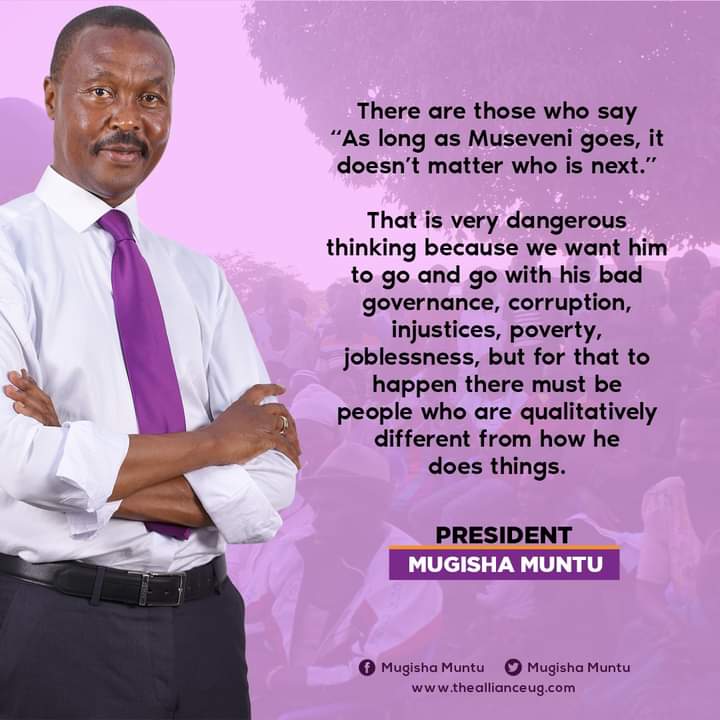
We are #ChangeYouCanTrust
More from Politics

I think a plausible explanation is that whatever Corbyn says or does, his critics will denounce - no matter how much hypocrisy it necessitates.
Corbyn opposes the exploitation of foreign sweatshop-workers - Labour MPs complain he's like Nigel
He speaks up in defence of migrants - Labour MPs whinge that he's not listening to the public's very real concerns about immigration:
He's wrong to prioritise Labour Party members over the public:
He's wrong to prioritise the public over Labour Party
One of the oddest features of the Labour tax row is how raising allowances, which the media allowed the LDs to describe as progressive (in spite of evidence to contrary) through the coalition years, is now seen by everyone as very right wing
— Tom Clark (@prospect_clark) November 2, 2018
Corbyn opposes the exploitation of foreign sweatshop-workers - Labour MPs complain he's like Nigel
He speaks up in defence of migrants - Labour MPs whinge that he's not listening to the public's very real concerns about immigration:
He's wrong to prioritise Labour Party members over the public:
He's wrong to prioritise the public over Labour Party

THREAD:
Good afternoon, followers of frivolous election litigation. There's a last-minute entry in the competition for dumbest pre-inauguration lawsuit - a totally loony effort to apparently leave the entire USA without a government.
We'll start with the complaint in a minute.
But first, I want to give you a quick explanation for why I'm going to keep talking about these cases even after the inauguration.
They're part of an ongoing effort - one that's not well-coordinated but is widespread - to discredit our fundamental system of government.
It's a direct descendent, in more ways than one, of birtherism. And here's the thing about birtherism. It might have been a joke to a lot of people, but it was extremely pernicious. It obviously validated the racist "not good enough to be President" crowd. But that wasn't all.
Don't get me wrong, that was bad enough. Validating racism helped put the kind of shitbird who would tweet this from an official government account into power. But it didn't stop
(Also, if you agree with Pompeo about multiculturalism - the legendary melting pot - not being what this country is all about, you need to stop following me now. And maybe go somewhere and think about your life choices and what made you such a tool.)
Good afternoon, followers of frivolous election litigation. There's a last-minute entry in the competition for dumbest pre-inauguration lawsuit - a totally loony effort to apparently leave the entire USA without a government.
We'll start with the complaint in a minute.
But first, I want to give you a quick explanation for why I'm going to keep talking about these cases even after the inauguration.
They're part of an ongoing effort - one that's not well-coordinated but is widespread - to discredit our fundamental system of government.
It's a direct descendent, in more ways than one, of birtherism. And here's the thing about birtherism. It might have been a joke to a lot of people, but it was extremely pernicious. It obviously validated the racist "not good enough to be President" crowd. But that wasn't all.
Don't get me wrong, that was bad enough. Validating racism helped put the kind of shitbird who would tweet this from an official government account into power. But it didn't stop
Woke-ism, multiculturalism, all the -isms \u2014 they're not who America is. They distort our glorious founding and what this country is all about. Our enemies stoke these divisions because they know they make us weaker. pic.twitter.com/Mu97xCgxfS
— Secretary Pompeo (@SecPompeo) January 19, 2021
(Also, if you agree with Pompeo about multiculturalism - the legendary melting pot - not being what this country is all about, you need to stop following me now. And maybe go somewhere and think about your life choices and what made you such a tool.)



You May Also Like







The UN just voted to condemn Israel 9 times, and the rest of the world 0.
View the resolutions and voting results here:
The resolution titled "The occupied Syrian Golan," which condemns Israel for "repressive measures" against Syrian citizens in the Golan Heights, was adopted by a vote of 151 - 2 - 14.
Israel and the U.S. voted 'No' https://t.co/HoO7oz0dwr
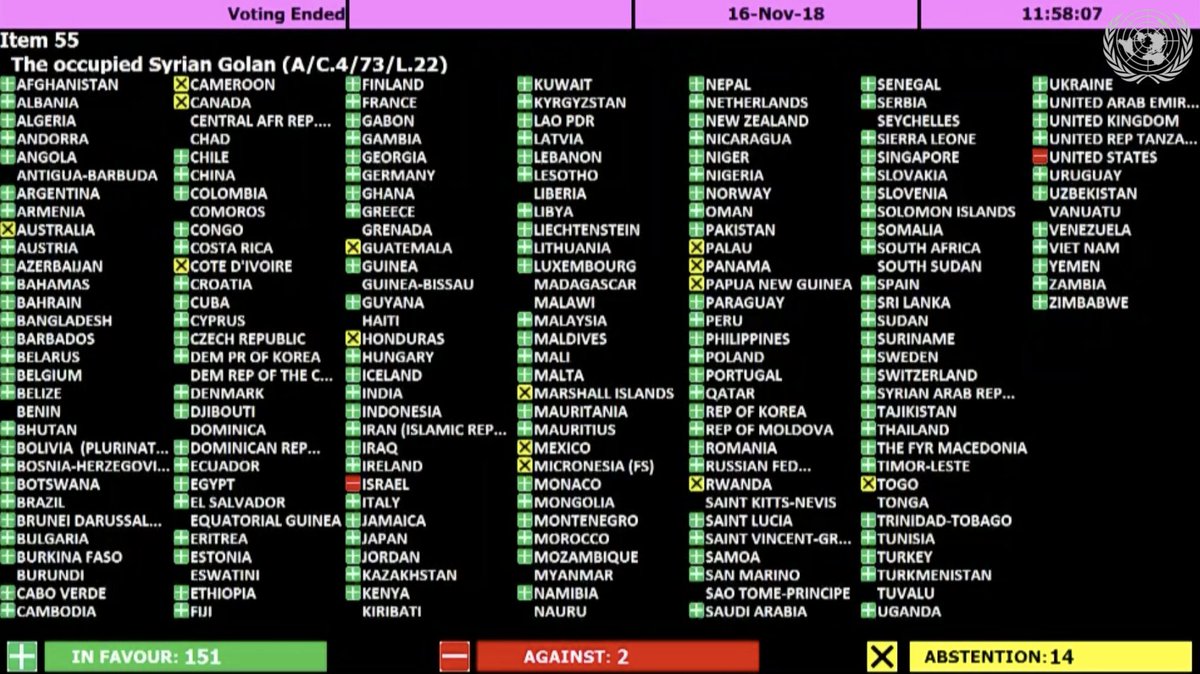
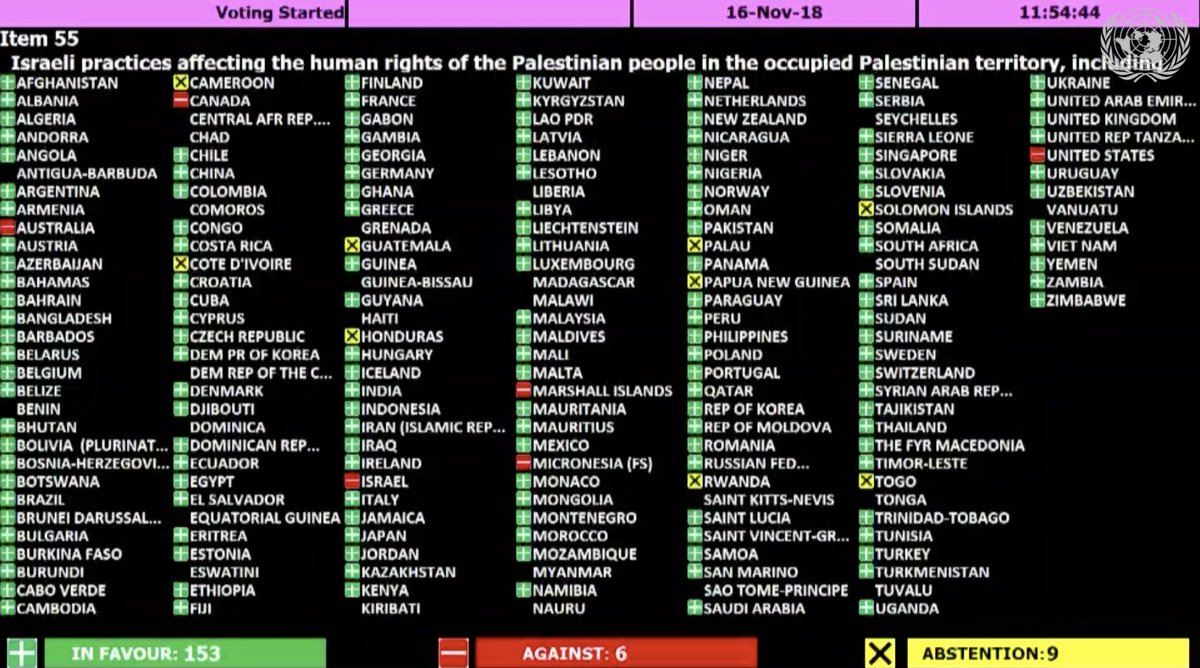
The resolution titled "Israeli practices affecting the human rights of the Palestinian people..." was adopted by a vote of 153 - 6 - 9.
Australia, Canada, Israel, Marshall Islands, Micronesia, and the U.S. voted 'No' https://t.co/1Ntpi7Vqab
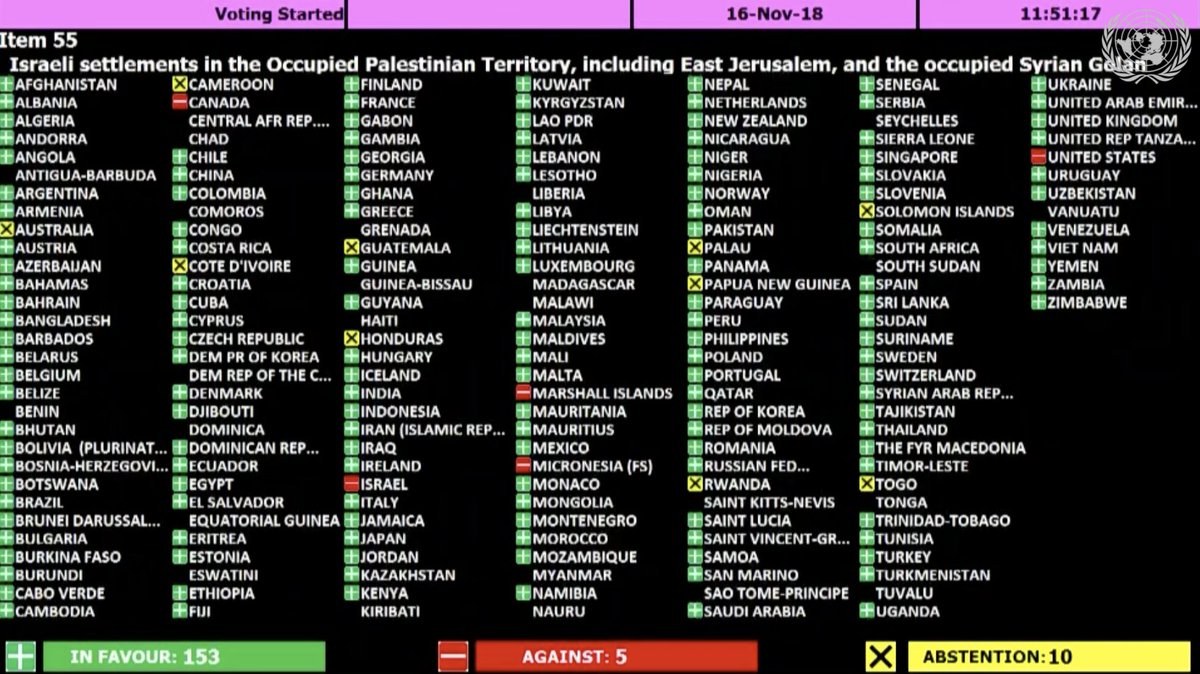
The resolution titled "Israeli settlements in the Occupied Palestinian Territory, including East Jerusalem, and the occupied Syrian Golan" was adopted by a vote of 153 – 5 – 10.
Canada, Israel, Marshall Islands, Micronesia, and the U.S. voted 'No'
https://t.co/REumYgyRuF
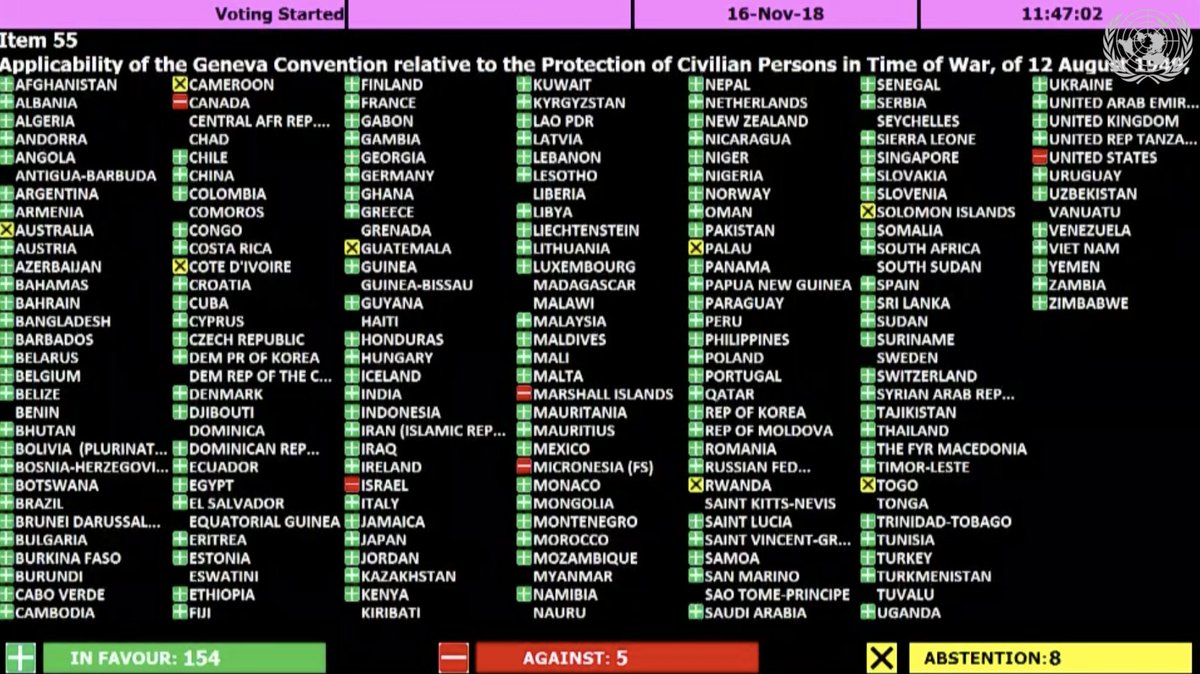
The resolution titled "Applicability of the Geneva Convention... to the
Occupied Palestinian Territory..." was adopted by a vote of 154 - 5 - 8.
Canada, Israel, Marshall Islands, Micronesia, and the U.S. voted 'No'
https://t.co/xDAeS9K1kW
View the resolutions and voting results here:
The resolution titled "The occupied Syrian Golan," which condemns Israel for "repressive measures" against Syrian citizens in the Golan Heights, was adopted by a vote of 151 - 2 - 14.
Israel and the U.S. voted 'No' https://t.co/HoO7oz0dwr
The resolution titled "Israeli practices affecting the human rights of the Palestinian people..." was adopted by a vote of 153 - 6 - 9.
Australia, Canada, Israel, Marshall Islands, Micronesia, and the U.S. voted 'No' https://t.co/1Ntpi7Vqab
The resolution titled "Israeli settlements in the Occupied Palestinian Territory, including East Jerusalem, and the occupied Syrian Golan" was adopted by a vote of 153 – 5 – 10.
Canada, Israel, Marshall Islands, Micronesia, and the U.S. voted 'No'
https://t.co/REumYgyRuF
The resolution titled "Applicability of the Geneva Convention... to the
Occupied Palestinian Territory..." was adopted by a vote of 154 - 5 - 8.
Canada, Israel, Marshall Islands, Micronesia, and the U.S. voted 'No'
https://t.co/xDAeS9K1kW