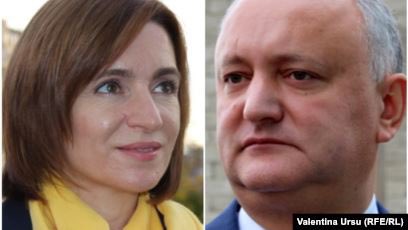
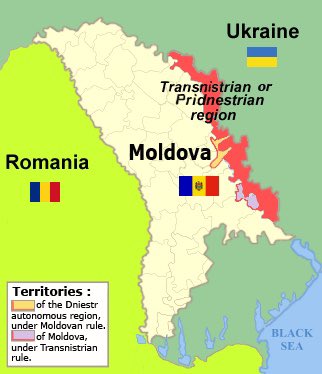
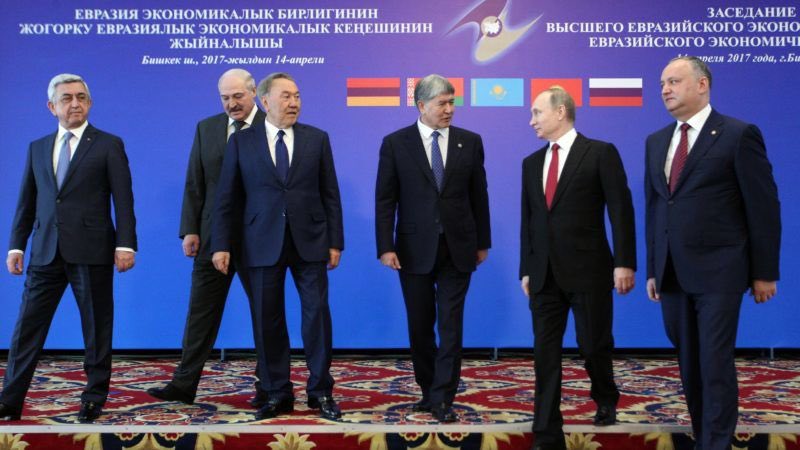
The president elect Maia Sandu may encounter problems in the relations with Russia. Here is the THREAD (/18):
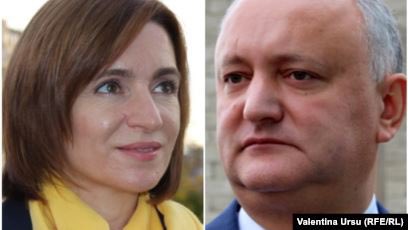
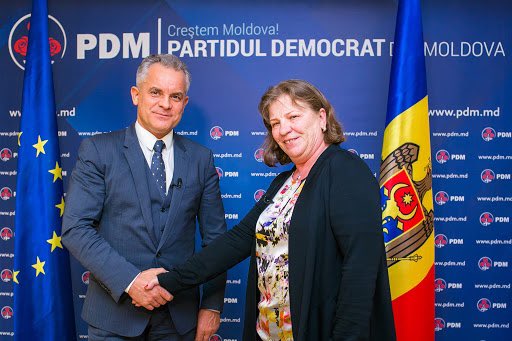
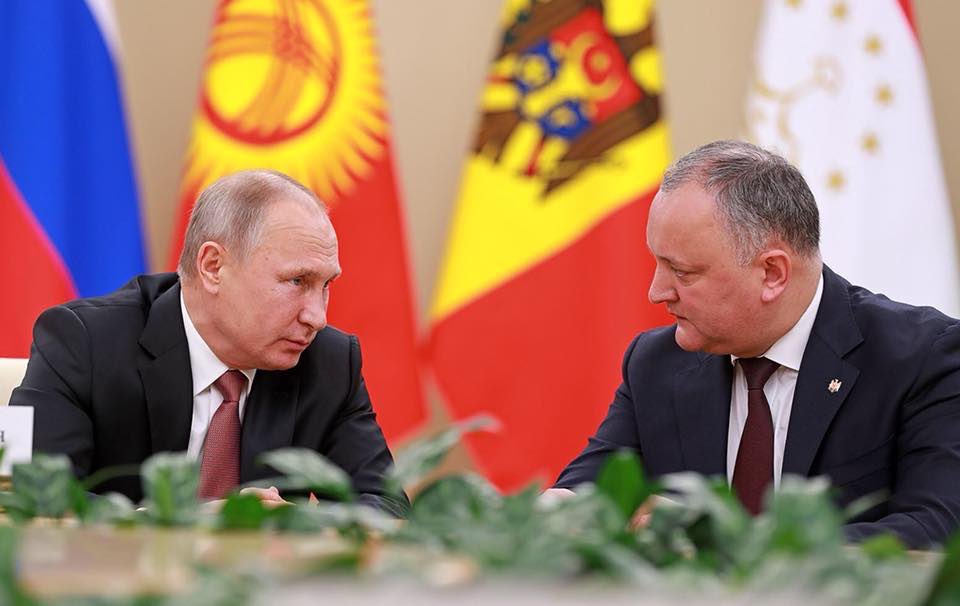
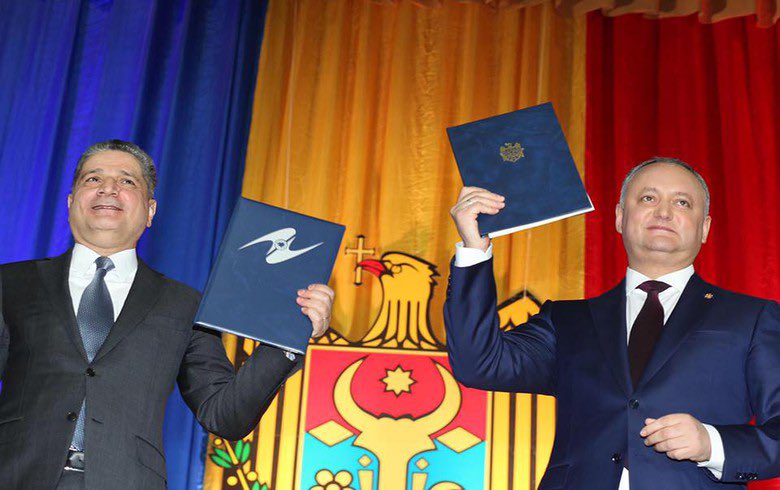
My latest article: \u201cMoldova-Russia relationship and the post-Dodon transition - between \u201crational\u201d and \u201cemotional\u201d approaches\u201d https://t.co/heY6bZoO7l
— Dionis Cenusa (@DionisCenusa) December 1, 2020
More from Politics


THREAD
1)
@SidneyPowell1 reflects on #Iran’s meddling in the U.S. in a recent tweet to U.S. President Donald Trump.
This thread focuses on Iran’s dangerous influence in the U.S., especially through its DC-based lobby group
2)
Why is this important?
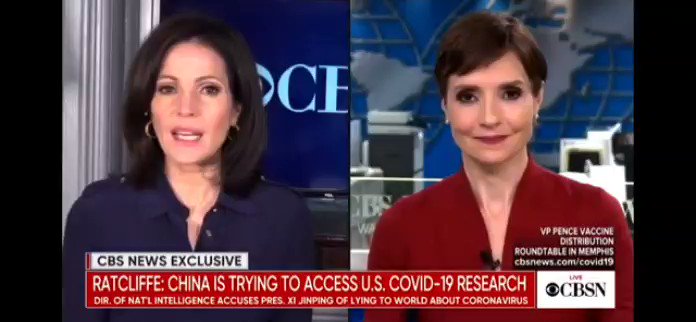
@DNI_Ratcliffe "told CBS News that there was foreign election interference by China, #Iran & Russia in November of this year [2020]."
All Americans should be informed about how Iran & its lobby group NIAC are meddling in the
3)
#Iran has been increasingly aiming to interfere in U.S. elections specifically through NIAC.
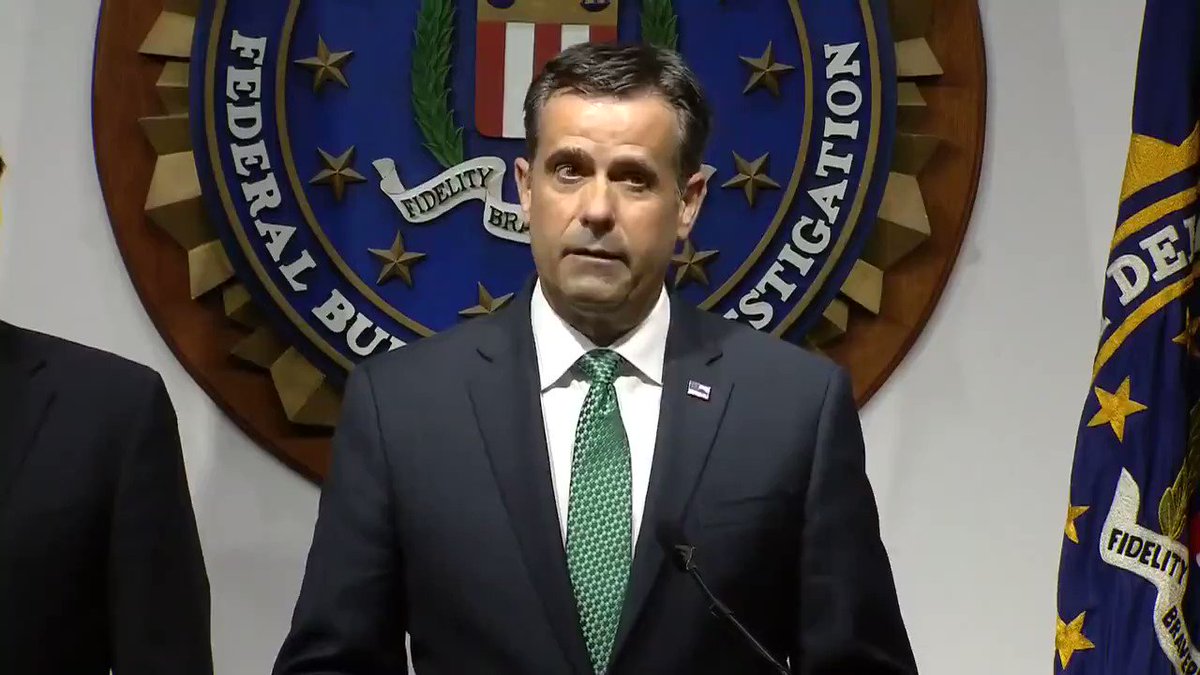
DNI John Ratcliffe had previously shed light on this vital
4)
NIAC is a lobby group in the U.S. pushing Iran’s talking points.
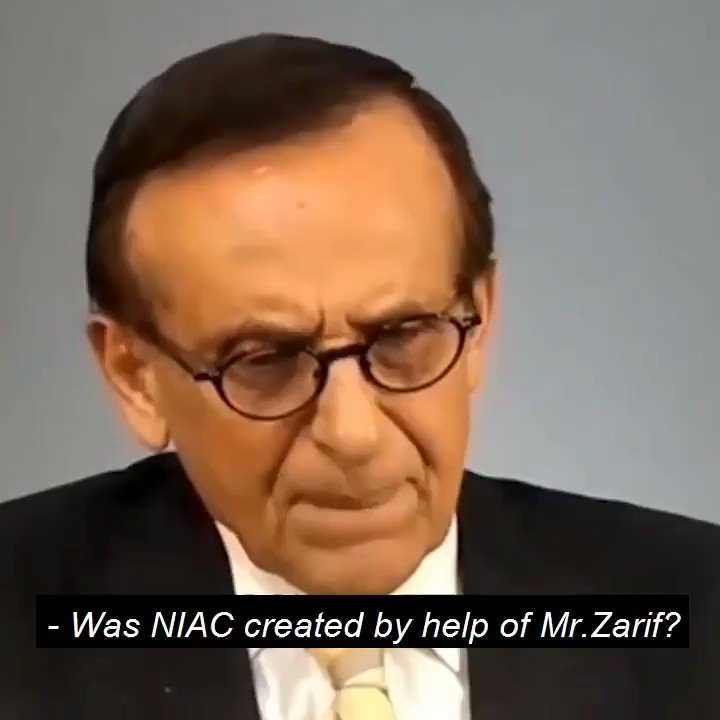
Listen to this Iranian regime insider explain that NIAC was established by @JZarif, the foreign minister of
5)
@tparsi is the official founder of NIAC in the U.S.
Listen to how Trita Parsi parrots Zarif’s talking
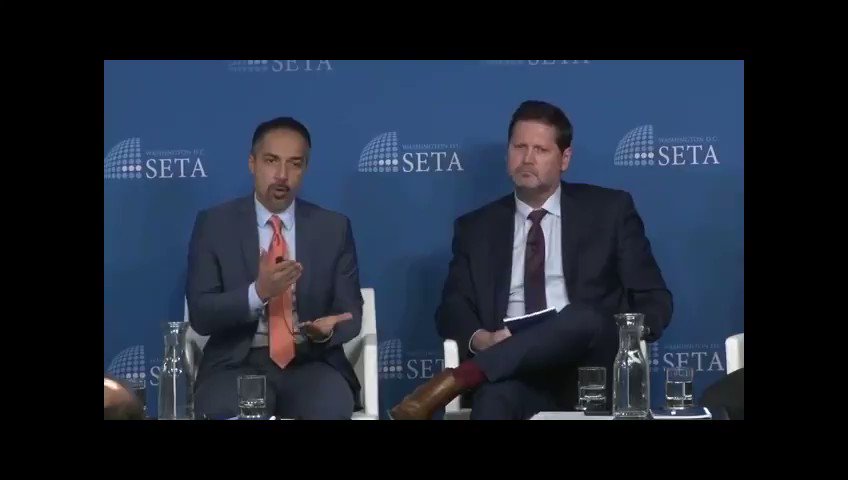
1)
@SidneyPowell1 reflects on #Iran’s meddling in the U.S. in a recent tweet to U.S. President Donald Trump.
This thread focuses on Iran’s dangerous influence in the U.S., especially through its DC-based lobby group
Dear @realDonaldTrump
— Sidney Powell \U0001f1fa\U0001f1f8\u2b50\u2b50\u2b50 (@SidneyPowell1) December 23, 2020
#China and #Iran stole this election from the #American people
who voted for you in a world-record landslide!
We must expose all the corruption and restore the Republic now
There will never be a free and fair election if we don\u2019t end the rigging now \U0001f1fa\U0001f1f8 pic.twitter.com/2t707xN0ar
2)
Why is this important?
@DNI_Ratcliffe "told CBS News that there was foreign election interference by China, #Iran & Russia in November of this year [2020]."
All Americans should be informed about how Iran & its lobby group NIAC are meddling in the
3)
#Iran has been increasingly aiming to interfere in U.S. elections specifically through NIAC.
DNI John Ratcliffe had previously shed light on this vital
4)
NIAC is a lobby group in the U.S. pushing Iran’s talking points.
Listen to this Iranian regime insider explain that NIAC was established by @JZarif, the foreign minister of
5)
@tparsi is the official founder of NIAC in the U.S.
Listen to how Trita Parsi parrots Zarif’s talking


I told you they’d bring this up
I was wondering why that tweet had so many stupid replies. And now I see
Seriously, this was “the night before.” If you’re at the march where they’re changing “Jews will not replace us” and “Blood and soil,” you’re not a “very fine person.” Full stop.
There are 3 important moments in that transcript.
1.) When someone asked Trump about a statement *he had already made* about there being blame on “both sides,” he said the “fine people” line.
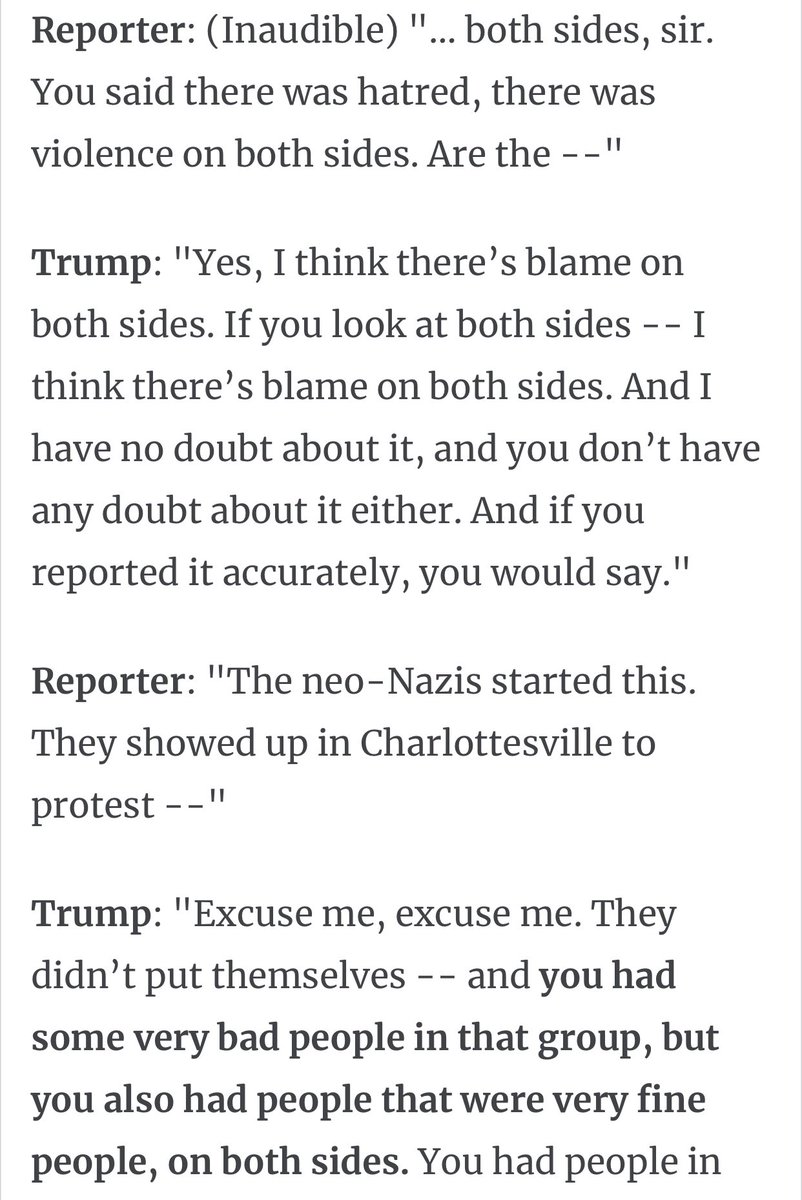
2. Trump does clarify! “I’m not talking about the neo-Nazis and white nationalists — because they should be condemned totally “
Okay!
Then adds that there were “many people in that group other than neo-Nazis and white nationalists.”

Right-wing media have essentially convinced themselves that Trump never said "very fine people." They're lying. https://t.co/5960NPMYLJ
— Parker Molloy (@ParkerMolloy) February 11, 2021
I was wondering why that tweet had so many stupid replies. And now I see
The Fine People Hoaxers are trying hard to keep you from reading the actual FULL transcript because then you would see how the hoax was pulled off with devious editing. https://t.co/PQLj0DWuPj
— Scott Adams (@ScottAdamsSays) February 11, 2021
Seriously, this was “the night before.” If you’re at the march where they’re changing “Jews will not replace us” and “Blood and soil,” you’re not a “very fine person.” Full stop.
Trump defense talking about how the then-president was praising the peaceful protests at Charlottesville that occurred "the night before" the violence on Saturday. That was the night where the torch-bearing crowd chanted "Jews will not replace us." pic.twitter.com/HCKS6Q9LBY
— Anthony Zurcher (@awzurcher) February 12, 2021
There are 3 important moments in that transcript.
1.) When someone asked Trump about a statement *he had already made* about there being blame on “both sides,” he said the “fine people” line.
2. Trump does clarify! “I’m not talking about the neo-Nazis and white nationalists — because they should be condemned totally “
Okay!
Then adds that there were “many people in that group other than neo-Nazis and white nationalists.”