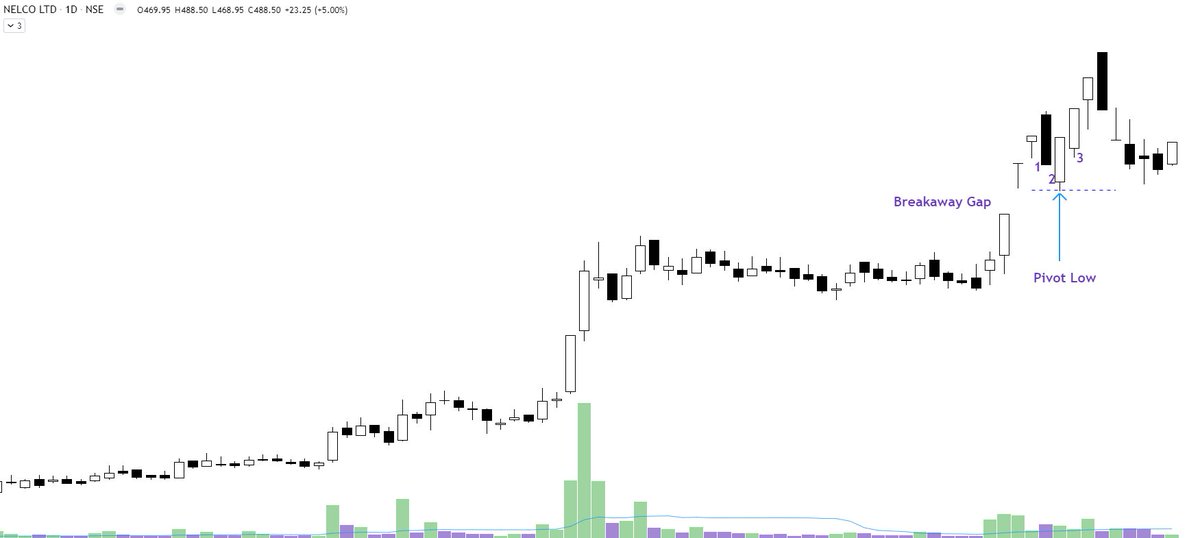
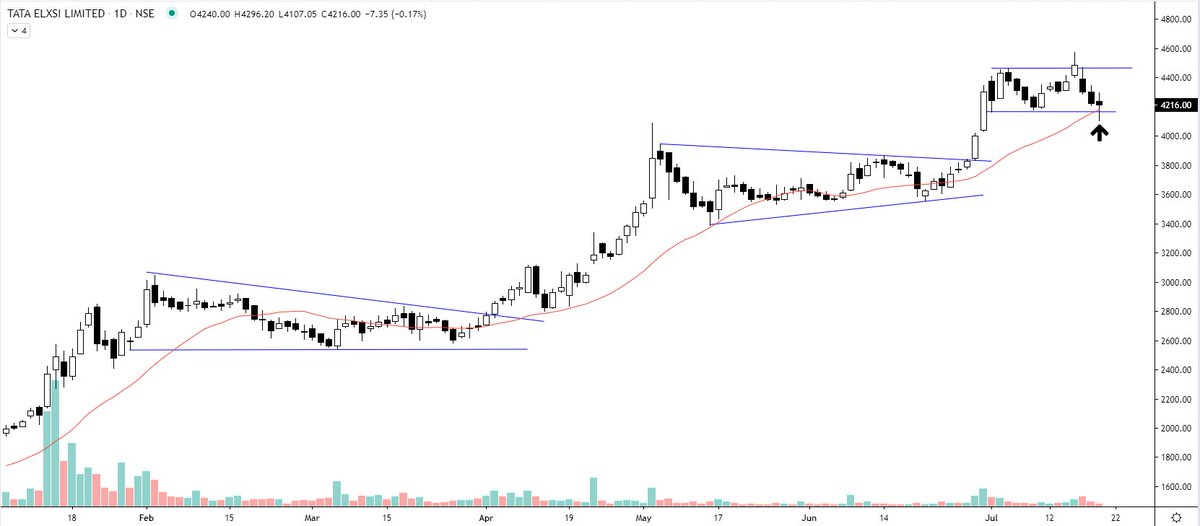
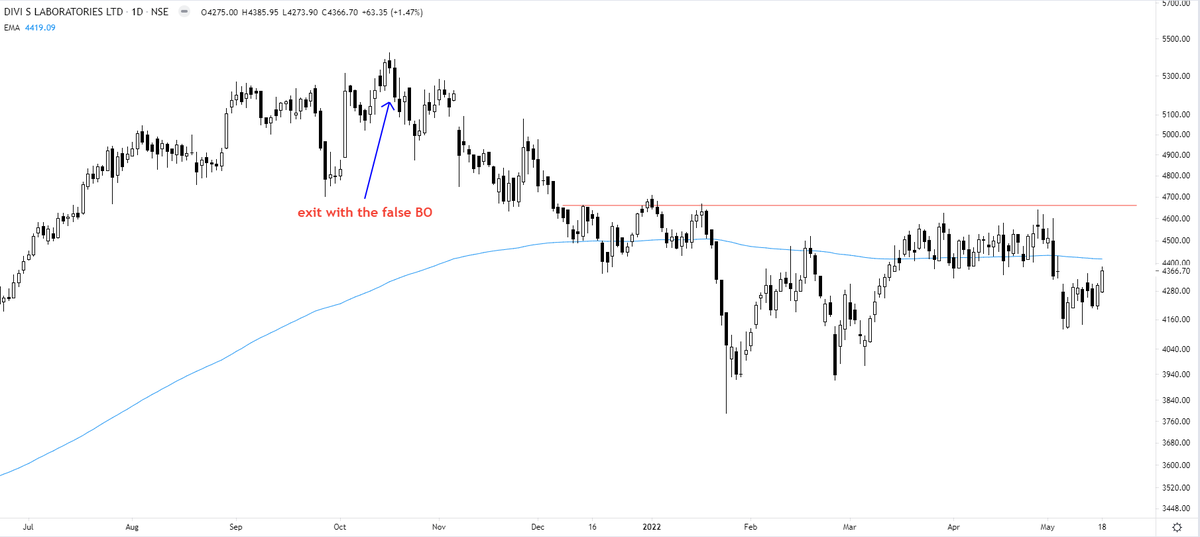
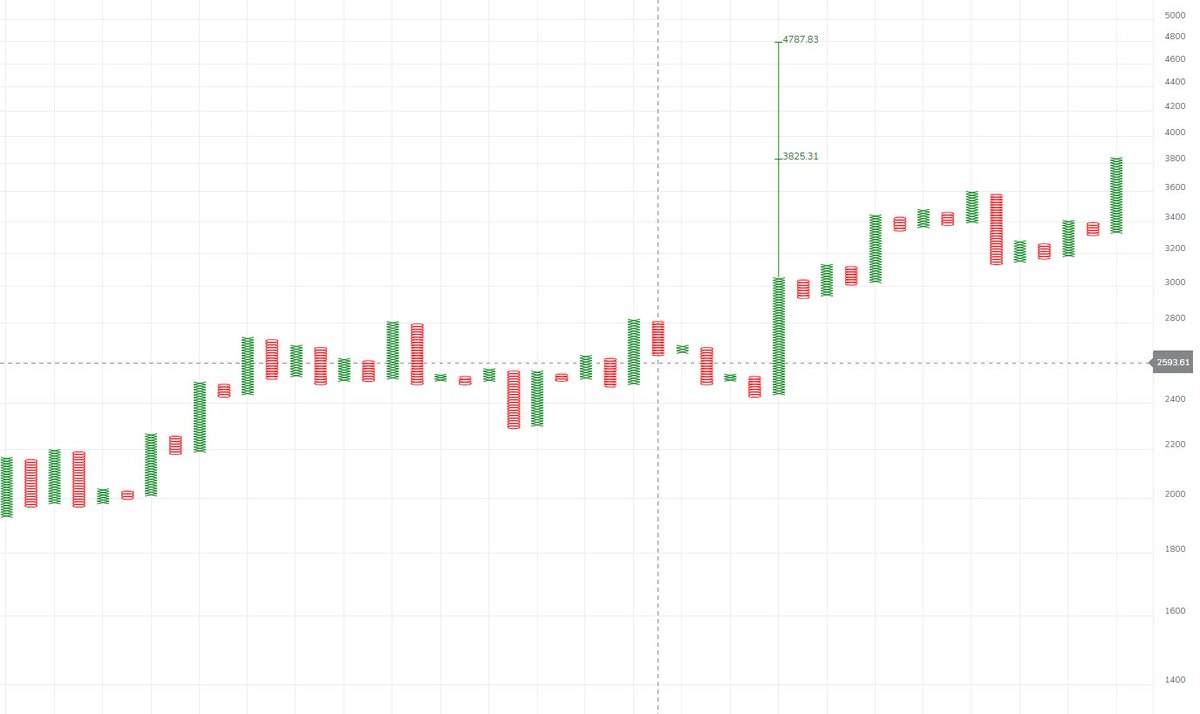
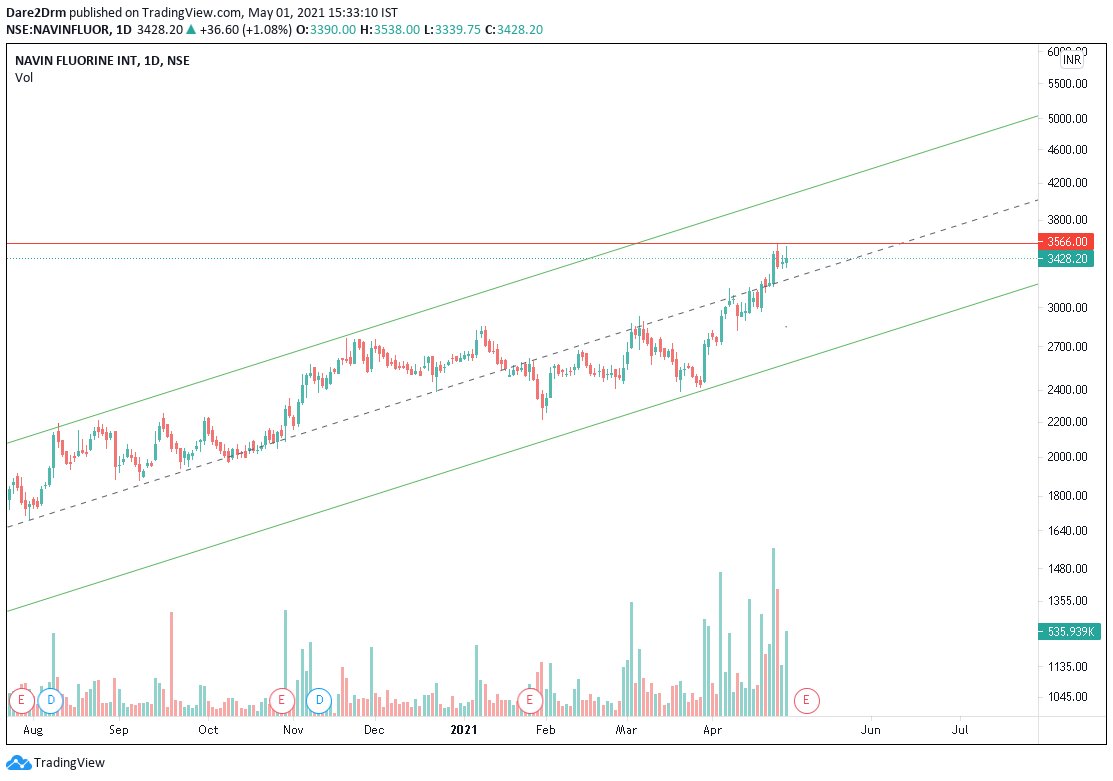
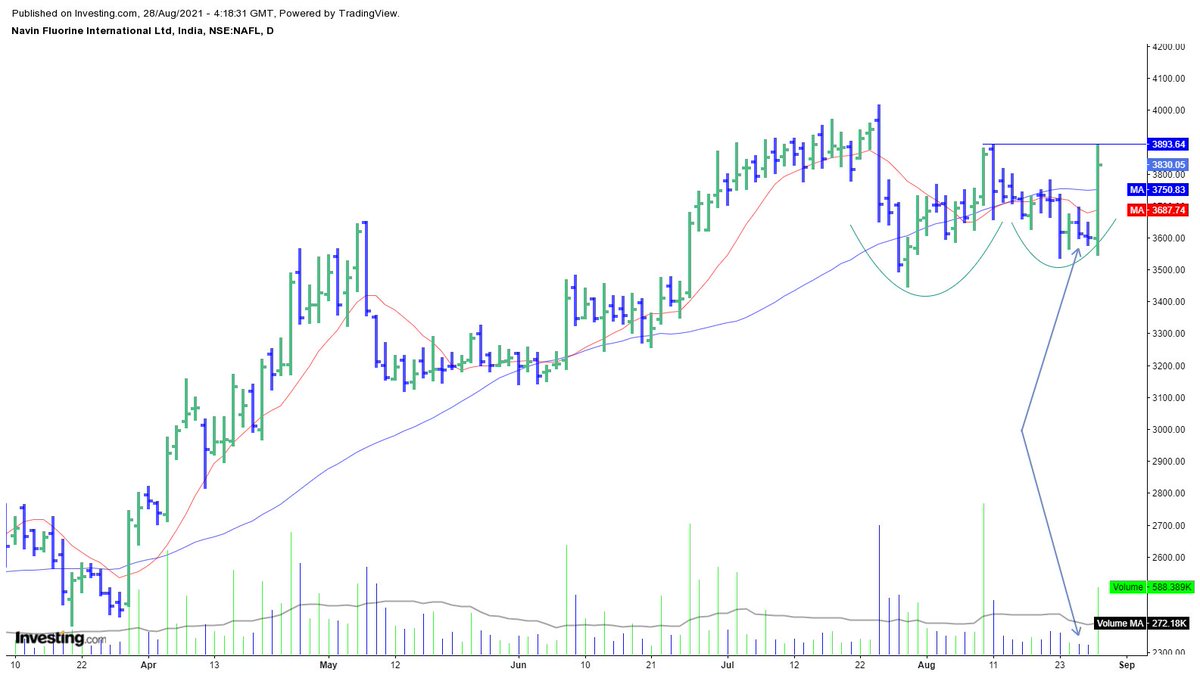
Navin Fluorine - Two base formations with no further selling. A volume pump after three squeezed candles with minimal volumes. Bullish setup after 3900++ closing.
More from The_Chartist 📈
More from Navinfluorine
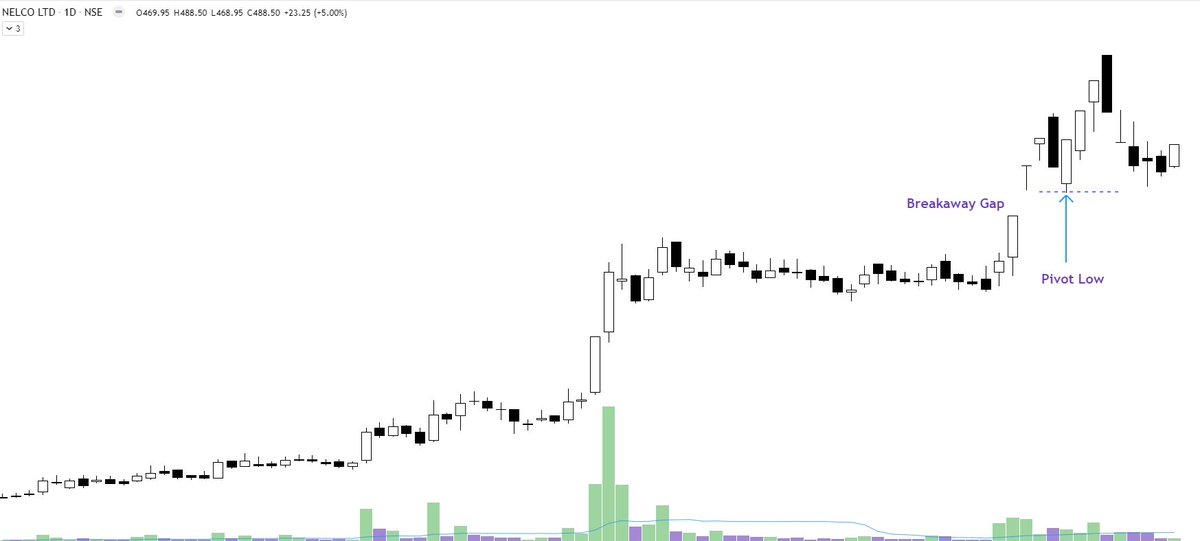
#NAVINFLUOR -- Once again on Radar With such an interesting Pattern .
On my Radar for Tomorrow and Going forward.
Plan your Trade, Trade your Plan.
#flyingvikas #technical #nse #trading #Keepitsimple
#Cadlestick #Gap #Breakout #BREAKOUTSTOCKS #stokes #trading https://t.co/h5MrVDXOHS
On my Radar for Tomorrow and Going forward.
Plan your Trade, Trade your Plan.
#flyingvikas #technical #nse #trading #Keepitsimple
#Cadlestick #Gap #Breakout #BREAKOUTSTOCKS #stokes #trading https://t.co/h5MrVDXOHS
#NAVINFLUOR-- last time it was an interesting chart which remains interesting
— VVikas Kumaarr (@flyingvikas129) July 7, 2021
Dedicated to @madav1401
. https://t.co/IL4AYpqopP pic.twitter.com/Ej0rw6NcX0
You May Also Like
First thread of the year because I have time during MCO. As requested, a thread on the gods and spirits of Malay folk religion. Some are indigenous, some are of Indian origin, some have Islamic
Before I begin, it might be worth explaining the Malay conception of the spirit world. At its deepest level, Malay religious belief is animist. All living beings and even certain objects are said to have a soul. Natural phenomena are either controlled by or personified as spirits
Although these beings had to be respected, not all of them were powerful enough to be considered gods. Offerings would be made to the spirits that had greater influence on human life. Spells and incantations would invoke their
Two known examples of such elemental spirits that had god-like status are Raja Angin (king of the wind) and Mambang Tali Arus (spirit of river currents). There were undoubtedly many more which have been lost to time
Contact with ancient India brought the influence of Hinduism and Buddhism to SEA. What we now call Hinduism similarly developed in India out of native animism and the more formal Vedic tradition. This can be seen in the multitude of sacred animals and location-specific Hindu gods
i wonder if you can make a thread bout witchcraft in malaysia.. or list of our own local gods/deites..
— r a y a \U0001f319 (@lcvelylilith) February 20, 2020
Before I begin, it might be worth explaining the Malay conception of the spirit world. At its deepest level, Malay religious belief is animist. All living beings and even certain objects are said to have a soul. Natural phenomena are either controlled by or personified as spirits
Although these beings had to be respected, not all of them were powerful enough to be considered gods. Offerings would be made to the spirits that had greater influence on human life. Spells and incantations would invoke their
Animist ceremonies of a religious or magical nature were normally held for the purpose of divination or making a request. This would either be done at a keramat or at a shrine similar to the Thai spirit houses or Chinese roadside shrines pic.twitter.com/I1hliyi0x3
— \u2745\u1710\u170b\u1713\u170e (@uglyluhan) June 16, 2019
Two known examples of such elemental spirits that had god-like status are Raja Angin (king of the wind) and Mambang Tali Arus (spirit of river currents). There were undoubtedly many more which have been lost to time
Contact with ancient India brought the influence of Hinduism and Buddhism to SEA. What we now call Hinduism similarly developed in India out of native animism and the more formal Vedic tradition. This can be seen in the multitude of sacred animals and location-specific Hindu gods