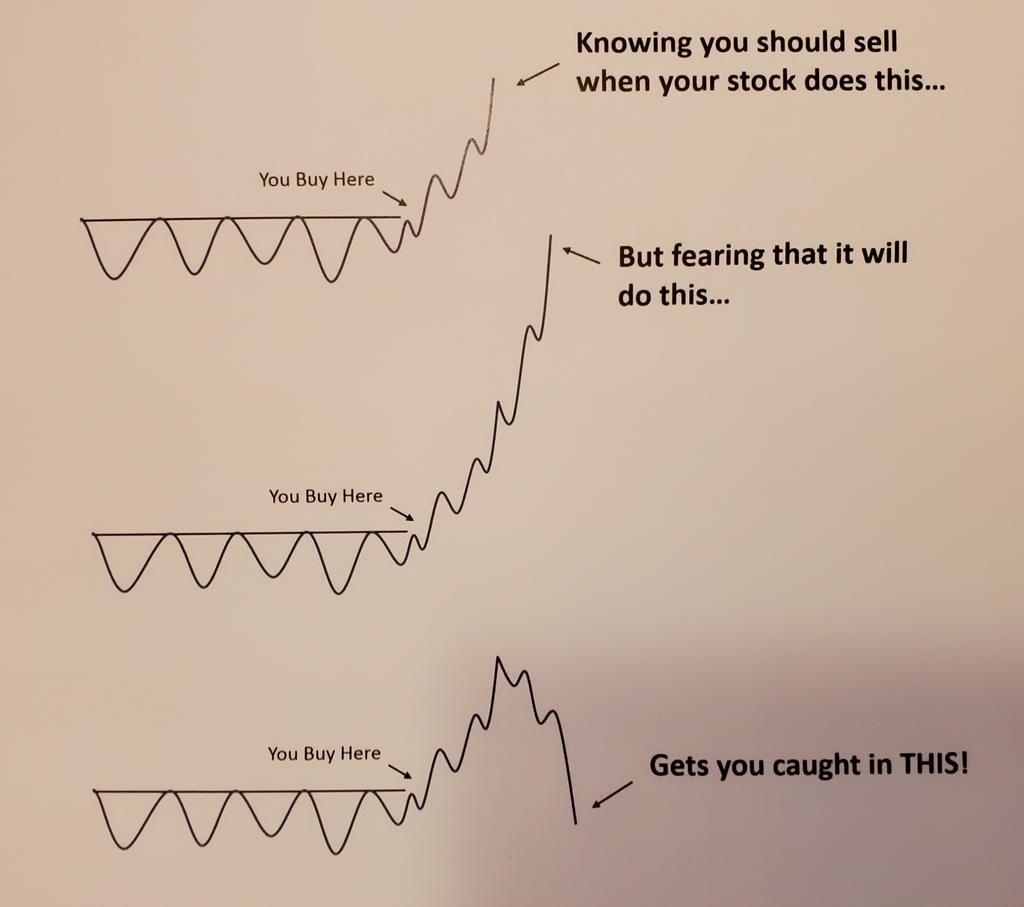
The most important factor for becoming a great stock trader in not learning how a great trader trades... but how that person thinks. Because where the mind goes, everything else follows. My deepest study of great performers has been rooted in the study of mindset.
More from Mark Minervini

More from Markminervinilearnings
Compounding is amazing. Just 3 months into the year I'm having one of my best returns. That's because instead of arguing with the market, I made an adjustment and took what it was offering, and that allowed for rapid turnover that can add up pretty fast if you are concentrated.
Short term trading is what has worked best in this market. Until I see an alternative working better, I'm going to stick what is working like a charm.
— Mark Minervini (@markminervini) April 14, 2021
Stay in your own lane and perfect what you know. Realize that every strategy has strengths and weaknesses; there is no perfect strategy. But once you know all the pros and cons you can perfectly execute your strategy... and that's the goal.
I don't know shit about 99% of the stock trading strategies out there... but I know everything about my strategy. And that's all I need to know. I realized long ago, you can't be good at everything. I'm an expert because I chose to specialize. pic.twitter.com/uG7gWwhsjs
— Mark Minervini (@markminervini) March 28, 2021