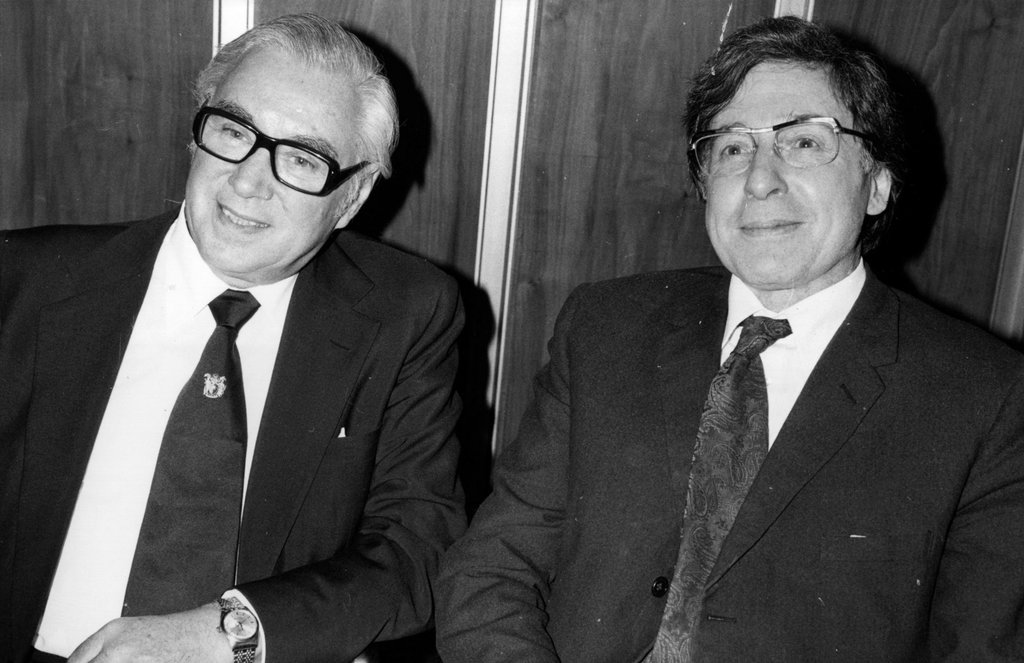
I hate when I learn something new (to me) & stunning about the Jeff Epstein network (h/t MoodyKnowsNada.)
Where to begin?
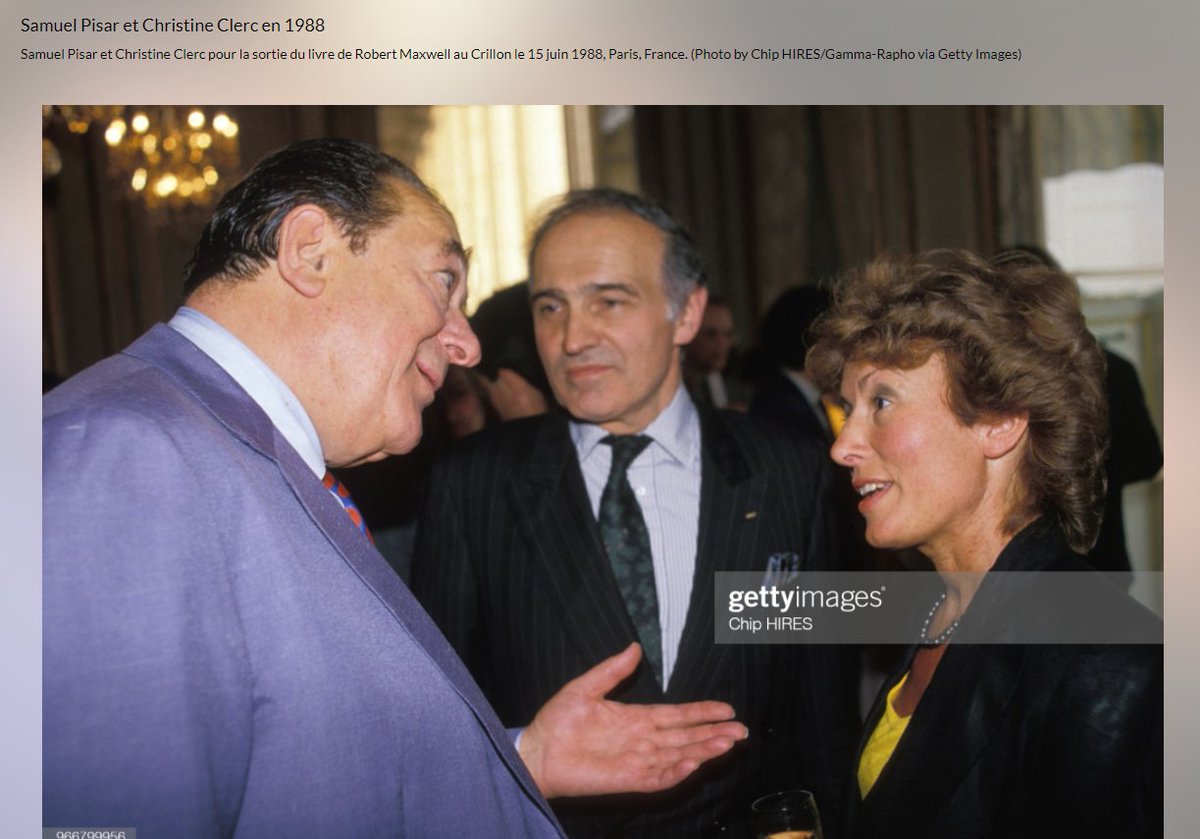
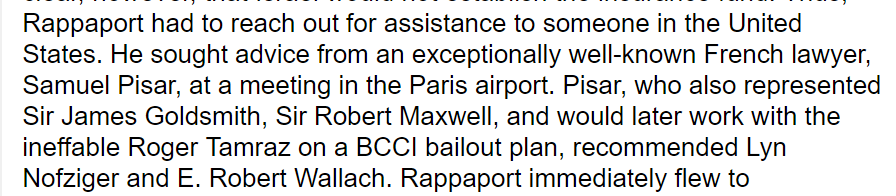
So our new Secretary of State Anthony Blinken's stepfather, Samuel Pisar, was "longtime lawyer and confidant of...Robert Maxwell," Ghislaine Maxwell's Dad.
Dalton School...Dalton School...rings a bell
https://t.co/UCPK3Ks1C4
The dad of the U.S. Attorney General under both George W. Bush & Donald Trump, William Barr, was headmaster of the Dalton School.
Donald Barr was also quite a writer.
https://t.co/ZEHinpMwSC
Donald Barr had a way with words. pic.twitter.com/JdRBwXPhJn
— Rudy Havenstein, listening to Nas all day. (@RudyHavenstein) September 17, 2020
Lots of names in that book. I mean, for example, Cuomo, Trump, Clinton, Prince Andrew, Bill Cosby, Woody Allen - all in that book, and their reputations are spotless.
"It was Samuel Pisar...who had played the intermediary between Epstein and the cabinet." [Google Translate]
https://t.co/RUwJUopIVy

Based in Paris, Pisar "had become one of [Robert] Maxwell's few confidants and probably his closest business adviser. He had helped pave Maxwell's entry into Israel's business community."
https://t.co/CuwLnCmcK9
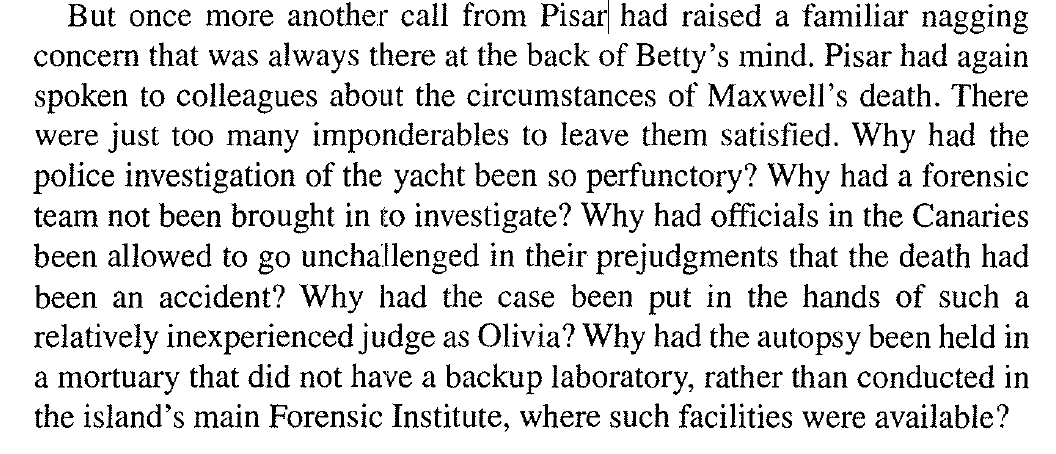
investigation?"
I do find the claim that Maxwell's "long-trusted" attorney Pisar, "one of [Robert] Maxwell's few confidants and probably his closest business adviser," didn't know Robert was working for Mossad a bit of a stretch.
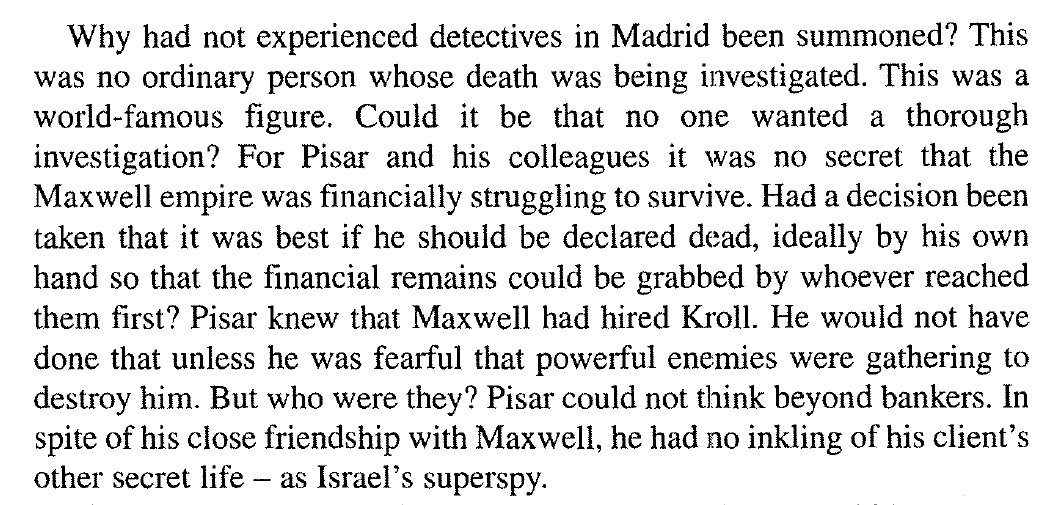
Our Secretary of State Antony Blinken went to the Dalton School, and his stepdad Samuel Pisar was tight with both Robert Maxwell, Ghislaine's dad and spy, & apparently Jeff Epstein (that French article above).

https://t.co/YI9OciSUYE
#BCCI
Pisar is Blinken's stepdad, of course, not Blinken, but still...so many odd coincidences.
You May Also Like

1/ Here’s a list of conversational frameworks I’ve picked up that have been helpful.
Please add your own.
2/ The Magic Question: "What would need to be true for you
3/ On evaluating where someone’s head is at regarding a topic they are being wishy-washy about or delaying.
“Gun to the head—what would you decide now?”
“Fast forward 6 months after your sabbatical--how would you decide: what criteria is most important to you?”
4/ Other Q’s re: decisions:
“Putting aside a list of pros/cons, what’s the *one* reason you’re doing this?” “Why is that the most important reason?”
“What’s end-game here?”
“What does success look like in a world where you pick that path?”
5/ When listening, after empathizing, and wanting to help them make their own decisions without imposing your world view:
“What would the best version of yourself do”?
Please add your own.
2/ The Magic Question: "What would need to be true for you
1/\u201cWhat would need to be true for you to\u2026.X\u201d
— Erik Torenberg (@eriktorenberg) December 4, 2018
Why is this the most powerful question you can ask when attempting to reach an agreement with another human being or organization?
A thread, co-written by @deanmbrody: https://t.co/Yo6jHbSit9
3/ On evaluating where someone’s head is at regarding a topic they are being wishy-washy about or delaying.
“Gun to the head—what would you decide now?”
“Fast forward 6 months after your sabbatical--how would you decide: what criteria is most important to you?”
4/ Other Q’s re: decisions:
“Putting aside a list of pros/cons, what’s the *one* reason you’re doing this?” “Why is that the most important reason?”
“What’s end-game here?”
“What does success look like in a world where you pick that path?”
5/ When listening, after empathizing, and wanting to help them make their own decisions without imposing your world view:
“What would the best version of yourself do”?