We know how the Chinese Communist Party treats their own people with cruelty, putting them in labor camps, slave camps, and even killing their people for organ harvesting, such as the Falun Dafa people, the Tibetans, Christians, Uyghurs, and atheists.

More from Legal


A detention hearing is about to start in federal court in Arkansas in the case of Richard Barnett, the man photographed sitting in Nancy Pelosi's office (see: https://t.co/GAAENhkxf0). He's been in custody since his arrest
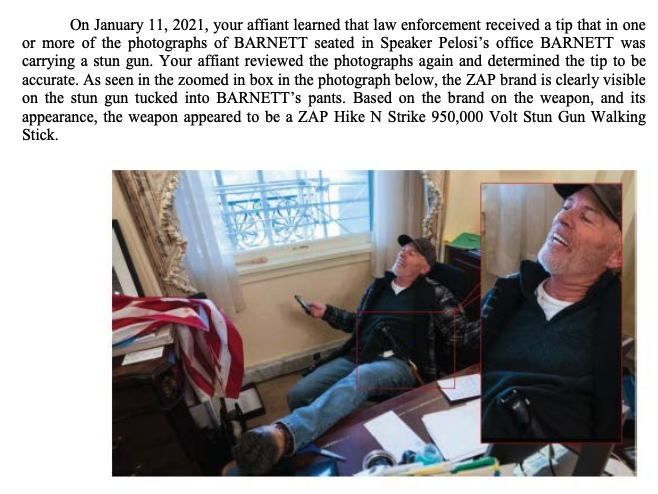
Prosecutors alleged Barnett was carrying a stun gun. He's charged with entering a restricted area w/ a weapon, violent entry/disorderly conduct, and theft. There isn't anything on the docket indicating what the govt/Barnett will be seeking as far as detention v. release
We're still waiting for the Richard Barnett detention hearing to start in Arkansas. Meanwhile, follow @o_ema for updates on initial appearances in DC federal court today for a few of the Capitol insurrection arrestees -->
Richard Barnett's detention hearing is underway in Arkansas — Judge Erin Wiedemann will decide if Barnett should stay behind bars. The first witness is FBI special agent Jonathan Willett, who was involved in the Capitol riot investigation
FBI agent walks the judge through surveillance videos that the agent says show Barnett walking in and out of Nancy Pelosi's office, with a "walking stick Taser" on his hip, as well as the widely disseminated photos of Barnett sitting in Pelosi's chair with his feet up
Prosecutors alleged Barnett was carrying a stun gun. He's charged with entering a restricted area w/ a weapon, violent entry/disorderly conduct, and theft. There isn't anything on the docket indicating what the govt/Barnett will be seeking as far as detention v. release
We're still waiting for the Richard Barnett detention hearing to start in Arkansas. Meanwhile, follow @o_ema for updates on initial appearances in DC federal court today for a few of the Capitol insurrection arrestees -->
Listening in on more hearings: The 1st is Kevin Loftus, WI, arrested for participating in the riots at the Capitol, charged w Class A misdemeanor. Judge decreed he is released on the condition that he does not return to DC, doesn't drink or do drugs, and doesn't break any laws.
— Ema O'Connor (@o_ema) January 15, 2021
Richard Barnett's detention hearing is underway in Arkansas — Judge Erin Wiedemann will decide if Barnett should stay behind bars. The first witness is FBI special agent Jonathan Willett, who was involved in the Capitol riot investigation
FBI agent walks the judge through surveillance videos that the agent says show Barnett walking in and out of Nancy Pelosi's office, with a "walking stick Taser" on his hip, as well as the widely disseminated photos of Barnett sitting in Pelosi's chair with his feet up