
That comparison deserves to be drawn and it raises some very important questions.
I have seen so many people (including folks on #lawtwitter) comparing what happened at the Capitol yesterday with the violence and property damage that happened in some cities during protests last summer.
Let me explain what is wrong with that analogy . . . . .
That comparison deserves to be drawn and it raises some very important questions.
Very different reaction then. But kudos to those who\u2019ve consistently condemned riots. I hope, if nothing else, today\u2019s violence means we are all on the same page now. https://t.co/JhWadB80So
— Andy Grewal (@AndyGrewal) January 7, 2021
This is a pretty basic social and legal concept.
The people at BLM protests were trying to get changes made to policing practices.
The people at the Capitol were trying to stop Congress from certifying an election.
There is also a huge difference in how those actions came about--specifically the role that public officials played in the turmoil and protests that led to the storming of the Capitol.
They have been leading the charge to challenge the result.
They have been engaging in rhetoric that talks about violence and unrest.
They fanned these flames.
He told them to march to the Capitol, and he repeated it multiple times.
Did they give the protestors a fist pump like Josh Hawley did, as he was heading in to try and overturn the election using frivolous legal arguments?
More from Legal


Transferring power back to you, the ppl
https://t.co/26N2YYXycn

Heart attacks can be dangerous
Changing of the Old Guard
Best of the Best
Battle of the Bulge
https://t.co/MpYwQFkhmy
Thunder indicates a storm is
Silent Run'g ..... Can u hear him
https://t.co/26N2YYXycn
Heart attacks can be dangerous
Changing of the Old Guard
Best of the Best
Battle of the Bulge
https://t.co/MpYwQFkhmy
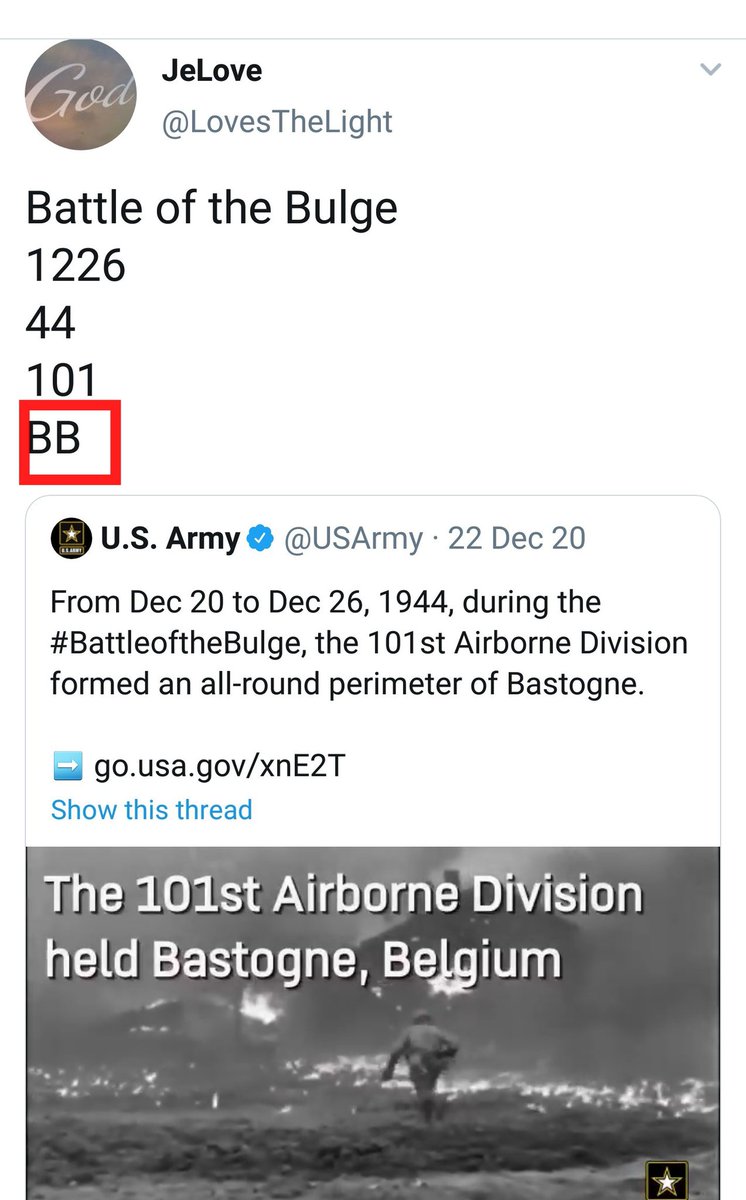
Battle of the Bulge
— JeLove (@LovesTheLight) December 22, 2020
1226
44
101
BB https://t.co/NkaSAyGiCa
Thunder indicates a storm is
"You called down the thunder? Well now you got it."
— JeLove (@LovesTheLight) January 16, 2021
"You tell'em the laws coming....and hells coming with me"
Its a Day of Reckoning.
3:16
42https://t.co/ty1hgfL7iV pic.twitter.com/aczIsLUrX0
Silent Run'g ..... Can u hear him


