So after over a week Fake Ass was played and played good....@THEREALTRDJ
I said he was playing a game and he was the pawn in my game...
We all saw the Little Nigeria Fake running scared....The posts off him tagging law enforcement and other people was just laughable...hahaaa...
More from Law

One of the judges this story mentions is William Cassidy, who was promoted from an Atlanta IJ position to a BIA member position in 2019 by the Trump DOJ. Cassidy has an awful history that has been well-documented, but I'm still enraged reading this reporting.
The story notes that the EOIR Director served as an ICE attorney in Atlanta and practiced before Cassidy for years. And it points to FOIA records unearthed by Bryan Johnson showing they remain friendly.
A trove of complaints against Cassidy was published by AILA in 2019 after FOIA litigation. They generally show misconduct, substantiated in the record, followed by "written counseling" etc.
One way Cassidy could avoid discipline is by turning off the recording device during the hearing. If he made a lewd or offensive comment off the record, all the EOIR would do is listen to the recording. If it's not there, the complaint is "unsubstantiated" https://t.co/wUeBPEEbpV

In that case, Cassidy joked about a detained immigrant saying he missed his wife. The complaint was dismissed because the ACIJ found "no levity or joking" in the comment.

\U0001f6a8New investigation: \U0001f6a8
— Tal Kopan (@TalKopan) January 22, 2021
How sexual harassment and misconduct has been allowed to flourish in the immigration courts, a system intended to give immigrants a fair chance to stay in the U.S.:https://t.co/Lw8hpK5jSe
The story notes that the EOIR Director served as an ICE attorney in Atlanta and practiced before Cassidy for years. And it points to FOIA records unearthed by Bryan Johnson showing they remain friendly.
A trove of complaints against Cassidy was published by AILA in 2019 after FOIA litigation. They generally show misconduct, substantiated in the record, followed by "written counseling" etc.
One way Cassidy could avoid discipline is by turning off the recording device during the hearing. If he made a lewd or offensive comment off the record, all the EOIR would do is listen to the recording. If it's not there, the complaint is "unsubstantiated" https://t.co/wUeBPEEbpV
In that case, Cassidy joked about a detained immigrant saying he missed his wife. The complaint was dismissed because the ACIJ found "no levity or joking" in the comment.

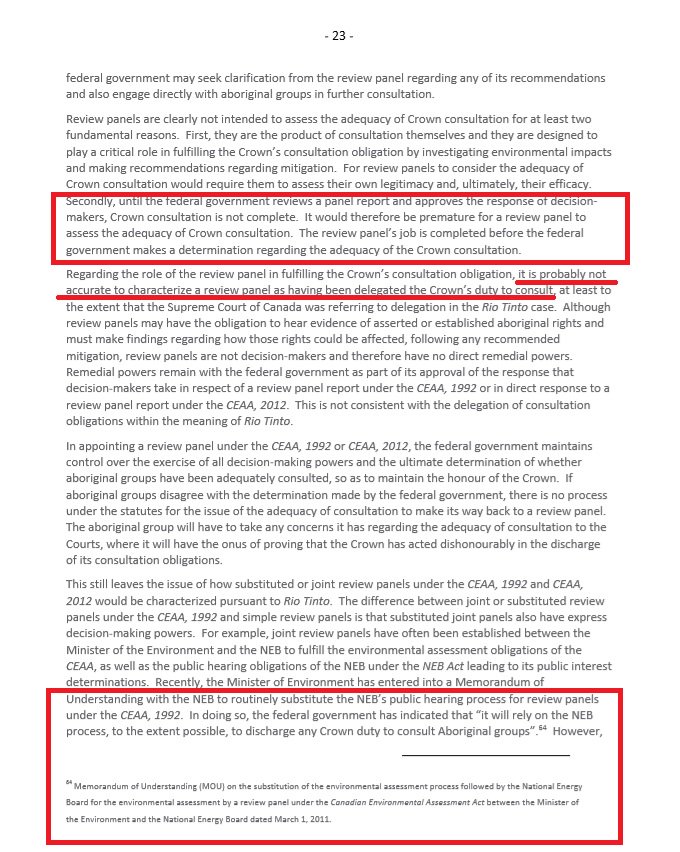

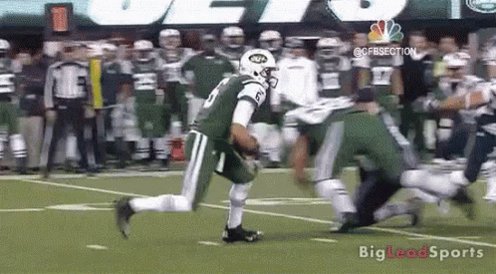
In the cold light of morning, I'm still completely amazed by the legal belly flop that @ThomasMoreSoc filed in the DC District Court. It's the legal equivalent of watching the butt fumble, live
EVERYTHING you could possibly get wrong in a complaint, they managed
Start with the plaintiffs. The ONLY claims in the lawsuit are that the Constitution gives state legislatures the right to set the manner of elections, which they have allegedly (we'll get to this insanity) failed to do.
There's oodles of caselaw saying "since that's a right of the state legislature, only state legislatures, as a body, can bring such a claim"
Are the plaintiffs state legislatures?
https://t.co/KJGEvm8Owp

OK, what about the Defendants? They've sued Defendants from, IIRC, five states (GA, PA, WI, MI, AZ) based on claims that the State Legislatures there didn't pass election rules that the plaintiffs insist the Constitution requires (I promise, we'll get there).
EVERYTHING you could possibly get wrong in a complaint, they managed
Start with the plaintiffs. The ONLY claims in the lawsuit are that the Constitution gives state legislatures the right to set the manner of elections, which they have allegedly (we'll get to this insanity) failed to do.
There's oodles of caselaw saying "since that's a right of the state legislature, only state legislatures, as a body, can bring such a claim"
Are the plaintiffs state legislatures?
https://t.co/KJGEvm8Owp
OK, what about the Defendants? They've sued Defendants from, IIRC, five states (GA, PA, WI, MI, AZ) based on claims that the State Legislatures there didn't pass election rules that the plaintiffs insist the Constitution requires (I promise, we'll get there).

Hot take: Courts might be able to review the legality of this impeachment, even under current political-question doctrine. Here’s why and how the issue might arise:
Suppose Senate convicts and disqualifies Trump from ever holding federal office. Trump files paperwork to run anyway, but state officials deny his application, citing his Senate impeachment judgment. Trump sues, arguing that the judgment is void.
Normally a legal dispute about a prospective candidates eligibility to run would certainly present a justiciable case or controversy. But are courts bound to accept the Senate impeachment judgment as valid? Maybe not. Here’s why:
According to Article I, “The Senate shall have the sole Power to try all Impeachments.” This is a small amount of judicial power vested in Congress. When trying impeachments, the Senate sits as a court.
The Senate’s judicial power includes the power to decide relevant legal questions that arise, such as what procedures are sufficient to constitute a “trial” w/in the Constitution’s meaning. Such legal determinations are conclusive, as SCOTUS held in Nixon v. United States (1993).
Honest Q: Some people argue in good faith that an impeachment trial after POTUS leaves office is unconstitutional. I think they\u2019re wrong. But let\u2019s say they\u2019re right, yet senate does it anyway. Does anyone seriously think SCOTUS reverses verdict (or even can)?
— Jonah Goldberg (@JonahDispatch) January 17, 2021
Suppose Senate convicts and disqualifies Trump from ever holding federal office. Trump files paperwork to run anyway, but state officials deny his application, citing his Senate impeachment judgment. Trump sues, arguing that the judgment is void.
Normally a legal dispute about a prospective candidates eligibility to run would certainly present a justiciable case or controversy. But are courts bound to accept the Senate impeachment judgment as valid? Maybe not. Here’s why:
According to Article I, “The Senate shall have the sole Power to try all Impeachments.” This is a small amount of judicial power vested in Congress. When trying impeachments, the Senate sits as a court.
The Senate’s judicial power includes the power to decide relevant legal questions that arise, such as what procedures are sufficient to constitute a “trial” w/in the Constitution’s meaning. Such legal determinations are conclusive, as SCOTUS held in Nixon v. United States (1993).

There is a now-relevant parallel here to the difference here between matters before a judge & matters before a jury. Judges are far more reluctant to strike testimony or evidence if they are the only recipients of it, with the theory being that they are really smart about ...
law stuff & will know what they can & can't consider. For instance, there is a long-held rule that a fact witness can't make legal arguments, only a lawyer. So what will happen in a motion for summary judgment, where the entire proceeding is on paper, will play out like this:
1) Defendant makes a motion for summary judgment. It includes a sworn declaration from some fact witness.
2) The declaration includes all sorts of legal arguments about why the defendant should win. Often the declaration includes arguments the brief didn't even make.
Defendants (especially DOJ-represented ones) often do this to get around the word or page-limits placed on briefs.
3) Plaintiff moves to strike the declaration for its inclusion of inadmissible legal arguments.
4) Judge denies the motion to strike, on the grounds that a ...
judge is a sophisticated consumer of evidence & can choose what to consider & what to ignore, unlike a jury.
The legal fiction behind this impeachment exception is that Senators are also smart enough to know what to listen to & what to ignore. Now, that may not be ACCURATE, ...
To the extent that precedents matter in this trial, when hearsay has been challenged in past trials, it's been admitted if it's probative. And it's been noted that senators aren't *regular* jurors, but rather people of learning who can figure on their own how to weigh evidence.
— Ira Goldman \U0001f986\U0001f986\U0001f986 (@KDbyProxy) January 24, 2020
law stuff & will know what they can & can't consider. For instance, there is a long-held rule that a fact witness can't make legal arguments, only a lawyer. So what will happen in a motion for summary judgment, where the entire proceeding is on paper, will play out like this:
1) Defendant makes a motion for summary judgment. It includes a sworn declaration from some fact witness.
2) The declaration includes all sorts of legal arguments about why the defendant should win. Often the declaration includes arguments the brief didn't even make.
Defendants (especially DOJ-represented ones) often do this to get around the word or page-limits placed on briefs.
3) Plaintiff moves to strike the declaration for its inclusion of inadmissible legal arguments.
4) Judge denies the motion to strike, on the grounds that a ...
judge is a sophisticated consumer of evidence & can choose what to consider & what to ignore, unlike a jury.
The legal fiction behind this impeachment exception is that Senators are also smart enough to know what to listen to & what to ignore. Now, that may not be ACCURATE, ...