Identifying Purpose of Our Birth - Atmakaraka
A human should be questioning self "Who am I and Why am I here" The answer to this is not an easily achievable one. It needs great efforts in place to identify the purpose of our birth.
Did you find the purpose of your Birth? \U0001f64f\U0001f3fc
— Hindu Media Wiki (@HinduMediaWiki) January 13, 2021
Do you know ways do that? \U0001f340
Ex: Aquarius Kumbh corresponds with Kedarnath in order
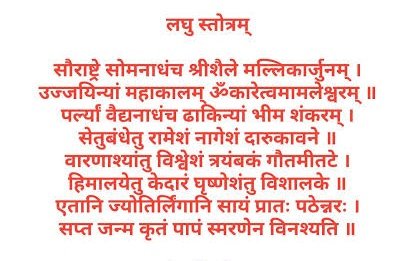
https://t.co/g0S62HXdCW
Next in the series- Identodying IshtaDevta based on AK
More from Hindu Media Wiki
Speech Delay is most common in children nowadays
In ancient times, our grandparents used to follow typical natural way of caring the needs of a child. All they used were more of natural products than chemical based for the growth of child.

One of major step followed was to feed Gurbach Jadd/ Vasa Kommu/ Acorus Calamus for initiating good speech ability in a child. This stem was needed to babies on Tuesdays and Sundays in mother's milk.
Vasa is feed to baby after the 1st bath on 12th day in week. Weekly only thrice it is fed and named as :
Budhwar - Budhi Vasa
Mangalwar - Vaak Vasa
Ravi Vaar - Aayush Vasa
This stem is burnt and rubbed against the grinding stone in mother's milk or warm water to get a paste
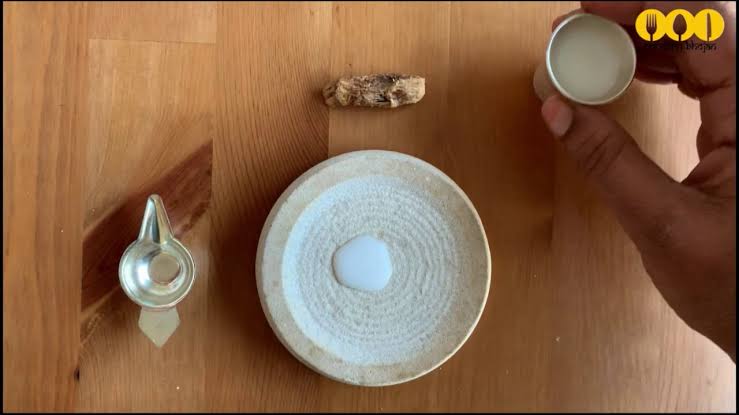
The procedure to make it is in the link
https://t.co/uo4sGp7mUm
It should not be given daily to the child. Other main benefits are
1. It clears the phlegm in child's throat caused due to continuous milk intake. It clears the tracts and breathing is effortless.
2. Digestion
For children who haven't got their speech and is delayed than usual should feed this vasa on these days in week atleast for 6months. Don't get carried away with this dialogue
"Some gain speech little late"
In ancient times, our grandparents used to follow typical natural way of caring the needs of a child. All they used were more of natural products than chemical based for the growth of child.
One of major step followed was to feed Gurbach Jadd/ Vasa Kommu/ Acorus Calamus for initiating good speech ability in a child. This stem was needed to babies on Tuesdays and Sundays in mother's milk.
Vasa is feed to baby after the 1st bath on 12th day in week. Weekly only thrice it is fed and named as :
Budhwar - Budhi Vasa
Mangalwar - Vaak Vasa
Ravi Vaar - Aayush Vasa
This stem is burnt and rubbed against the grinding stone in mother's milk or warm water to get a paste
The procedure to make it is in the link
https://t.co/uo4sGp7mUm
It should not be given daily to the child. Other main benefits are
1. It clears the phlegm in child's throat caused due to continuous milk intake. It clears the tracts and breathing is effortless.
2. Digestion
For children who haven't got their speech and is delayed than usual should feed this vasa on these days in week atleast for 6months. Don't get carried away with this dialogue
"Some gain speech little late"
Tripundra Dhaaran - Paapa Vimukti
Our generations are fascinated about Tripundram being just a religious symbol. There are in depth meanings of such a Tilak on a Seeker's Forehead
The very first mistake is the way it is applied.
Tripund isn't applied with dry Bhasm, it should be made wet and then applied in a prescribed manner with proper use of fingers and direction of application. Bhasm is collected from various sources
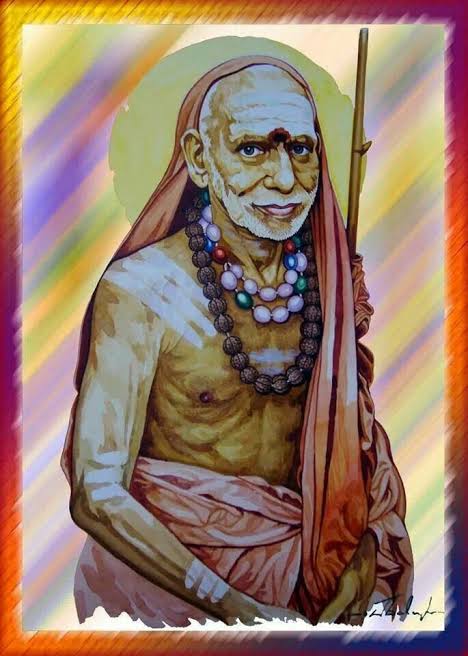
The most important ones mentioned in upanishats are 1. Yagnya Kund Bhasm 2. Bhasm made from Cow's Dung alone. A special agnihotram was perform to save the Bhasma after that for Dhaarana. A major mantra while applying bhasm is Mrutyunjaya Mantra
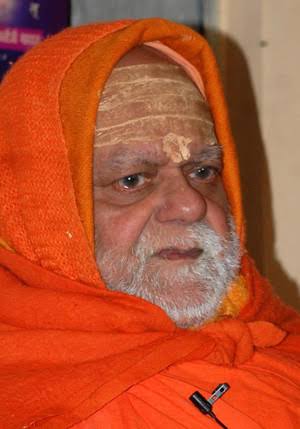
Dwijas have a very long process of applying the Tripundram along with their Sandhyavandanam. For commoners there are some basic rules people have to follow while applying Bhasm
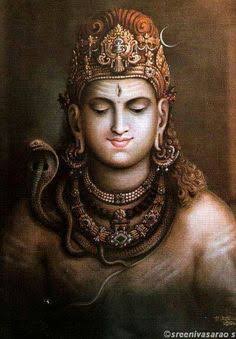
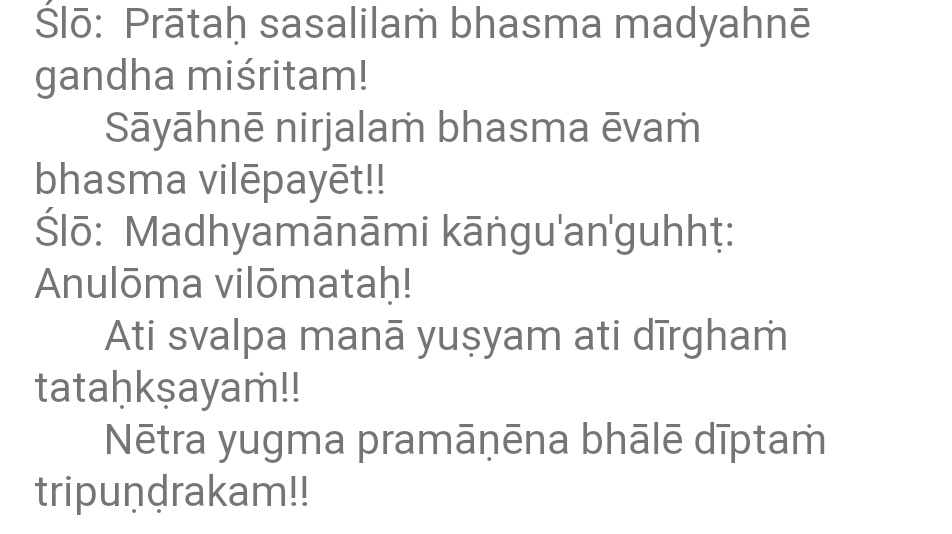
Bhasm Applied in Morning - Should be mixed with water and applied
Bhasm Applied during Afternoon - Should be mixed with Chandan and Applied
Bhasm Applied during and after Pradosh - Should be applied Dry as such
Our generations are fascinated about Tripundram being just a religious symbol. There are in depth meanings of such a Tilak on a Seeker's Forehead
" No Tilak symbolizes Shree Viheen"
— Hindu Media Wiki (@HinduMediaWiki) December 21, 2020
Tilak Dharan on forehead is having deep science than one can ever imagine. It is not just a symbol of Sanatan but also builds a lot of confidence of human actually. It is related to Tejas & Varchasv of a human. pic.twitter.com/vM46BqU3f7
The very first mistake is the way it is applied.
Tripund isn't applied with dry Bhasm, it should be made wet and then applied in a prescribed manner with proper use of fingers and direction of application. Bhasm is collected from various sources
The most important ones mentioned in upanishats are 1. Yagnya Kund Bhasm 2. Bhasm made from Cow's Dung alone. A special agnihotram was perform to save the Bhasma after that for Dhaarana. A major mantra while applying bhasm is Mrutyunjaya Mantra
Dwijas have a very long process of applying the Tripundram along with their Sandhyavandanam. For commoners there are some basic rules people have to follow while applying Bhasm
Bhasm Applied in Morning - Should be mixed with water and applied
Bhasm Applied during Afternoon - Should be mixed with Chandan and Applied
Bhasm Applied during and after Pradosh - Should be applied Dry as such
"Mantras without Initiation"
Mantras are science. Different types of mantras exist based on different Rishi's and Yogi's works.Mantras had enormous efforts in place.Rishis performed intense Tapasyas through which they realized the existence of them.
Sanaskritam is a very tricky language. It has beautiful placement of words and one needs good wisdom to understand the origin of it's placement and Tatparya. Mantras are segregated into various categories based on it's usage in Aachara. There are several acharas like Vedic, Vama
Kaula, Vaishnava, Madhwa etc. Different mantras require different level of repetitions to attain Sidhis or say the ability to use the mantra for said cause / mostly Loka Kalyana for large cases. There are many controversies regarding chanting a mantra with or without Guru.
It is purely a human specific in Kali Yug to decide, BUT as per shastras a Guru is required for initiating a person into intense mantras. This is for the good of the seeker and guru gets nothing except the satisfaction of transferring his Tapoh shakti into the shishya.
Vedically Mantra has to be used in a prescribed way and it has 3 to five major components of usage
Components of a Mantra
1. Rishi - Who Worked
2. Chandas - How it is spelled
3. Devata - Whom do we pray
4. Beeja - What is the source syllable
5. Shakti Tattva - Which is the type
Mantras are science. Different types of mantras exist based on different Rishi's and Yogi's works.Mantras had enormous efforts in place.Rishis performed intense Tapasyas through which they realized the existence of them.
Thread on Types of Mantra:
— Hindu Media Wiki (@HinduMediaWiki) January 2, 2021
1. Pallava Mantra
2. Yojan Mantra
3. Rodha Mantra
4. Para Mantra
5. Samputa Mantra
6. Vidarbha Mantra
There are other ways to classify mantra too but let's start with the above 6 types of it. pic.twitter.com/3Y4kzNy5k0
Sanaskritam is a very tricky language. It has beautiful placement of words and one needs good wisdom to understand the origin of it's placement and Tatparya. Mantras are segregated into various categories based on it's usage in Aachara. There are several acharas like Vedic, Vama
Kaula, Vaishnava, Madhwa etc. Different mantras require different level of repetitions to attain Sidhis or say the ability to use the mantra for said cause / mostly Loka Kalyana for large cases. There are many controversies regarding chanting a mantra with or without Guru.
It is purely a human specific in Kali Yug to decide, BUT as per shastras a Guru is required for initiating a person into intense mantras. This is for the good of the seeker and guru gets nothing except the satisfaction of transferring his Tapoh shakti into the shishya.
Vedically Mantra has to be used in a prescribed way and it has 3 to five major components of usage
Components of a Mantra
1. Rishi - Who Worked
2. Chandas - How it is spelled
3. Devata - Whom do we pray
4. Beeja - What is the source syllable
5. Shakti Tattva - Which is the type

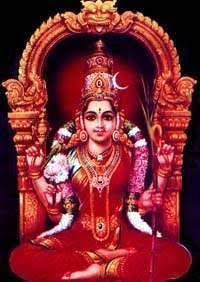
"Busy Life Daily Puja & Neivedyas"
People would always have several doubts on what to offer bhagwan in their daily puja. For some it will be a million dollar question of how to do an express puja yet a satisfying one.
Upachara - "उपचार"
Refers to the offerings and services made to Bhagwan as part of worship. In shastras there are a count of upachara pujas we do.
पांच उपचार पूजा - 5 Upacharas
षोडशोपचार पूजा - 16 "
चतुःषष्ट्युपचार पूजा - 64 "
Out of these panch is used for daily puja.
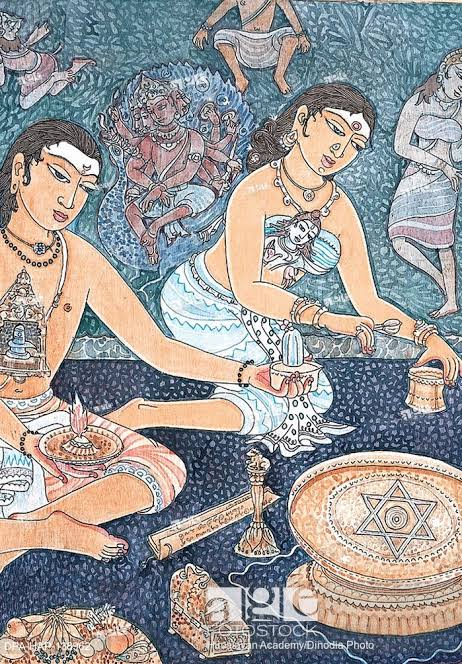
Some use 16 upachras who are well versed with the way of doing it Effortlessly and have abhishekam at home daily. 64 is exclusively for festivals and special vrat. One can choose to do 5 upacharas daily and finish your puja peacefully.
How to start your Puja ?
1. Shudhikaran & Aachaman
2. Bhootashudhi & Pranayam
3. Sankalp
4. Choice of Upachara Puja
5. Aarti
6. Pradakshina
7. Mantra Pushpam
8. Bhoomi Sashtanga/Panchanga Namaskaram
Major pujas steps one should ideally follow
Shudhikaran & Aachaman
After bath and dressing with (washed clothes only) should arrange their requirements for puja.
Take water separately for Aachaman and Puja. Water shouldn't be used from same paatra ideally. Perform Aachaman as per your practice & for beginners - YouTube
People would always have several doubts on what to offer bhagwan in their daily puja. For some it will be a million dollar question of how to do an express puja yet a satisfying one.
Dakshina Neivedyas
— Hindu Media Wiki (@HinduMediaWiki) December 18, 2020
Havishyanna
Commonly called Ven Pongal / Kattu Pongali / Moong Dal Khichdi across states, this dish is very important in puja Niyamas. It holds highest rank in order of preferred Neivedya to Bhagwaan. This dish is considered as Golden Dish, as it looks so. pic.twitter.com/QK43q1Sxz6
Upachara - "उपचार"
Refers to the offerings and services made to Bhagwan as part of worship. In shastras there are a count of upachara pujas we do.
पांच उपचार पूजा - 5 Upacharas
षोडशोपचार पूजा - 16 "
चतुःषष्ट्युपचार पूजा - 64 "
Out of these panch is used for daily puja.
Some use 16 upachras who are well versed with the way of doing it Effortlessly and have abhishekam at home daily. 64 is exclusively for festivals and special vrat. One can choose to do 5 upacharas daily and finish your puja peacefully.
How to start your Puja ?
1. Shudhikaran & Aachaman
2. Bhootashudhi & Pranayam
3. Sankalp
4. Choice of Upachara Puja
5. Aarti
6. Pradakshina
7. Mantra Pushpam
8. Bhoomi Sashtanga/Panchanga Namaskaram
Major pujas steps one should ideally follow
Shudhikaran & Aachaman
After bath and dressing with (washed clothes only) should arrange their requirements for puja.
Take water separately for Aachaman and Puja. Water shouldn't be used from same paatra ideally. Perform Aachaman as per your practice & for beginners - YouTube
More from India



You May Also Like





Oh my Goodness!!!
I might have a panic attack due to excitement!!
Read this thread to the end...I just had an epiphany and my mind is blown. Actually, more than blown. More like OBLITERATED! This is the thing! This is the thing that will blow the entire thing out of the water!
Has this man been concealing his true identity?
Is this man a supposed 'dead' Seal Team Six soldier?
Witness protection to be kept safe until the right moment when all will be revealed?!
Who ELSE is alive that may have faked their death/gone into witness protection?

Were "golden tickets" inside the envelopes??

Are these "golden tickets" going to lead to their ultimate undoing?
Review crumbs on the board re: 'gold'.

#SEALTeam6 Trump re-tweeted this.

I might have a panic attack due to excitement!!
Read this thread to the end...I just had an epiphany and my mind is blown. Actually, more than blown. More like OBLITERATED! This is the thing! This is the thing that will blow the entire thing out of the water!
Tik Tok pic.twitter.com/8X3oMxvncP
— Scotty Mar10 (@Allenma15086871) December 29, 2020
Has this man been concealing his true identity?
Is this man a supposed 'dead' Seal Team Six soldier?
Witness protection to be kept safe until the right moment when all will be revealed?!
Who ELSE is alive that may have faked their death/gone into witness protection?
Were "golden tickets" inside the envelopes??
Are these "golden tickets" going to lead to their ultimate undoing?
Review crumbs on the board re: 'gold'.
#SEALTeam6 Trump re-tweeted this.