I wanted to tell a little story about one of the most fascinating Parisian muses of the 19th century:
Jeanne Duval.
She was known in her time as "the Black Venus."


Here's one of his poems about Jeanne, original title "Sed non satiata" ("but not satisfied").


Here's the thing tho—and so far the cheese stands alone on this one, so be warned—I actually don't think it's Jeanne.


Apollonie Sabatier is perhaps best known for her work modeling for Auguste Clésinger's "Woman Bitten by a Serpent." But she has something really interesting in common with Édouard Manet as well...

(Paintings: Manet. Catalogue of Sabatier.)

There is also another possibility, which is that the painting is of Apollonie Sabatier (seen left) and not Duval.

Another comes from Constantin Guys, a Dutch-born French painter, illustrator and journalist. Baudelaire was a big fan of his, even though Guys is mostly unknown today.
(Here's a portrait of Guys by Manet)

So anyway, Guys did this drawing, which is now referred to as a "presumed" portrait of Jeanne Duval.

But I'm most interested in the photographs taken by the guy known as the world's first celebrity photographer, Gaspard-Félix Tournachon, who adopted the nom de guerre "Nadar." (Below, a goofy self-portrait.)


To my knowledge, it was formerly called just "young model, draped in black velvet, with loose hair," but the BNF has now added a tag with the name Jeanne Duval to a print of it in their online database https://t.co/7cTQIuopT8


More from History




THREAD: With #silversqueeze trending on Twitter, it appears that this week's market spectacle may well be in the silver market.
A perfect moment for a thread on the Hunt Brothers and their alleged attempt to corner the silver market...
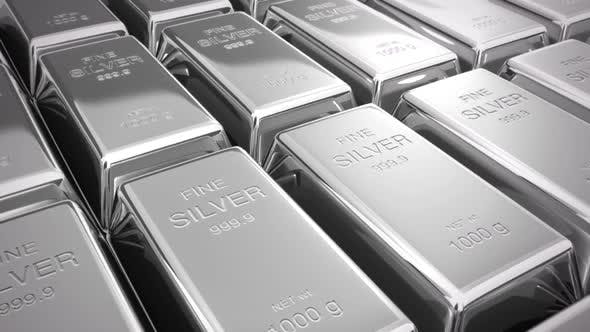
1/ First, let's set the stage.
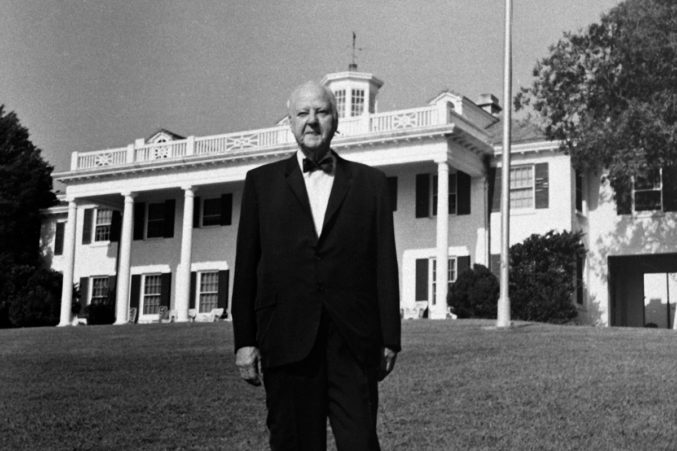
The Hunt Brothers - Nelson Bunker Hunt, William Herbert Hunt, and Lamar Hunt - were the sons of Texas tycoon H.L. Hunt.
H.L. Hunt had amassed a billion-dollar fortune in the oil industry.
He died in 1974 and left that fortune to his family.
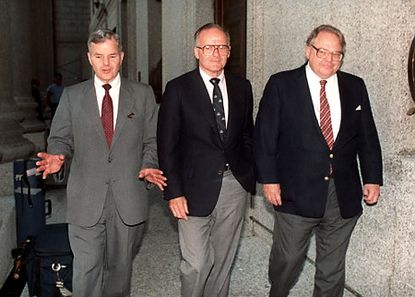
2/ After H.L.'s passing, the Hunt Brothers had taken over the family holdings and successfully managed to expand the Hunt empire.
By the late 1970s, the family's fortune was estimated to be ~$5 billion.
In the financial world, the Hunt name was as good as gold (or silver!).
3/ But the 1970s were a turbulent time in America.
Following the oil crisis of the early 1970s, the U.S. had entered a period of stagflation - a dire macroeconomic condition characterized by high inflation, low growth, and high unemployment.
4/ The Hunt Brothers - particularly Nelson Bunker and William Herbert - believed that the inflationary environment would persist and destroy the value of their family's holdings.
To hedge this risk, they turned to silver.
They began buying the metal at ~$3 per ounce in 1973.
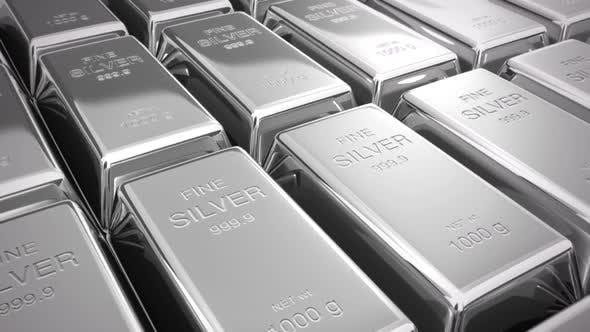
A perfect moment for a thread on the Hunt Brothers and their alleged attempt to corner the silver market...
1/ First, let's set the stage.
The Hunt Brothers - Nelson Bunker Hunt, William Herbert Hunt, and Lamar Hunt - were the sons of Texas tycoon H.L. Hunt.
H.L. Hunt had amassed a billion-dollar fortune in the oil industry.
He died in 1974 and left that fortune to his family.
2/ After H.L.'s passing, the Hunt Brothers had taken over the family holdings and successfully managed to expand the Hunt empire.
By the late 1970s, the family's fortune was estimated to be ~$5 billion.
In the financial world, the Hunt name was as good as gold (or silver!).
3/ But the 1970s were a turbulent time in America.
Following the oil crisis of the early 1970s, the U.S. had entered a period of stagflation - a dire macroeconomic condition characterized by high inflation, low growth, and high unemployment.
Stagflation 101
— Sahil Bloom (@SahilBloom) September 2, 2020
The term "stagflation" is used frequently in discussions of monetary policy and risks in the post-COVID world.
But what is stagflation and how does it work?
Here's Stagflation 101!
\U0001f447\U0001f447\U0001f447 pic.twitter.com/at4FmaCmkM
4/ The Hunt Brothers - particularly Nelson Bunker and William Herbert - believed that the inflationary environment would persist and destroy the value of their family's holdings.
To hedge this risk, they turned to silver.
They began buying the metal at ~$3 per ounce in 1973.