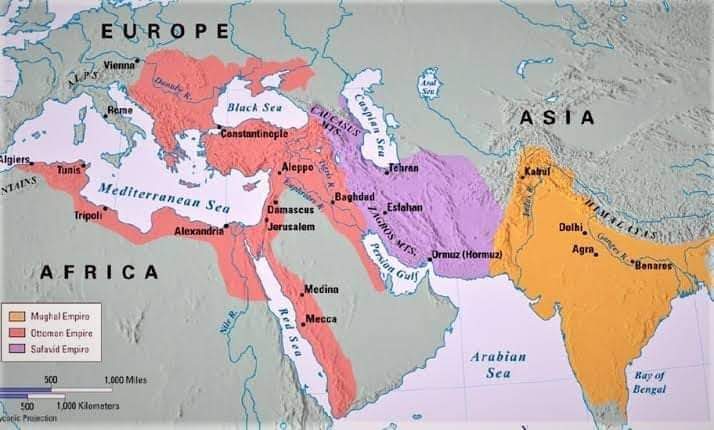
In 1615, historian Richard M. Eaton quoted, "one observer estimated the Mughal's annual revenue at 120 million silver coins, compared to 45 million for the Ottoman Empire and just 15 million for the neighbouring Iran (Safavid)."
- India in the Persianate Age: 1000-1765, p. 371
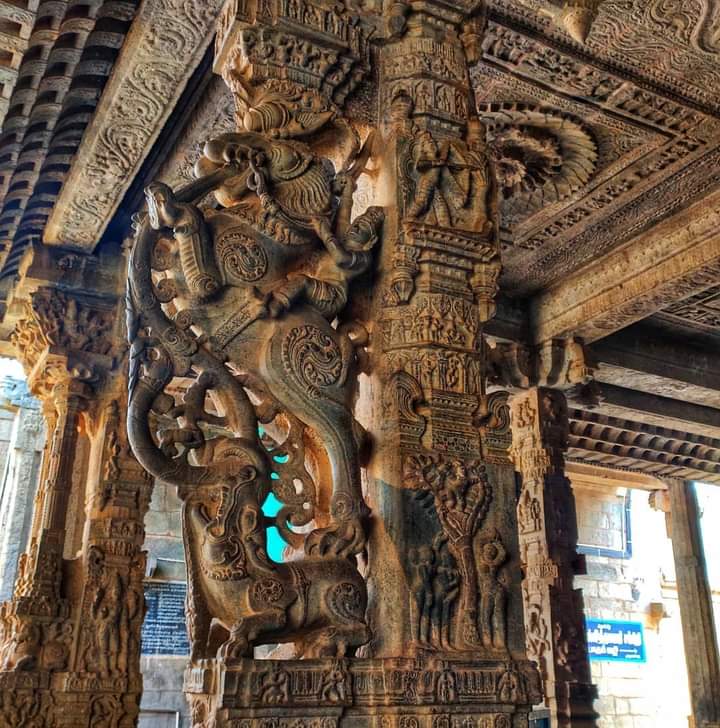
(Legendary Peacock Throne)
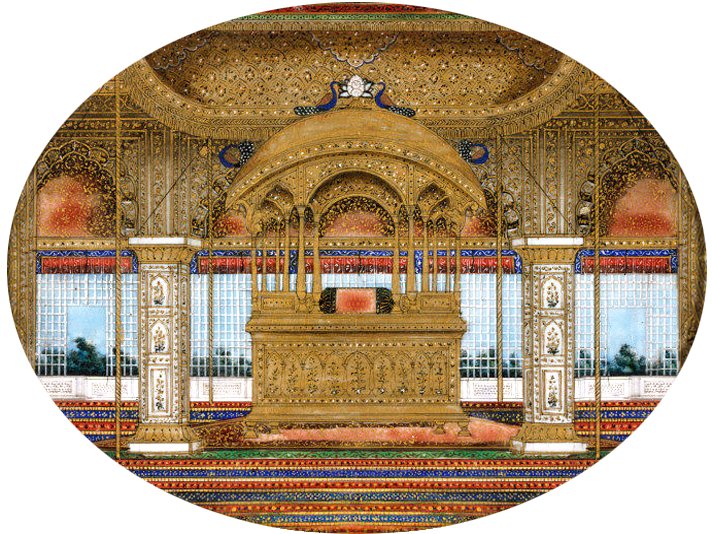
We have to study the conditions of Mughal citizens from the perspective of middle ages instead of modern era
As far concerns of living conditions of common man, the living standrads of Mughal citizens were higher than Eureopens.
- The Modern World-System III.
Mughals were holding 24 percent of world's population and was most industrliazed region on the face of earth.
https://t.co/rivkalYKXv
On 29 December, 1530 Mughal Crown Price Nas\u012br-ad-D\u012bn Muhammad ascended the Mughal throne by his regnal name Hum\u0101y\u016bn after three days of Emperor Babur's death. Humayun lost the Hindustan at hands of Sher Shah Suri after ruling Mughal Empire 9.5 years.#Mughals pic.twitter.com/AVvHcTM4OK
— Muhammad Safiullah (@nawab_safiullah) December 31, 2020
More from History











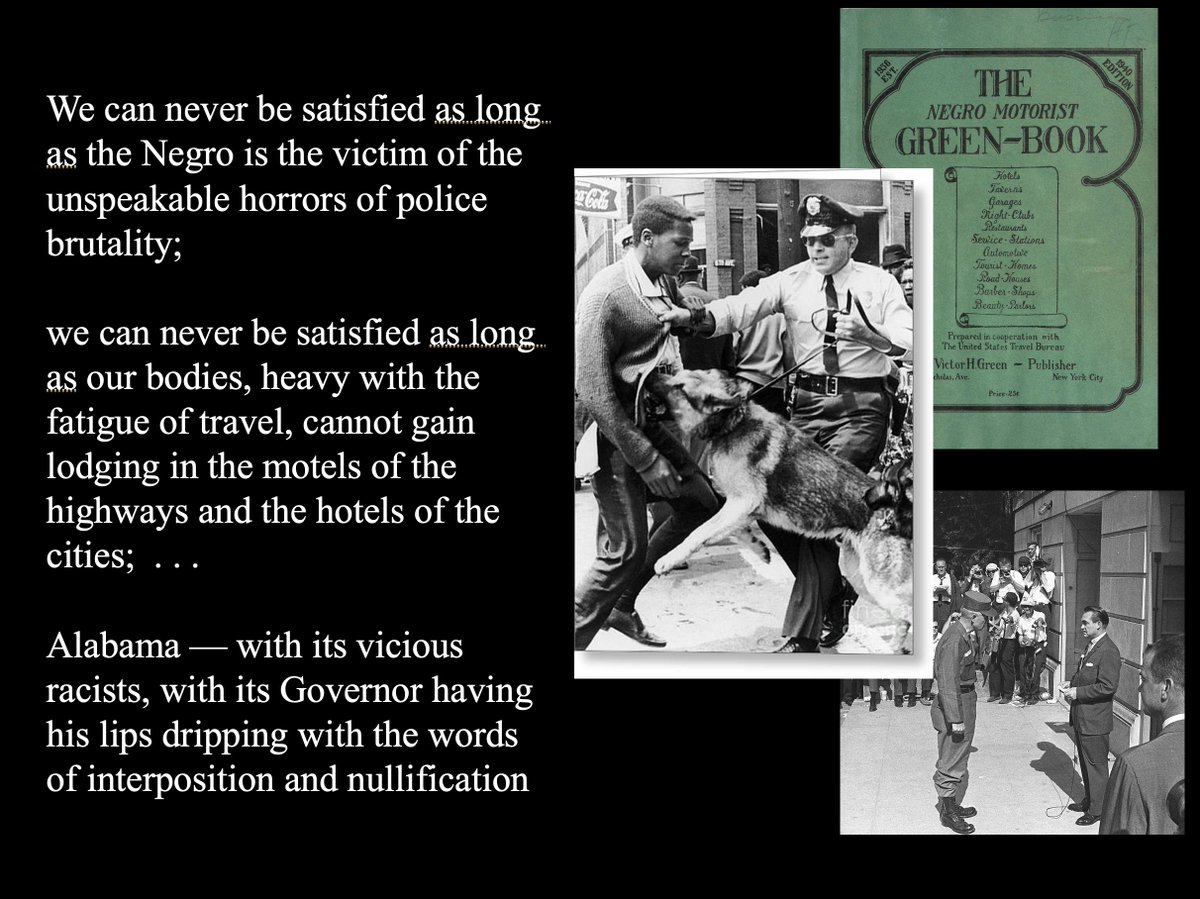


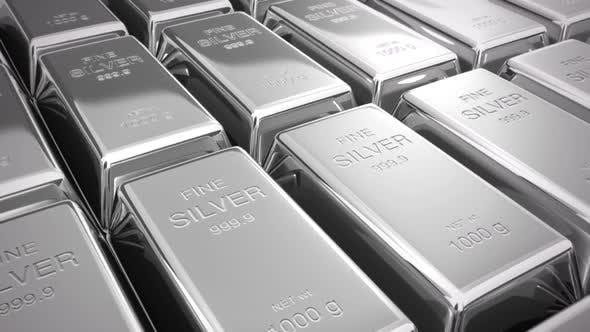
THREAD: With #silversqueeze trending on Twitter, it appears that this week's market spectacle may well be in the silver market.
A perfect moment for a thread on the Hunt Brothers and their alleged attempt to corner the silver market...
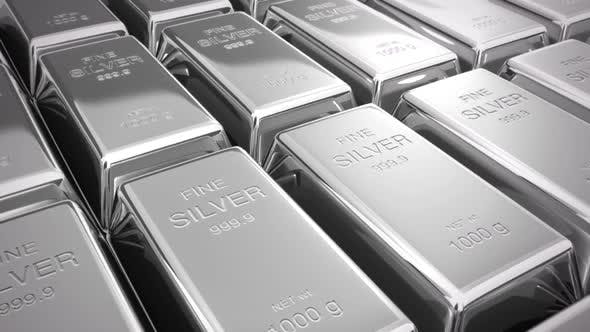
1/ First, let's set the stage.
The Hunt Brothers - Nelson Bunker Hunt, William Herbert Hunt, and Lamar Hunt - were the sons of Texas tycoon H.L. Hunt.
H.L. Hunt had amassed a billion-dollar fortune in the oil industry.
He died in 1974 and left that fortune to his family.
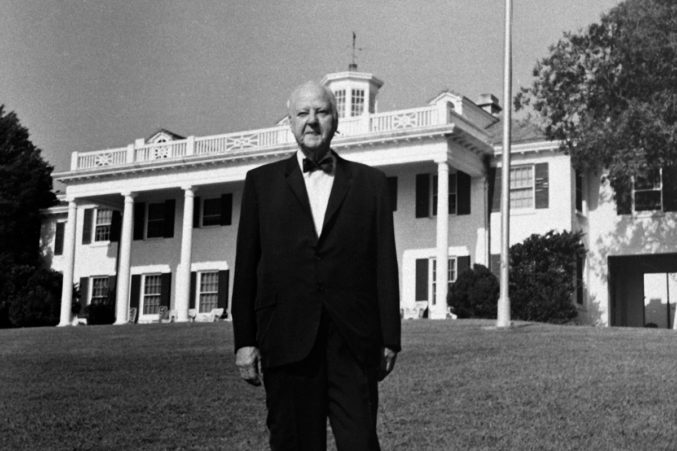
2/ After H.L.'s passing, the Hunt Brothers had taken over the family holdings and successfully managed to expand the Hunt empire.
By the late 1970s, the family's fortune was estimated to be ~$5 billion.
In the financial world, the Hunt name was as good as gold (or silver!).
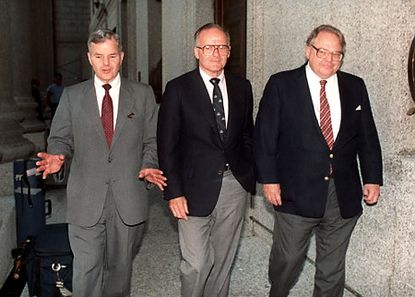
3/ But the 1970s were a turbulent time in America.
Following the oil crisis of the early 1970s, the U.S. had entered a period of stagflation - a dire macroeconomic condition characterized by high inflation, low growth, and high unemployment.
4/ The Hunt Brothers - particularly Nelson Bunker and William Herbert - believed that the inflationary environment would persist and destroy the value of their family's holdings.
To hedge this risk, they turned to silver.
They began buying the metal at ~$3 per ounce in 1973.
A perfect moment for a thread on the Hunt Brothers and their alleged attempt to corner the silver market...
1/ First, let's set the stage.
The Hunt Brothers - Nelson Bunker Hunt, William Herbert Hunt, and Lamar Hunt - were the sons of Texas tycoon H.L. Hunt.
H.L. Hunt had amassed a billion-dollar fortune in the oil industry.
He died in 1974 and left that fortune to his family.
2/ After H.L.'s passing, the Hunt Brothers had taken over the family holdings and successfully managed to expand the Hunt empire.
By the late 1970s, the family's fortune was estimated to be ~$5 billion.
In the financial world, the Hunt name was as good as gold (or silver!).
3/ But the 1970s were a turbulent time in America.
Following the oil crisis of the early 1970s, the U.S. had entered a period of stagflation - a dire macroeconomic condition characterized by high inflation, low growth, and high unemployment.
Stagflation 101
— Sahil Bloom (@SahilBloom) September 2, 2020
The term "stagflation" is used frequently in discussions of monetary policy and risks in the post-COVID world.
But what is stagflation and how does it work?
Here's Stagflation 101!
\U0001f447\U0001f447\U0001f447 pic.twitter.com/at4FmaCmkM
4/ The Hunt Brothers - particularly Nelson Bunker and William Herbert - believed that the inflationary environment would persist and destroy the value of their family's holdings.
To hedge this risk, they turned to silver.
They began buying the metal at ~$3 per ounce in 1973.
You May Also Like


A list of cool websites you might now know about
A thread 🧵
1) Learn Anything - Search tools for knowledge discovery that helps you understand any topic through the most efficient
2) Grad Speeches - Discover the best commencement speeches.
This website is made by me
3) What does the Internet Think - Find out what the internet thinks about anything
4) https://t.co/vuhT6jVItx - Send notes that will self-destruct after being read.
A thread 🧵
1) Learn Anything - Search tools for knowledge discovery that helps you understand any topic through the most efficient
2) Grad Speeches - Discover the best commencement speeches.
This website is made by me
3) What does the Internet Think - Find out what the internet thinks about anything
4) https://t.co/vuhT6jVItx - Send notes that will self-destruct after being read.