Thx to @USAmbIsrael David Friedman for his time: Intvu ran > 2 hours. Lots of important/interesting stuff didn’t make it into piece. But for students of the conflict, it’s worth setting down some of that here. This will take 2 threads. Here goes 1st.
Arguing that people mistakenly saw Israel as the “stronger party” with the “greater demands,” vs. the “poor and underrepresented” Palestinians.../6
“I mean, Israel's militarily stronger. If they weren't, they wouldn't exist. But from a perspective of the world, I mean, [the Palestinians] had this scheme going for a generation, of kind of holding the Arab street hostage throughout the world.../7
Still, he denied there was a U.S. interest in expansion of settlements... /16
(NB: "Suboptimal" is a signature word.) /18
More from Government


The Manatee-Sarasota area has many connections to the horrific scene of insurrection in Washington DC yesterday. Want to see? Buckle up for this thread: /1
The Manatee GOP expressed support for Josh Hawley’s objections to certification of the electoral college vote. /2

Josh Hawley’s home-state newspaper says Hawley has blood on his hands for a “Capitol coup attempt.” This is who the Manatee GOP cheered on.
Florida GOP Vice Chair & Sarasota County Commissioner Christian Ziegler was at the protest, as described in this @HeraldTribune article.
The protest was led by the same people connected to Ziegler who were filming outside the Vern Buchanan town hall at the Van Wezel in Sarasota in 2017, namely Dustin Stockton. Stockton was also part of Steve Bannon's border wall group. /5
https://t.co/NbOxVqbtO4

The Manatee GOP expressed support for Josh Hawley’s objections to certification of the electoral college vote. /2
Josh Hawley’s home-state newspaper says Hawley has blood on his hands for a “Capitol coup attempt.” This is who the Manatee GOP cheered on.
Florida GOP Vice Chair & Sarasota County Commissioner Christian Ziegler was at the protest, as described in this @HeraldTribune article.
The protest was led by the same people connected to Ziegler who were filming outside the Vern Buchanan town hall at the Van Wezel in Sarasota in 2017, namely Dustin Stockton. Stockton was also part of Steve Bannon's border wall group. /5
https://t.co/NbOxVqbtO4

This article by Jim Spellar for @LabourList misses the point about why Labour needs to think seriously about constitutional reform - and have a programme for it ready for government.
The state of our constitution is a bit like the state of the neglected electric wiring in an old house. If you are moving into the house, sorting it out is a bit tedious. Couldn’t you spend the time and money on a new sound system?
But if you ignore the wiring, you’ll find that you can’t safely install the new sound system. And your house may well catch fire.
Any programme for social democratic government requires a state with capacity, and a state that has clear mechanisms of accountability, for all the big and all the small decisions that in takes, in which people have confidence.
That is not a description of the modern UK state.
"Voters don\u2019t care about how the D\u2019Hondt system works or about how you\u2019d geographically carve up a regional assembly... They want results.\u2070"@spellar on why Labour should stop obsessing over constitutional issues: https://t.co/W0zsire5xI
— LabourList (@LabourList) February 11, 2021
The state of our constitution is a bit like the state of the neglected electric wiring in an old house. If you are moving into the house, sorting it out is a bit tedious. Couldn’t you spend the time and money on a new sound system?
But if you ignore the wiring, you’ll find that you can’t safely install the new sound system. And your house may well catch fire.
Any programme for social democratic government requires a state with capacity, and a state that has clear mechanisms of accountability, for all the big and all the small decisions that in takes, in which people have confidence.
That is not a description of the modern UK state.




You May Also Like

THE MEANING, SIGNIFICANCE AND HISTORY OF SWASTIK
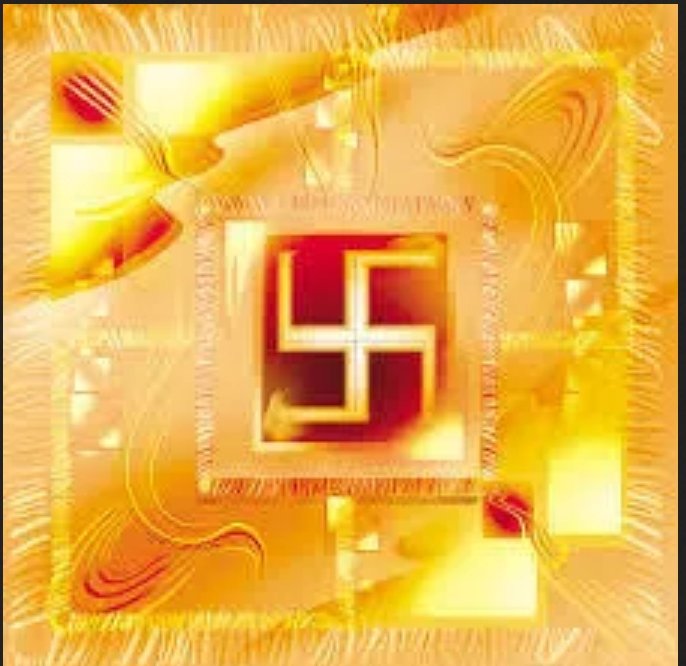
The Swastik is a geometrical figure and an ancient religious icon. Swastik has been Sanatan Dharma’s symbol of auspiciousness – mangalya since time immemorial.

The name swastika comes from Sanskrit (Devanagari: स्वस्तिक, pronounced: swastik) &denotes “conducive to wellbeing or auspicious”.
The word Swastik has a definite etymological origin in Sanskrit. It is derived from the roots su – meaning “well or auspicious” & as meaning “being”.
"सु अस्ति येन तत स्वस्तिकं"
Swastik is de symbol through which everything auspicios occurs
Scholars believe word’s origin in Vedas,known as Swasti mantra;
"🕉स्वस्ति ना इन्द्रो वृधश्रवाहा
स्वस्ति ना पूषा विश्ववेदाहा
स्वस्तिनास्तरक्ष्यो अरिश्तनेमिही
स्वस्तिनो बृहस्पतिर्दधातु"

It translates to," O famed Indra, redeem us. O Pusha, the beholder of all knowledge, redeem us. Redeem us O Garudji, of limitless speed and O Bruhaspati, redeem us".
SWASTIK’s COSMIC ORIGIN
The Swastika represents the living creation in the whole Cosmos.
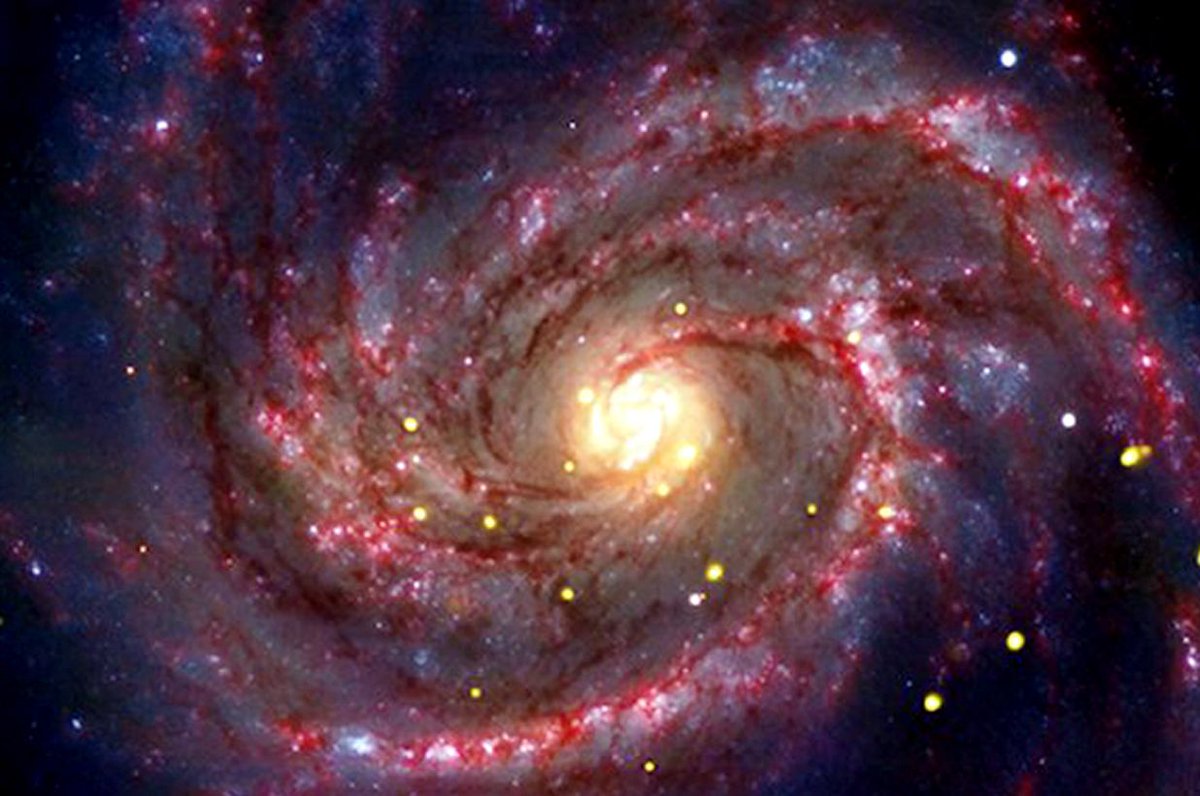
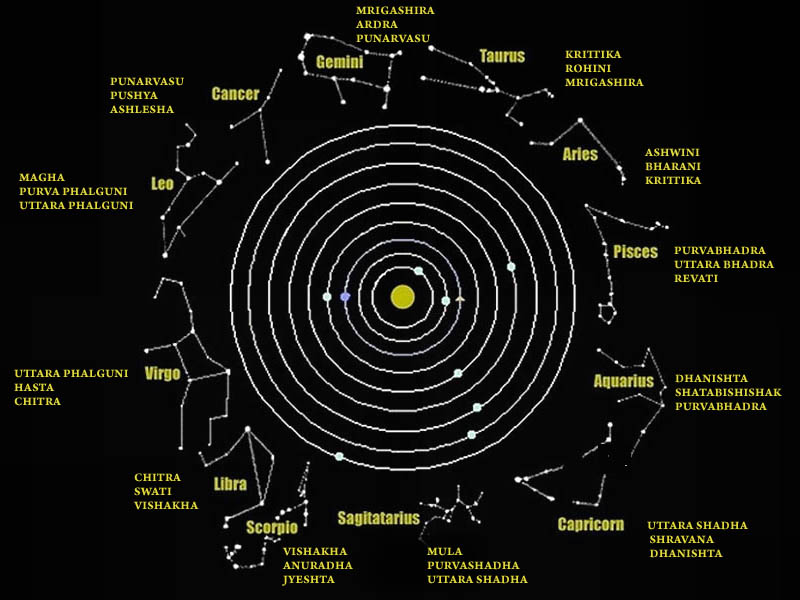
Hindu astronomers divide the ecliptic circle of cosmos in 27 divisions called https://t.co/sLeuV1R2eQ this manner a cross forms in 4 directions in the celestial sky. At centre of this cross is Dhruva(Polestar). In a line from Dhruva, the stars known as Saptarishi can be observed.
The Swastik is a geometrical figure and an ancient religious icon. Swastik has been Sanatan Dharma’s symbol of auspiciousness – mangalya since time immemorial.
The name swastika comes from Sanskrit (Devanagari: स्वस्तिक, pronounced: swastik) &denotes “conducive to wellbeing or auspicious”.
The word Swastik has a definite etymological origin in Sanskrit. It is derived from the roots su – meaning “well or auspicious” & as meaning “being”.
"सु अस्ति येन तत स्वस्तिकं"
Swastik is de symbol through which everything auspicios occurs
Scholars believe word’s origin in Vedas,known as Swasti mantra;
"🕉स्वस्ति ना इन्द्रो वृधश्रवाहा
स्वस्ति ना पूषा विश्ववेदाहा
स्वस्तिनास्तरक्ष्यो अरिश्तनेमिही
स्वस्तिनो बृहस्पतिर्दधातु"
It translates to," O famed Indra, redeem us. O Pusha, the beholder of all knowledge, redeem us. Redeem us O Garudji, of limitless speed and O Bruhaspati, redeem us".
SWASTIK’s COSMIC ORIGIN
The Swastika represents the living creation in the whole Cosmos.
Hindu astronomers divide the ecliptic circle of cosmos in 27 divisions called https://t.co/sLeuV1R2eQ this manner a cross forms in 4 directions in the celestial sky. At centre of this cross is Dhruva(Polestar). In a line from Dhruva, the stars known as Saptarishi can be observed.