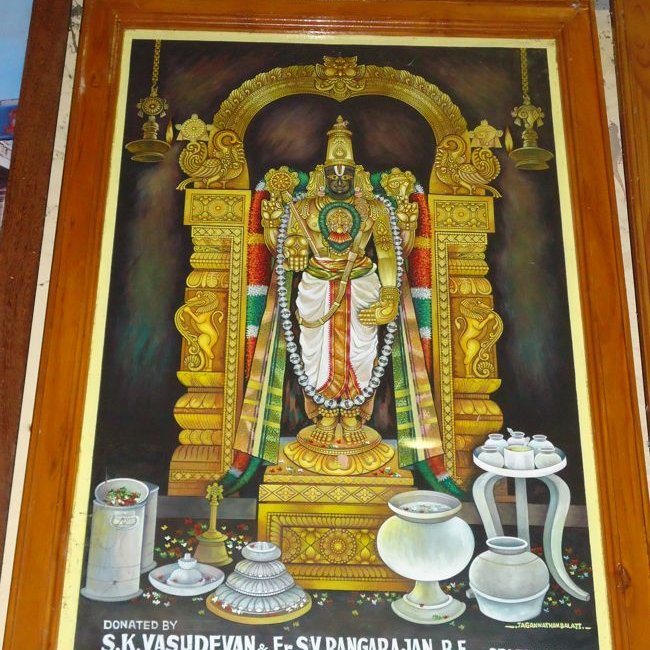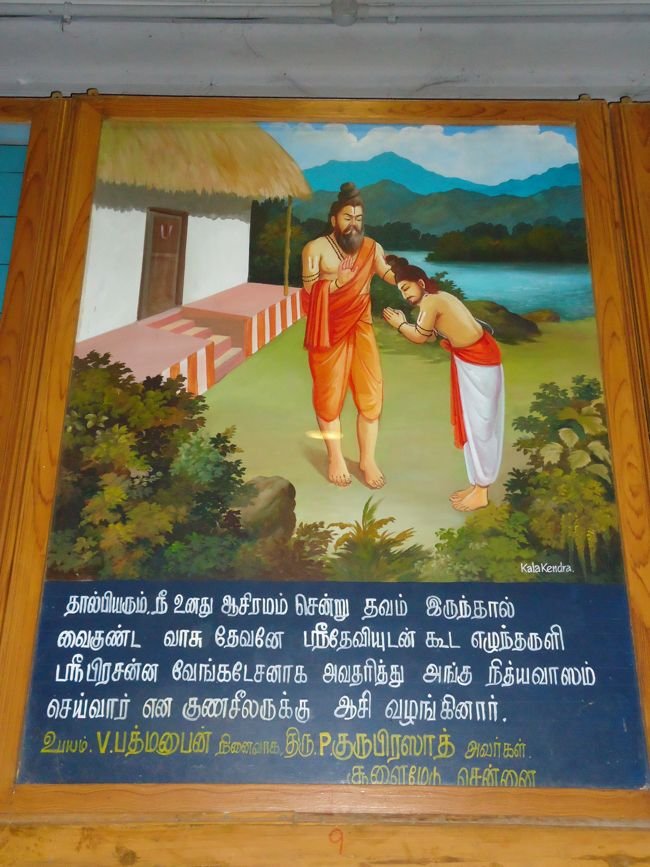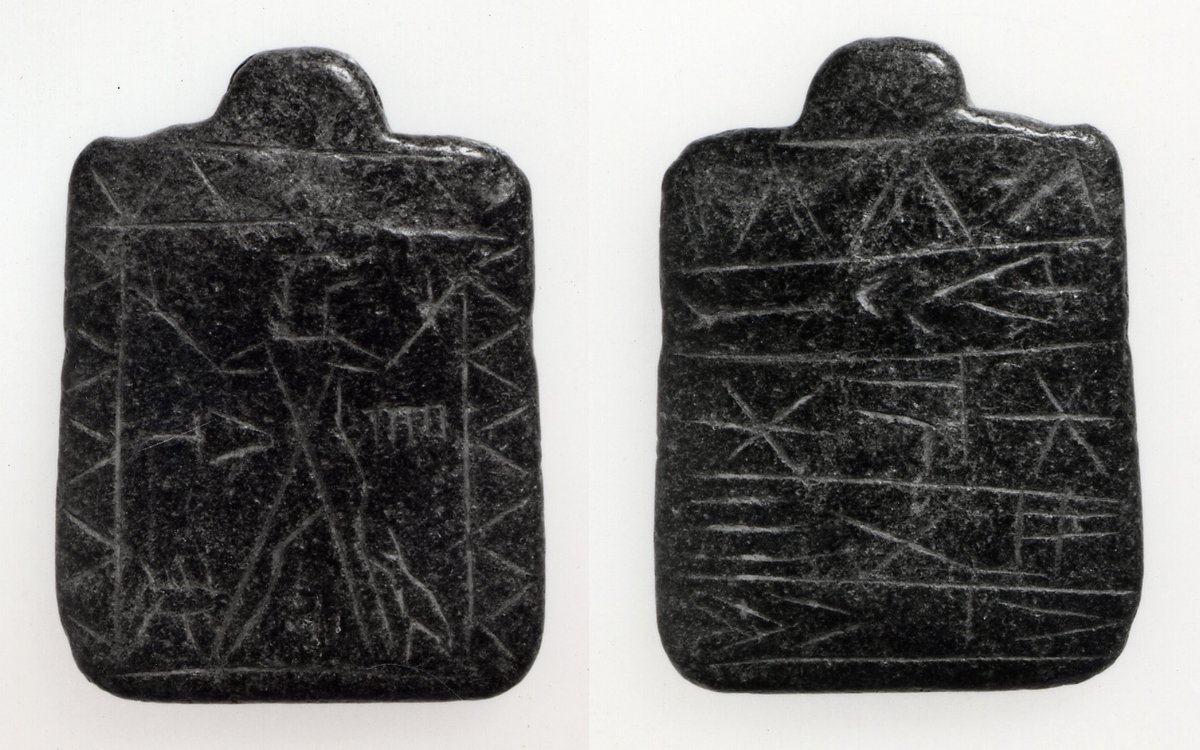
Fact 23: Not all "cuneiform writing" actually meant something. Sometimes just imitating the general appearance of cuneiform-like signs could be enough — why bother to learn the whole complex writing system if others can't read it anyway?
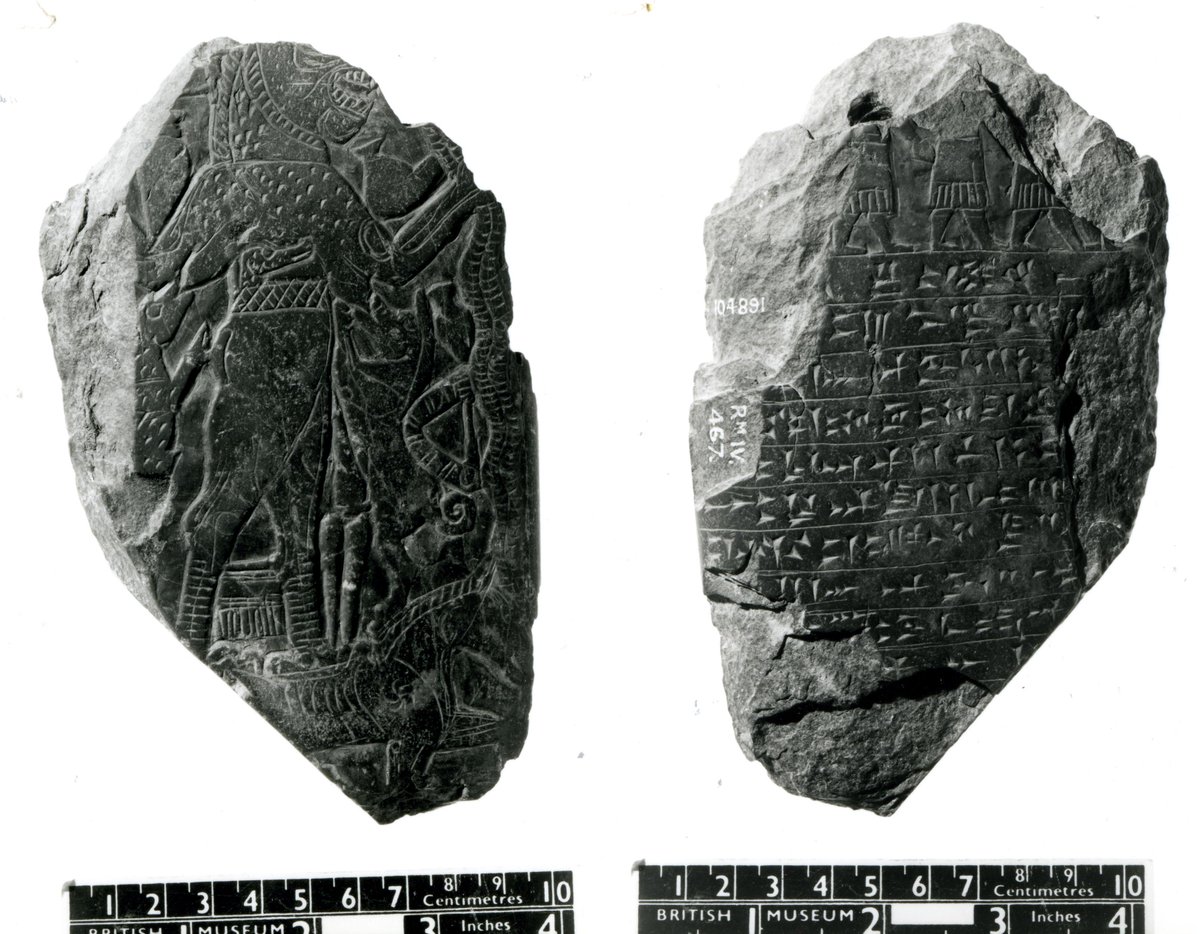
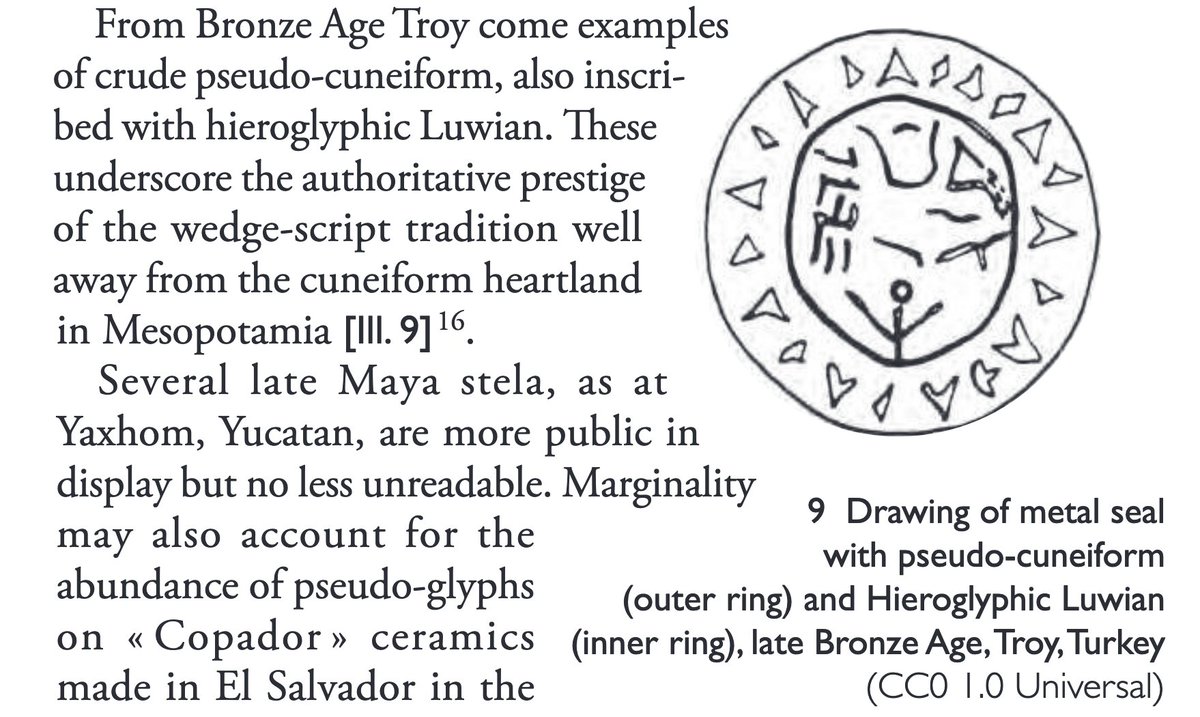
Fact 20: Cuneiform tablets have been forged for ages! Ancient forgeries are often more difficult to identify, while modern fakes can sometimes be pretty clumsy. Here\u2019s a short thread on cuneiform forgery. #AdventCalendar pic.twitter.com/zPKSfCmNLQ
— Team Cuneiform (@cooleiform) December 20, 2020
More from For later read


Humans inherently like the act of solidarity. We are social beings. We like to huddle up and be together.
They used this against us.
They convinced us that it was an act of solidarity to flatten the curve, to wear a mask for others, to take the vaccines for others,
and to reach #covidzero for others. They convinced us that this was for the greater good of society.
In reality, this couldn't be further away from the truth. They have divided us and broken the core structure of our society. They have dehumanized us with their masks.
They set us against each other into clans on opposite sides of a spectrum. They have turned us into aggressive beings fighting for our survival. Some of us fear harm from the virus, others fear harm from the vaccine, and yet others fear harm from the attack on our civilization.
We are all on a flight or fight mode. We are all operating under the influence of fear. We must collect ourselves and reflect on what has happened over the last year.
How is this for the greater good of society?
They used a tactical warfare strategy against us.
'Divide and conquer'.
We fell for it.
Now we must become aware of it and fight back.
We must reunite. We must find true solidarity to save our world. To free ourselves. To regain our autonomy.
They used this against us.
They convinced us that it was an act of solidarity to flatten the curve, to wear a mask for others, to take the vaccines for others,
If there was ever a time in our lifetime to be non-partisan and for citizens of all walks of life globally to unite behind the basic fundamentals of humanity, freedoms, liberties, human rights, sovereignty, autonomy, dignity, empathy and compassion: it is now. https://t.co/Fa3ieEq51x
— Kulvinder Kaur MD (@dockaurG) January 9, 2021
and to reach #covidzero for others. They convinced us that this was for the greater good of society.
In reality, this couldn't be further away from the truth. They have divided us and broken the core structure of our society. They have dehumanized us with their masks.
They set us against each other into clans on opposite sides of a spectrum. They have turned us into aggressive beings fighting for our survival. Some of us fear harm from the virus, others fear harm from the vaccine, and yet others fear harm from the attack on our civilization.
We are all on a flight or fight mode. We are all operating under the influence of fear. We must collect ourselves and reflect on what has happened over the last year.
How is this for the greater good of society?
They used a tactical warfare strategy against us.
'Divide and conquer'.
We fell for it.
Now we must become aware of it and fight back.
We must reunite. We must find true solidarity to save our world. To free ourselves. To regain our autonomy.