When Biodun Fatoyinbo's case went viral, Timi Adigun of Mine Teenage Ministry told his church members not to be talebearers or speak against a man of God.
Little did anyone know that he himself had been sexually abusing and harassing his female teenage members for years!
Yes, maybe it is untrue but he and his wife suddenly shut down their church, The Ark, when news broke out. It may not be true but they cancelled all events till further notice.
May not be true but he has started another church lowkey in another name
May not be true but members are getting encouraged not to be "talebearers".
But he has refused to say NADA. He is even running giveaways on IG.
But well, they're talking about love on IG.
Jesus, you need to come back ASAP.
https://t.co/P0ANlTJQic
No need to go too far, Orifunke. I was the head of the Ilorin arm of the ministry(you can check any MINE Magazine publication around that time for my name) in 2014 and 2015 and joined the ministry in 2011.
— BRAVEDAVE \u270d\U0001f3fe\U0001f5e3\ufe0f (@The_bravedave) December 10, 2020
I've listened to voice notes where he admitted all these things. https://t.co/Lq2nUR2roK
More from For later read


This response to my tweet is a common objection to targeted advertising.
@KevinCoates correct me if I'm wrong, but basic point seems to be that banning targeted ads will lower platform profits, but will mostly be beneficial for consumers.
Some counterpoints 👇
1) This assumes that consumers prefer contextual ads to targeted ones.
This does not seem self-evident to me
Research also finds that firms choose between ad. targeting vs. obtrusiveness 👇
If true, the right question is not whether consumers prefer contextual ads to targeted ones. But whether they prefer *more* contextual ads vs *fewer* targeted
2) True, many inframarginal platforms might simply shift to contextual ads.
But some might already be almost indifferent between direct & indirect monetization.
Hard to imagine that *none* of them will respond to reduced ad revenue with actual fees.
3) Policy debate seems to be moving from:
"Consumers are insufficiently informed to decide how they share their data."
To
"No one in their right mind would agree to highly targeted ads (e.g., those that mix data from multiple sources)."
IMO the latter statement is incorrect.
@KevinCoates correct me if I'm wrong, but basic point seems to be that banning targeted ads will lower platform profits, but will mostly be beneficial for consumers.
Some counterpoints 👇
That targeted ads allow for "free" products for consumers is a common talking point and we're going to see more of it in the coming months.: https://t.co/Xty3My3f0u (1/14)
— Kevin Coates (@KevinCoates) February 16, 2021
1) This assumes that consumers prefer contextual ads to targeted ones.
This does not seem self-evident to me
Great post by @Sherman1890 got me thinking about the future of targeted ads.
— Dirk Auer (@AuerDirk) February 12, 2021
More and more tools (privacy labels, ad blockers, GDPR) enable consumers to opt-out from targeted ads - can limit the data platforms receive or block ads altogether.
The end of targeted ads? \U0001f9f5\U0001f447 https://t.co/MA6A3BrUWq
Research also finds that firms choose between ad. targeting vs. obtrusiveness 👇
If true, the right question is not whether consumers prefer contextual ads to targeted ones. But whether they prefer *more* contextual ads vs *fewer* targeted
2) True, many inframarginal platforms might simply shift to contextual ads.
But some might already be almost indifferent between direct & indirect monetization.
Hard to imagine that *none* of them will respond to reduced ad revenue with actual fees.
3) Policy debate seems to be moving from:
"Consumers are insufficiently informed to decide how they share their data."
To
"No one in their right mind would agree to highly targeted ads (e.g., those that mix data from multiple sources)."
IMO the latter statement is incorrect.

You May Also Like








1/x Fort Detrick History
Mr. Patrick, one of the chief scientists at the Army Biological Warfare Laboratories at Fort Detrick in Frederick, Md., held five classified US patents for the process of weaponizing anthrax.
2/x
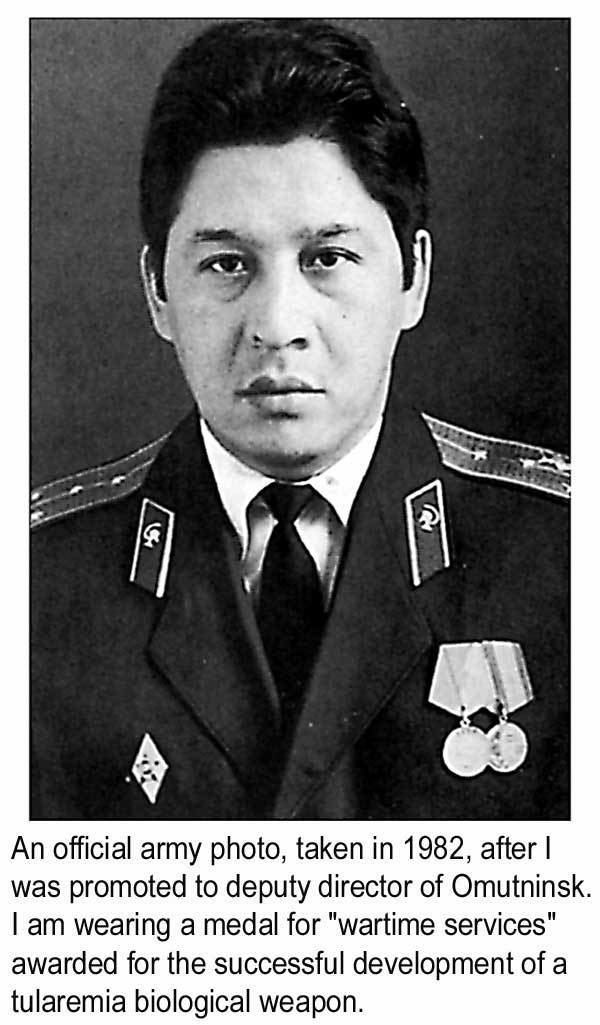
Under Mr. Patrick’s direction, scientists at Fort Detrick developed a tularemia agent that, if disseminated by airplane, could cause casualties & sickness over 1000s mi². In a 10,000 mi² range, it had 90% casualty rate & 50% fatality rate
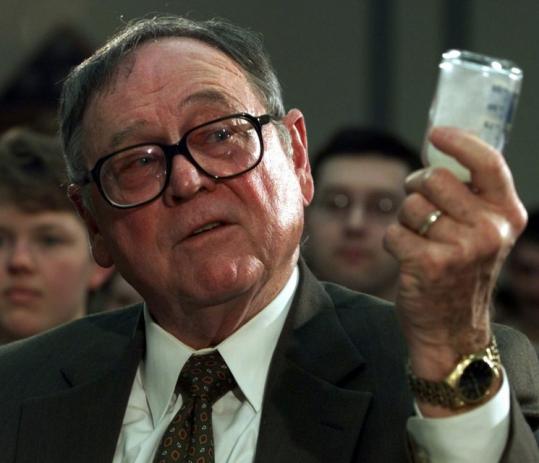
3/x His team explored Q fever, plague, & Venezuelan equine encephalitis, testing more than 20 anthrax strains to discern most lethal variety. Fort Detrick scientists used aerosol spray systems inside fountain pens, walking sticks, light bulbs, & even in 1953 Mercury exhaust pipes

4/x After retiring in 1986, Mr. Patrick remained one of the world’s foremost specialists on biological warfare & was a consultant to the CIA, FBI, & US military. He debriefed Soviet defector Ken Alibek, the deputy chief of the Soviet biowarfare program
https://t.co/sHqSaTSqtB
5/x Back in Time
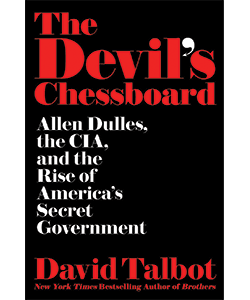
In 1949 the Army created a small team of chemists at "Camp Detrick" called Special Operations Division. Its assignment was to find military uses for toxic bacteria. The coercive use of toxins was a new field, which fascinated Allen Dulles, later head of the CIA
Mr. Patrick, one of the chief scientists at the Army Biological Warfare Laboratories at Fort Detrick in Frederick, Md., held five classified US patents for the process of weaponizing anthrax.
2/x
Under Mr. Patrick’s direction, scientists at Fort Detrick developed a tularemia agent that, if disseminated by airplane, could cause casualties & sickness over 1000s mi². In a 10,000 mi² range, it had 90% casualty rate & 50% fatality rate
3/x His team explored Q fever, plague, & Venezuelan equine encephalitis, testing more than 20 anthrax strains to discern most lethal variety. Fort Detrick scientists used aerosol spray systems inside fountain pens, walking sticks, light bulbs, & even in 1953 Mercury exhaust pipes
4/x After retiring in 1986, Mr. Patrick remained one of the world’s foremost specialists on biological warfare & was a consultant to the CIA, FBI, & US military. He debriefed Soviet defector Ken Alibek, the deputy chief of the Soviet biowarfare program
https://t.co/sHqSaTSqtB
5/x Back in Time
In 1949 the Army created a small team of chemists at "Camp Detrick" called Special Operations Division. Its assignment was to find military uses for toxic bacteria. The coercive use of toxins was a new field, which fascinated Allen Dulles, later head of the CIA